
These 70s dining room design ideas focus on warm wood tones, simple patterns, and practical details that make a space feel real. If you love teak, walnut, oak, chrome, and amber glass, this guide will help you use them without making the room look like a movie set.
You will see ways to style a tulip table, a compact dining corner, a dinner-at-dusk setup, and budget-friendly rental updates. Each idea is based on lived-in rooms, with everyday items like mugs, mail, board games, and a cookbook on the table.
This post is made for Pinterest readers who want clear steps. You will get color pairings like mustard and rust, lighting tips for smoked glass pendants, and simple styling moves like a bowl of oranges or a terracotta runner.
Use these sections as a checklist. Pick one table shape, one main light, and two accent colors, then add texture with rugs, linen napkins, cork placemats, or macramé.
1 Sunlit Family Dining Nook
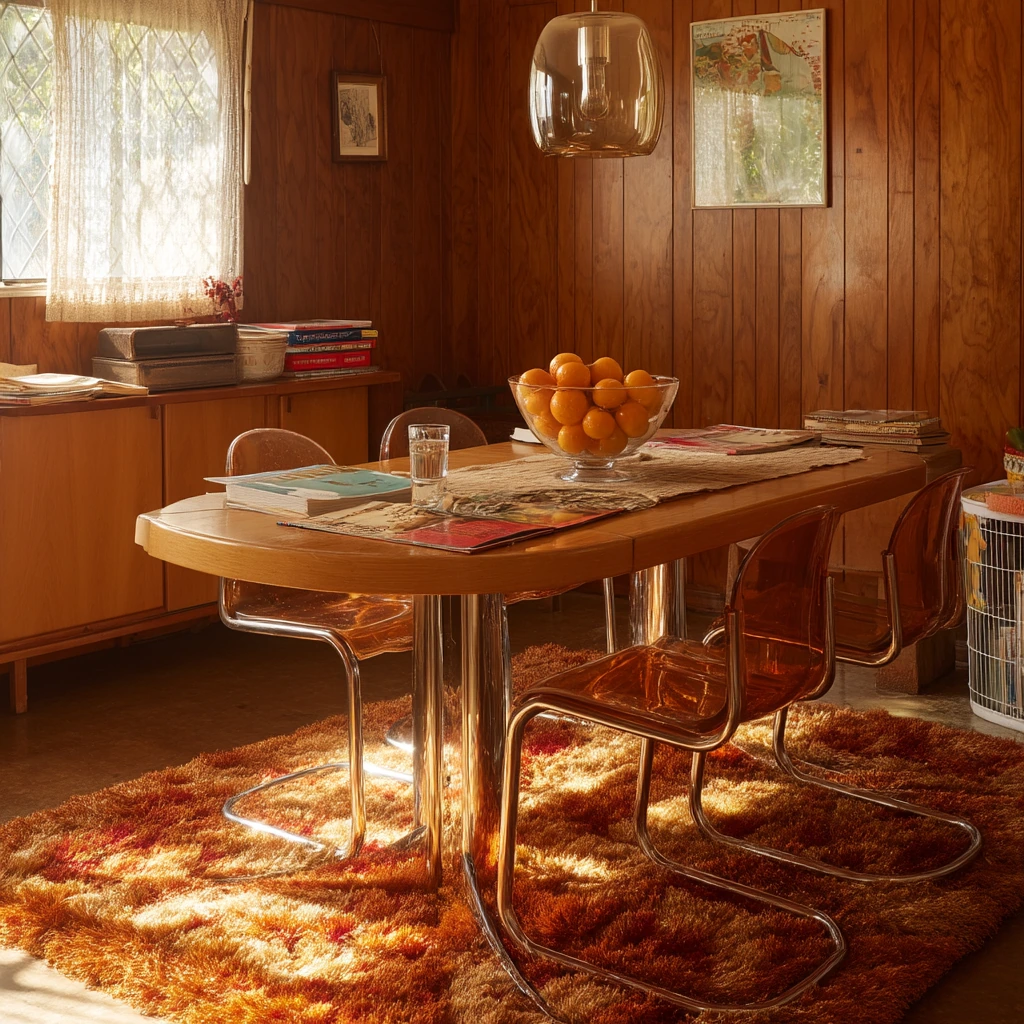
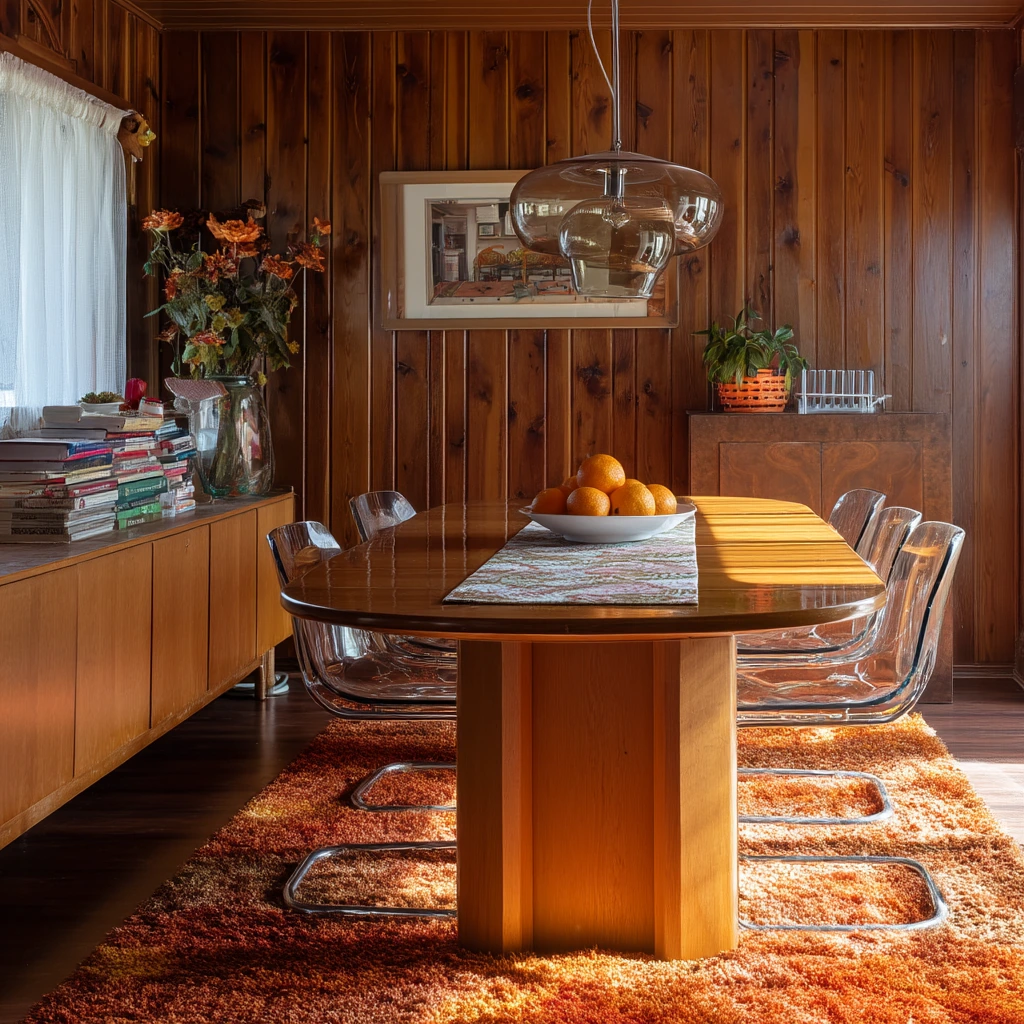
A lived-in 70s dining room works best when it feels used, not staged. Start with an oak tulip table and curved chrome chairs. The mix of warm wood and cool metal is a classic 70s look, and it still reads clean today. Add a smoked glass pendant to soften the light and make the table the center of the room.
Build your palette with mustard and rust accents. A terracotta runner adds color without taking over, and a shaggy area rug brings in the cozy texture people remember from family homes. Keep a bowl of oranges on the table for a simple pop of color that also feels practical.
To keep it honest, let small daily-life items show. A paperback cookbook, water glass rings on the table, and a kid’s toy basket tucked beside the sideboard make the room feel welcoming. Soft window light across wood paneling helps everything look warm, even when the styling is simple.
- Choose one warm wood tone (oak) and repeat it on the sideboard or shelves.
- Use chrome chairs to add shine and keep the room from feeling heavy.
- Layer a terracotta runner over a neutral table surface for easy color.
- Add one shaggy rug to soften noise and make the space feel calm.
- Style with real items: a cookbook, a fruit bowl, and two everyday glasses.
Pro Design Tip: Hang the smoked glass pendant low enough to light the table, but high enough to keep sight lines clear across the room.
Budget Considerations: Chrome chairs can be pricey; look for secondhand sets or mix two chrome chairs with four simple wood chairs.
2 Small Apartment 70s Dining Corner
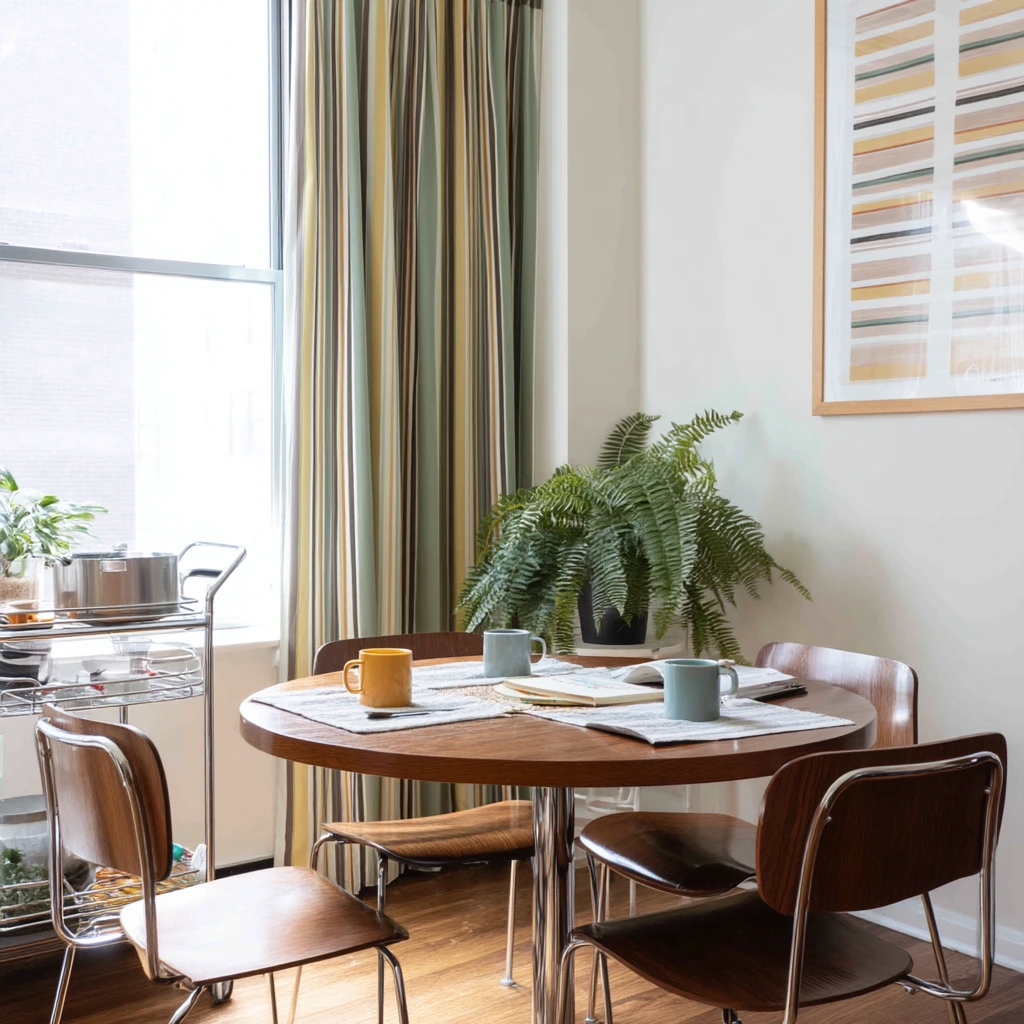
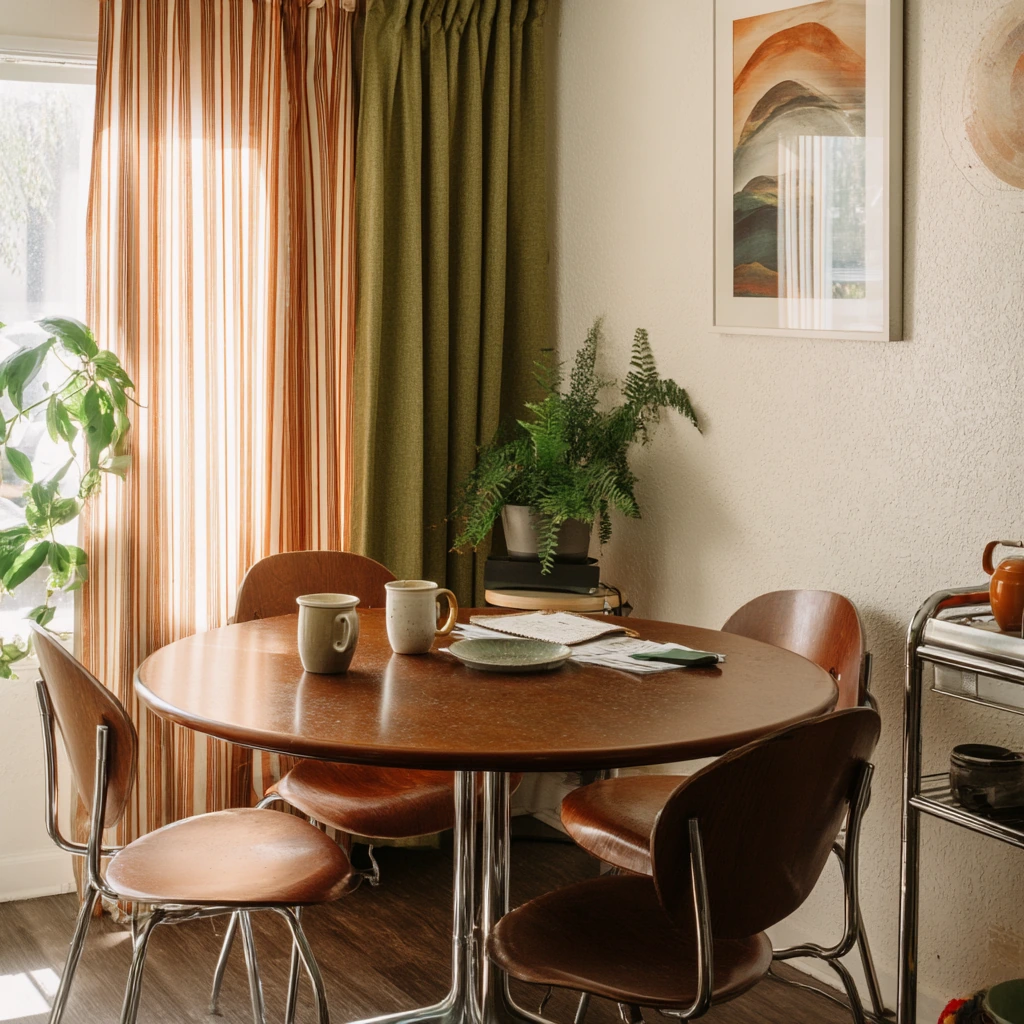
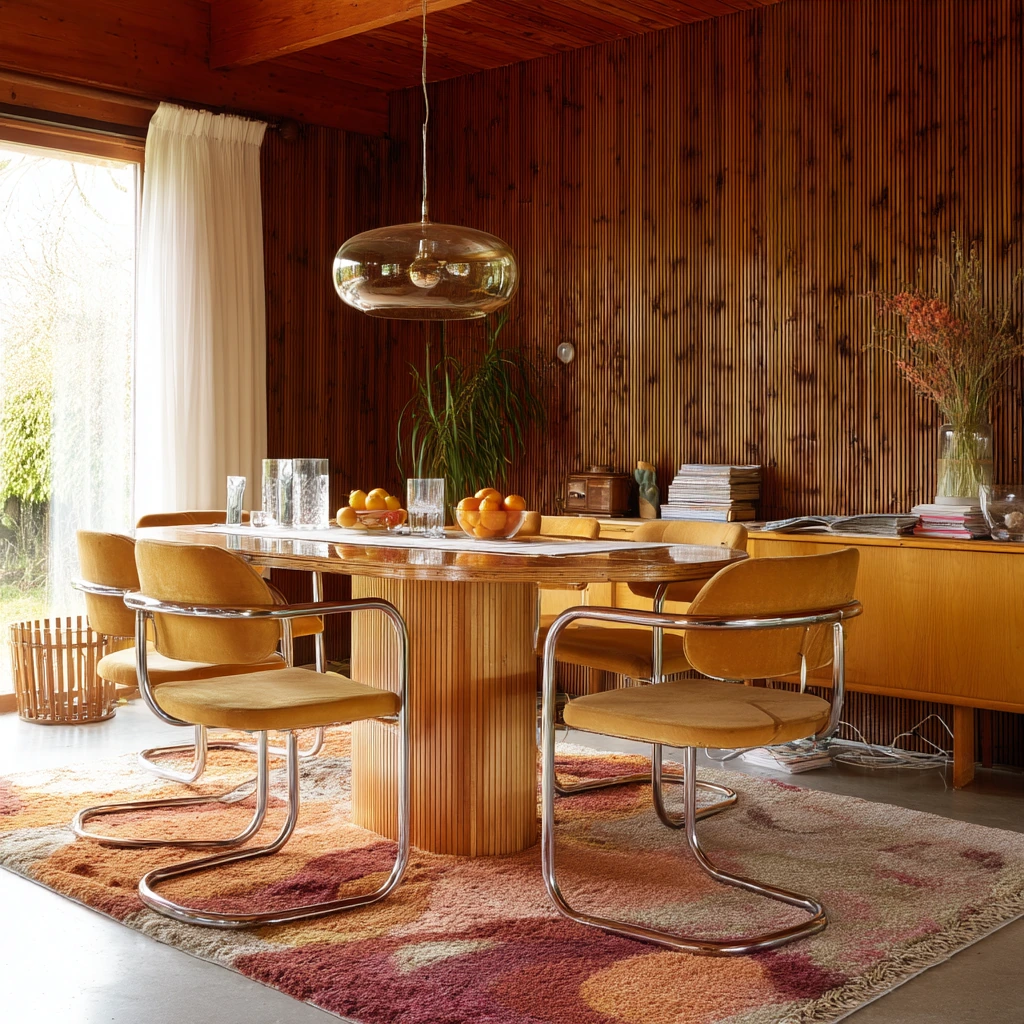
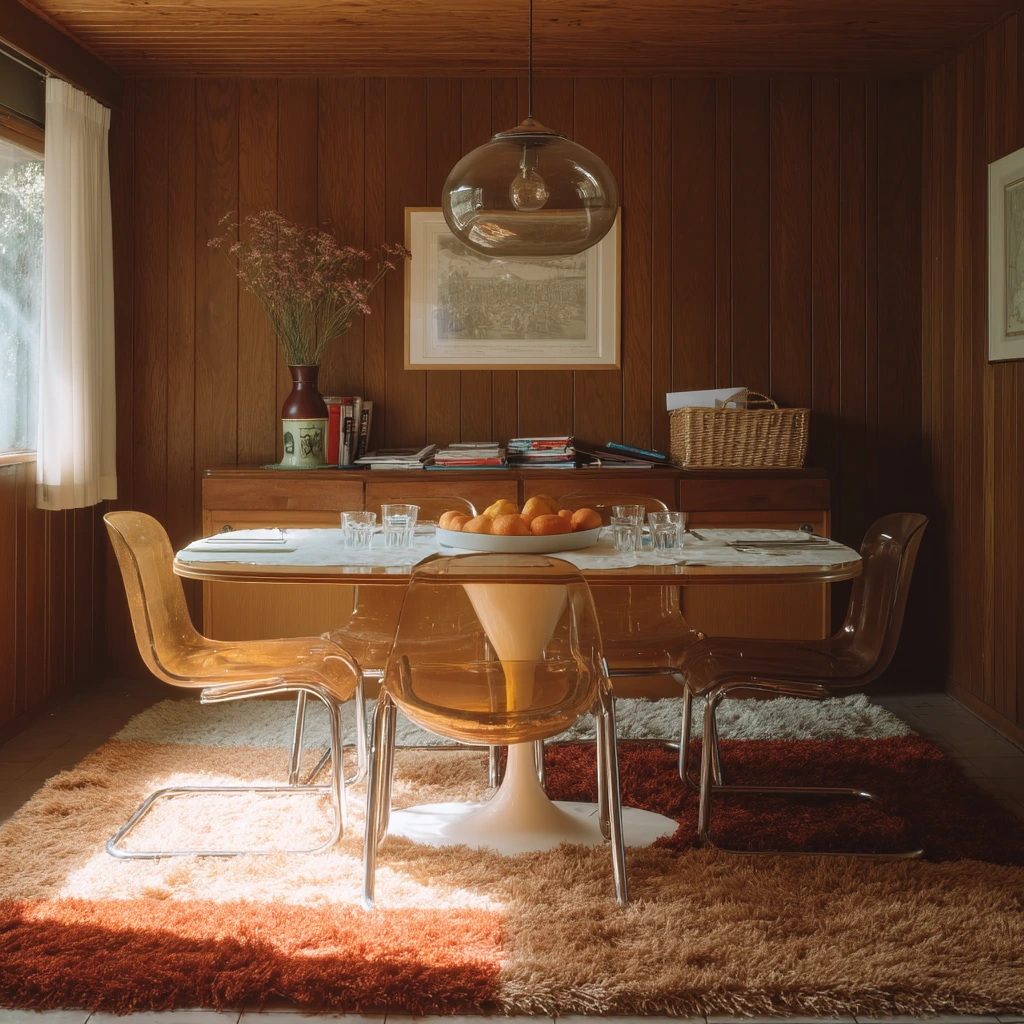
A compact 70s dining corner can feel complete with just a few strong choices. Use a round teak table because it saves space and makes it easier to move around in a small apartment. Molded vinyl chairs keep the look true to the era and are easy to wipe down, which is helpful in a rental.
Bring in color with avocado green curtains. This one change sets the tone fast and works well with teak. Add striped wall art to create a simple graphic moment without needing a full gallery wall. A potted fern adds the soft, leafy shape that shows up in many 70s interiors.
Keep it believable by leaving room for modern life. A charging cable near a notebook, two mismatched mugs, and slightly wrinkled linen napkins make the space feel used. A compact chrome cart can hold extra glasses, placemats, and a small lamp, so the corner works for breakfast, work, and quick dinners.
- Pick a round table to reduce sharp corners in a tight walkway.
- Use avocado green curtains to add color without repainting.
- Place a chrome cart beside the table for storage in small rooms.
- Mix mugs and simple napkins to keep the look casual, not formal.
- Add one fern for height and softness near the window.
Pro Design Tip: Keep the wall art at eye level from a seated position so the corner feels like a real room, not a leftover space.
Budget Considerations: If teak is out of reach, look for a similar tone in vintage-look veneer or a secondhand table you can oil and refresh.
3 Moody Evening Dinner Setting
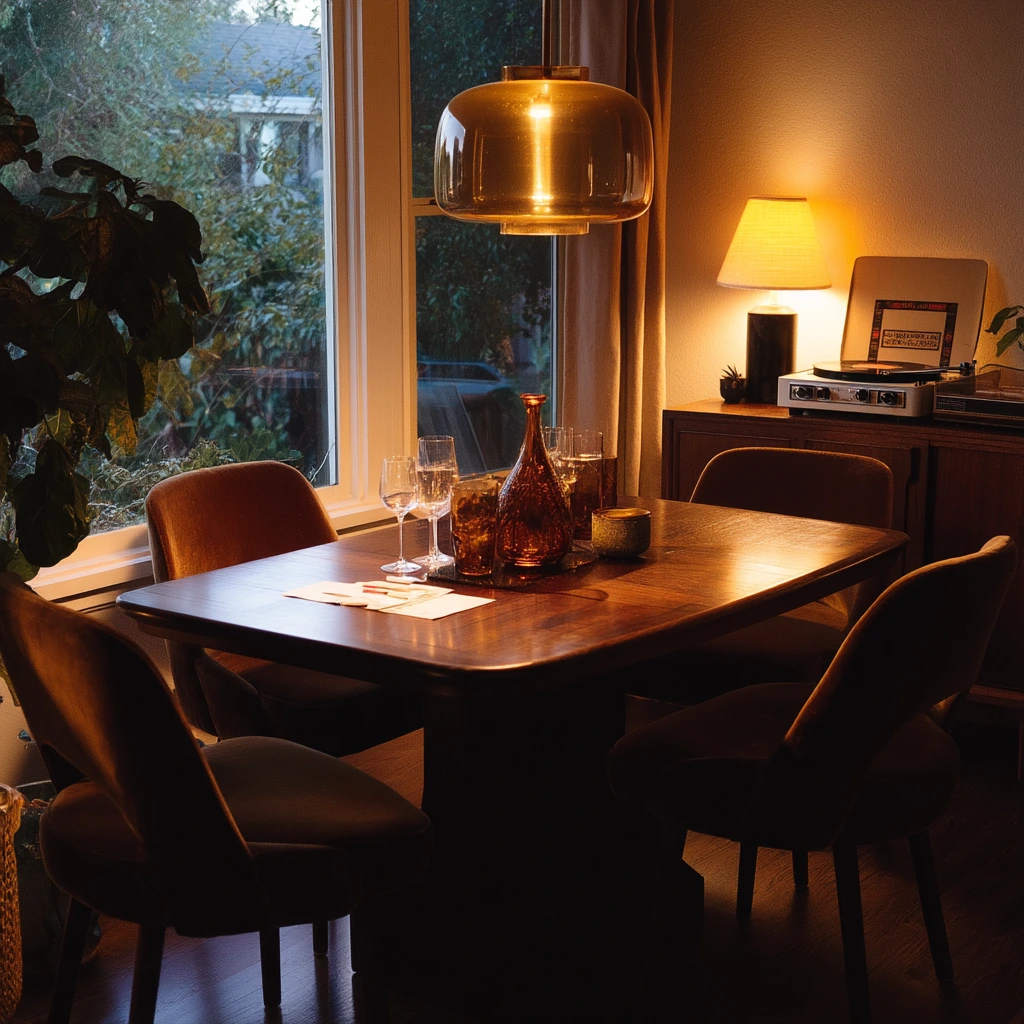
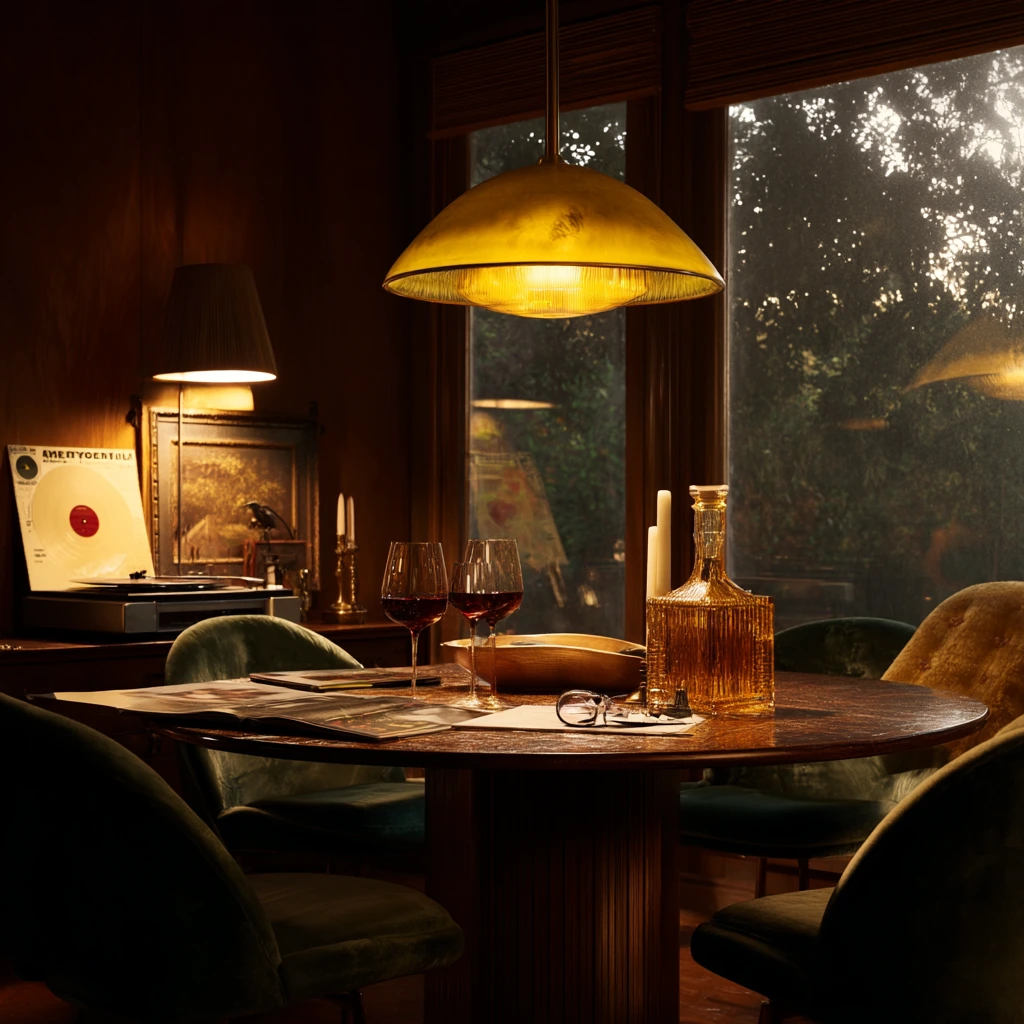
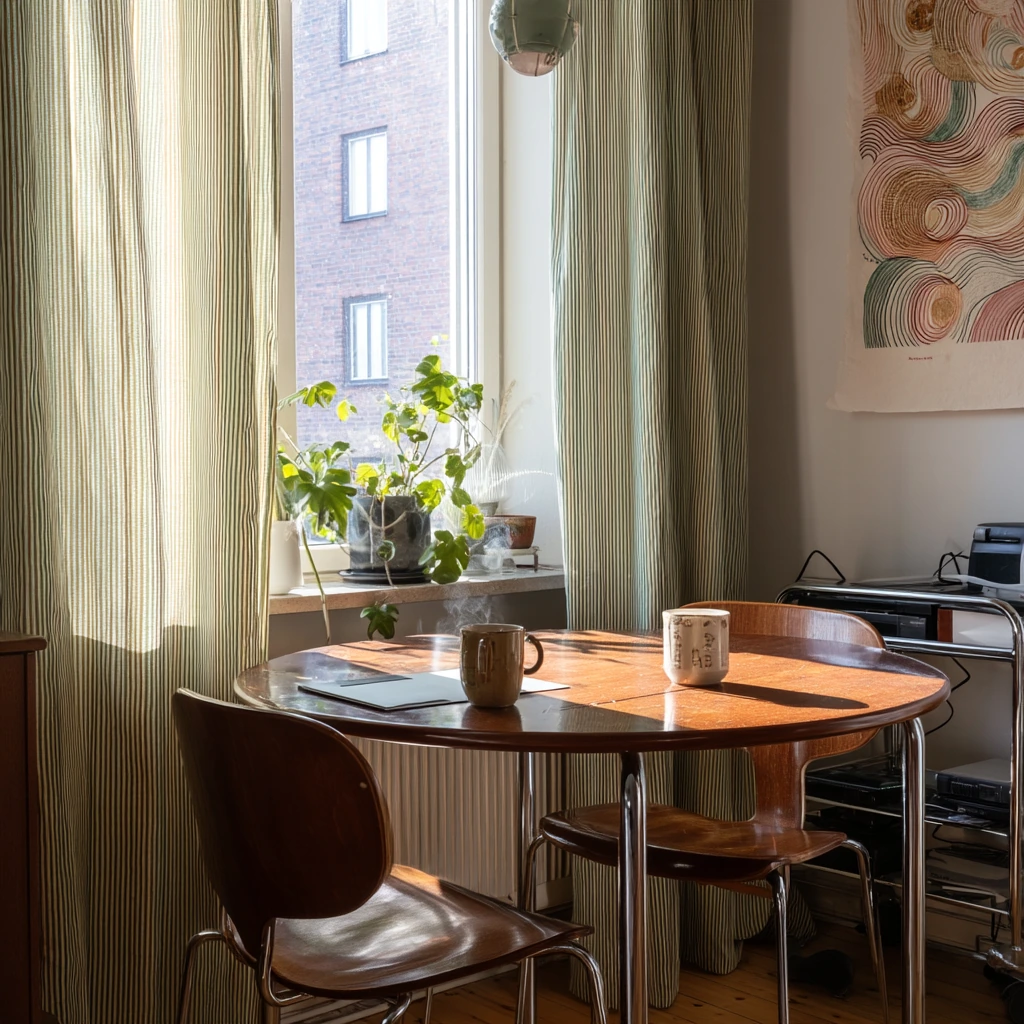
A 70s dining room at dusk is all about warm light and rich finishes. A walnut pedestal table gives you a strong center shape, and velvet dining chairs add softness and depth. Keep the mood calm by using one main metal, like brass, for your pendant and a few small details.
For the tabletop, choose items that glow in low light. An amber glass decanter and ceramic candlesticks fit the era and look better as the sun goes down. Add a record sleeve on the sideboard to suggest what is playing in the background. Small details like reading glasses beside a recipe card make the scene feel like a real dinner in progress.
Balance lamp light with fading window light. If the room feels too dark, add a small table lamp on the sideboard with a warm bulb. Keep the color story tight: walnut, brass, amber, and cream. This helps the room look cozy without looking messy, even if there is half-finished wine on the table.
- Use a brass pendant to create a warm pool of light over the table.
- Choose amber glass for decanters or goblets to boost the dusk glow.
- Add velvet chairs for texture, but keep the chair color simple.
- Style the sideboard with a record sleeve and one stacked tray.
- Leave one real-life item out, like glasses or a recipe card, for authenticity.
Pro Design Tip: Use warm bulbs around 2700K and add a dimmer so the room shifts from dinner prep to dining without changing fixtures.
Budget Considerations: Brass pendants can cost more; try a thrifted fixture with a simple brass spray finish and a new cord kit.
4 Renter-Friendly Retro Update
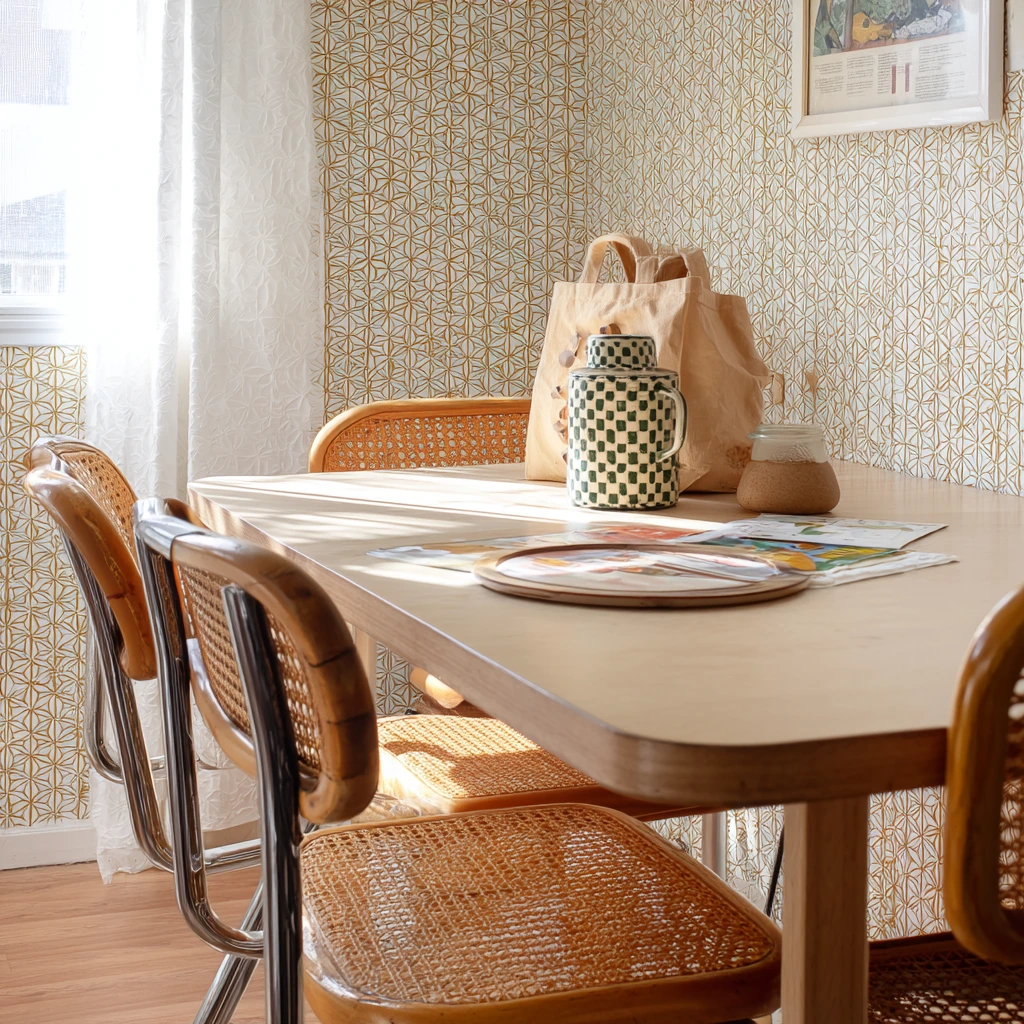
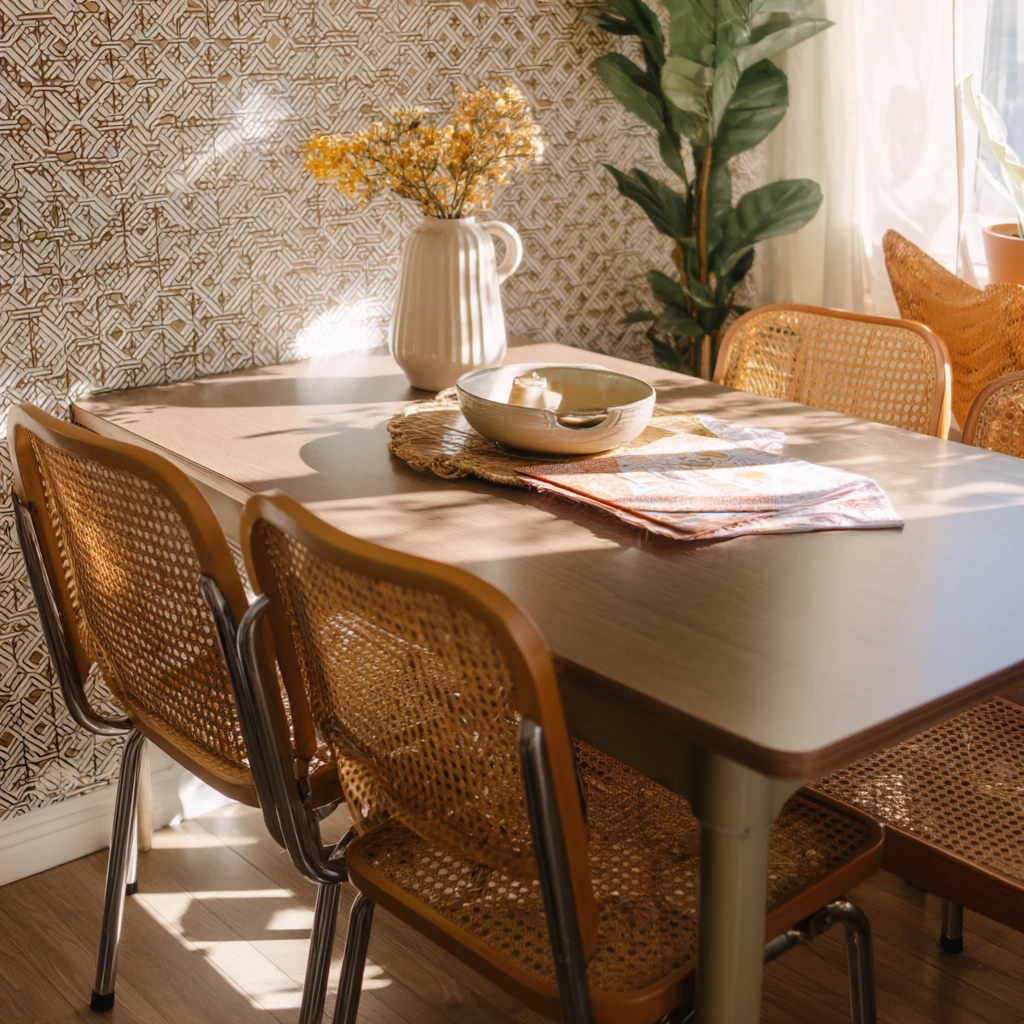
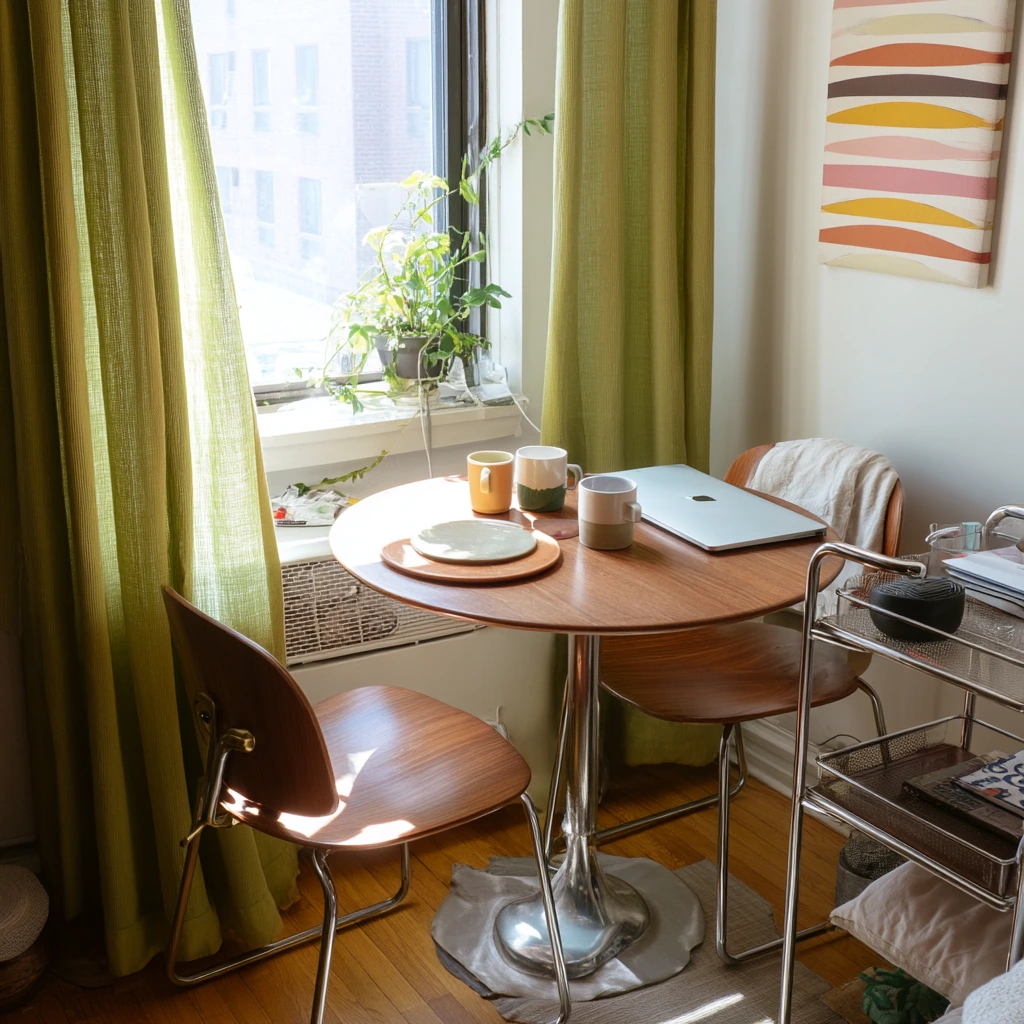
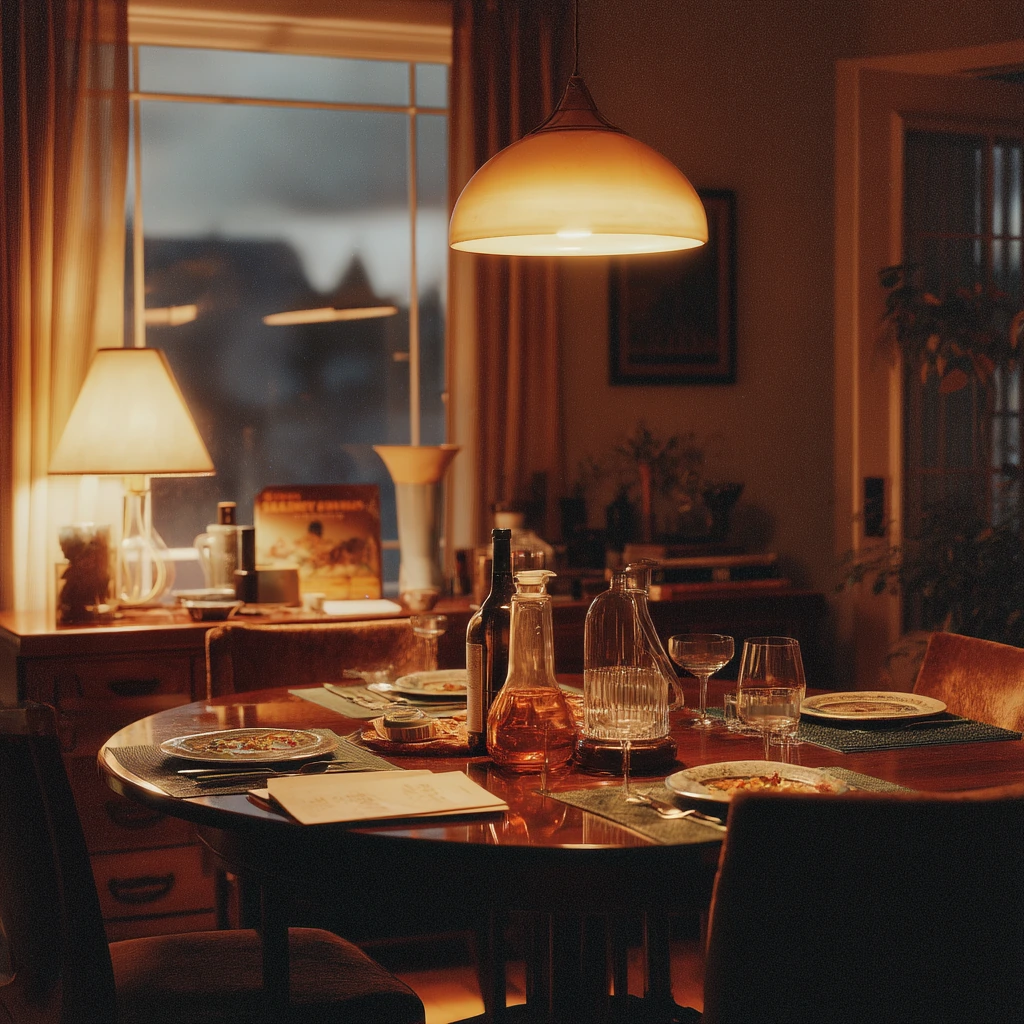
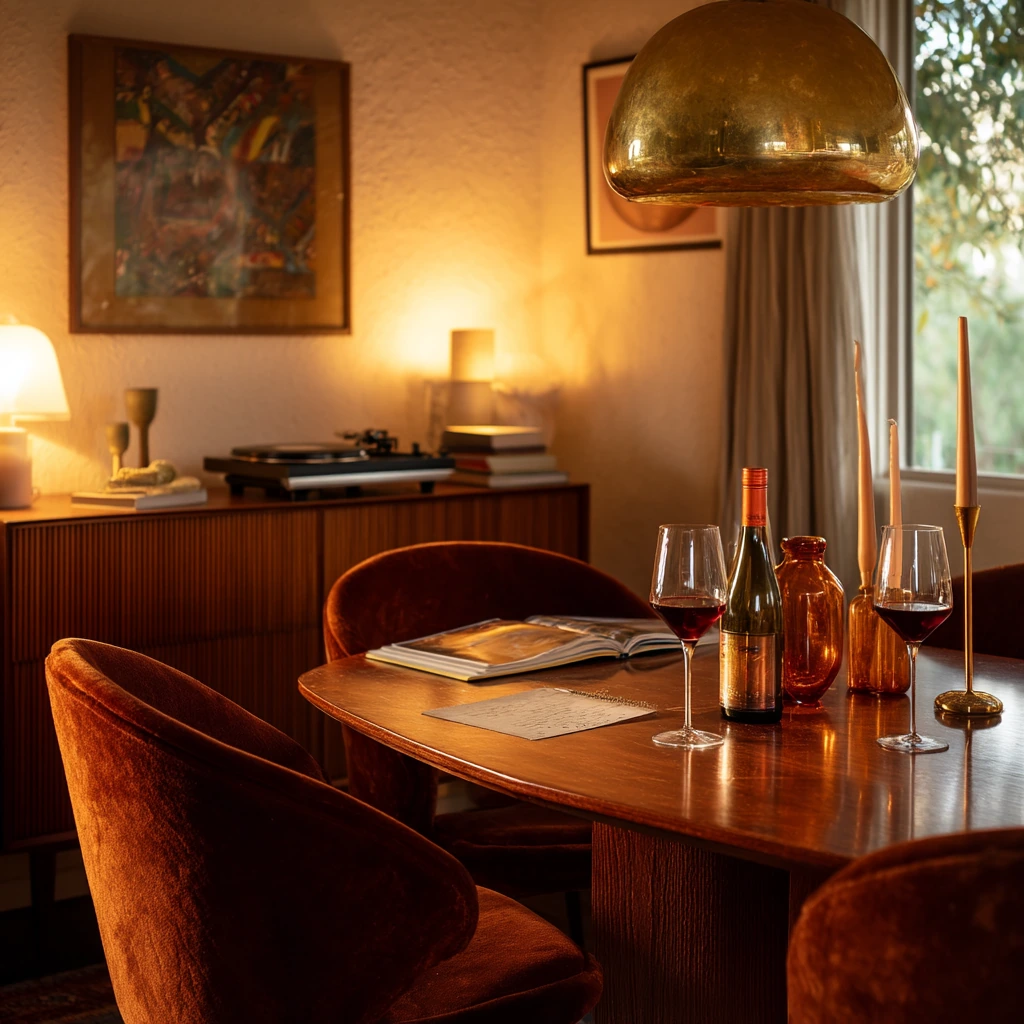
A budget-friendly 70s dining room refresh is possible even in a rented home. Start with what you can change quickly: a laminate table with a retro edge and secondhand cane chairs. The goal is to add texture and a little curve without doing anything permanent.
Peel-and-stick geometric wallpaper is a strong move for renters. Use it on one wall or just in a panel behind a sideboard to keep it simple. Add a thrifted ceramic vase with branches or dried stems for height. Let normal items show too, like a stack of mail and a reusable grocery bag, so the space still feels like home.
For family life, add a kid’s placemat half tucked under the plate and keep the table setting basic. Use one plate, one glass, and a simple cloth napkin. Sunlight will do a lot of the work, so keep window coverings light and avoid too many dark accessories. This style is unfussy and practical, but it still reads 70s because of the pattern, cane, and warm tones.
- Use peel-and-stick wallpaper to add a 70s pattern without paint.
- Bring in cane chairs for texture that feels vintage and airy.
- Pick one pottery piece, like a ceramic vase, to set the tone.
- Keep a small catchall tray for mail so the clutter looks contained.
- Use washable placemats for everyday life, especially with kids.
Pro Design Tip: Repeat the wallpaper colors in two small items, like napkins and a vase, so the wall looks intentional.
Budget Considerations: Cane chairs vary in price; check local thrift stores and replace the seat pads with inexpensive foam and fabric.
5 Dinner Party for Six
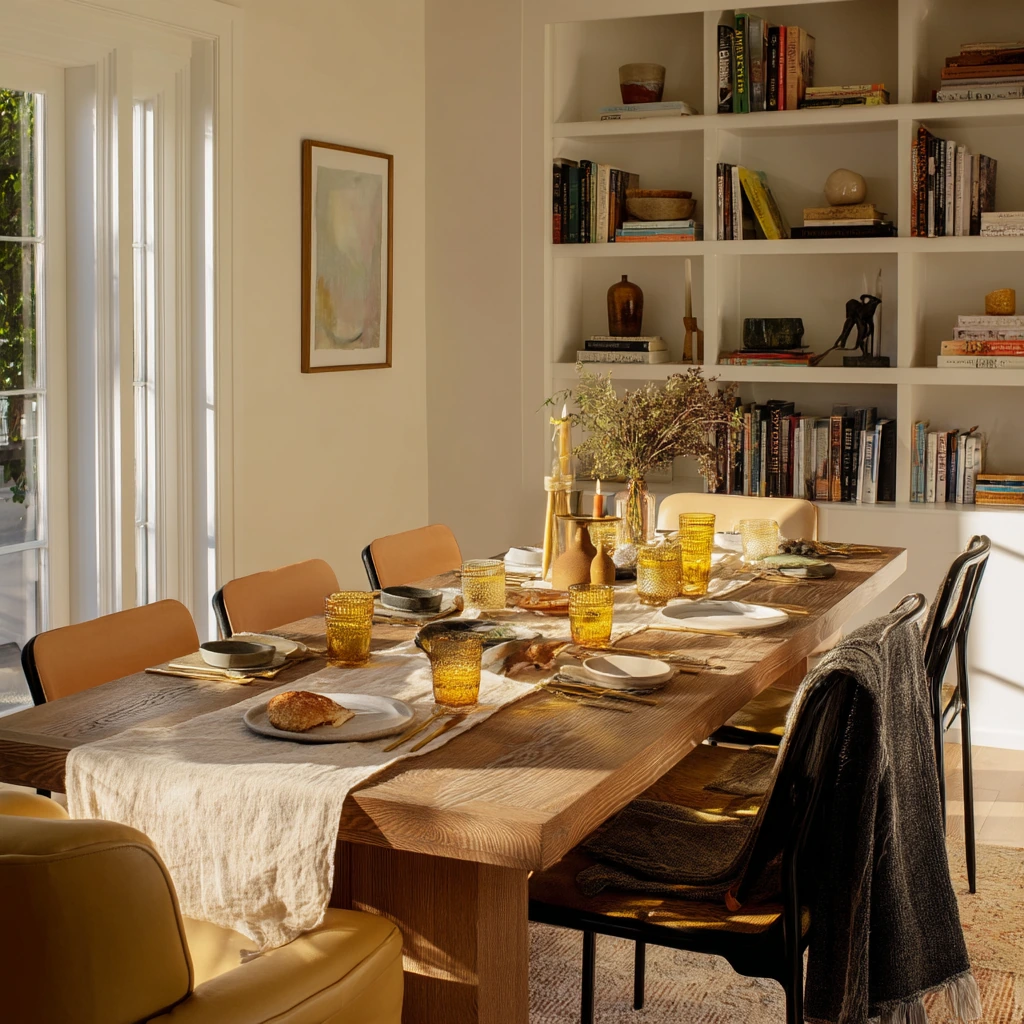
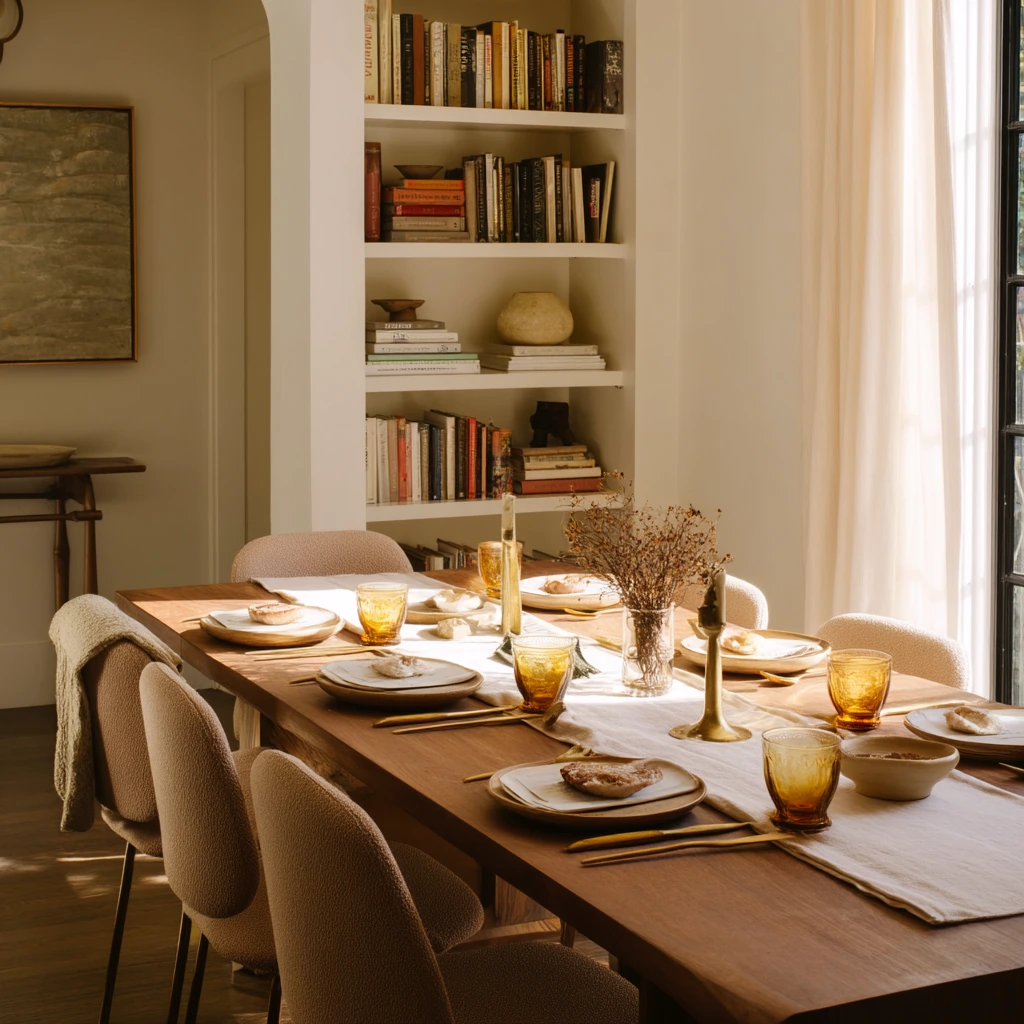
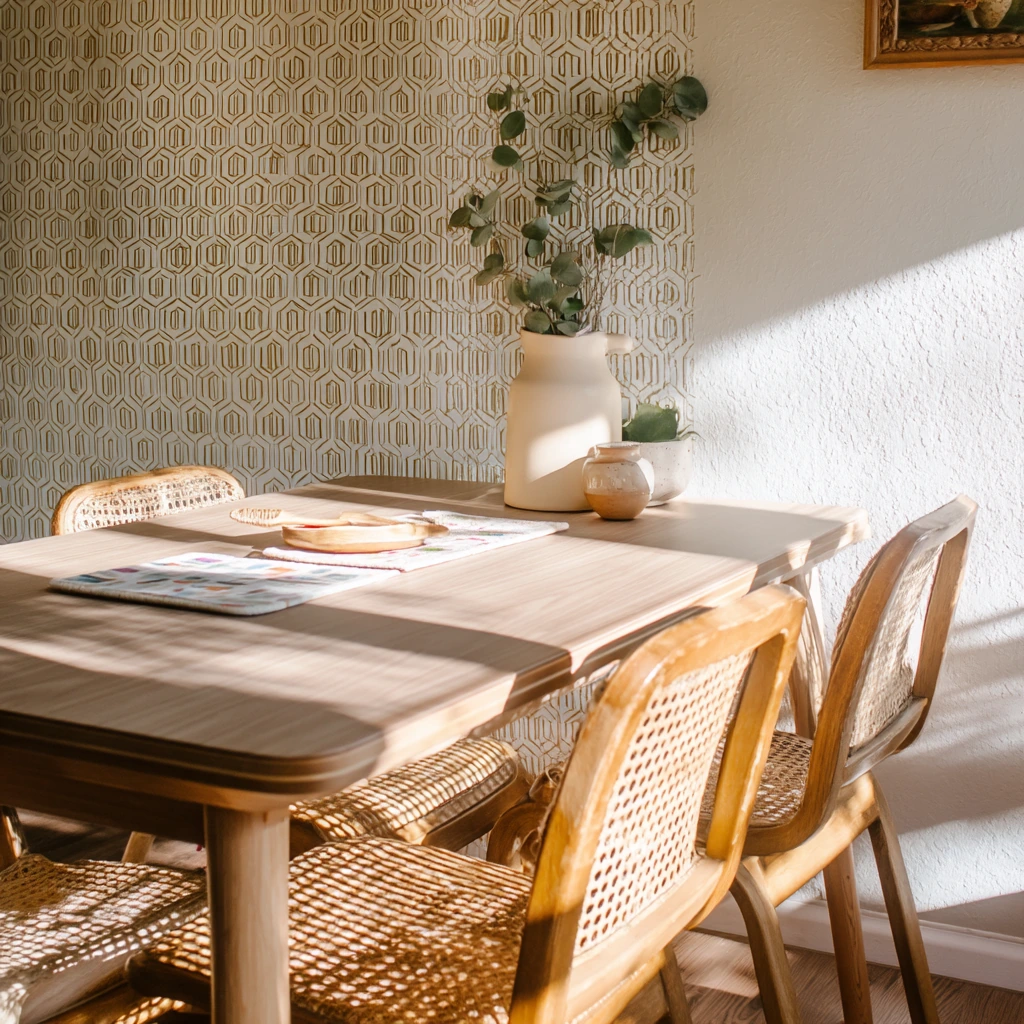
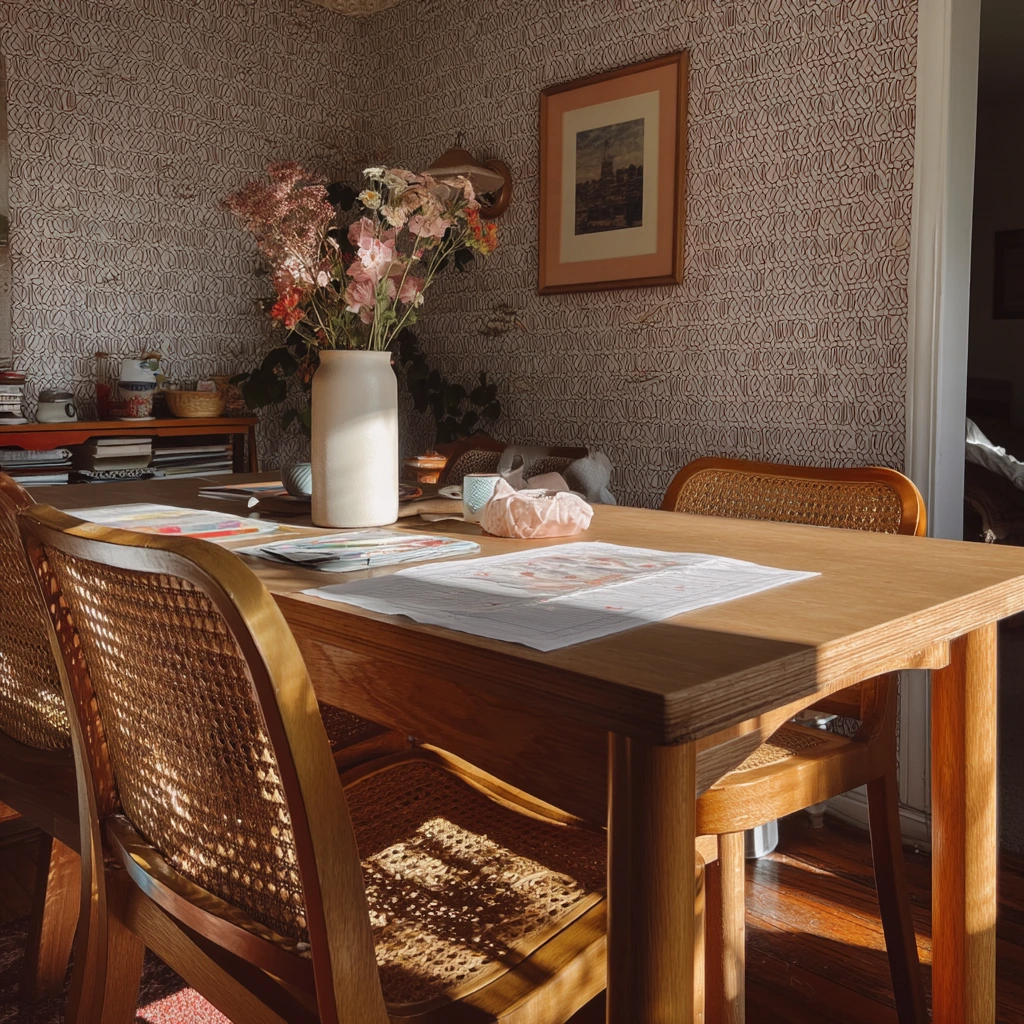
A warm 70s dining room set for a casual dinner party should feel welcoming, not perfect. Start with a long teak table, then mix chairs instead of trying to match a full set. Six mixed chairs can look planned if you keep one element consistent, like wood tone or seat color.
Use amber goblets to tie the table together and add that 70s glow. A linen runner softens the wood and gives you an easy base for place settings. Add a brass centerpiece, but keep it low so people can talk across the table. Built-in shelving with art books adds personality and makes the room feel collected over time.
Let the scene stay human. A folded sweater on one chair and a few crumbs near the bread plate make it feel like friends are actually there. Keep the lighting gentle with soft window light and warm bulbs. For styling, set out bread on a wooden board, place a simple bowl for salad, and add one small vase of greenery so the table feels full without being crowded.
- Mix chairs but repeat one detail, like similar heights or wood tones.
- Use amber goblets to create a matched look without buying a full set.
- Choose a linen runner for texture and easy cleanup after dinner.
- Style shelves with art books and one framed print to ground the room.
- Keep the centerpiece low and wide so it does not block conversation.
Pro Design Tip: Group table items in three zones, center, and two ends, so the long table looks balanced in wide photos and in real life.
Budget Considerations: If you do not have a teak table, use a simple wood table and add a runner plus warm-toned accessories to get the same feeling.
6 Plant-Filled Retro Dining Room
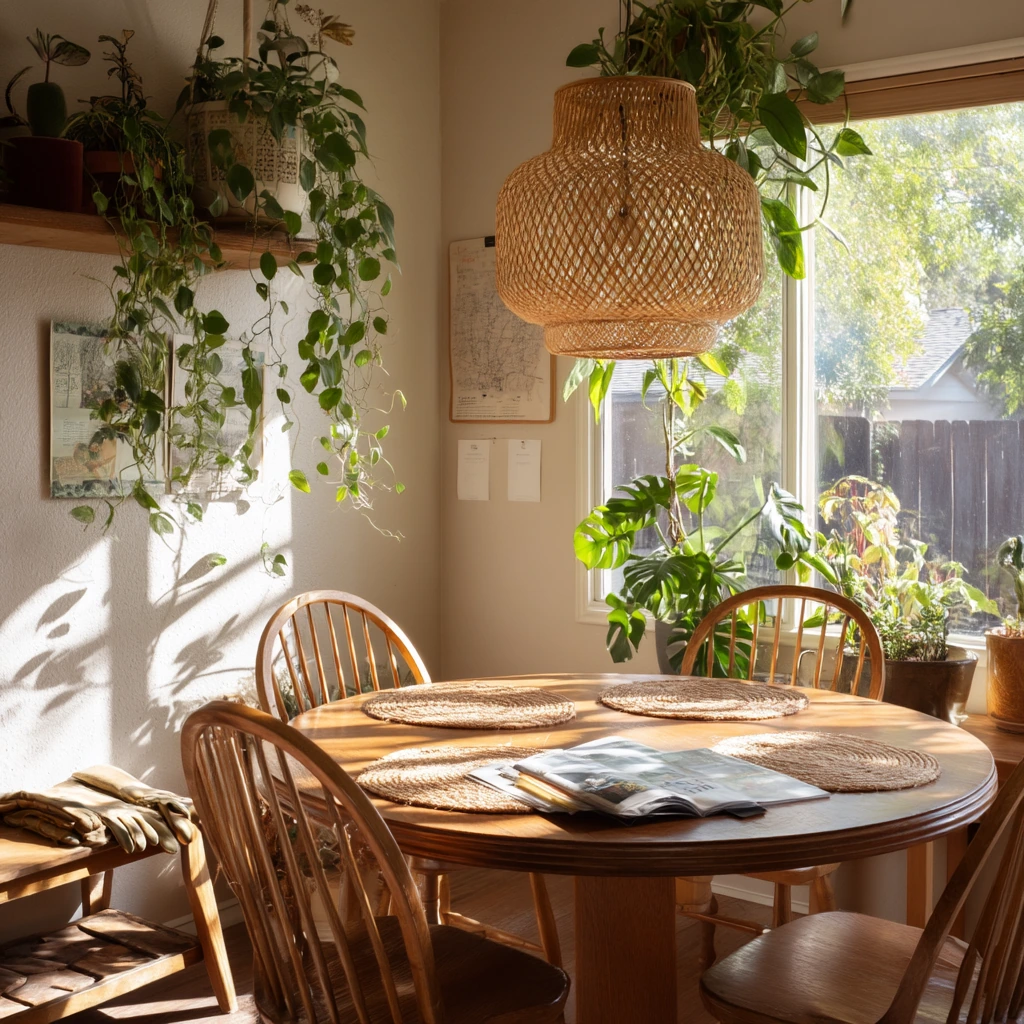
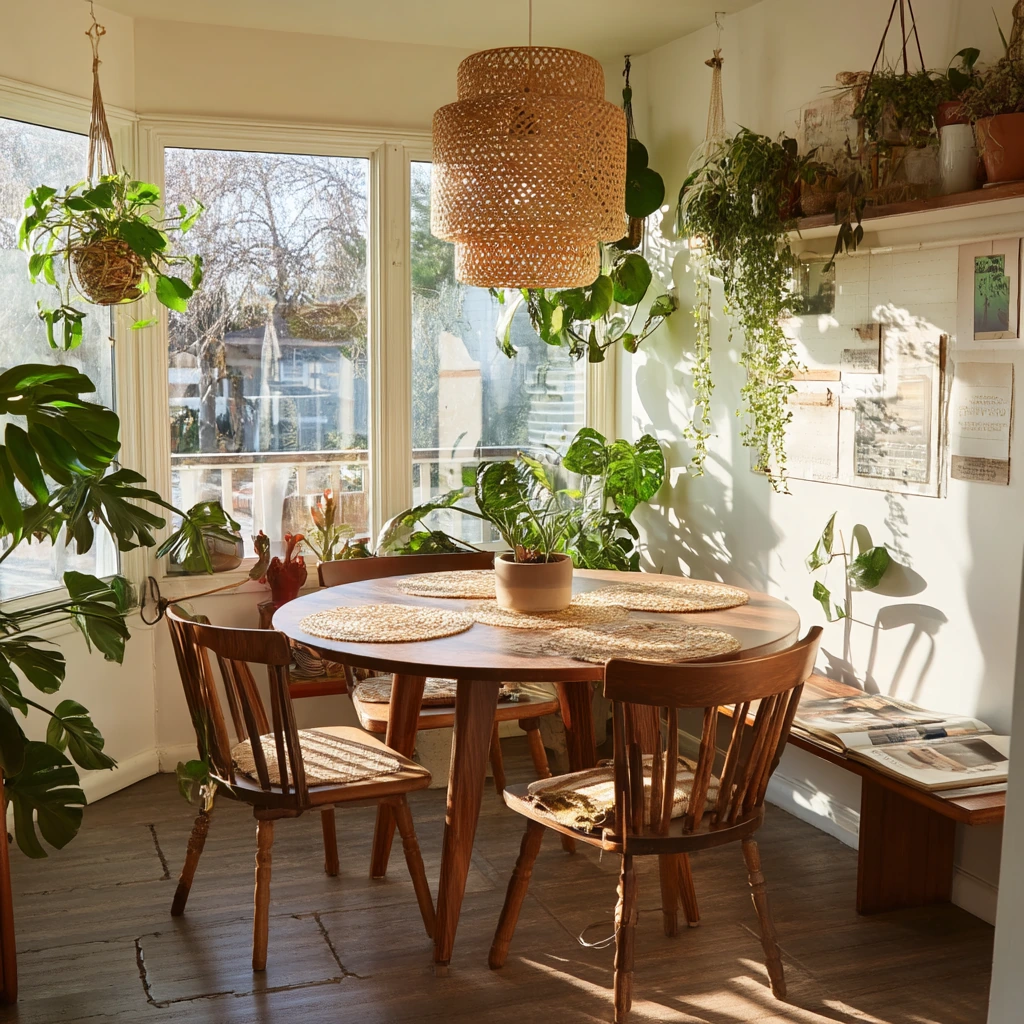
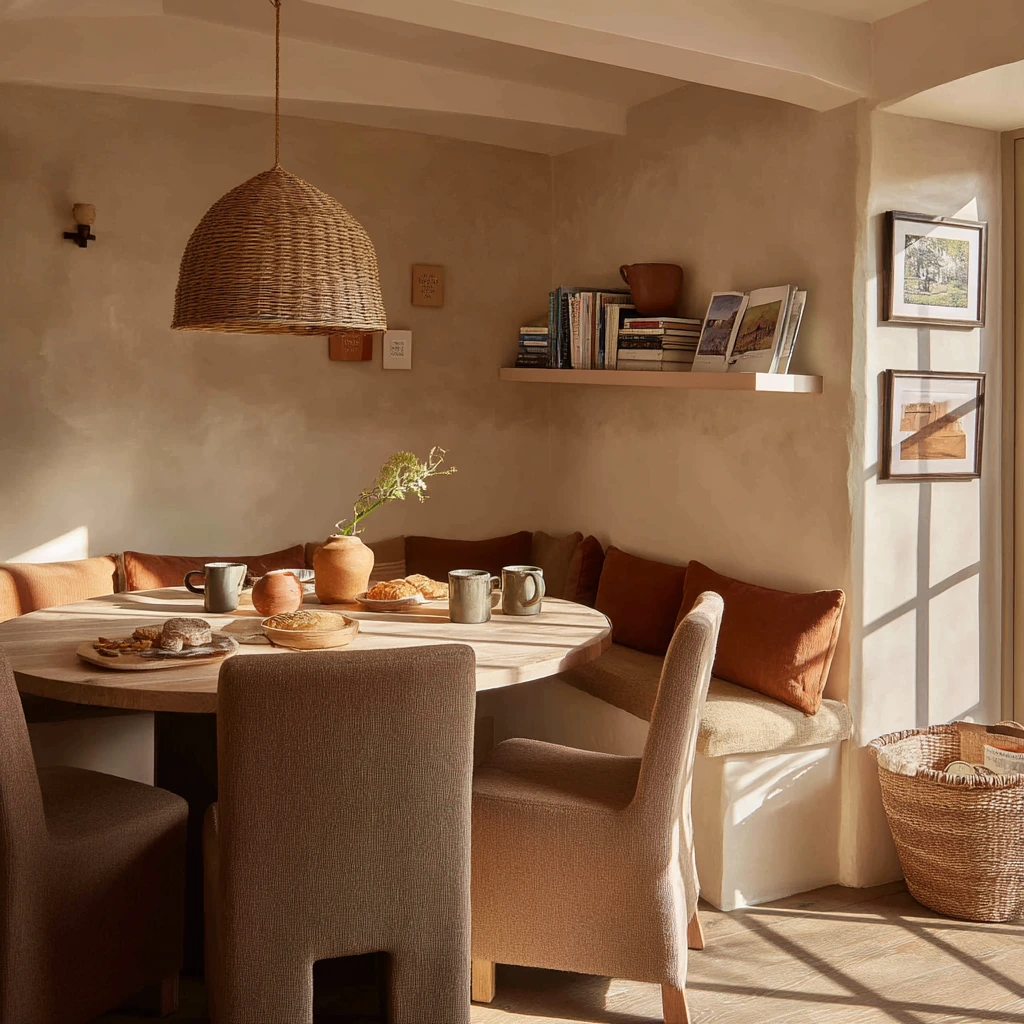
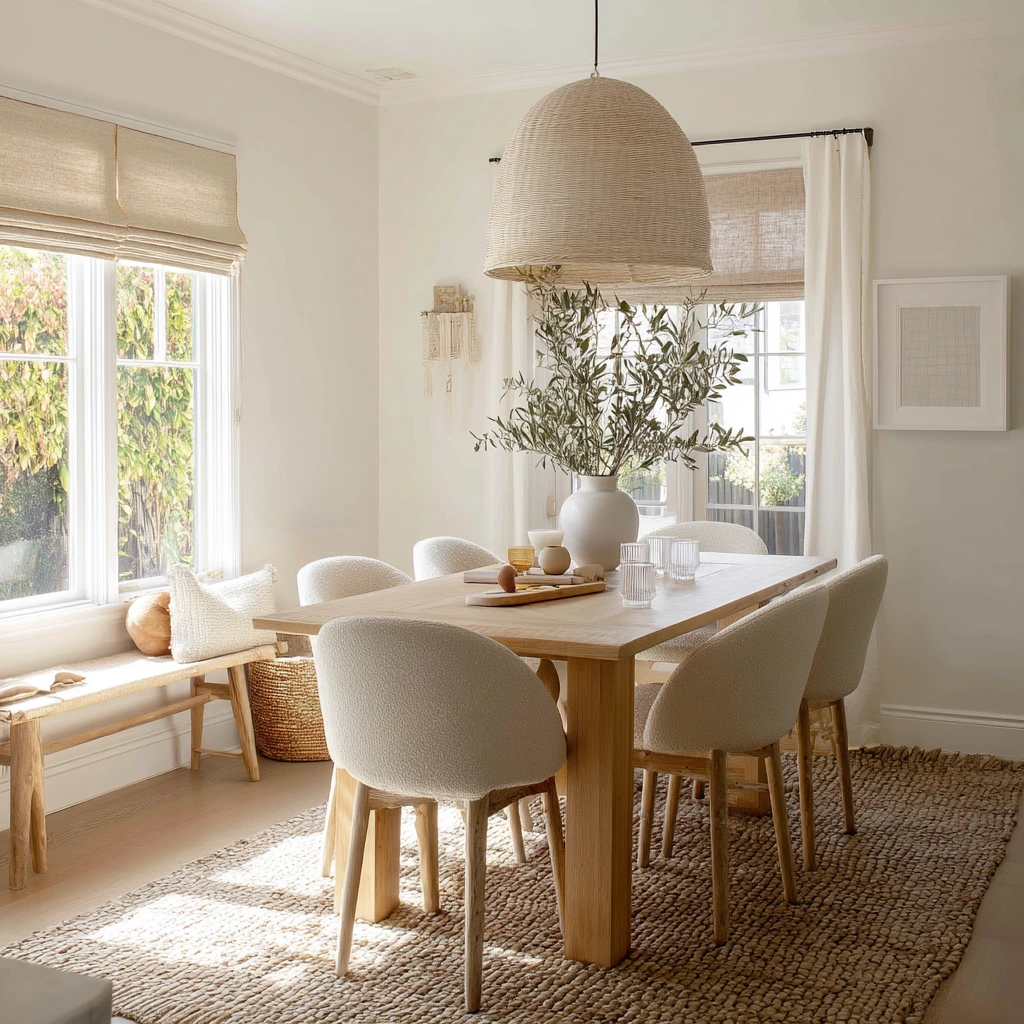
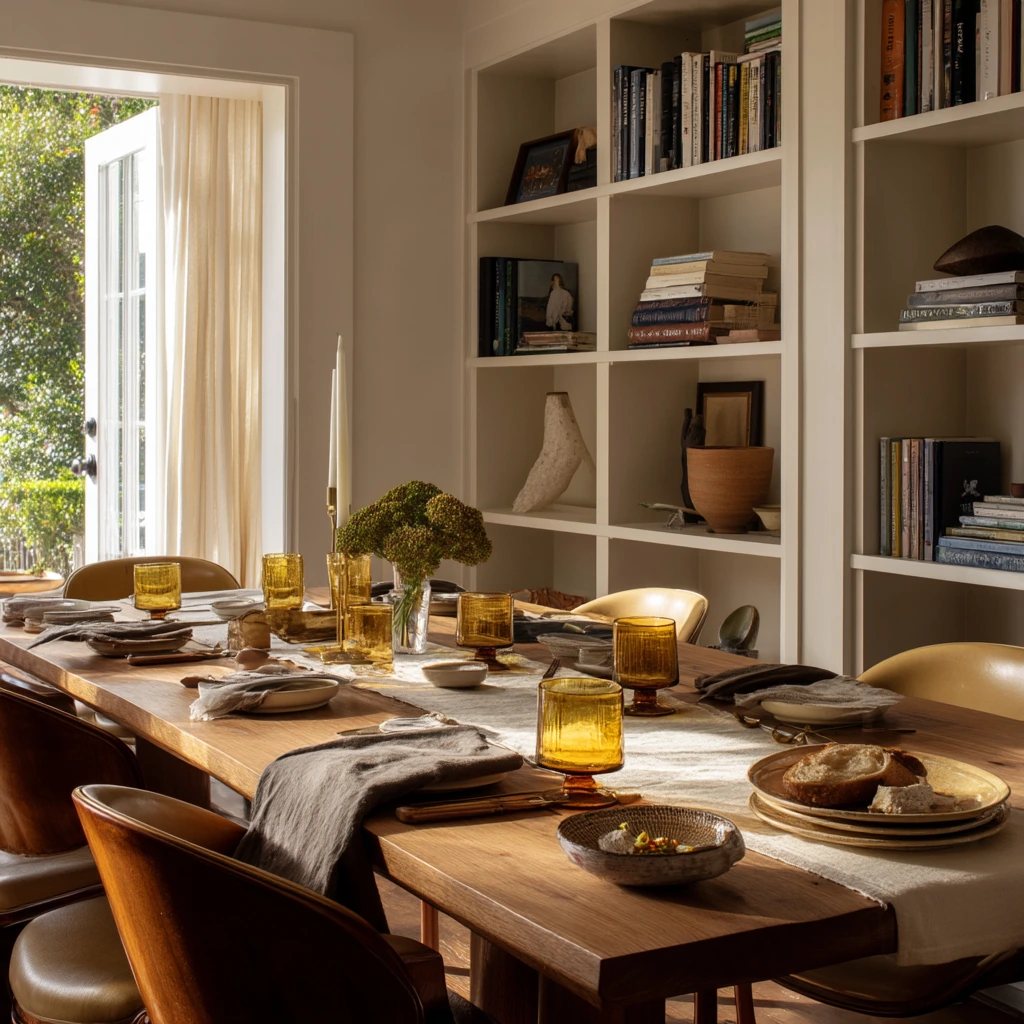
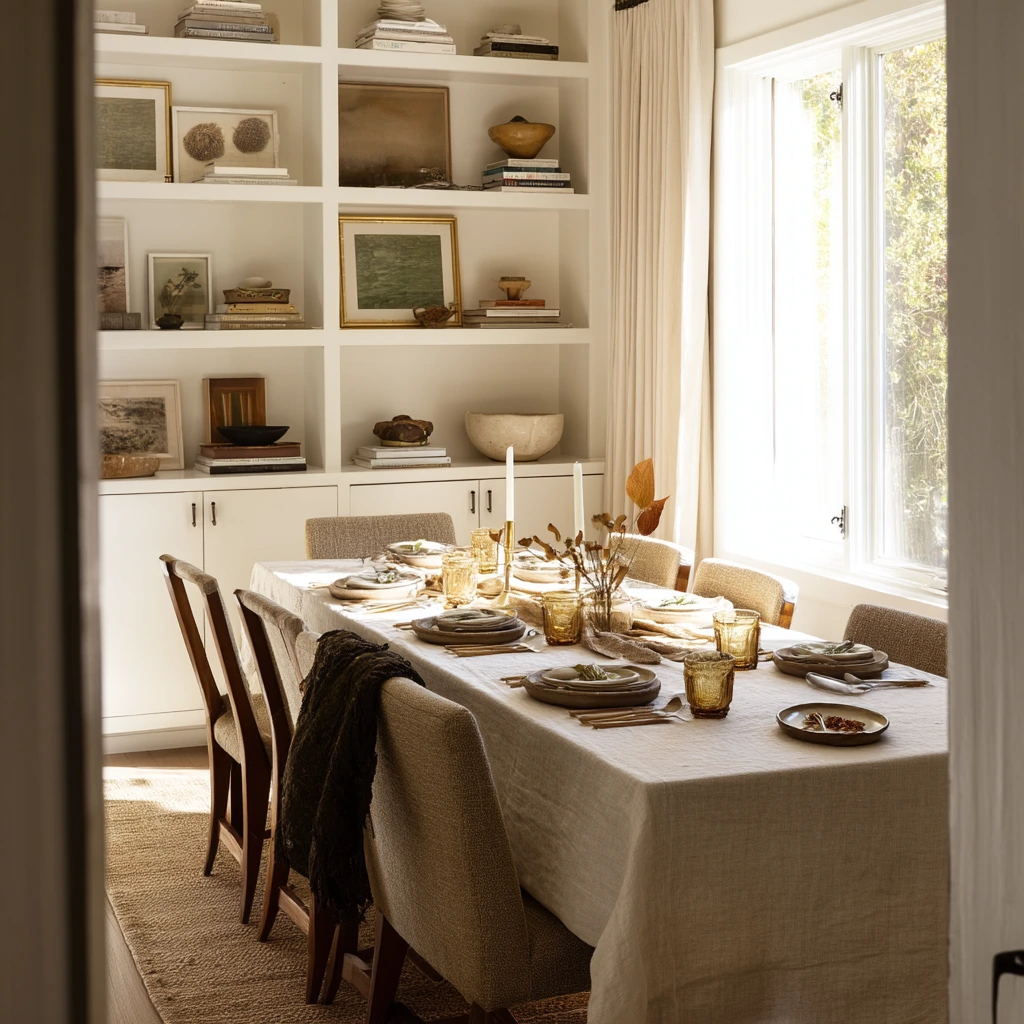
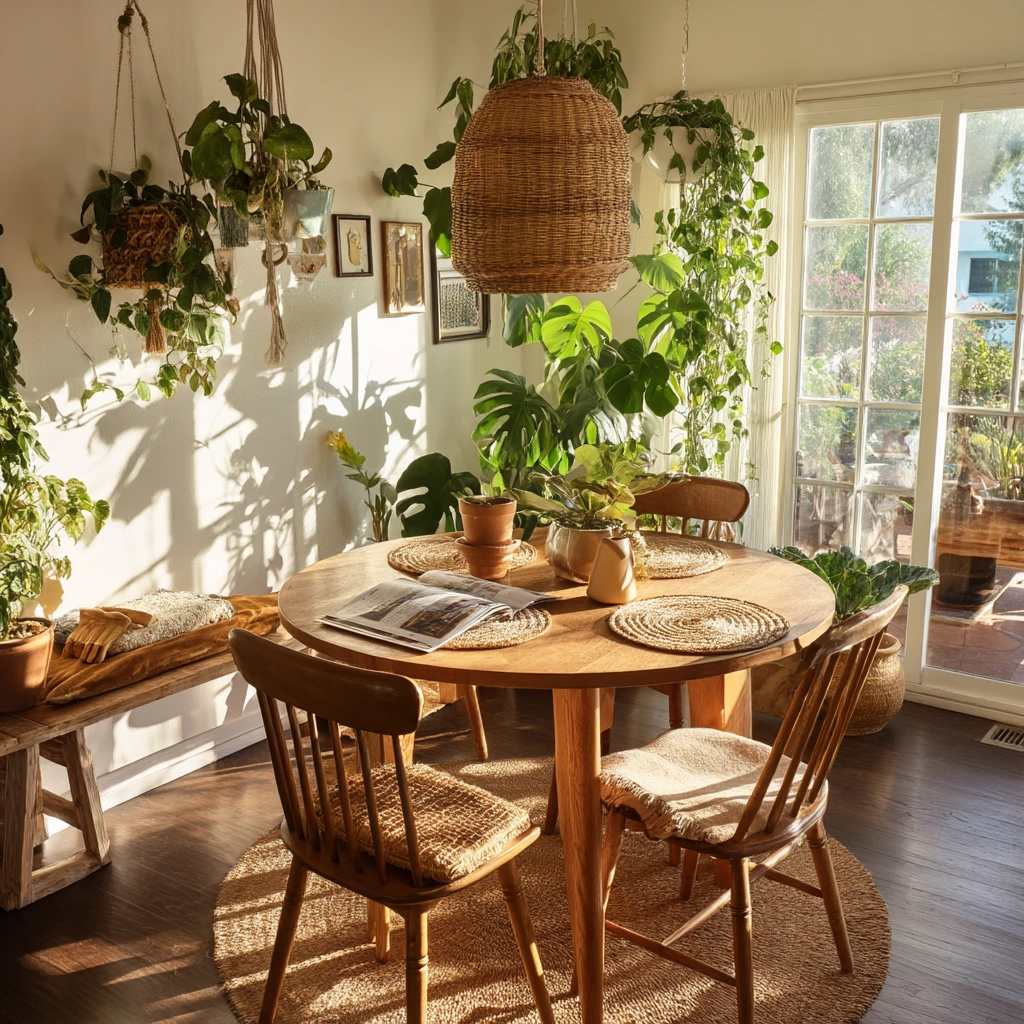
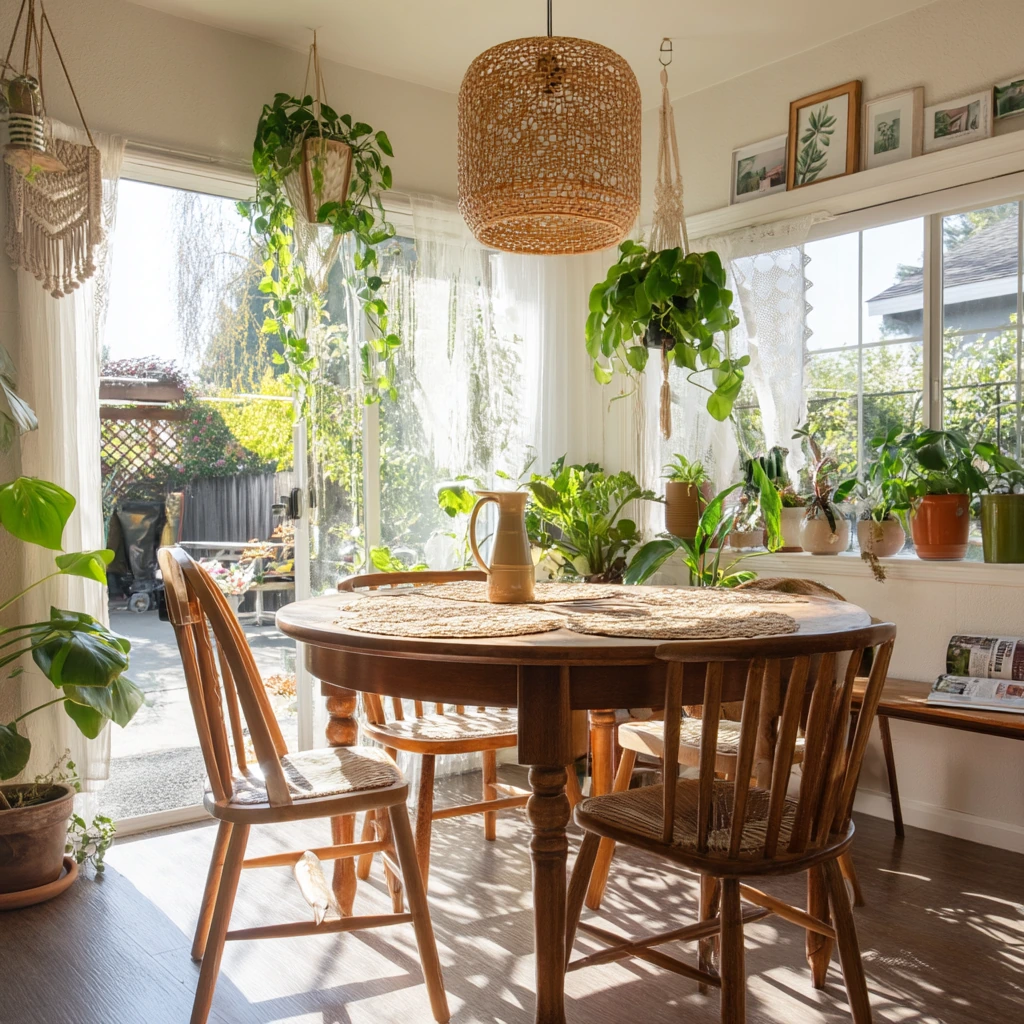
A sun-drenched 70s dining room with houseplants everywhere feels airy and calm. Start with a round wood table and spindle chairs for a simple base. Then bring in natural textures like a rattan pendant and cork placemats. These materials look right for the decade and also make the room feel relaxed.
Layer plants at different heights to create depth. Use a macramé hanger near the window, a few pots on the floor, and one plant on a shelf or bench. When the sun hits, plant shadows moving across the wall become part of the look. Add a watering can by the window and gardening gloves on a bench to keep the space honest and lived-in.
For styling, keep the table clear enough for daily use. Place one open magazine and a small bowl or tray for keys if this is a pass-through room. Choose pots in warm neutrals like terracotta, cream, and brown to match the 70s palette. If the room starts to feel busy, edit by grouping plants in pairs and leaving one corner empty.
- Use cork placemats to add texture and protect the table.
- Hang one plant in a macramé holder to bring the eye up.
- Choose a rattan pendant for warm, soft light in daytime and night.
- Group plants in clusters so the room feels styled, not crowded.
- Keep one bench or ledge for tools, a magazine, or a small tray.
Pro Design Tip: Use the same pot finish in at least three places so the plant collection feels cohesive.
Budget Considerations: Rattan pendants can be found secondhand; if needed, use a basic shade and add a plug-in swag kit to avoid electrical work.
7 Wood Panel Warmth
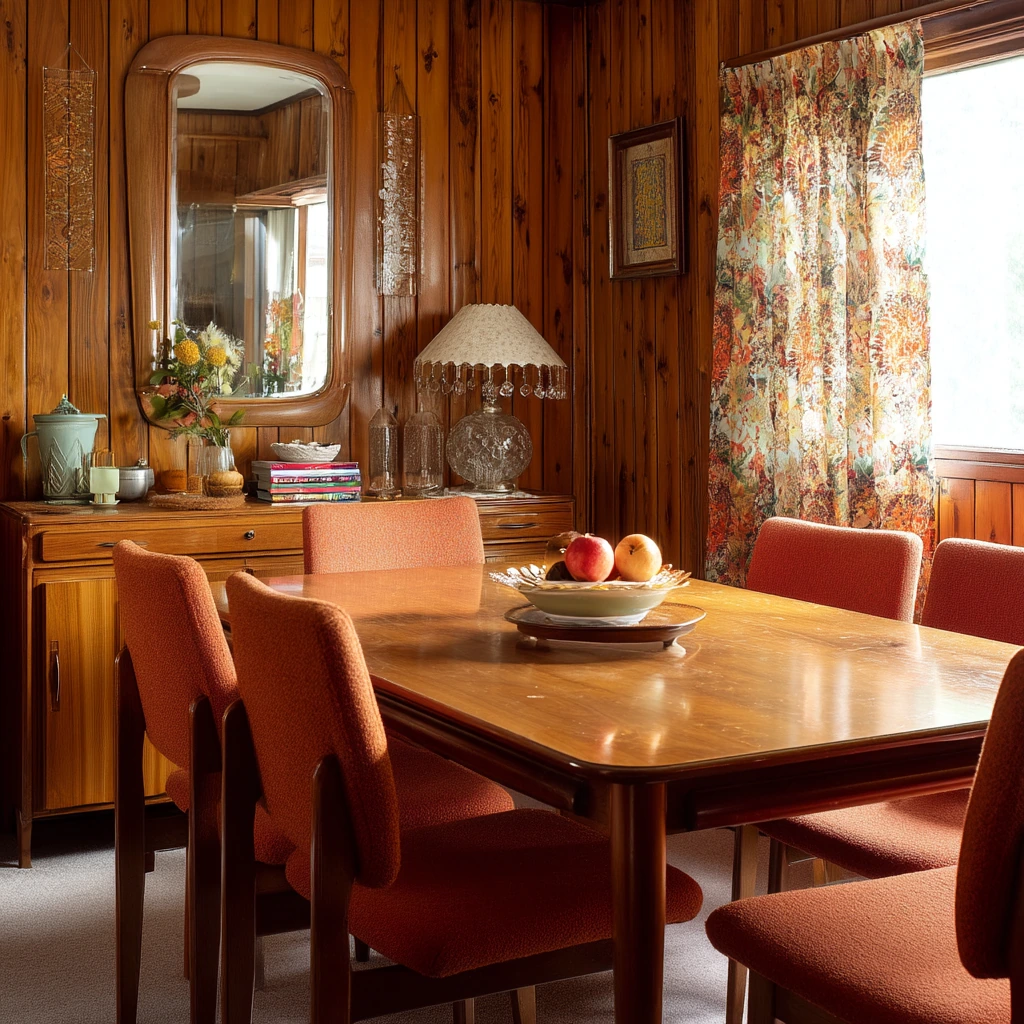
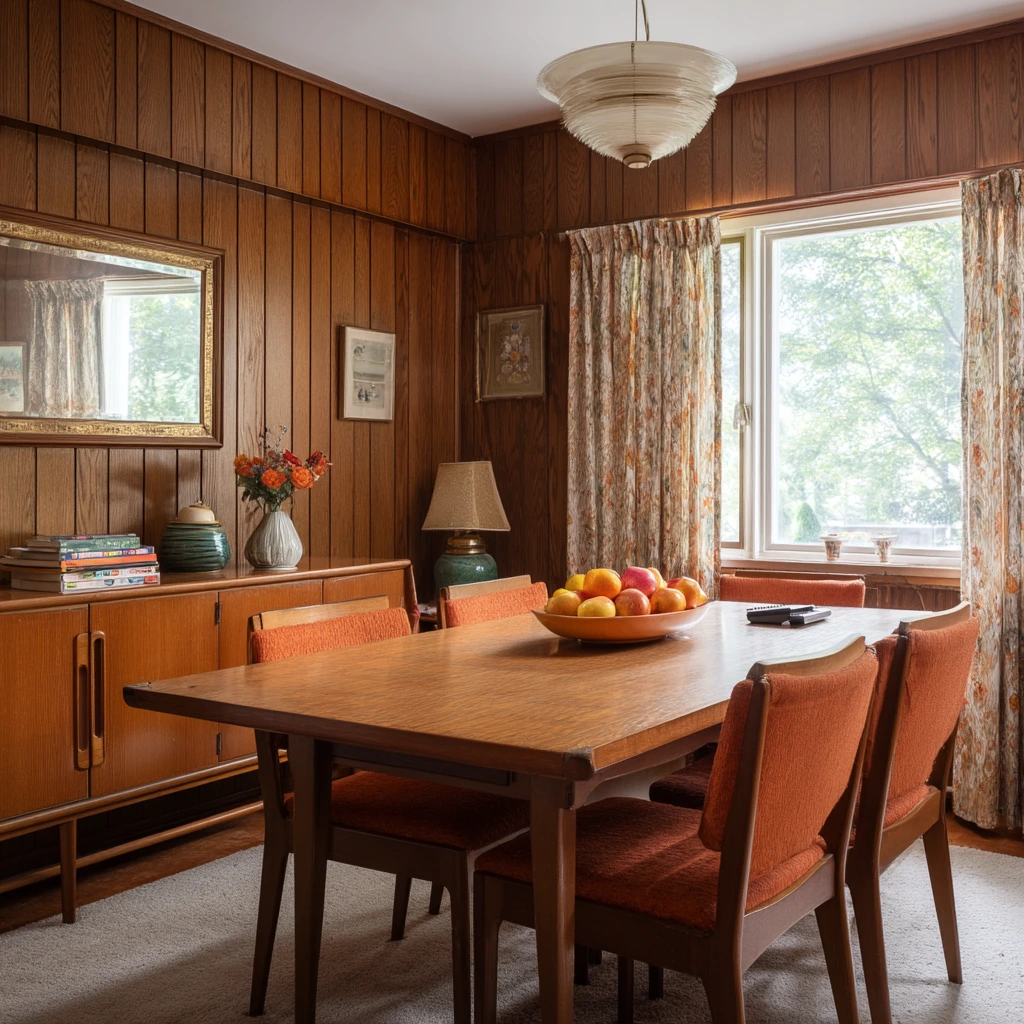
A classic 70s dining room often starts with rich wood paneling. Instead of fighting it, make it the feature. Pair it with a rectangular oak table and burnt orange upholstered chairs. This combination feels grounded and familiar, and it works well with soft afternoon window light.
Add a smoked mirror to bounce light around the room without looking modern. A ceramic lamp on the sideboard gives you a second light source for evenings. Use patterned curtains to add movement, but keep the colors tied to the chair fabric or the wood tones so the room does not feel too busy.
To keep the space believable, style in layers that match family life. A stack of board games on the sideboard is both storage and decor. A chipped bowl of apples looks more real than perfect fruit. Even a remote control on the sideboard can stay out if you place it in a small tray. The goal is a mellow, nostalgic space that still works day to day.
- Let wood paneling shine by using warm, simple accessories.
- Choose burnt orange chairs to bring in a true 70s color note.
- Add a smoked mirror to reflect light and soften the wall.
- Use a ceramic lamp with a warm shade for evening comfort.
- Store board games in sight to make the room feel family-friendly.
Pro Design Tip: Balance heavy wood walls with lighter textiles like cream curtains or a pale table runner to keep the room from feeling dark.
Budget Considerations: Reupholstering chairs can add up; use fitted chair covers in a rust tone until you can upgrade.
8 Breakfast-to-Dinner Multipurpose Space
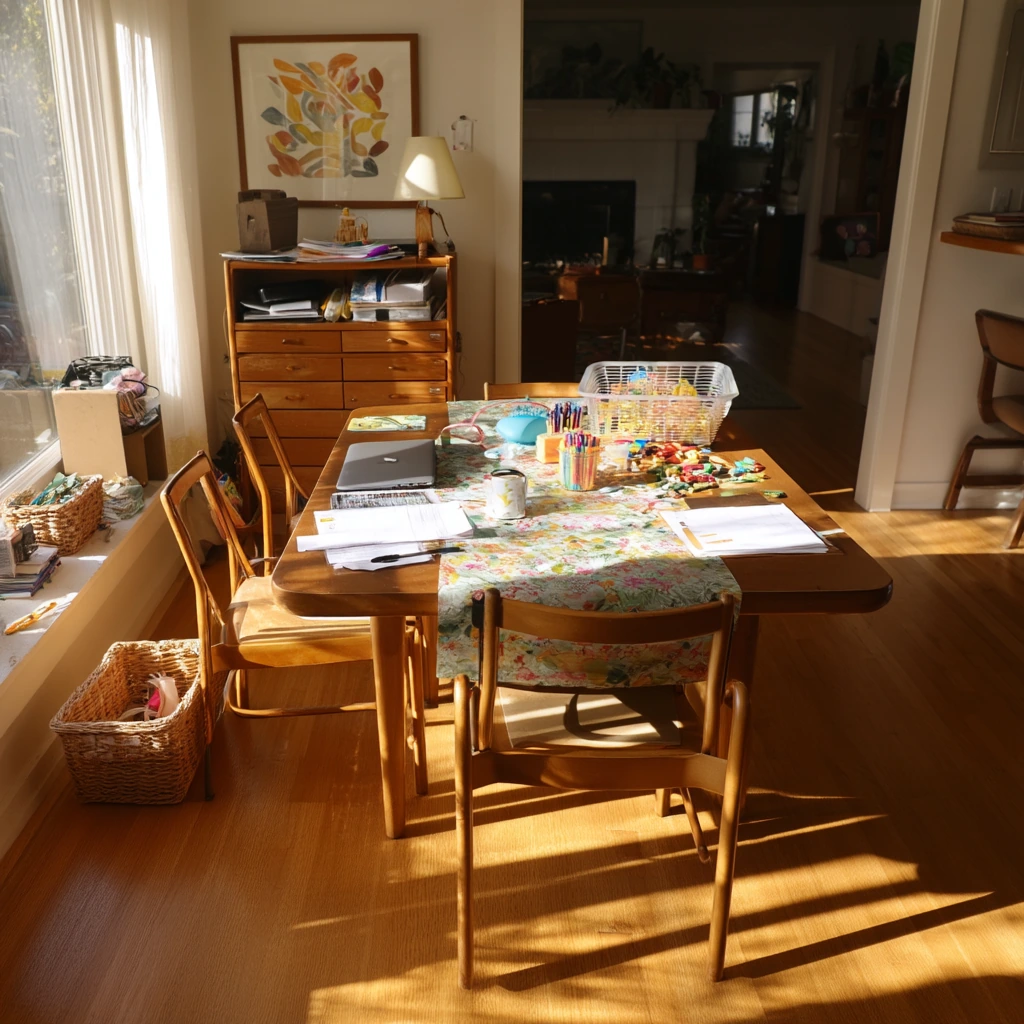
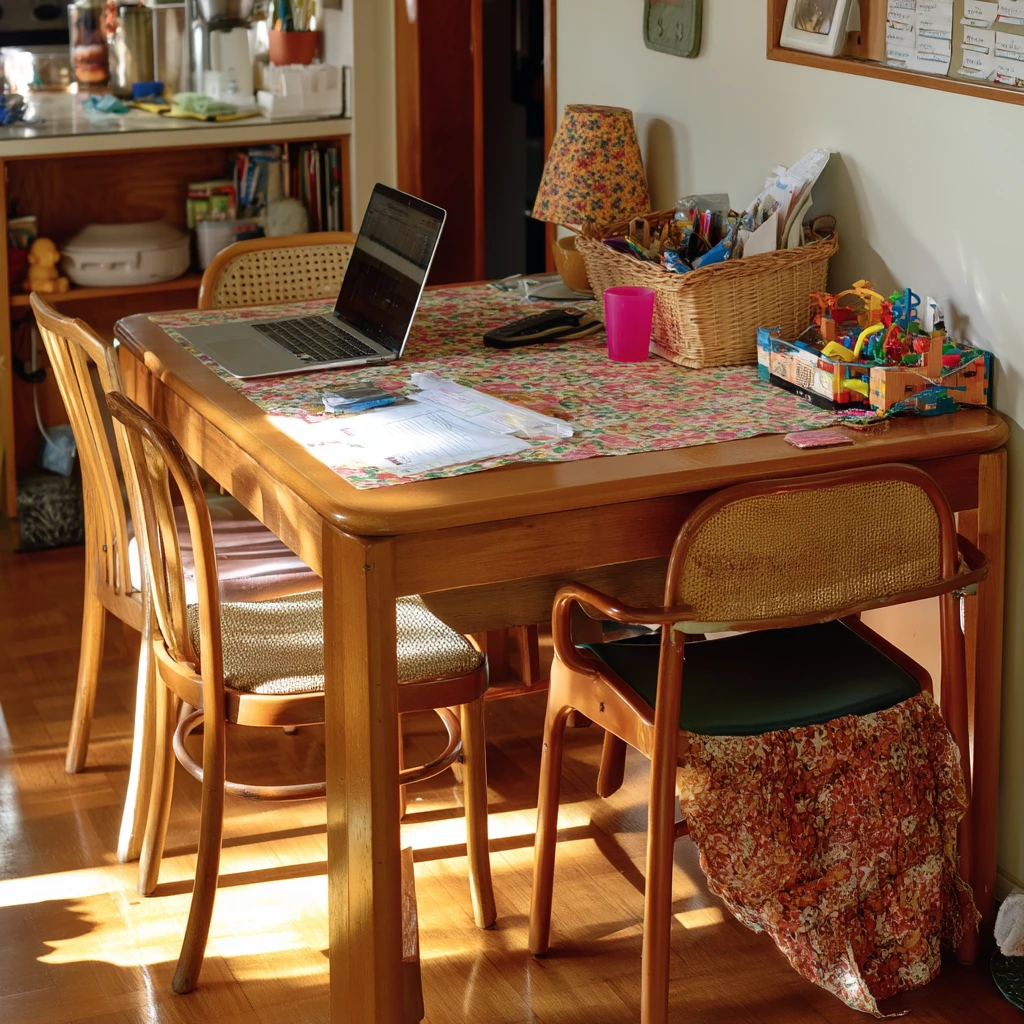
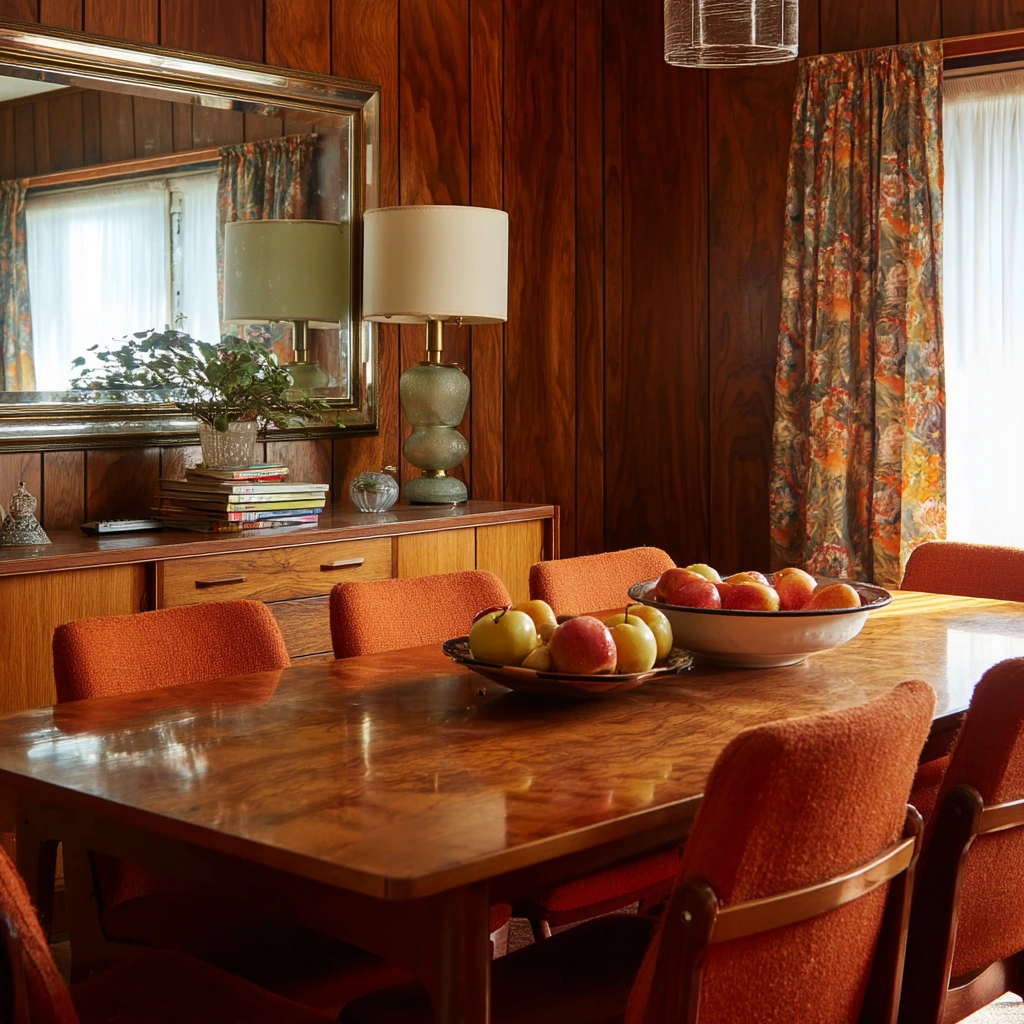
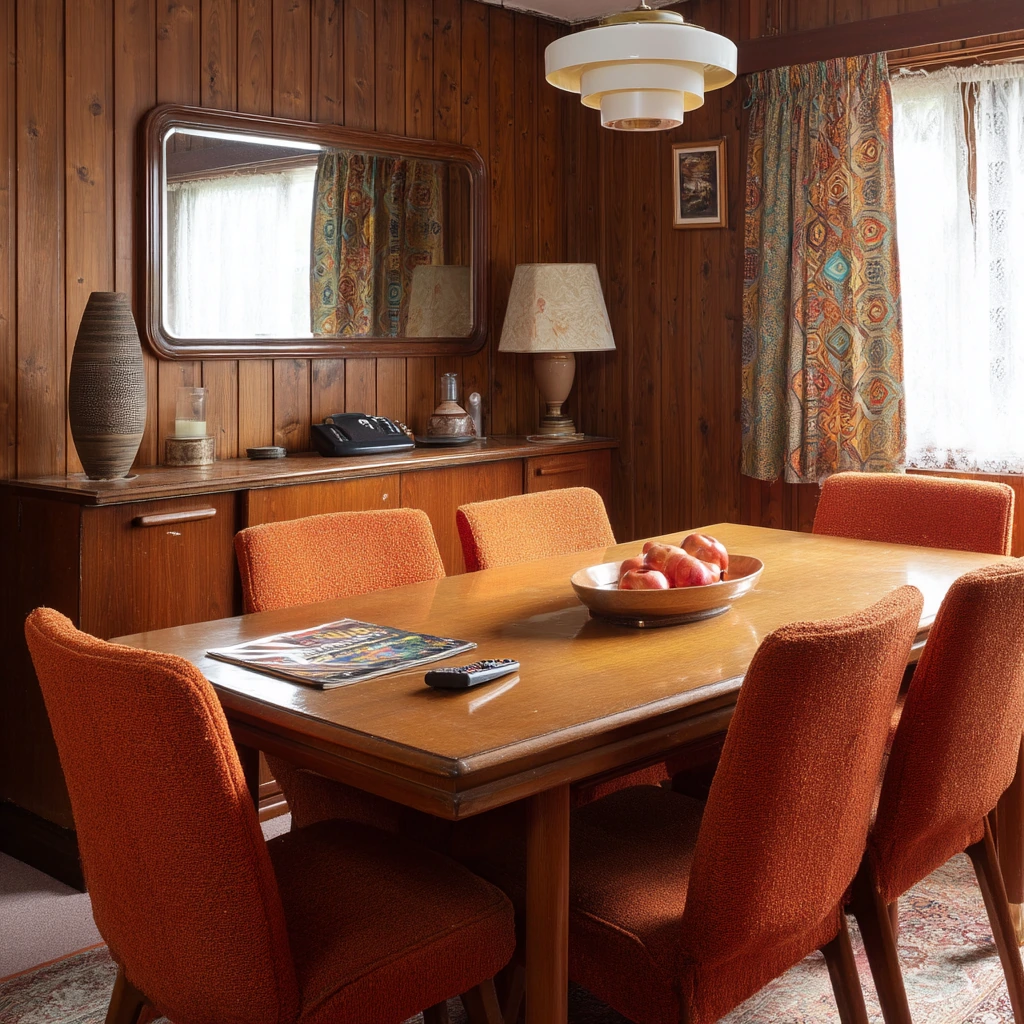
A multi-use 70s dining room in a busy household needs flexibility. An extendable teak table is ideal because it shifts from daily meals to projects and guests. Bentwood chairs add a vintage curve and are easy to move around when the table changes size.
Instead of hiding real life, plan for it. Homework papers, a laptop charger, and a toddler cup can live on the table if you create small zones. Use a tray for office items and a basket for kid supplies. A floral tablecloth pulled back at one corner feels true to the 70s and also makes cleanup easier.
Lighting matters when a room does many jobs. Add a small ceramic lamp for early mornings and cloudy days. Let gentle morning light shift across the floor and keep the rest of the decor simple. A woven basket of toys near the wall keeps the space from turning into a pile. With a few systems, the room stays functional, slightly imperfect, and still stylish.
- Pick an extendable table to handle guests and daily life.
- Use trays to corral chargers, pens, and loose papers.
- Add a floral tablecloth for a 70s look and easy cleanup.
- Keep a toy basket near the dining area to prevent clutter spread.
- Use a small lamp to support tasks when daylight is low.
Pro Design Tip: Create a daily reset spot, like a basket on the sideboard, so the table can be cleared in five minutes.
Budget Considerations: If an extendable teak table is too expensive, look for a simple used table and add a drop-leaf cart as extra surface when needed.
9 Mid-Century Meets 70s Eclectic
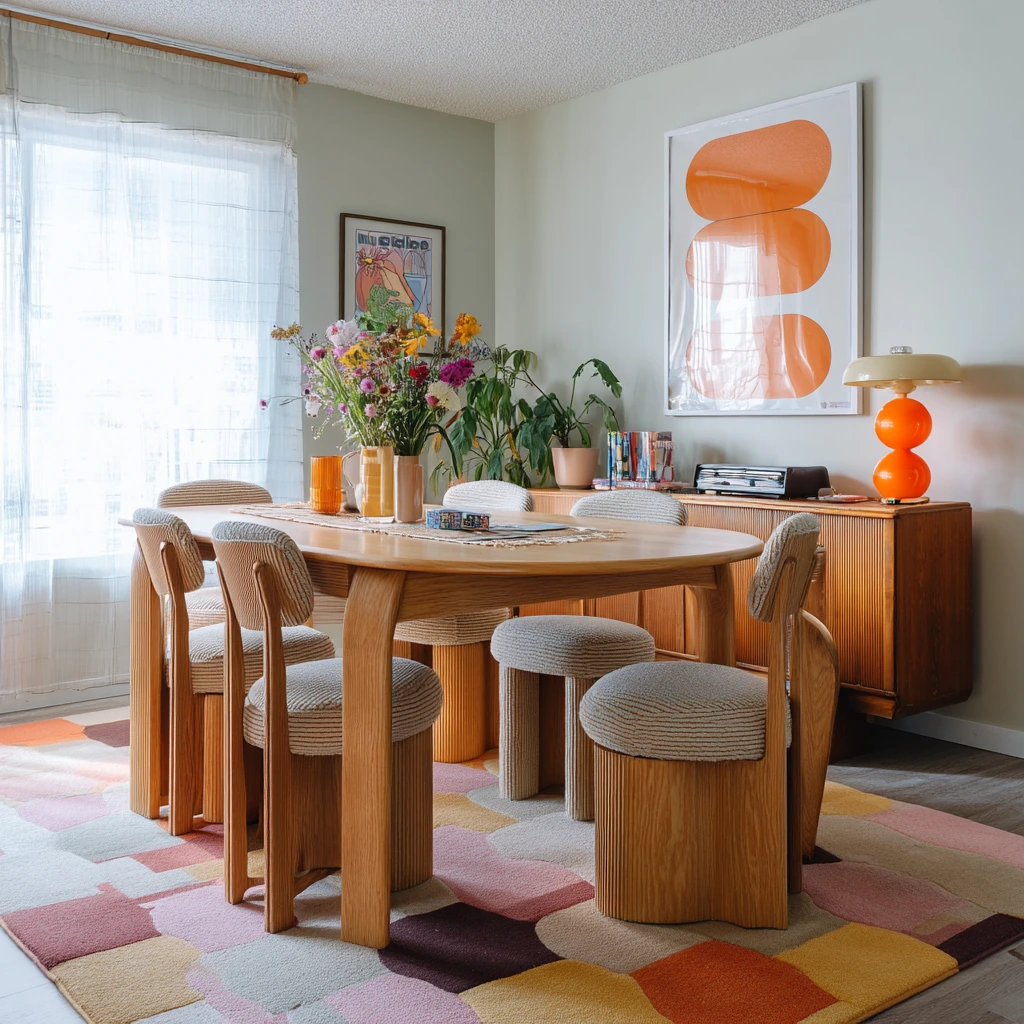
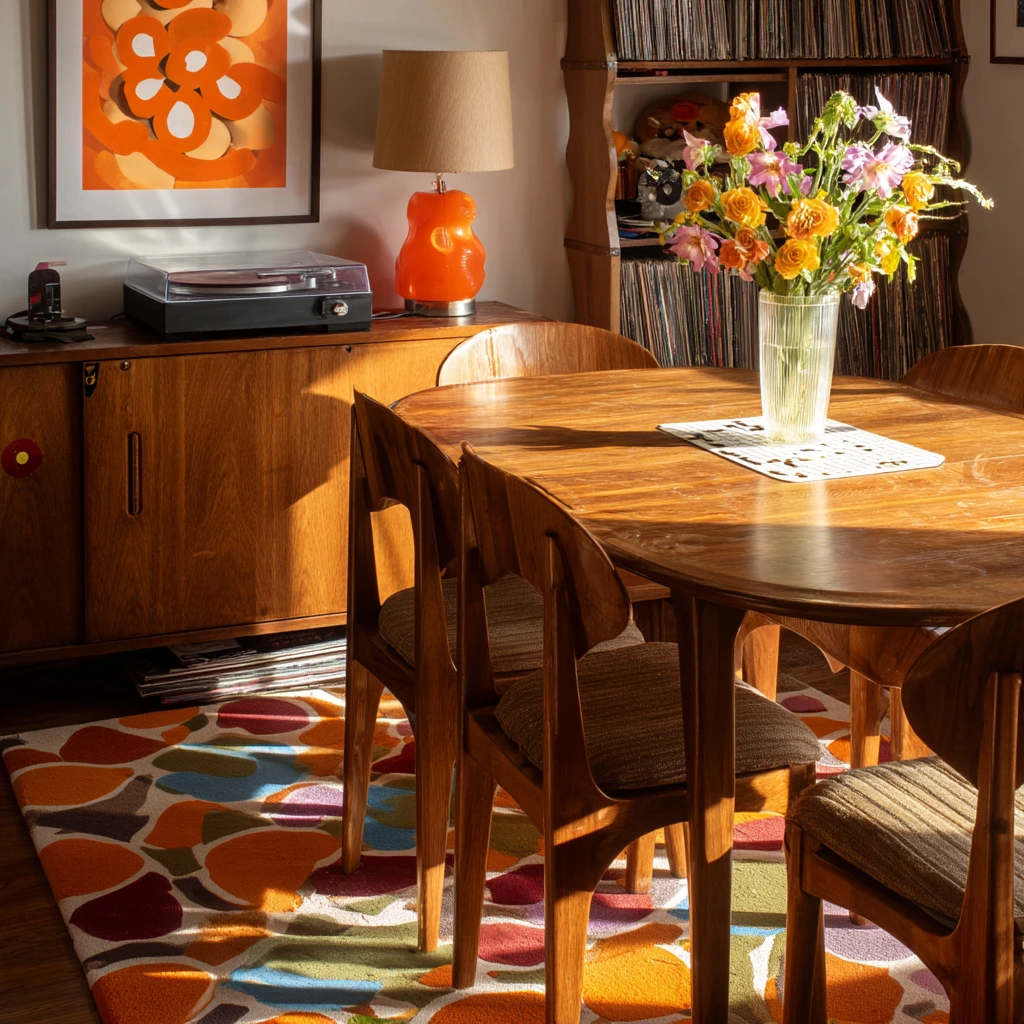
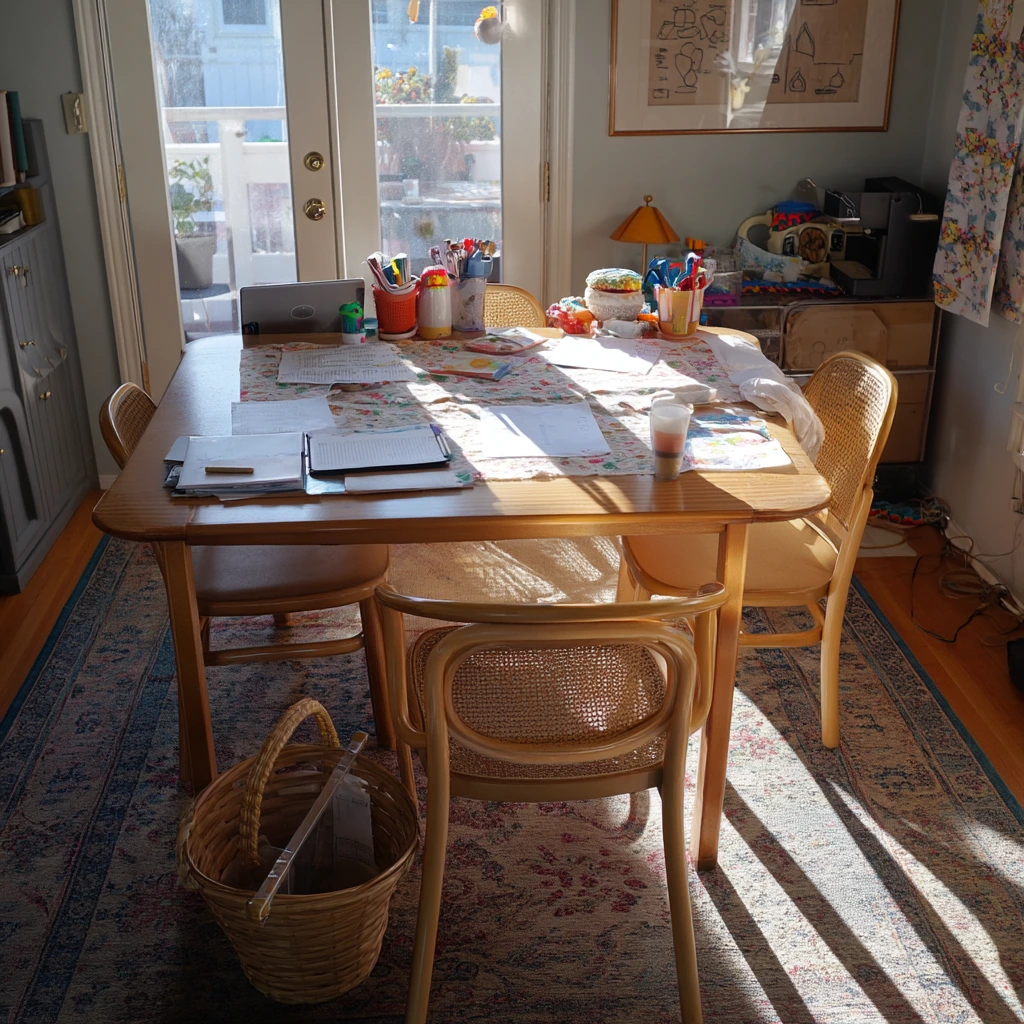
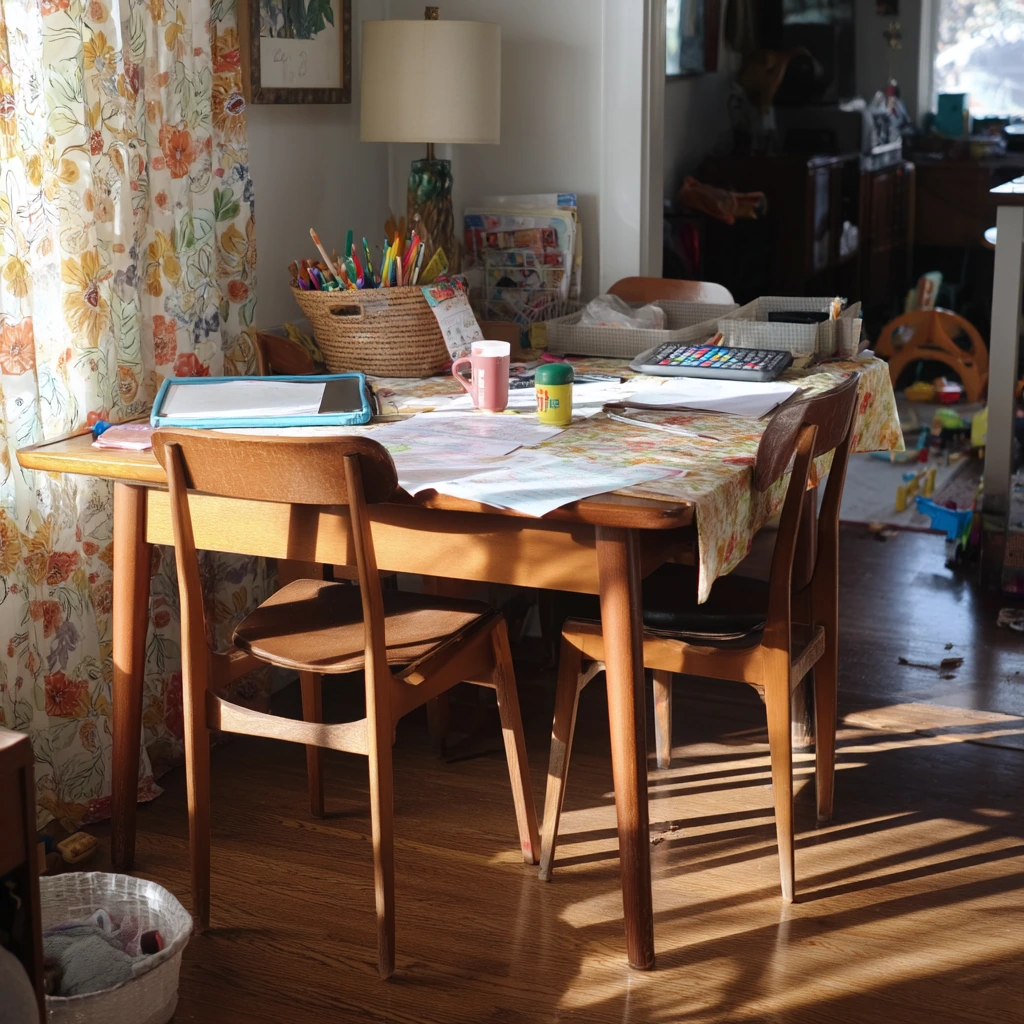
An eclectic 70s dining room can blend mid-century overlap with playful items. Start with an oval wood table for a softer shape than a rectangle. Pair it with ribbed dining chairs to bring in texture. Then anchor the room with a graphic rug that pulls your main colors together.
Add bold accents in a controlled way. An orange art print gives you a clear focal point, and a lava lamp on a credenza adds a fun nod to the decade without taking over. Keep a stack of vinyl records nearby, since music is part of the mood. A warm lamp glow mixed with soft window spill creates depth and makes the layered styling feel cozy.
Make it feel like someone lives there by adding one “in progress” detail, like an unfinished crossword on the table. Fresh flowers in a squat vase add life and break up the heavier tones. If the room starts to feel too busy, limit the color palette to two main colors plus wood. Let the textures, ribbing, rug pattern, and glass, do the rest.
- Use a graphic rug to set the color palette and define the dining zone.
- Choose one bold wall art piece, like an orange print, as a focal point.
- Add a lava lamp for a small, playful 70s detail.
- Style the credenza with vinyl records and one stack of books.
- Use a low flower arrangement so the table stays functional.
Pro Design Tip: Repeat one shape, like ovals or curves, across the table, rug pattern, and decor to make eclectic pieces feel connected.
Budget Considerations: Graphic rugs can be costly; try a flatweave or a smaller vintage-style rug layered over a neutral base.
10 Quiet Sunday Brunch Room
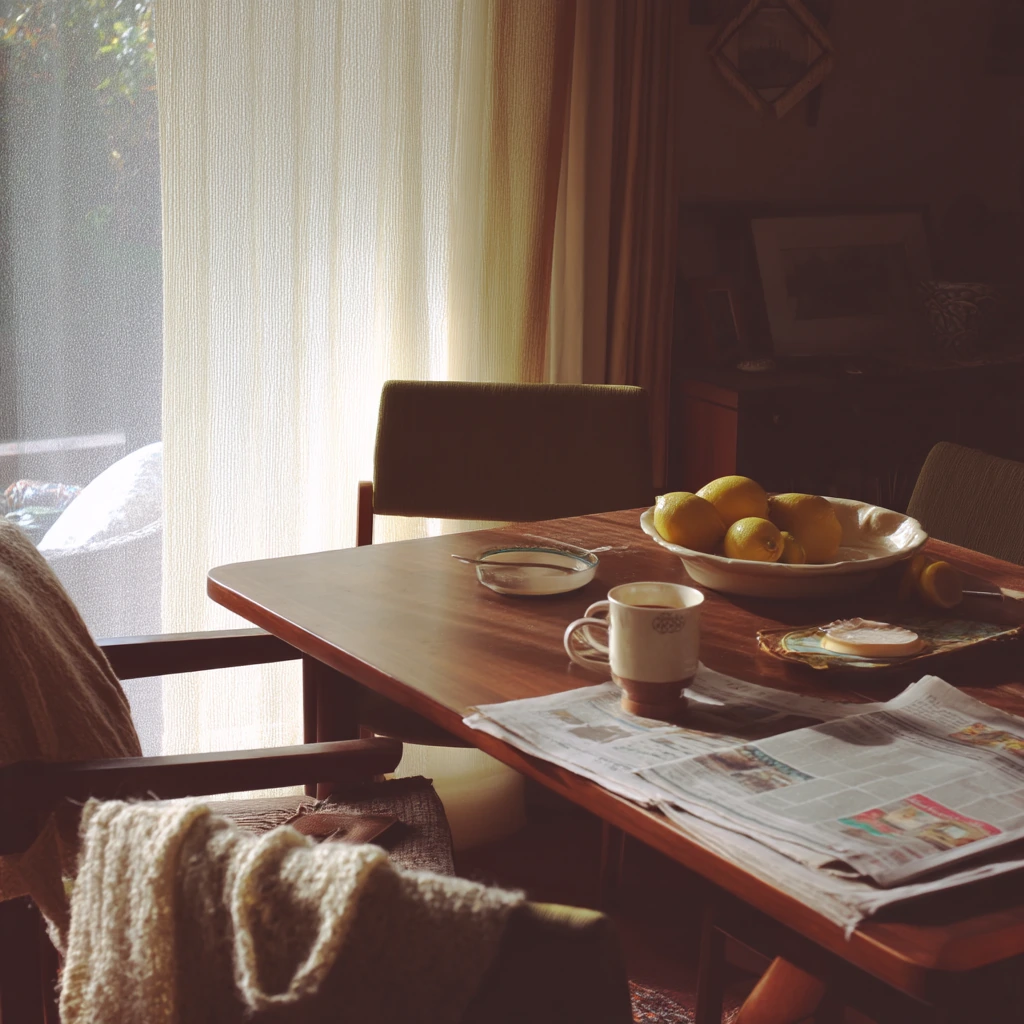
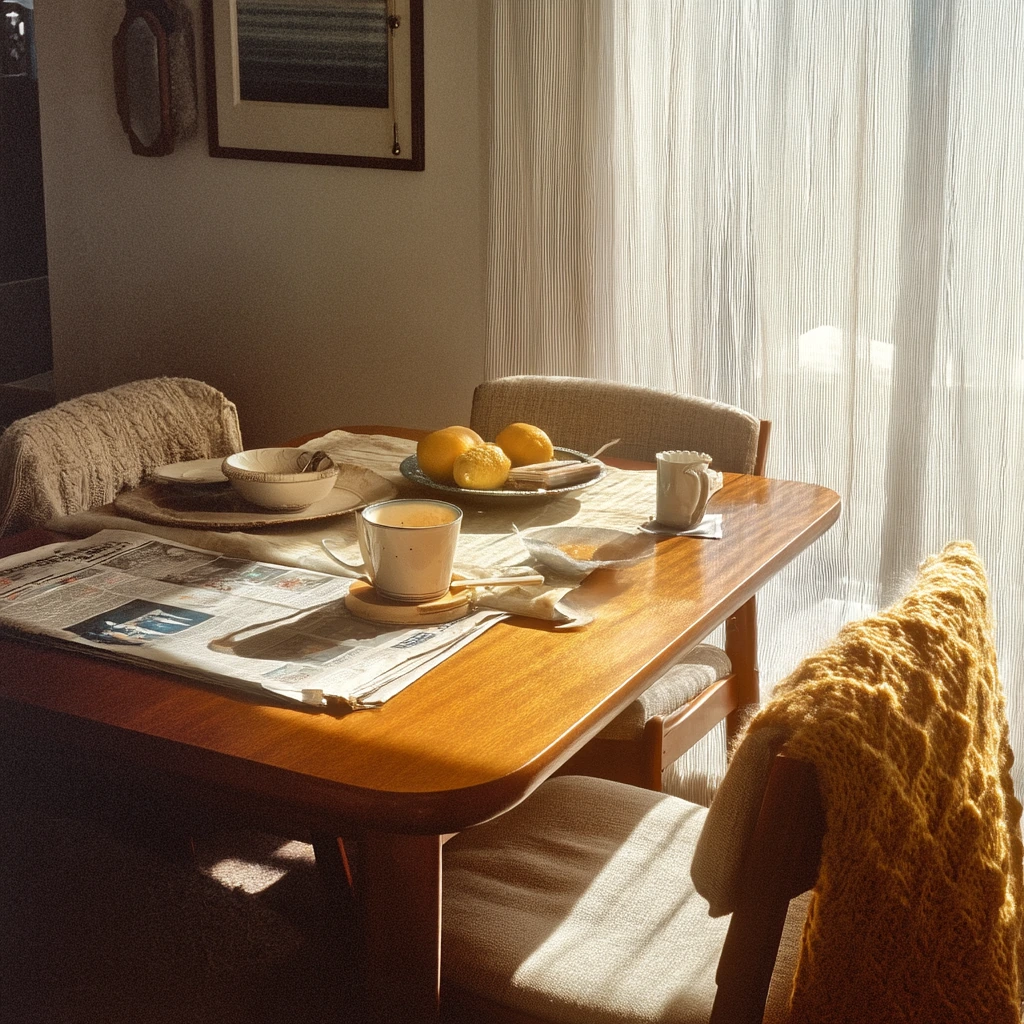
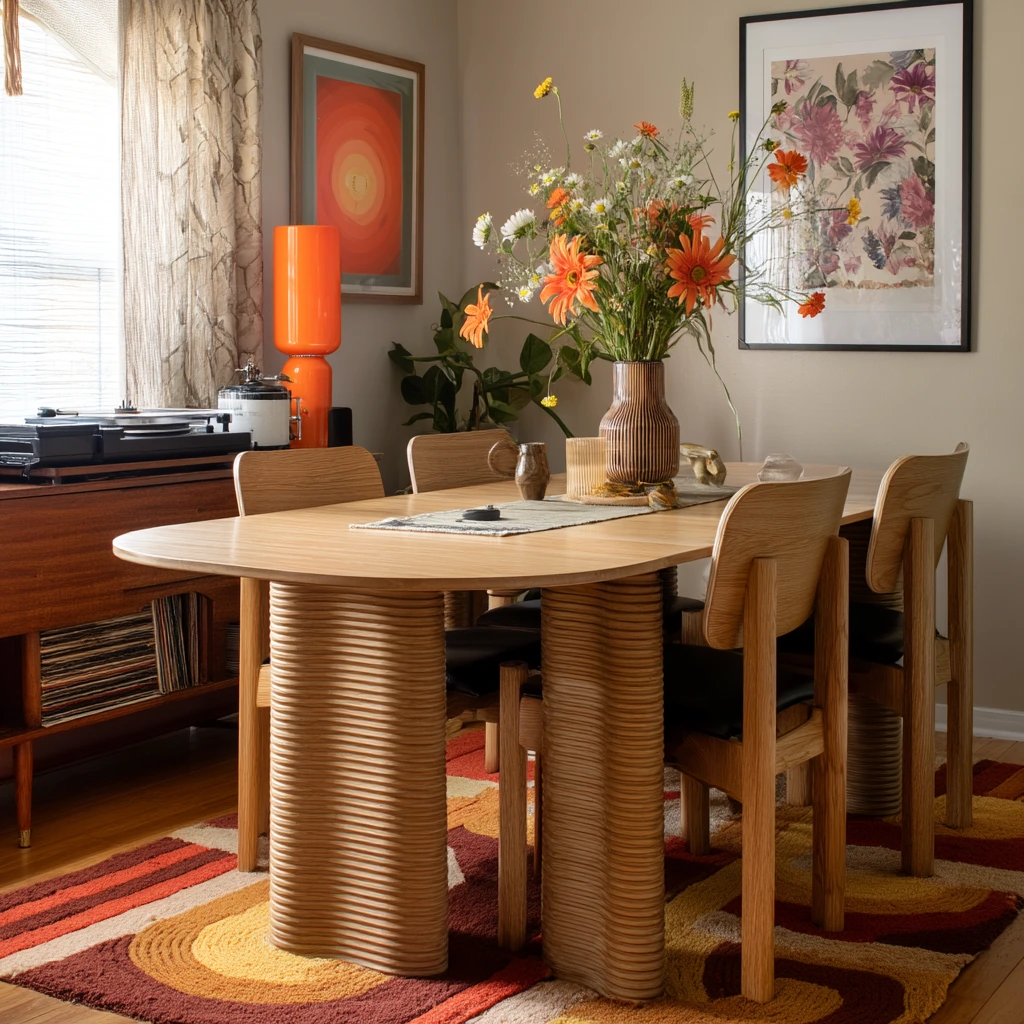
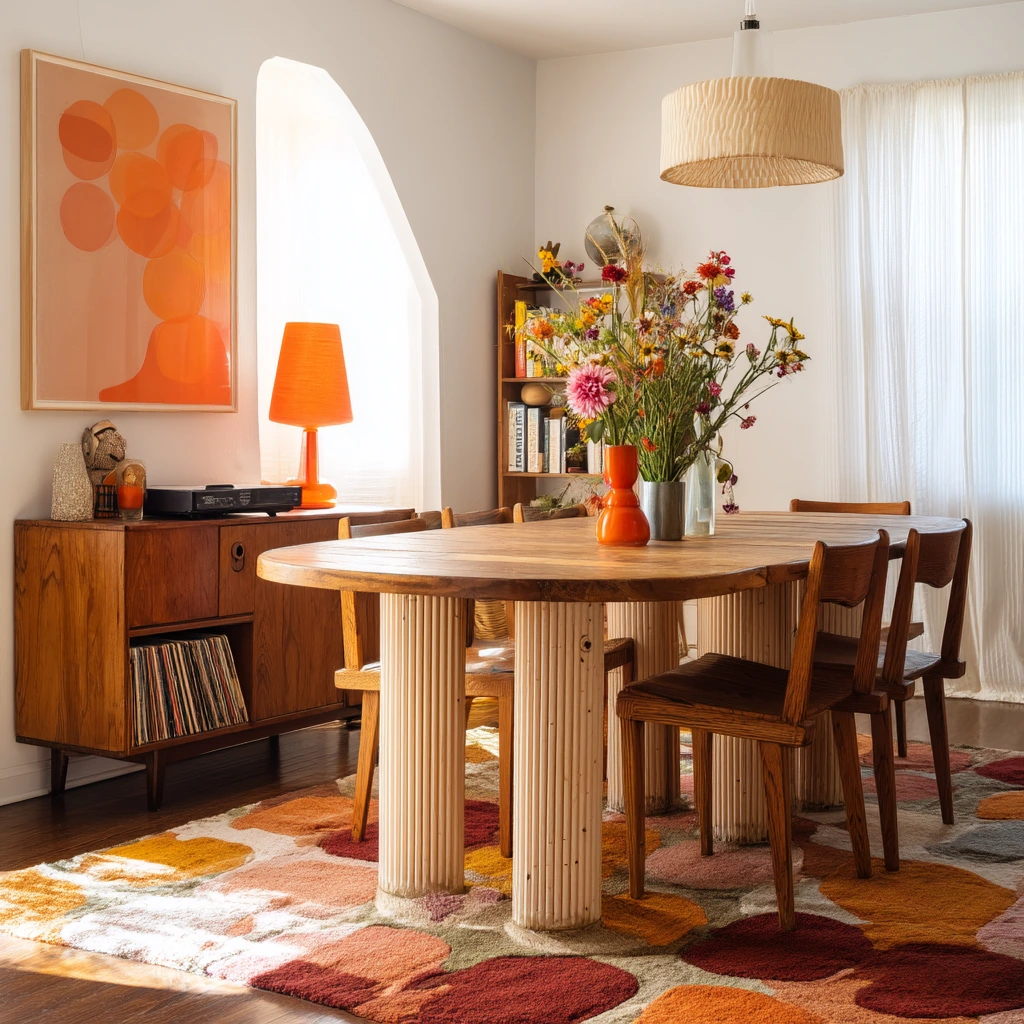
A quiet 70s dining room on a Sunday morning is simple and soft. Use a square teak table to create a steady, grounded look. Cushioned chairs keep it comfortable for long coffee time, and cream ceramic dishes add a calm, clean contrast to the wood tone.
Style it like a real morning. Leave a newspaper on the table, a half-drunk coffee nearby, and a lemon on a cutting board for a small hit of color. Add a knitted throw over one chair to bring warmth and texture. Soft curtains moving in window light help the room feel peaceful without needing extra decor.
Keep the color palette light, teak, cream, and a little yellow from citrus. If you want more 70s character, add one retro element like a small amber glass dish or a simple ceramic vase. The goal is a homey, honest moment that still photographs well for Pinterest, with natural perspective and easy details readers can copy.
- Use cream dishes to brighten teak and keep the look calm.
- Add one citrus accent like a lemon for gentle color.
- Keep a throw on a chair for texture and comfort.
- Choose soft curtains to filter light and reduce glare.
- Limit tabletop items to three or four so it stays restful.
Pro Design Tip: Use one small amber glass piece to warm up neutral dishes and tie the room back to the 70s.
Budget Considerations: Thrift stores often have cream stoneware and small amber glass pieces for low cost, and they mix well even if sets are not complete.
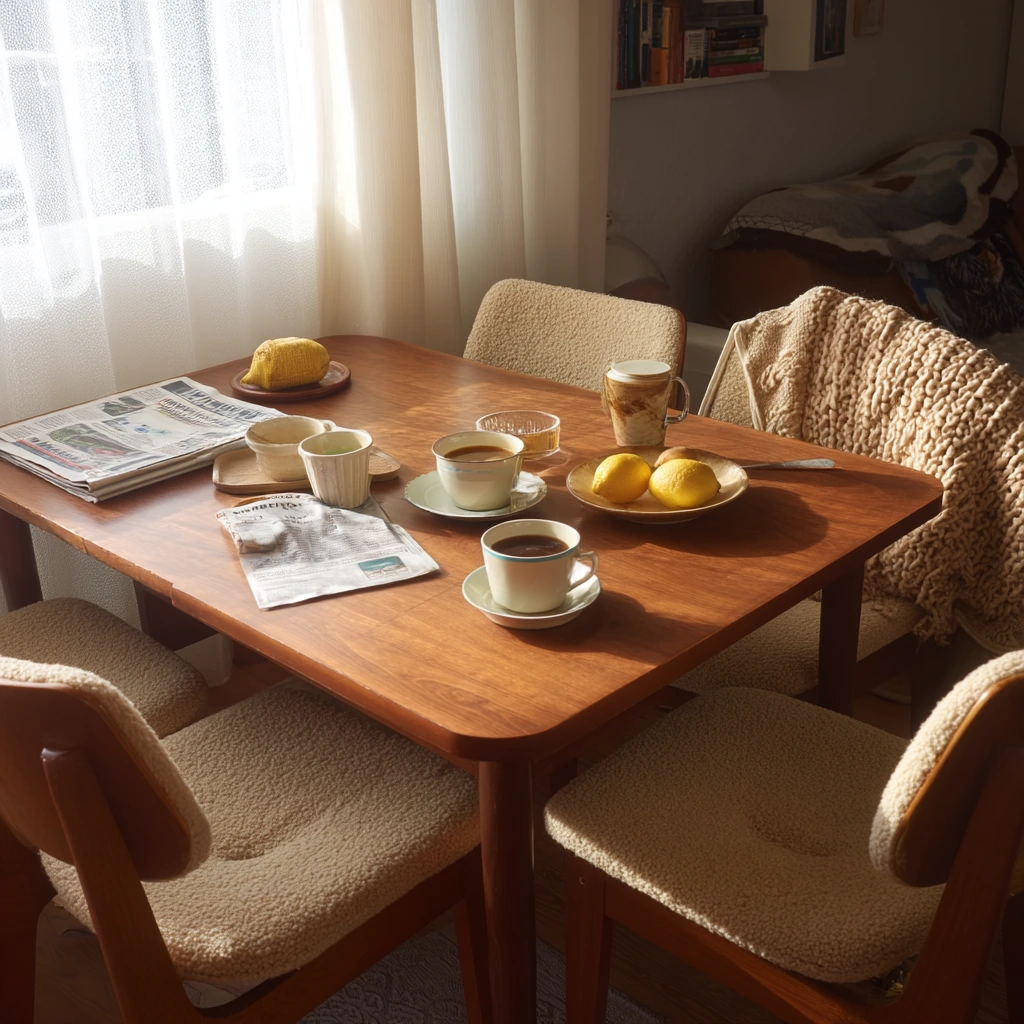
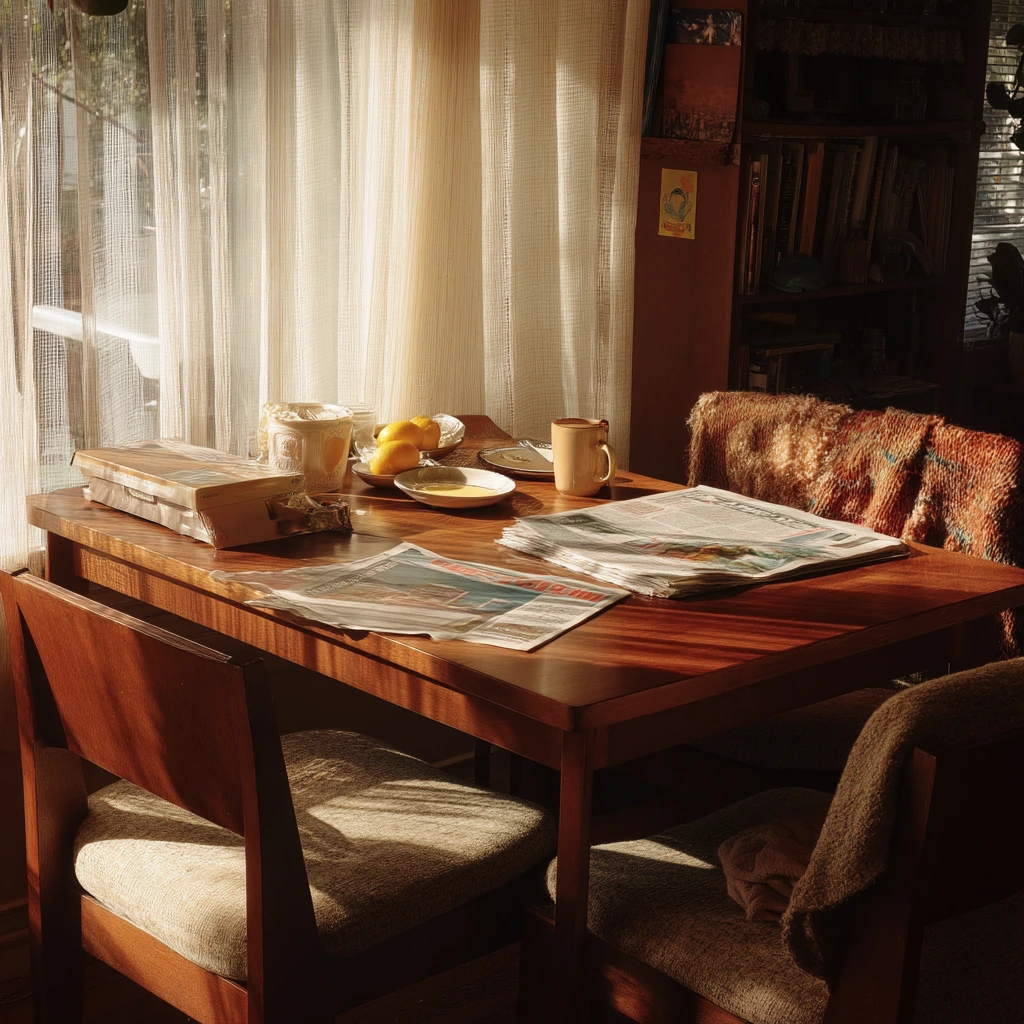
70s dining room design works best when you mix warm woods, tactile fabrics, and everyday items that show real life. Start with one strong anchor, like a teak or oak table, then layer in lighting, textiles, and a few vintage details.
If you are updating a rental, focus on peel-and-stick wallpaper, secondhand chairs, and soft lighting. If you want a richer look, add brass, amber glass, and deeper colors like rust and burnt orange.
FAQ: What colors fit 70s dining rooms? Mustard, rust, avocado green, terracotta, and warm neutrals work well. How do I style a 70s table for daily use? Use a runner, a simple bowl of fruit, and one small tray for clutter. What lighting looks most 70s? Smoked glass pendants, rattan shades, and warm bulbs around 2700K. Can I mix chair styles? Yes, keep heights similar and repeat one color or material. How do I make wood paneling look good? Balance it with light textiles, mirrors, and warm lamps. What are easy renter upgrades? Peel-and-stick wallpaper, curtains, thrifted ceramics, and a plug-in pendant.