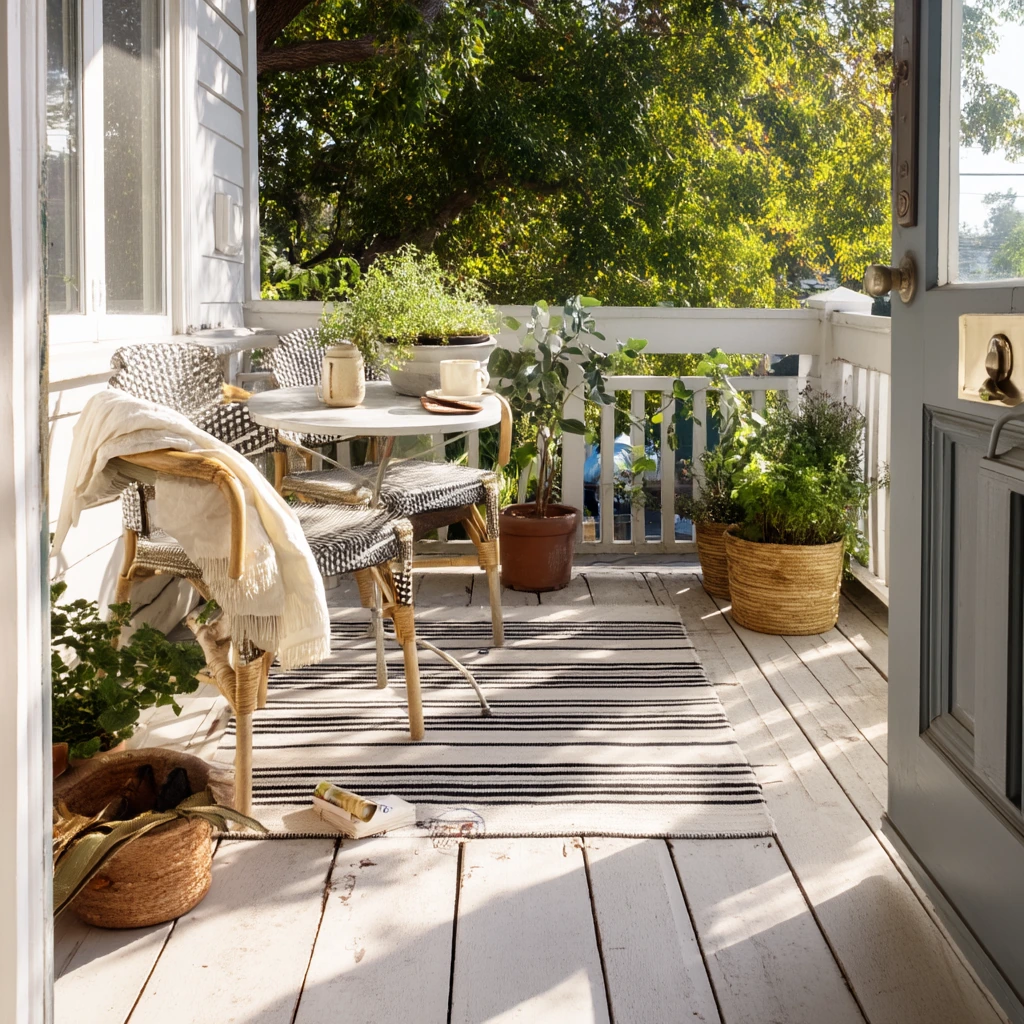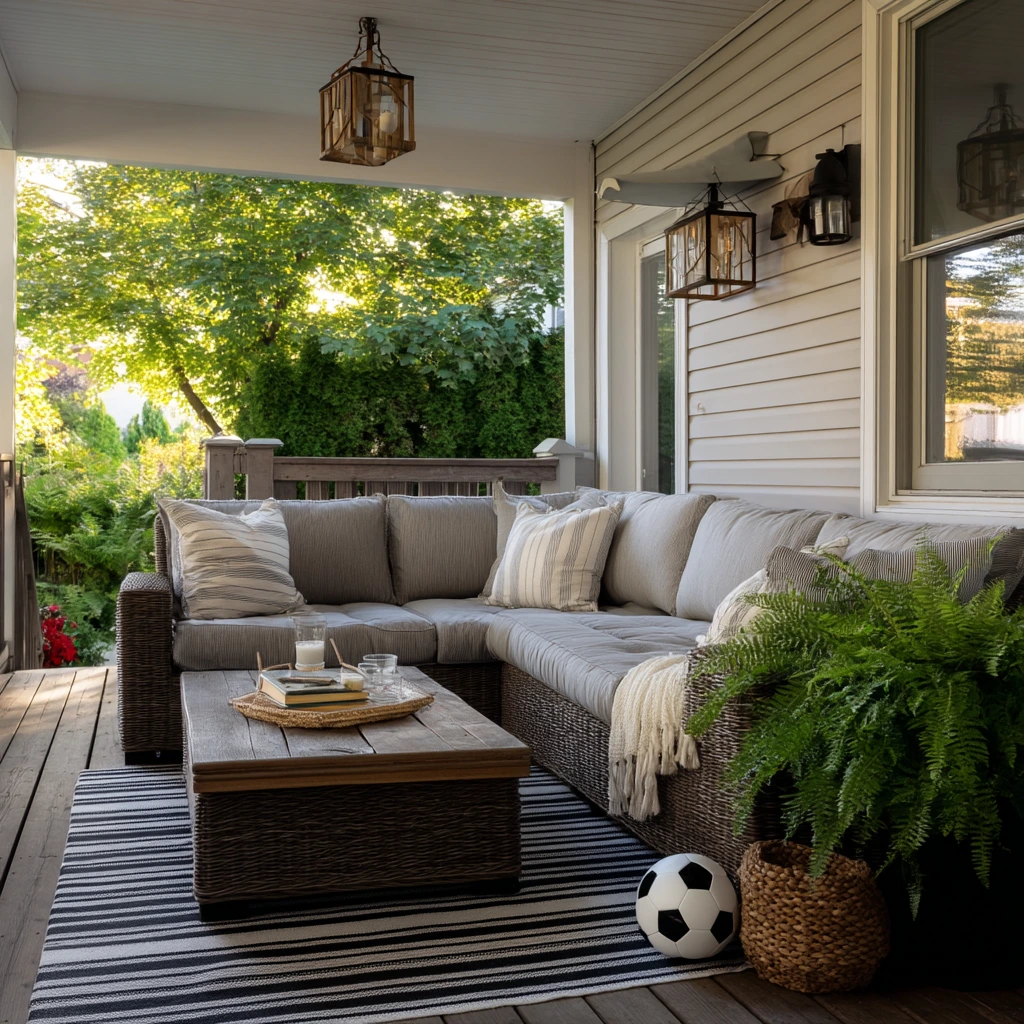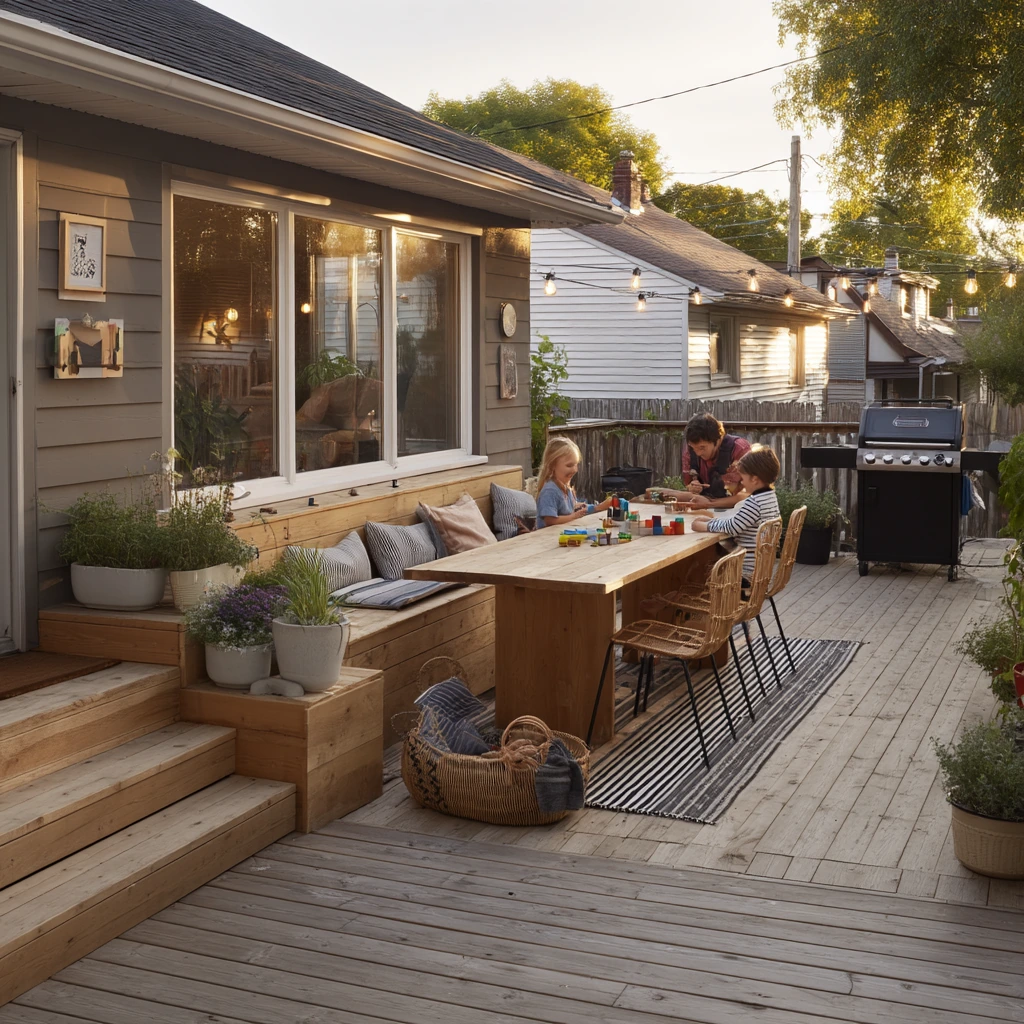

Deck gate ideas can solve real problems fast: keeping toddlers safe at deck stairs, giving dogs a clear boundary, or adding privacy on a busy patio. The right gate also makes your outdoor space feel finished, not patched together.
In this post, you will see 10 deck gate styles that match common homes and everyday routines. Each one includes simple design notes, safety points, and small styling ideas you can copy.
These gate ideas work for cedar decks, rental patios, cottage gardens, modern screens, and winter-ready entries. You will also learn what hardware matters most, where to place the latch, and how to keep the walkway clear.
Use these examples to plan your own gate, price it out, and pick a look that fits your railings and steps. The goal is a gate that is calm, practical, and easy to use every day.
1 Slim Modern Gate for a Busy Family Deck
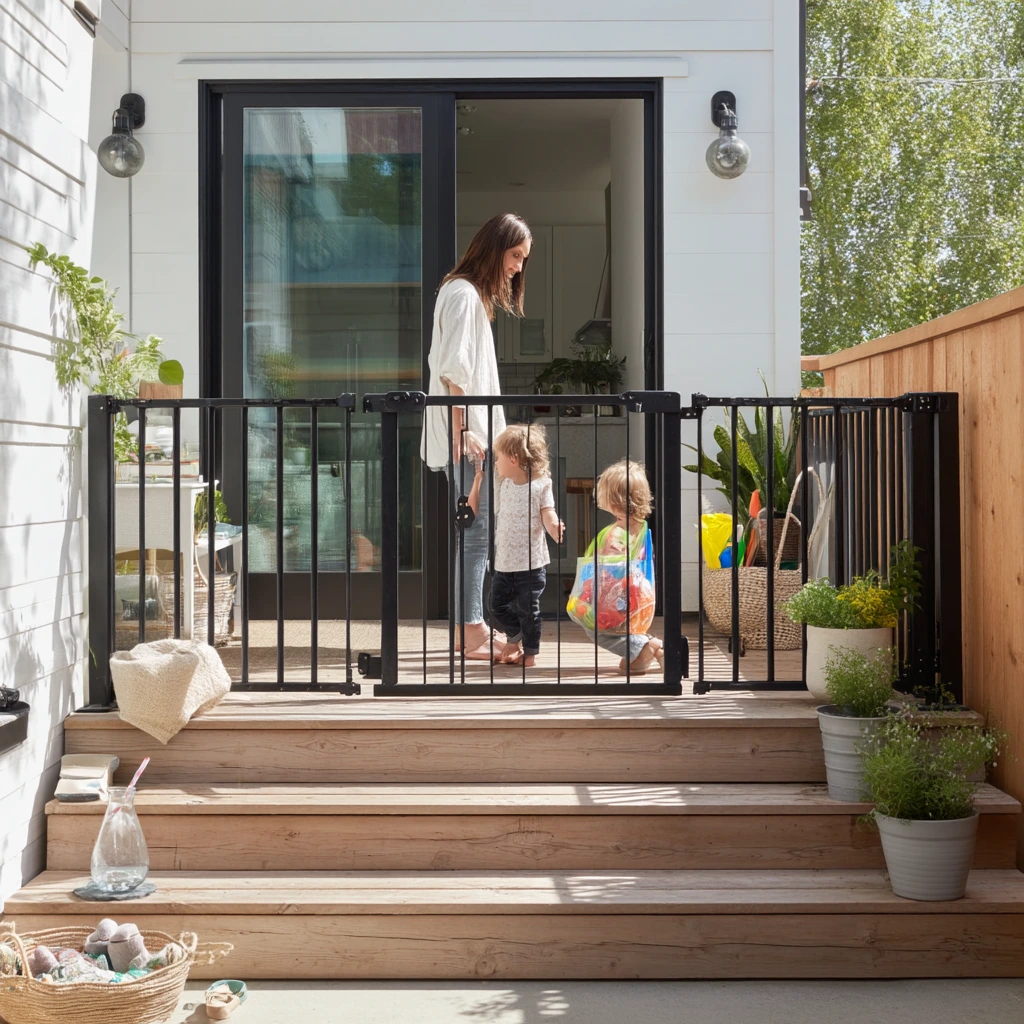
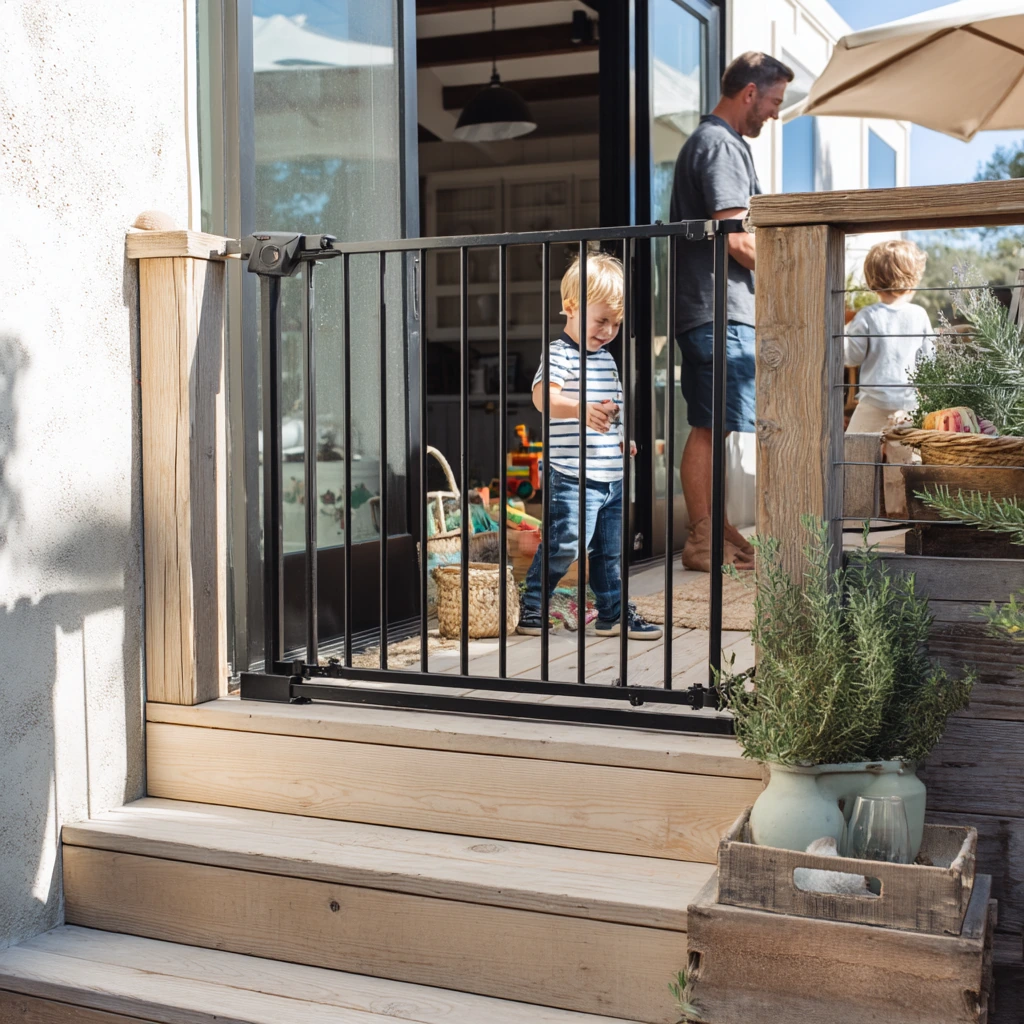
A slim black powder-coated gate at the top of cedar deck steps is a clean way to protect two toddlers without blocking the view. In a real family home, it fits right into the daily rush: a parent carries grocery bags through the sliding door, muddy sneakers sit by the threshold, and a toy basket waits near the wall. This kind of gate feels light, but it still creates a clear stop line at the stairs.
For safety, focus on height and latch placement. The latch should be high enough that little hands cannot reach it, but low enough that an adult can open it with one hand. A self-closing hinge is helpful when you are juggling bags or a water glass on the rail. Keep the gap under the gate small so tiny feet do not slip under.
To style it, let the gate look intentional. Black hardware pairs well with warm cedar tones, potted herbs, and a half-open sun umbrella. Add a small outdoor mat inside the door to catch dirt, and keep one basket for kid gear so the landing stays clear. If your deck has a low fence, match the gate pickets or frame line so it looks built-in, not added later.
- Mount the gate on the deck landing, not on the first step
- Use a latch you can open with one hand
- Add a soft-close or self-close hinge if possible
- Keep a toy basket and shoe tray away from the swing path
- Repeat black accents with a rail planter or door handle
Pro Design Tip: Choose a matte black finish and align the top rail of the gate with the deck railing line so the whole run looks custom.
Budget Considerations: Powder-coated steel costs more than basic wood, but it lasts. Save by using a standard-size gate and spending more on a quality latch.
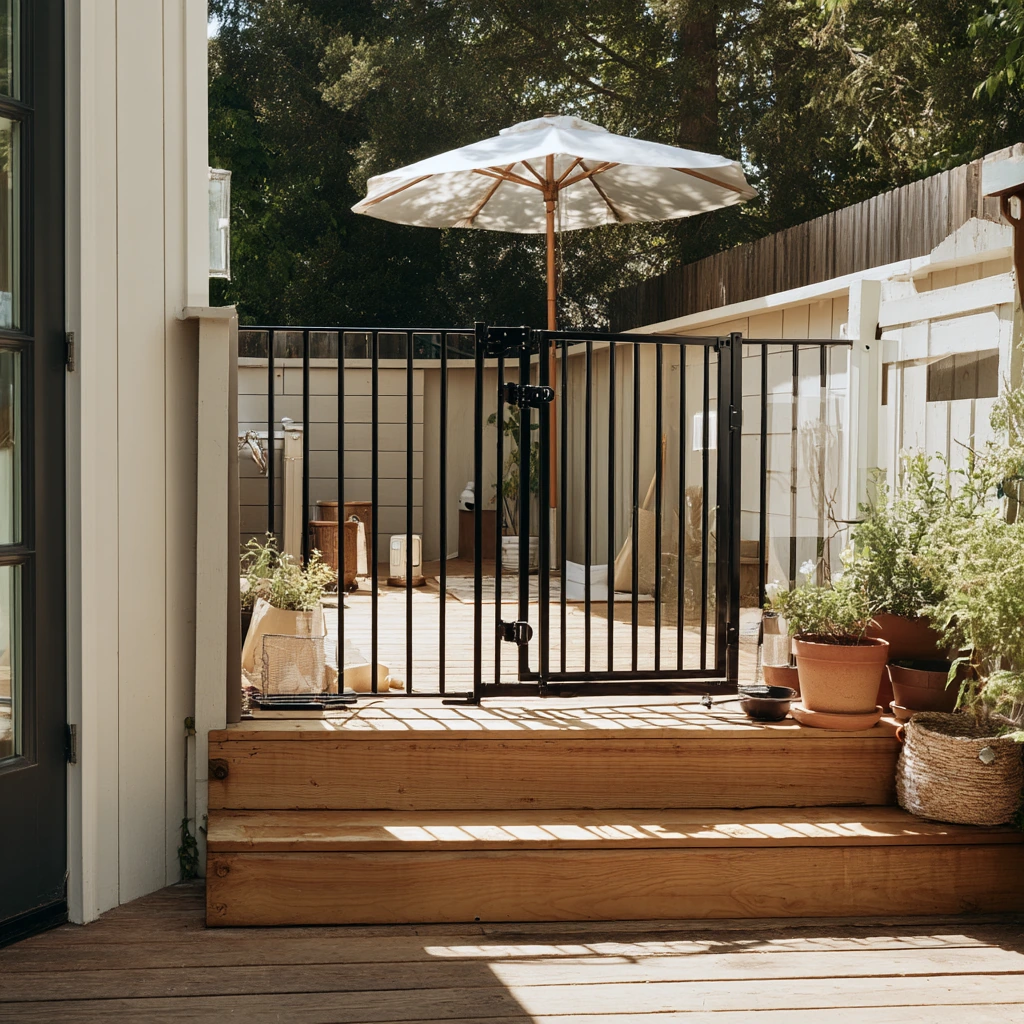
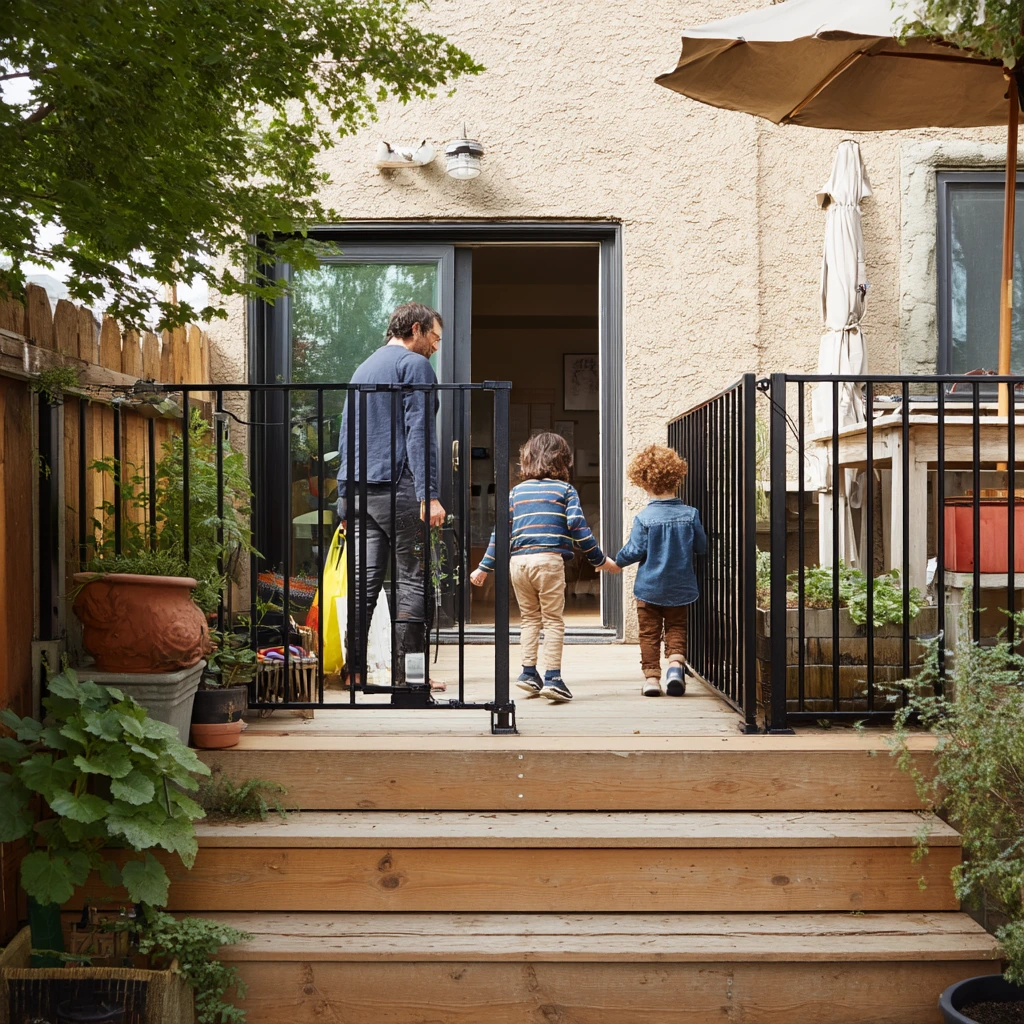
2 Renter-Friendly Gate on a Small Back Deck
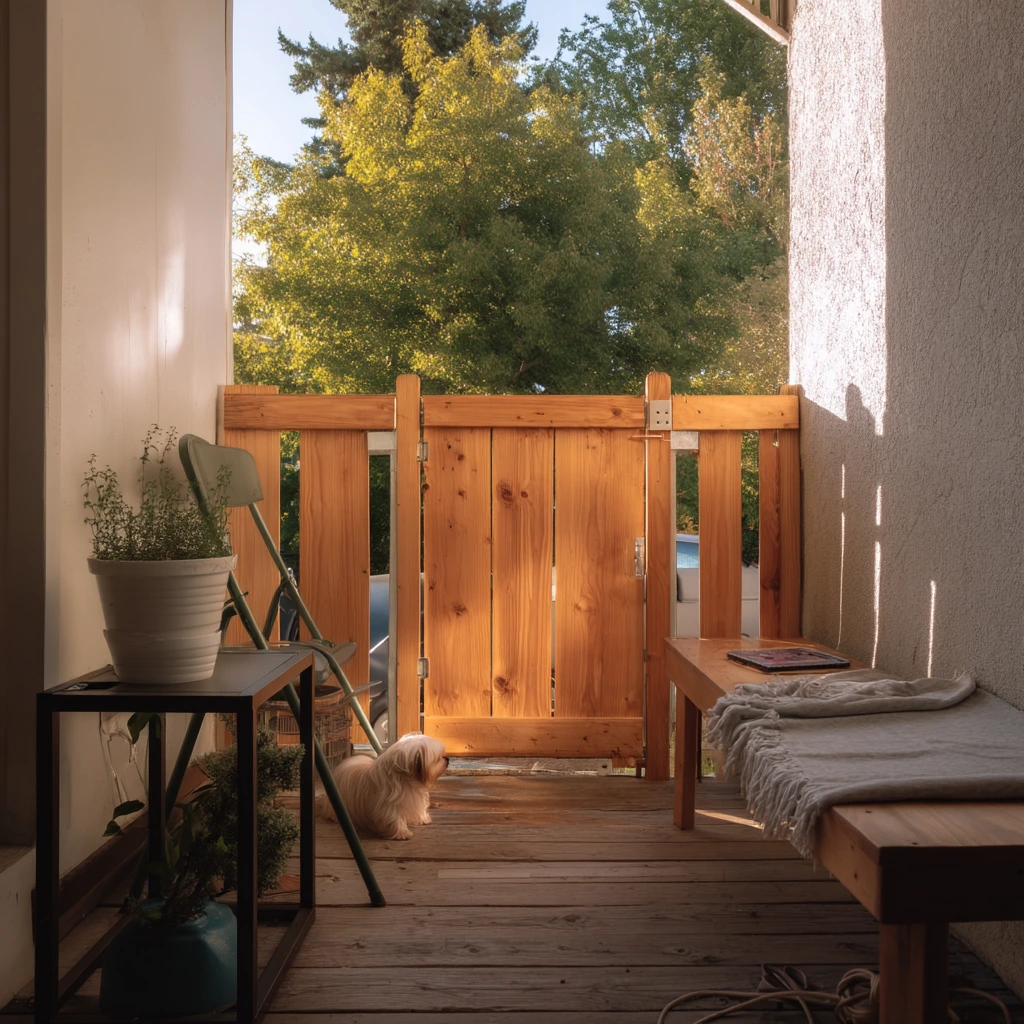
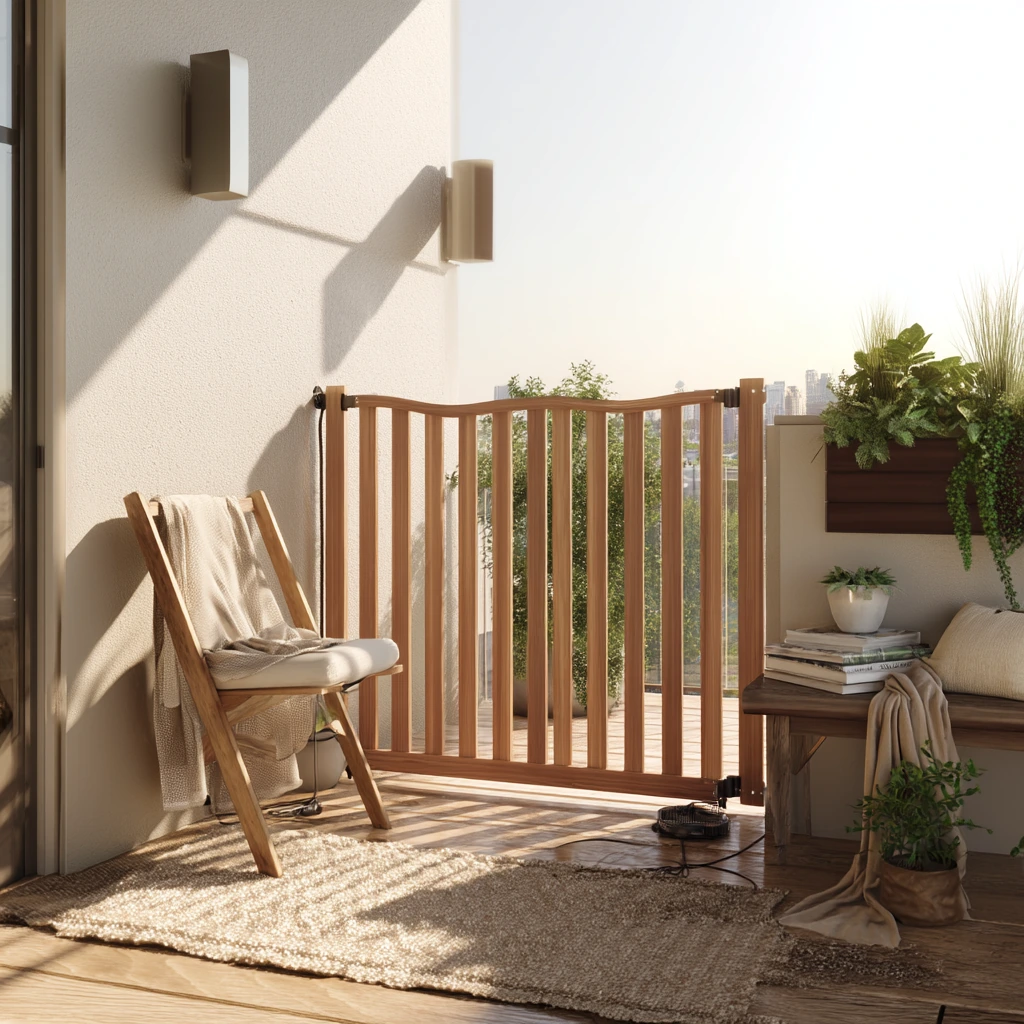
On a rental patio, drilling into posts is not always allowed. A reversible pressure-mounted wooden gate can be a smart fix on a compact apartment deck. It can block off a utility area, hide bins, and keep a small dog contained without major changes. The setup still feels lived-in, with a folding chair, a paperback on the side table, and an herb planter catching warm late-afternoon light.
The key is stability. Look for a gate system designed for pressure mounting, with wide pads and non-slip surfaces that will not mar the rails. Measure your opening carefully and make sure the gate can swing both ways or be set to swing one direction. If you need it to “mask” a corner, you can angle it to create a visual screen while still leaving a walking lane.
To style a rental-friendly gate, treat it like furniture. Match the wood tone to a bench or side table, and add a slightly wrinkled throw for softness. Keep cords tidy near outlets by using an outdoor-rated cable clip, so the area does not look cluttered. If your deck is small, pick a gate with slim slats so light still comes through and the patio feels open.
- Confirm your lease rules before mounting anything
- Choose non-marking pads and check them weekly
- Keep the gate swing clear of chairs and planters
- Use a small screen panel behind the gate to hide utilities
- Add a simple hook for a leash near the door
Pro Design Tip: Use a gate with a flat top rail so it lines up with the deck railing and looks like part of the patio, not a pet barrier.
Budget Considerations: Pressure-mounted gates range widely. If you are saving, buy used and replace the pads and latch for a safer, tighter fit.
3 Rustic Gate with Cottage Garden Character
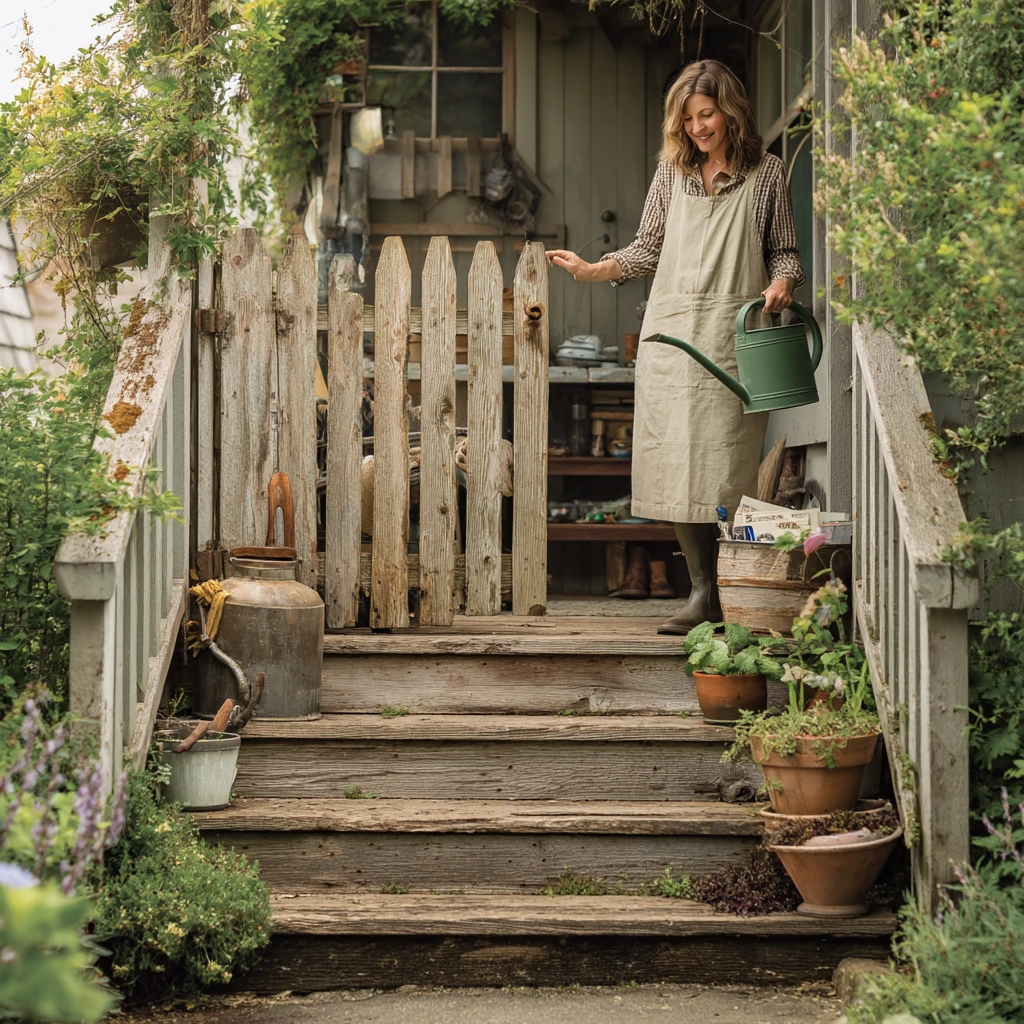

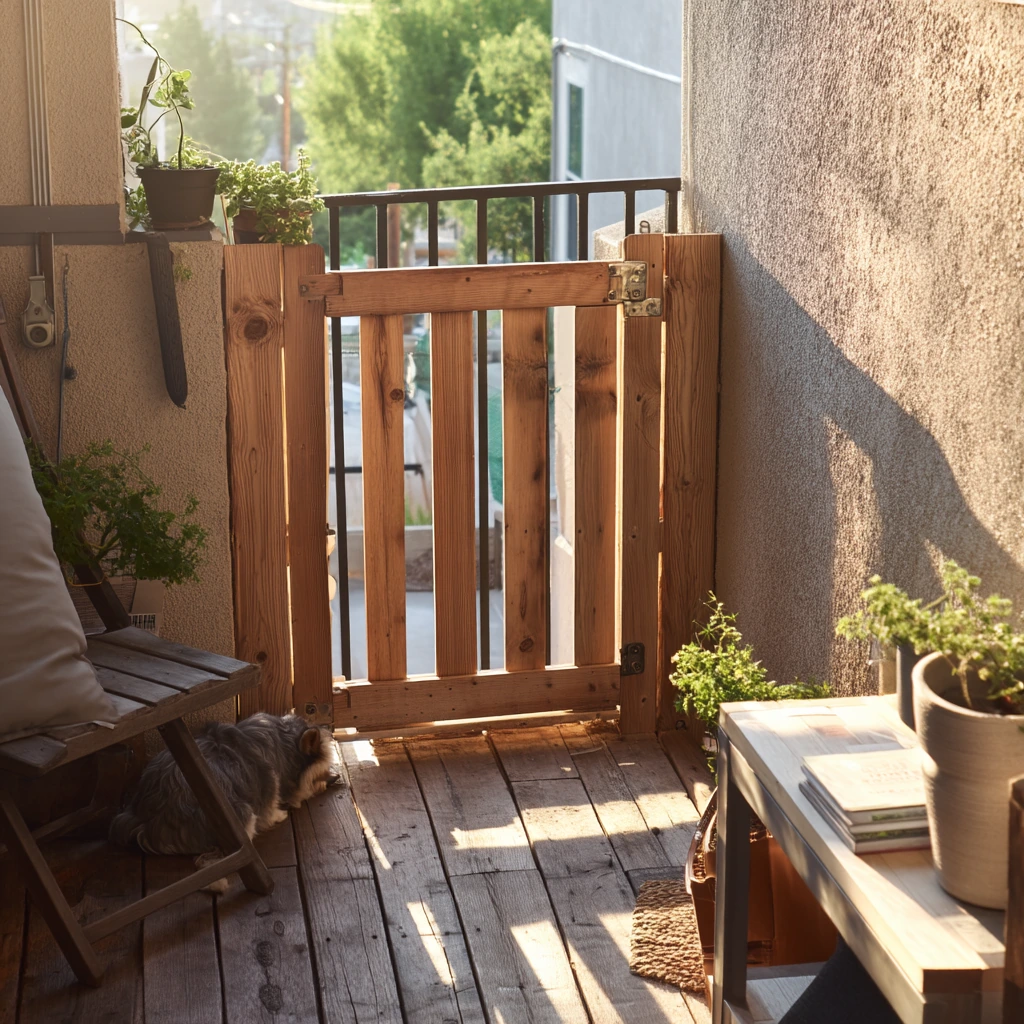
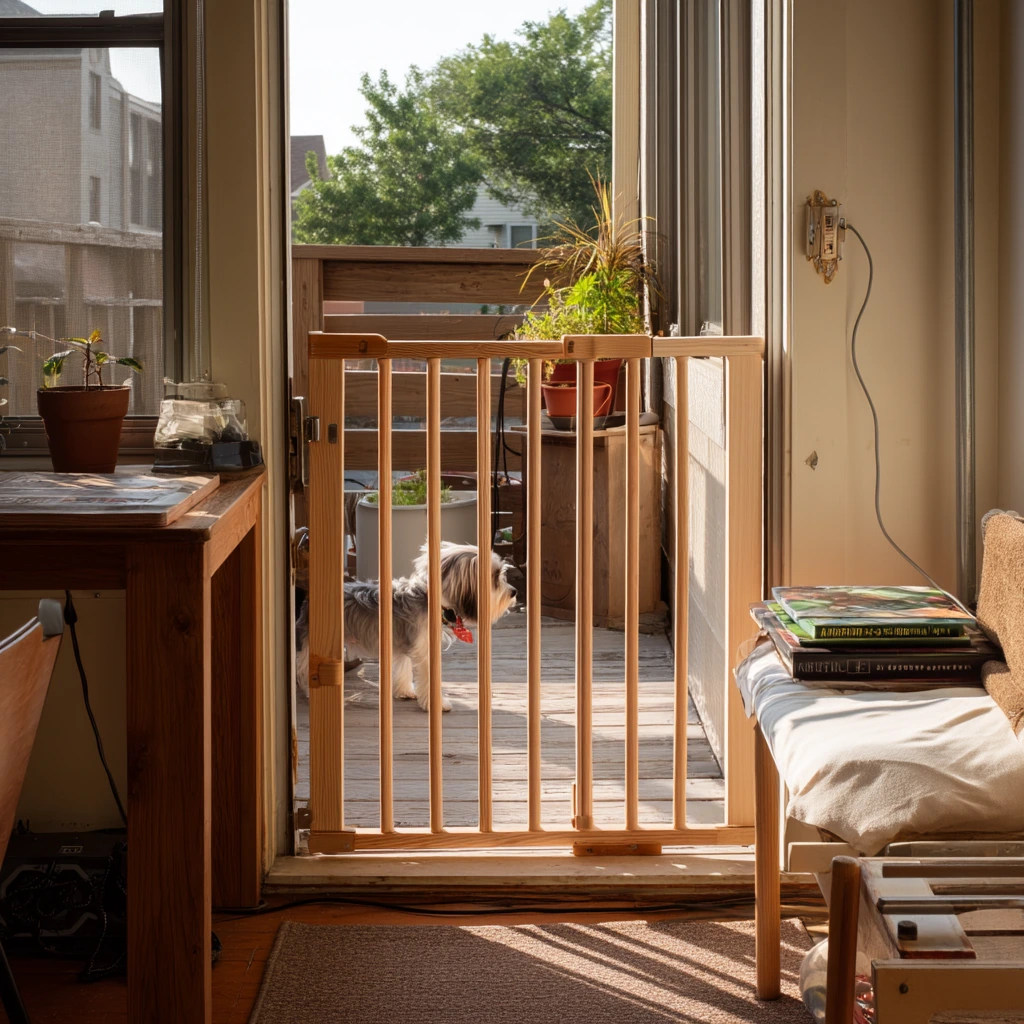
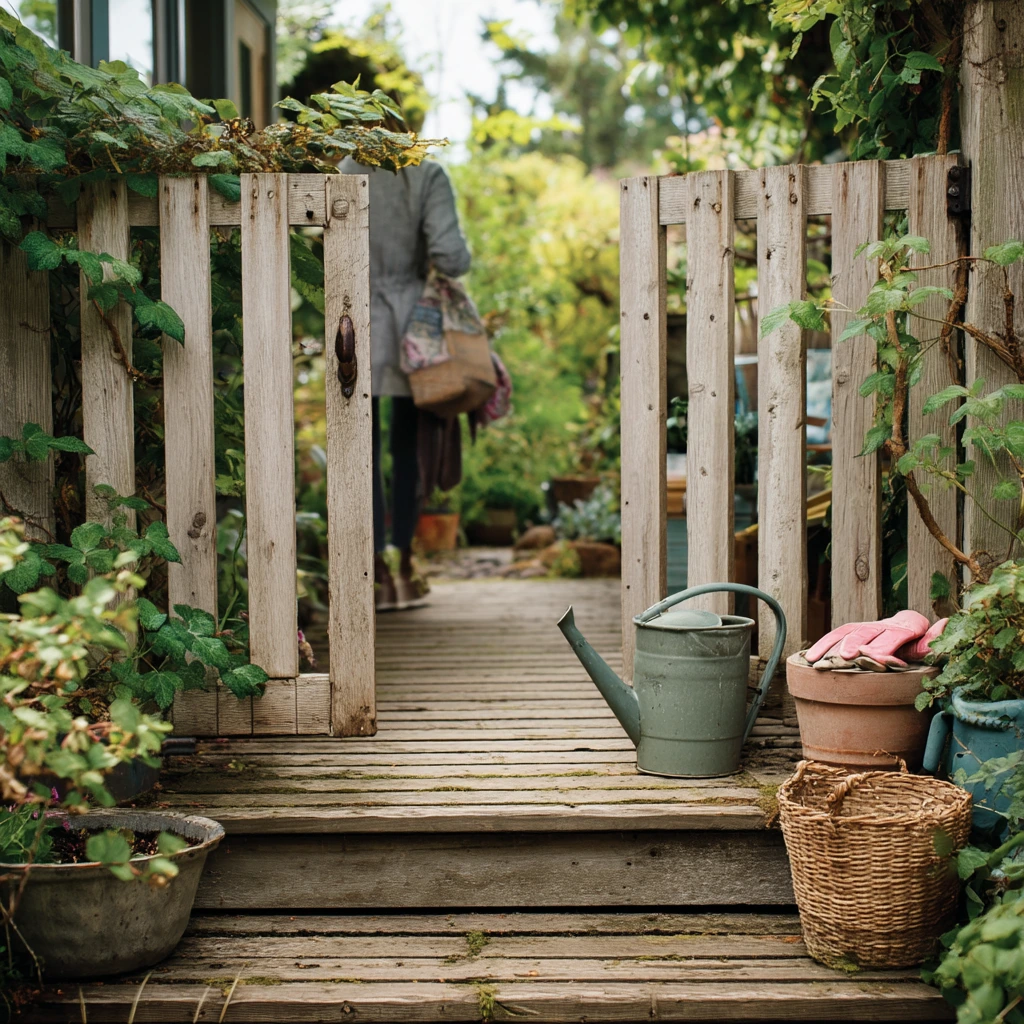
A cottage-style deck gate looks best when it feels hand-built and simple. A weathered cedar gate with vertical slats and a thumb latch fits right into a garden deck scene: clay pots on the boards, seed packets and garden gloves on a small table, and climbing vines softening the edges. It is a practical divider between the deck and the yard, but it also sets a calm, nostalgic tone.
Because cedar weathers, plan for movement. Leave small gaps between slats and seal the wood if you want a lighter, cleaner look. A thumb latch is easy when your hands are full, like when carrying a watering can or an enamel mug. Add a stop block or a simple chain so the gate does not swing too far and hit pots or a chair with a folded blanket.
To style this gate, lean into garden textures. Pair it with terracotta, an herb shelf, and a small hook rail for tools. If you have vines nearby, keep them trimmed back from the hinge side so the gate opens smoothly. A soft overcast day makes the wood grain stand out, but you can get the same cozy feel by adding warm-toned lighting near the door for evenings.
- Use stainless or coated screws to prevent rust streaks
- Set the latch at a comfortable hand height
- Add a kick plate if dogs scratch at the bottom
- Keep pots and watering cans outside the swing area
- Repeat cedar tones in a bench or planter box
Pro Design Tip: Frame the gate with a simple header and side trim so the slats stay straight over time and the latch closes cleanly.
Budget Considerations: Cedar costs more than pine, but it holds up outdoors. For a lower cost, use pine slats and stain them a cedar tone.

4 Child-Safe Gate for a Split-Level Deck
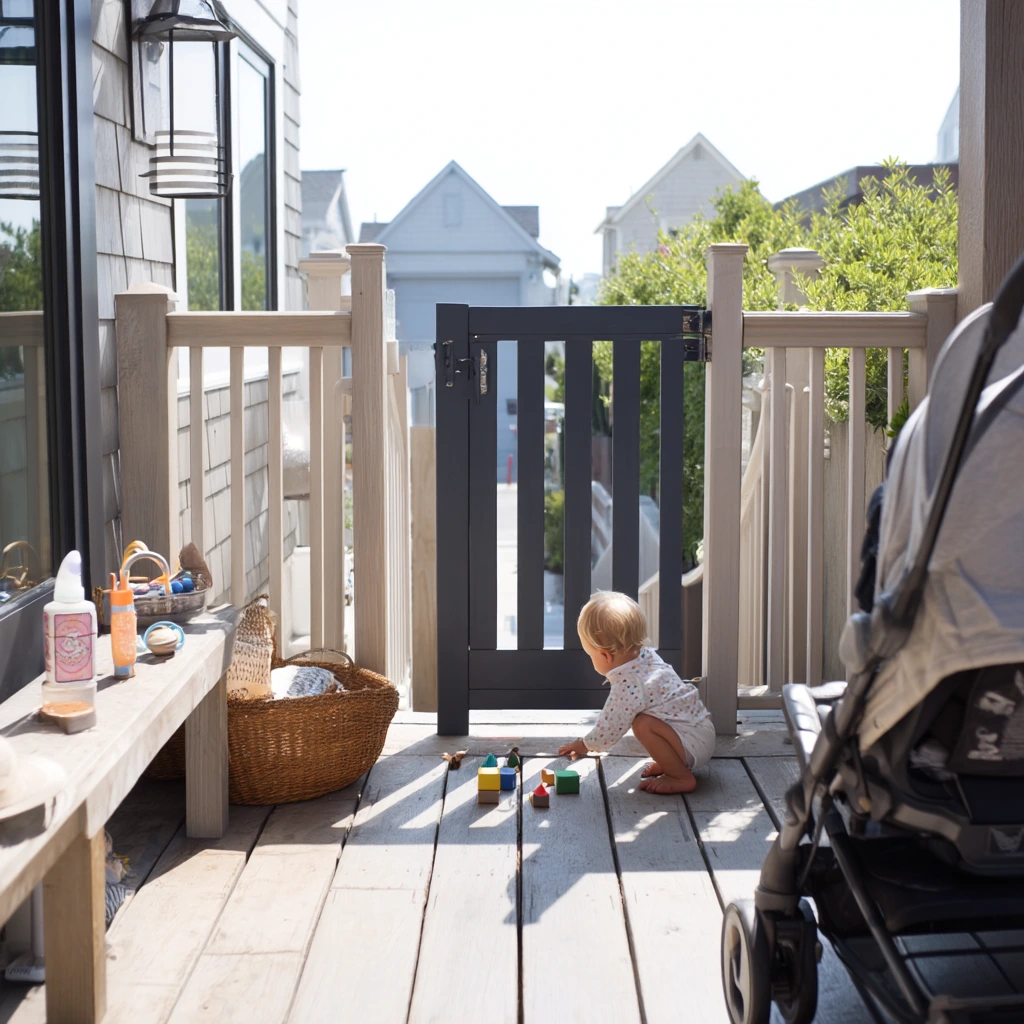
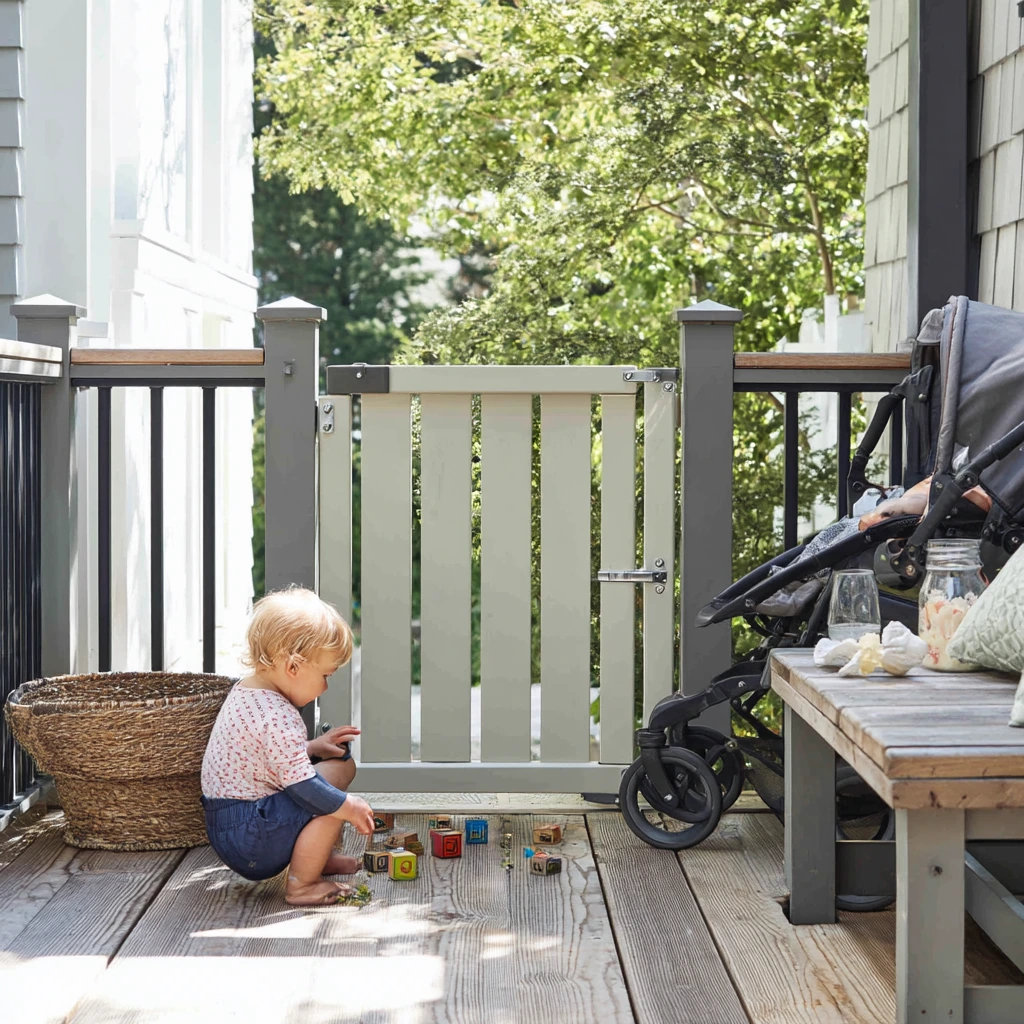
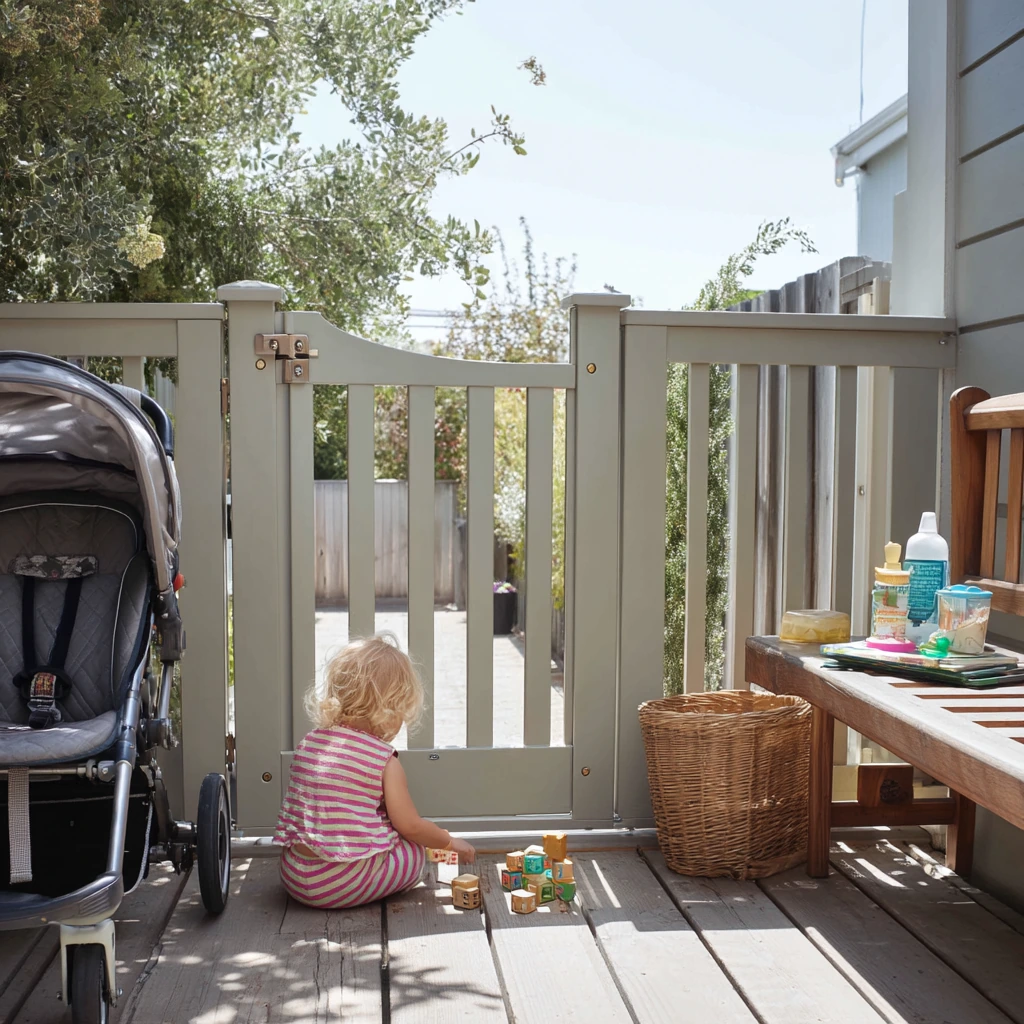
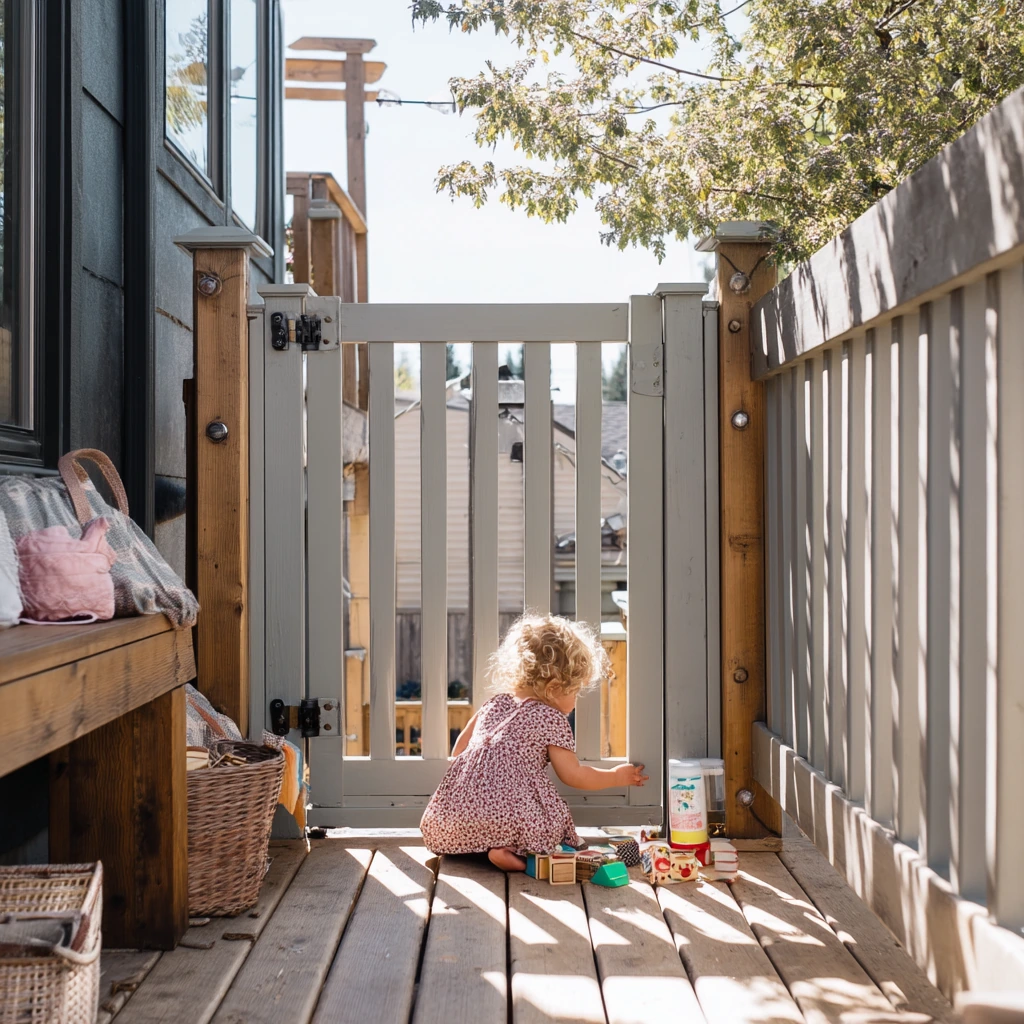
A split-level suburban deck often has stairs that drop quickly, which can make parents nervous. A tall painted wood gate with a secure latch helps keep a curious toddler away from lower stairs. It also creates a clear boundary while life happens around it: a parent kneels to tie a shoe, a basket of blocks sits nearby, and an open stroller waits by the door.
For a family-focused gate, think like a child first. The gate should be tall enough that climbing is hard, with vertical boards or narrow spacing. Avoid wide horizontal rails that work like a ladder. Use a latch that requires two motions, like lift-and-pull, and place it on the inside where small hands cannot reach from the stair side. If you keep sunscreen on the railing and a half-finished sippy cup on a table, make sure those items are not near the latch area to avoid spills and sticky hardware.
To style a tall gate, match the paint to your trim or deck skirting so it blends in. Add a small bench near the door for shoes and keep a bin for pacifiers and hats so the entry looks calm. If the gate is near a dining nook view, choose a clean, simple profile with crisp edges so it looks like part of the home, not a temporary fix.
- Use vertical pickets and keep gaps under 4 inches
- Place the latch high and on the deck side
- Add a soft-close hinge to prevent slamming
- Keep toys and strollers out of the gate swing zone
- Touch up paint yearly where hands push and pull
Pro Design Tip: Install a metal reinforcement bar inside the top rail to prevent a tall wood gate from sagging over time.
Budget Considerations: Paint-grade lumber is affordable, but strong hinges matter. Spend on hinges and latch, then save with simple boards and DIY paint.
5 Modern Horizontal Slat Gate with Privacy
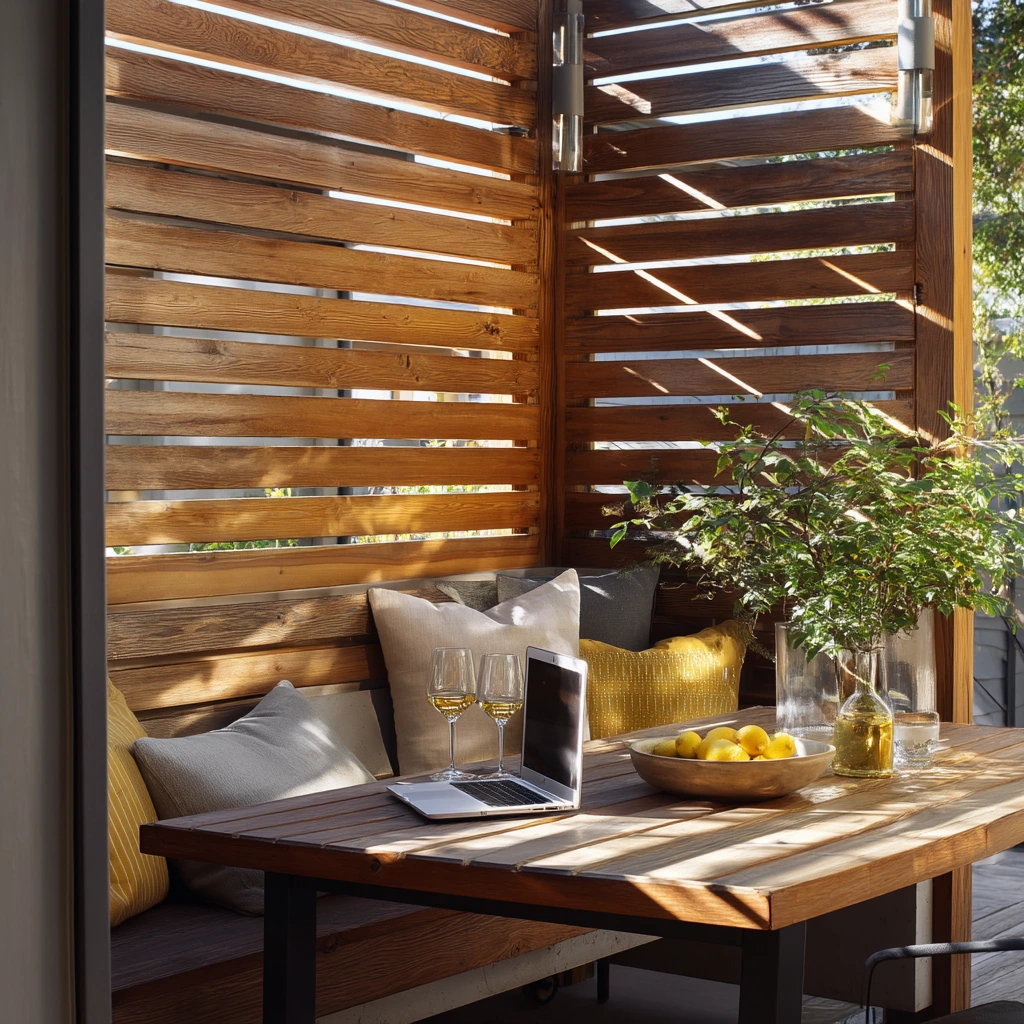
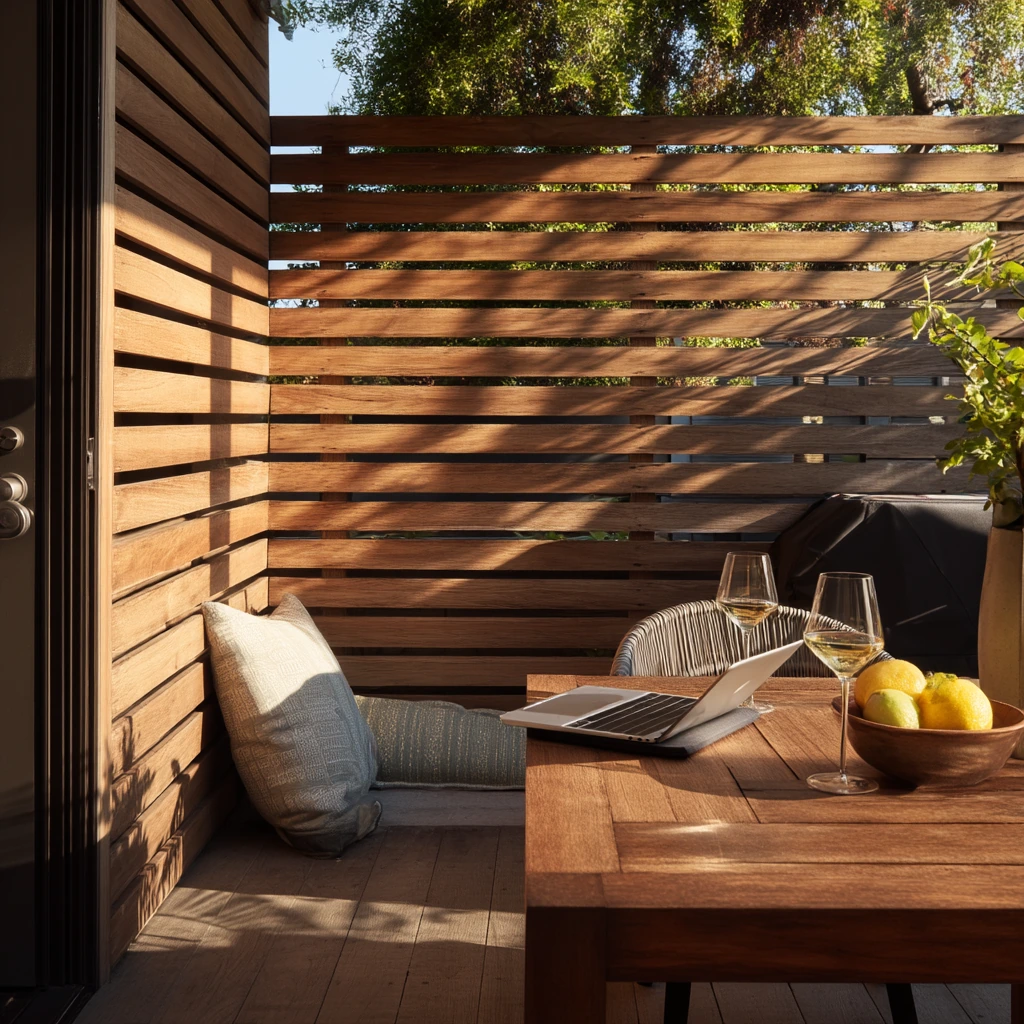
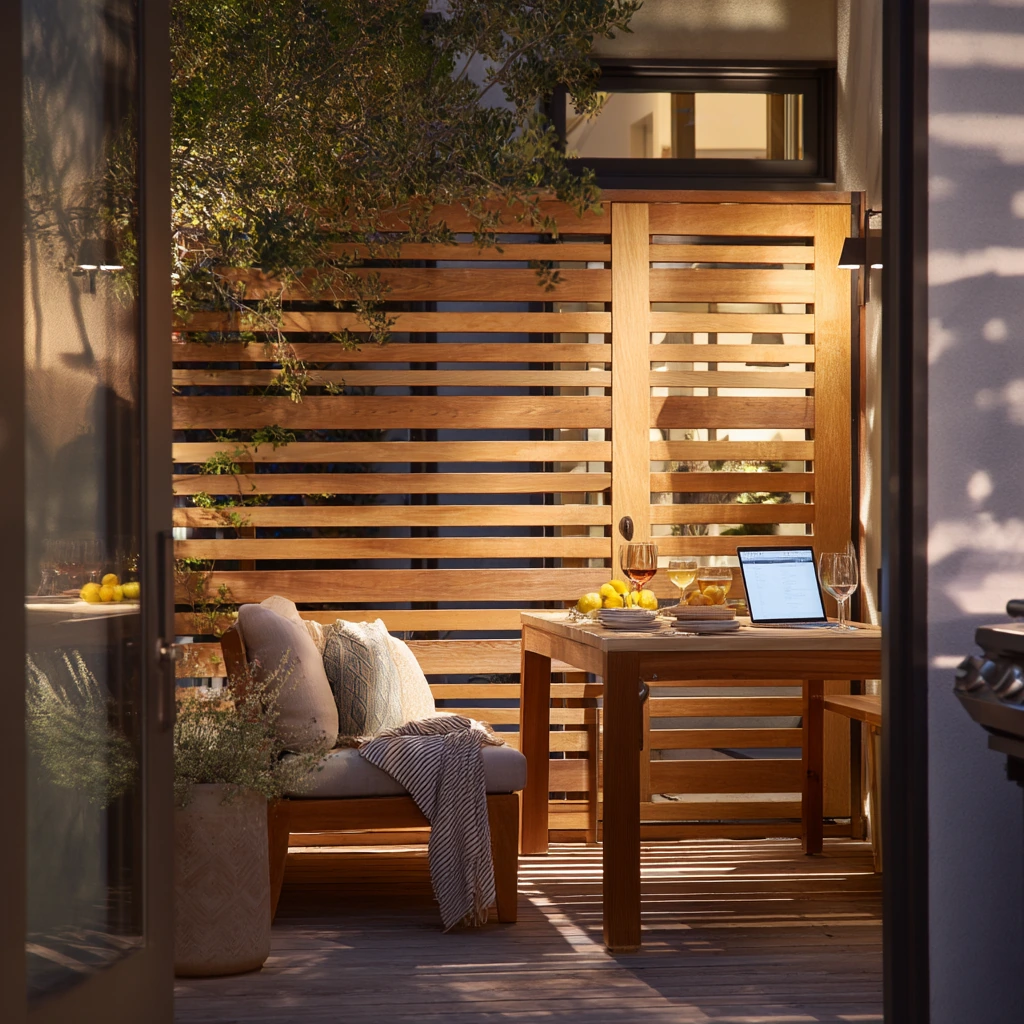
A modern home often needs a gate that does more than block stairs. A horizontal slat cedar gate that matches the deck screen can add privacy while keeping the outdoor area calm and tidy for hosting. Picture a quiet dinner outside with linen napkins, two wine glasses, and a shallow bowl of lemons on the table, while plant shadows stretch across the boards at dusk.
Horizontal slats work well for a sleek look, but spacing matters. If you want privacy, keep gaps small and align the slats with the screen wall so the pattern reads as one surface. If airflow is important near a grill, leave slightly larger gaps and avoid placing the gate too close to heat. A clean latch is key for this style, because bulky hardware can break the modern line. Consider a hidden or low-profile latch, and use quality hinges that hold the weight of cedar.
To style it, keep the area simple. A lounge cushion slightly askew still looks fine if the rest of the deck is uncluttered. Store a closed laptop inside when not needed and keep a small tray for napkins and tools so the table stays ready. Warm interior light coming through the doorway makes cedar glow, so adding a dimmable wall light can help your deck feel inviting without being harsh.
- Match slat height and spacing to your deck screen
- Use a slim latch in black or brushed metal
- Keep the gate line straight with a stiff frame
- Leave clearance so the gate does not hit chairs
- Add a low planter for a soft privacy boost
Pro Design Tip: Run the slats continuously across the gate and the fixed screen so the seams disappear when the gate is closed.
Budget Considerations: Cedar and custom screens add cost. Save by building a simple framed gate and using pre-made cedar slat panels for the face.
6 Pet-Friendly Gate with Everyday Durability
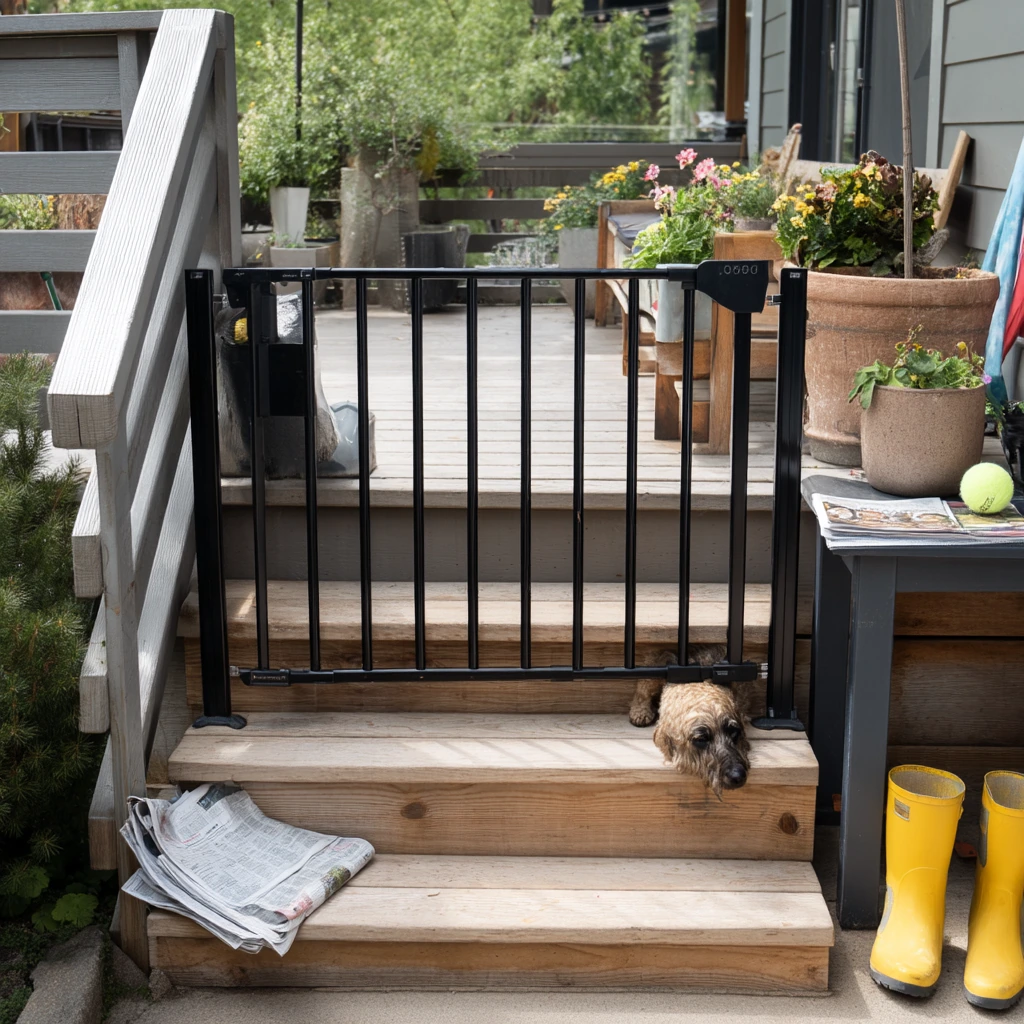
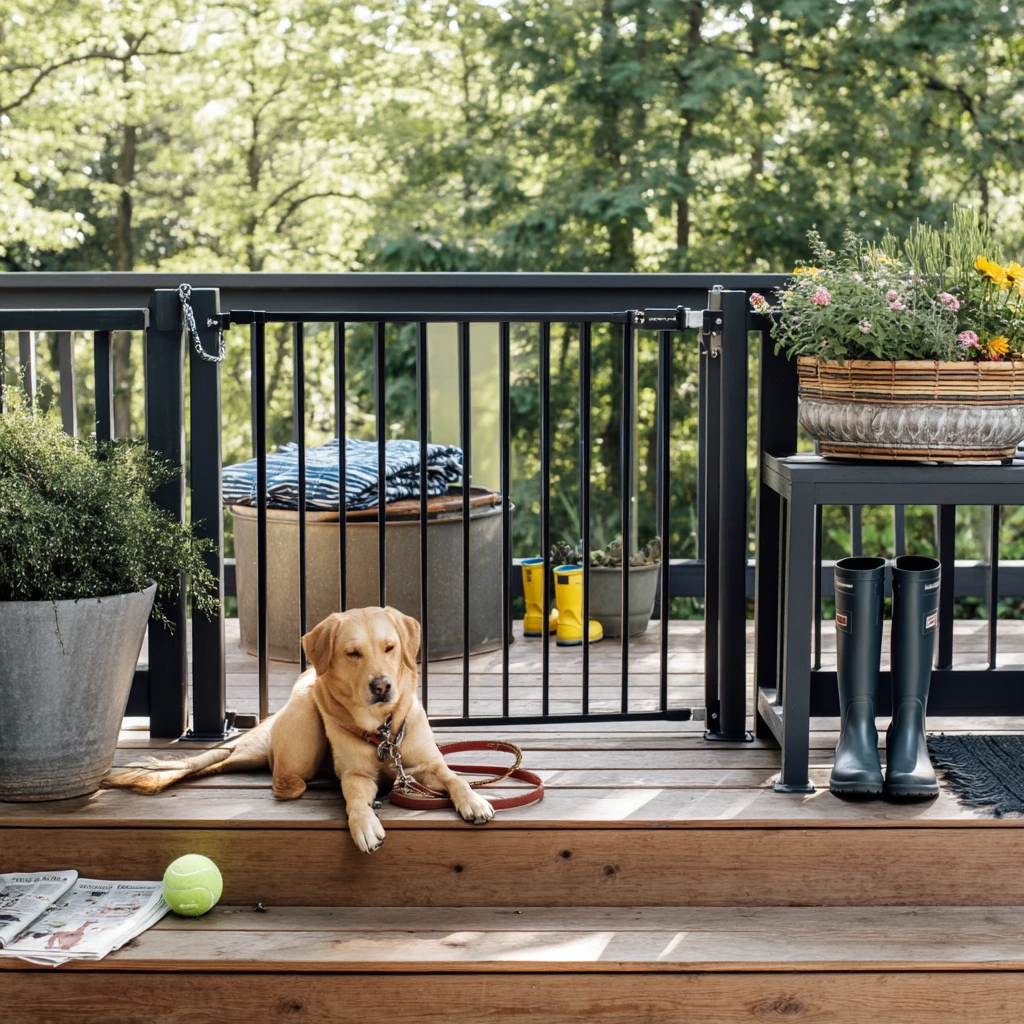
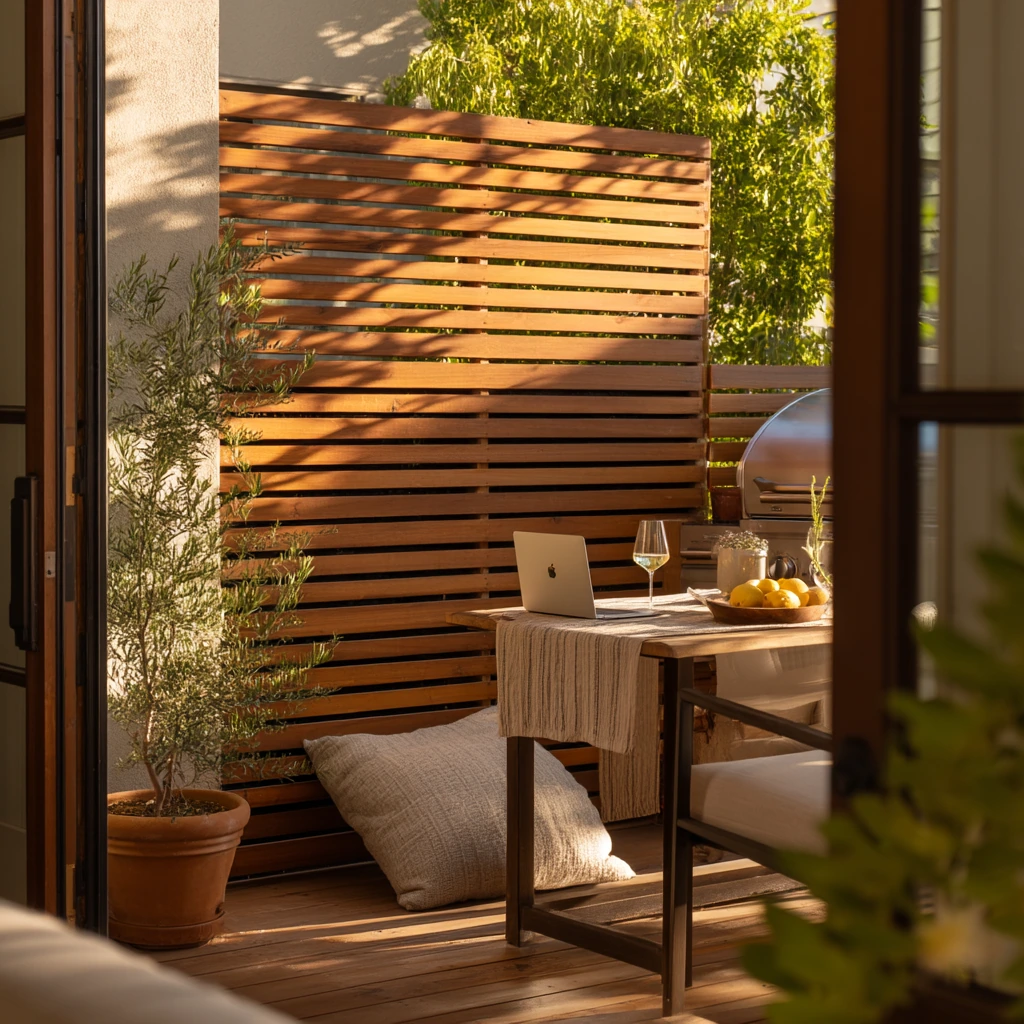
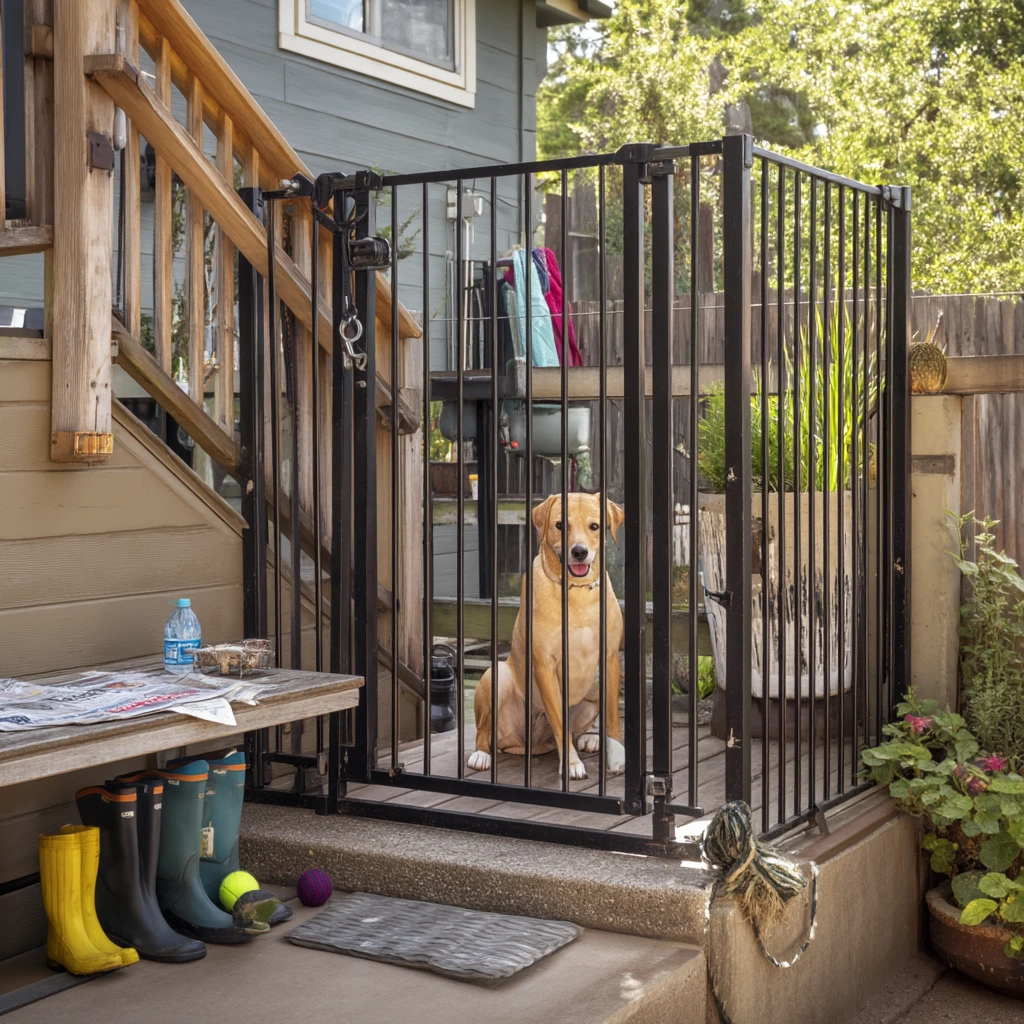
Dog owners need a gate that is strong, quick to use, and hard to push open. A sturdy black metal gate at the deck stairs is a solid choice, especially when your dog wants to follow you everywhere. It can even be latched open just enough for a lab mix to wait while you water planters. With a leash on a hook, a tennis ball under the bench, and rain boots by the mat, the setup feels clean and easygoing.
For dog safety, start with the latch. Choose one that cannot be bumped open by a nose or shoulder. If your dog is fast, a self-closing hinge helps, but make sure it does not slam. Check for paw-safe spacing so toes cannot get caught. If you plan to leave it partly open, add a hold-open feature or a second latch position so the gap stays consistent and does not pinch.
To style a pet-friendly stair gate, build a simple routine station near it. Add a small hook rail for leash and poop bags, and keep a towel bin for muddy days. A newspaper on the table and a coiled garden hose look fine when the area is organized. If you want a softer look, pair black metal with warm wood accents, like cedar planters or a wood bench.
- Pick a latch that locks, not just a catch
- Use chew-resistant materials near the bottom rail
- Add a hold-open feature for busy mornings
- Keep a water bowl away from the hinge side
- Check screws and hinge pins monthly
Pro Design Tip: Choose a gate with adjustable hinges so you can fine-tune the swing and keep the latch aligned as seasons change.
Budget Considerations: Metal gates cost more upfront but handle wear well. If you are saving, buy a basic metal gate and upgrade only the latch to a locking model.
7 Compact Gate for a Narrow Townhouse Deck
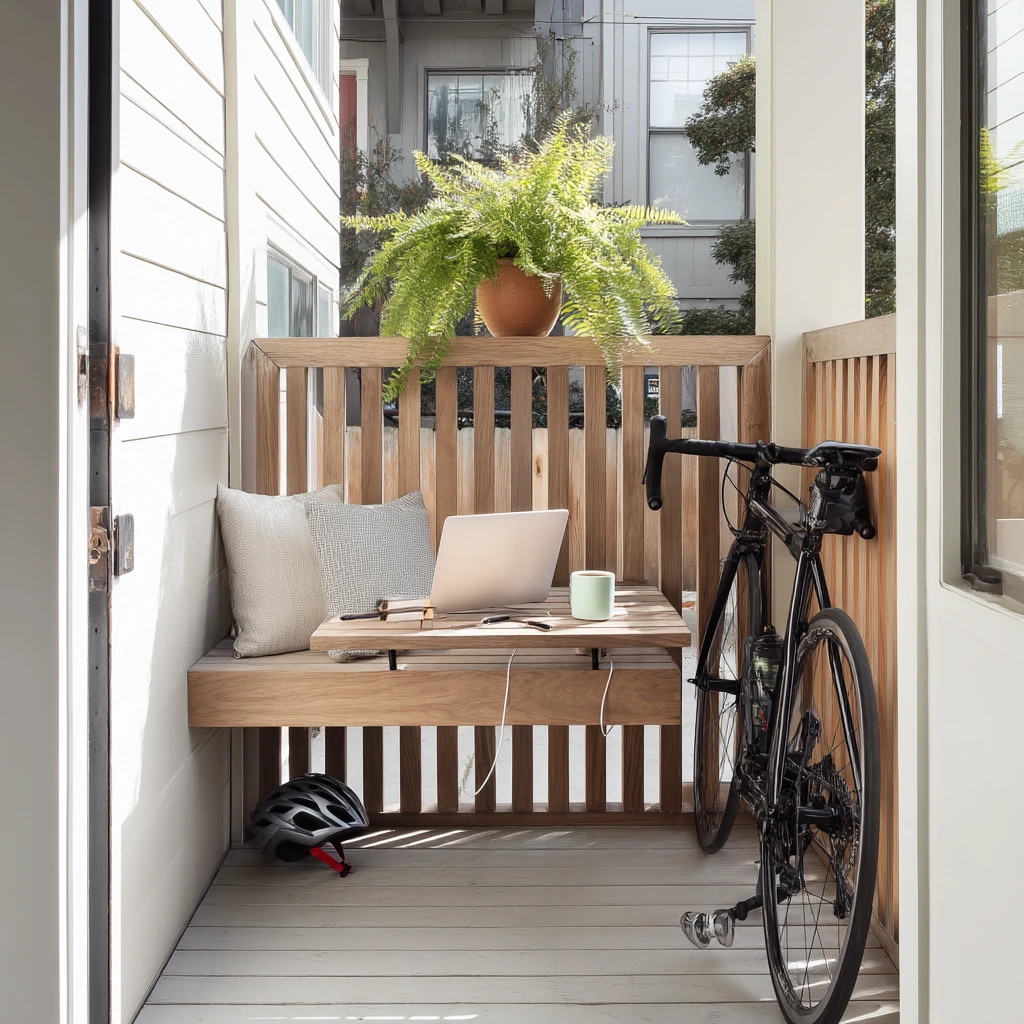
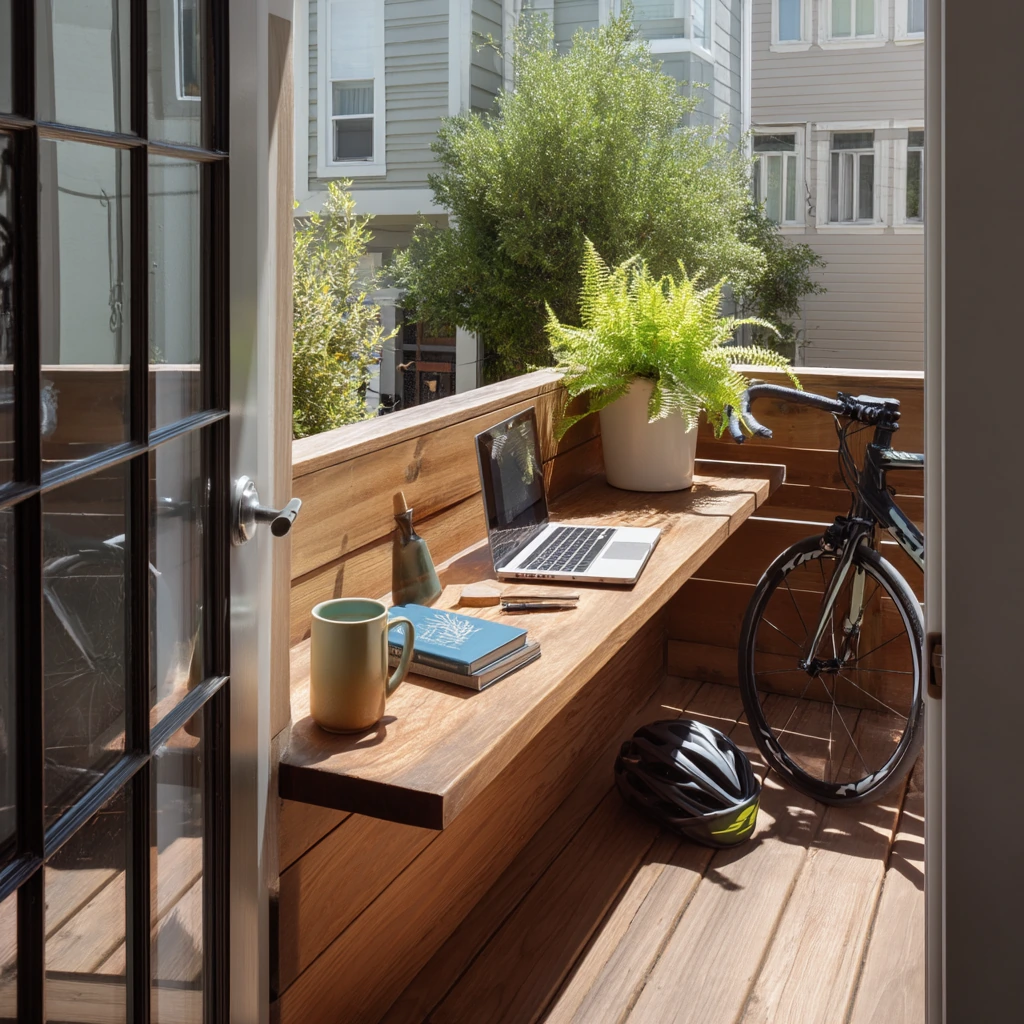
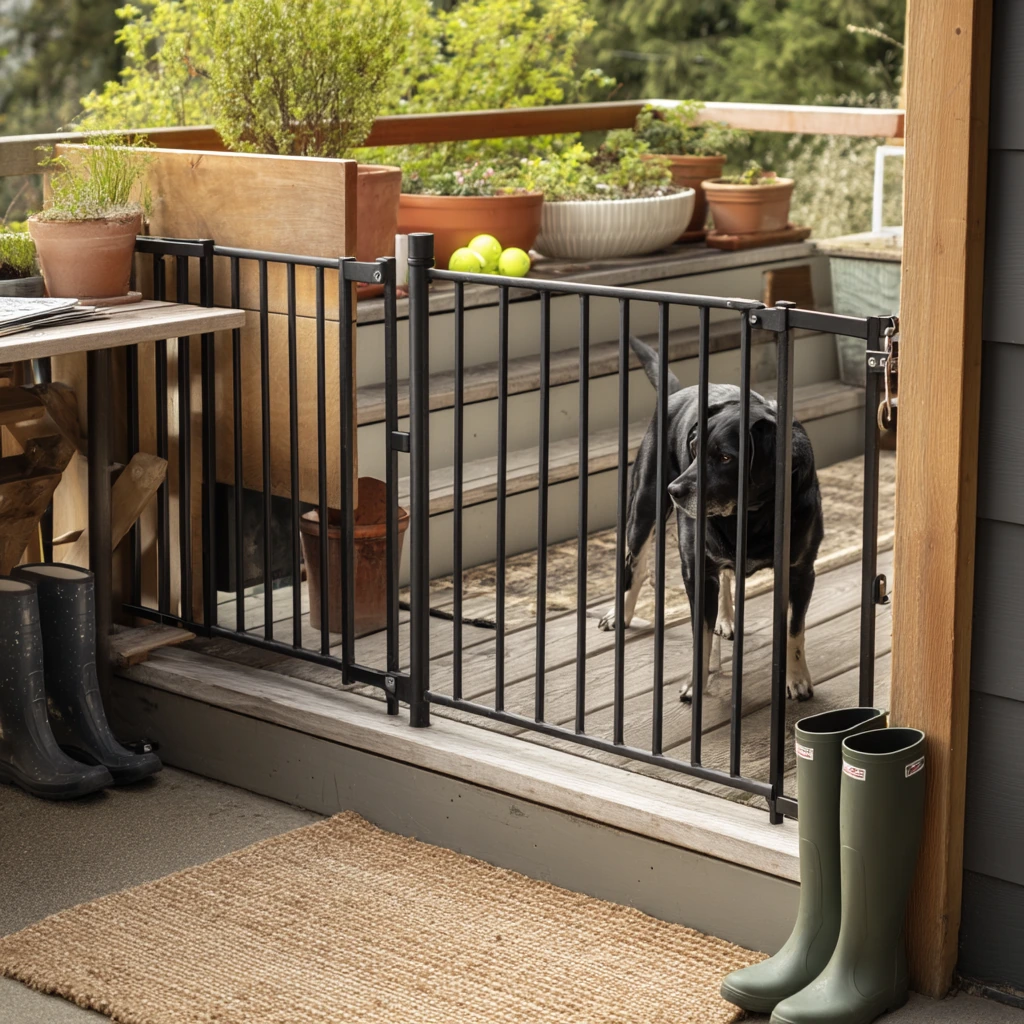
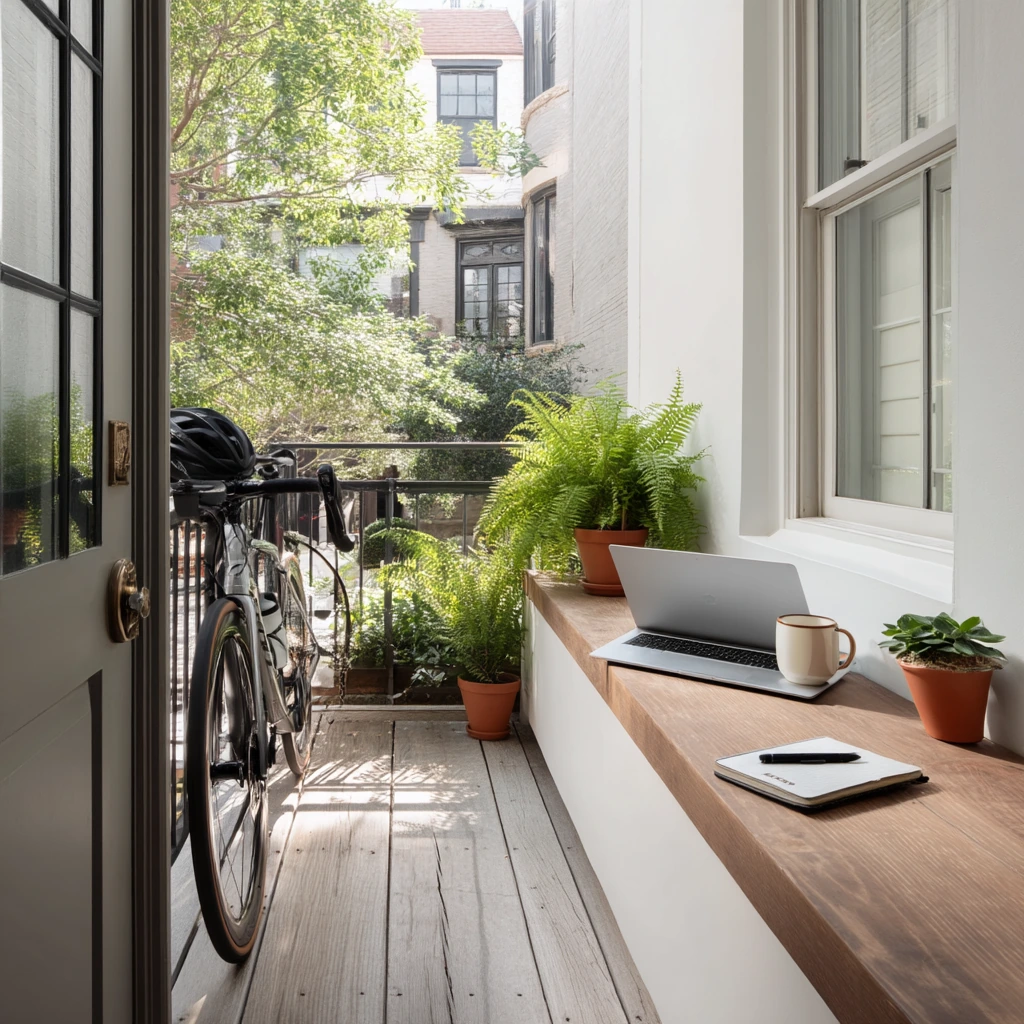
A narrow townhouse deck needs smart planning because every inch counts. A slim custom gate built into built-in seating can save space while still creating a safe boundary at the edge or stairs. It also supports daily work-from-home life: you can keep the door open for air while you sit with a laptop, a ceramic coffee mug, and a notebook, with a potted fern adding a soft touch.
The advantage of a built-in gate is that it can share structure with the bench, which helps it feel stable and intentional. Keep the swing path short so it does not bump knees or block the walkway. If your deck doorway is tight, consider a gate that opens outward to preserve floor space, but only if it will not swing over stairs. Use a latch that is easy to reach from a seated position, and make sure it clicks shut every time.
To style this look, keep cables and gear tidy. A charging cable draped near the outlet can look messy, so use a small outdoor cord cover or clip. Store a folded bike helmet in a bench cubby, and choose one or two planters instead of many small ones. Pale window light works well with simple neutrals, so pick cushion covers in light gray, sand, or soft green to match the fern.
- Build the gate to match the bench height and lines
- Use hidden hinges if you want a clean look
- Plan the swing so it clears seating and table legs
- Add a narrow latch that is easy to grab
- Keep the deck edge clear for safe walking
Pro Design Tip: Make the gate frame thicker than the slats and tie it into the bench side panels so it stays square and does not twist.
Budget Considerations: Built-ins can add labor cost. To stay on budget, use ready-made bench boxes and attach a simple gate panel that matches.
8 Budget DIY Gate with Painted Finish
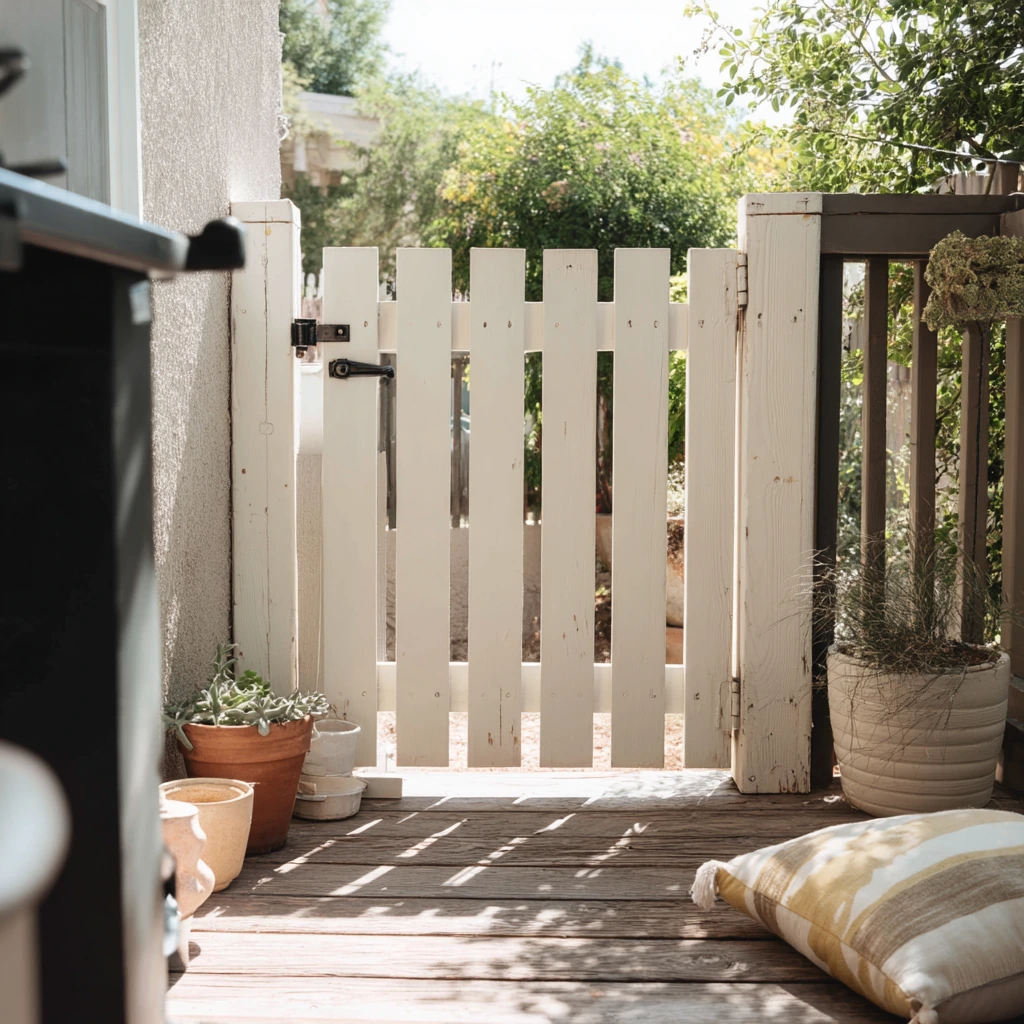
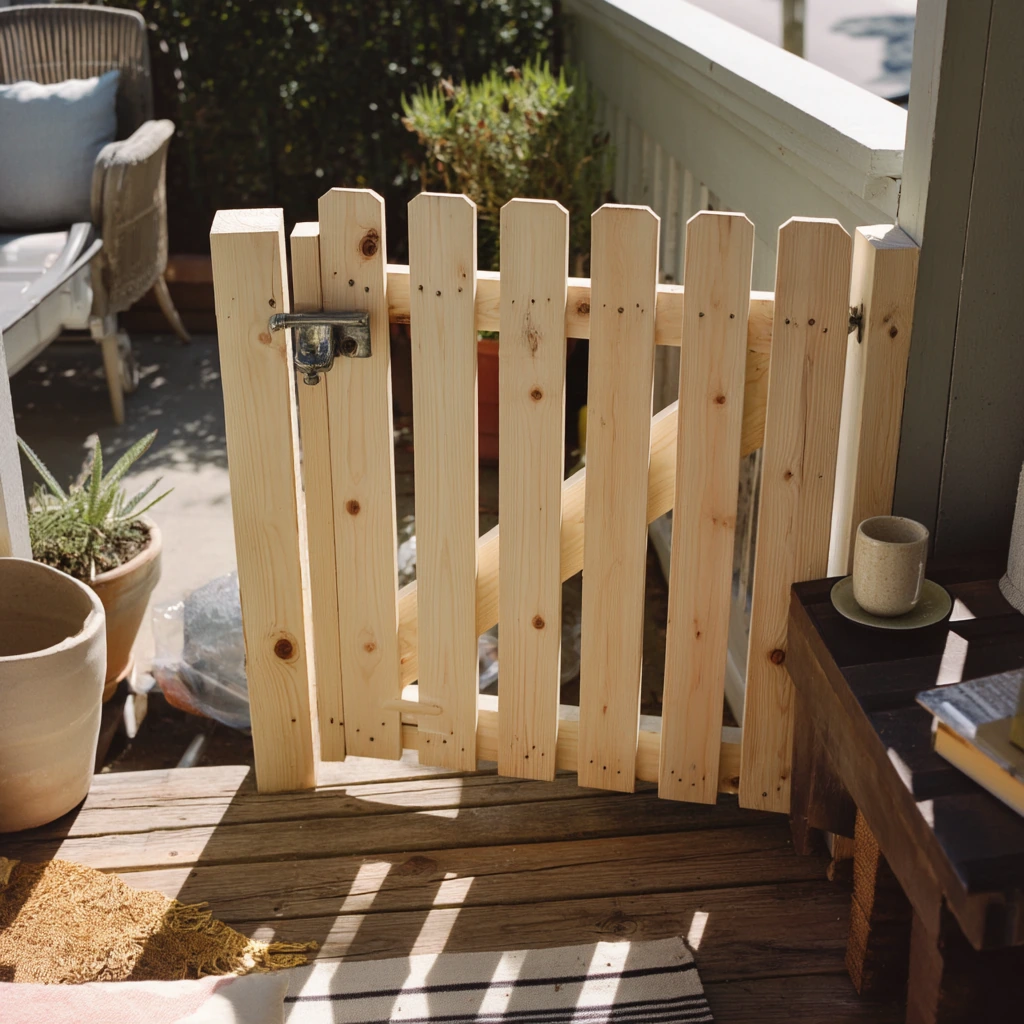
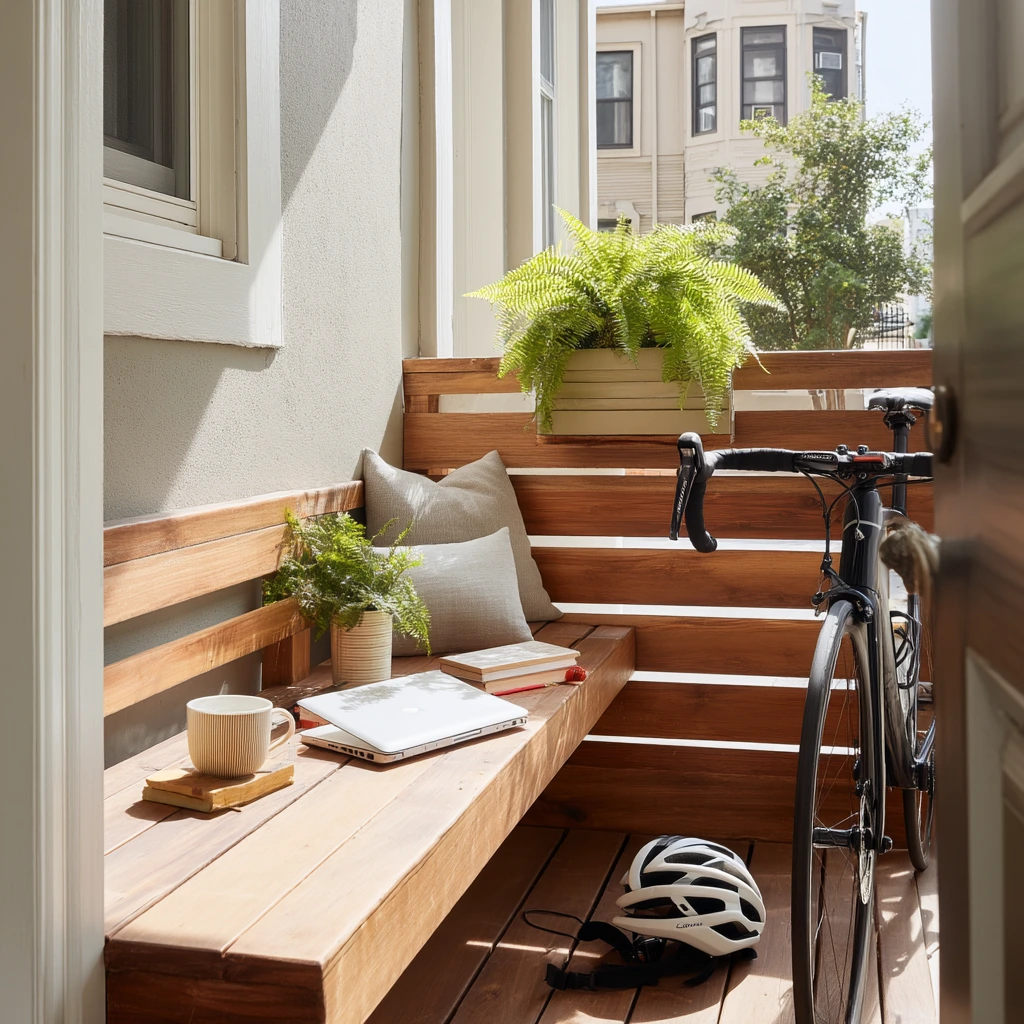
A DIY weekend deck gate can be simple, strong, and good-looking without special tools. A painted pine gate with visible hardware fits a small backyard deck beside a grill, and it looks honest and unfussy. You might have an open paint can tucked behind a pot, sandpaper on the step, and a folded drop cloth nearby. This is the kind of project that makes the deck feel more finished by Sunday night.
For a clean DIY build, start with a square frame. Measure the opening at the top, middle, and bottom, then build the gate slightly smaller so it swings freely. Use exterior screws, corner braces, and a straightforward latch that does not jam. If the deck boards are not perfectly level, add an adjustable hinge or a small gap at the bottom so the gate does not scrape. Paint protects pine, but prime first, especially on cut ends.
To style a painted gate, match the color to your trim, railing, or door. If your outdoor cushion has one wrinkle, it still looks put together when the color story is calm. Add one pot with a taller plant near the hinge side to frame the gate, and keep kid chalk and toys away from the latch so it stays clean. A small hook near the grill for tools helps the area stay organized.
- Build a stiff frame first, then add slats
- Use exterior-rated primer and paint
- Choose a latch that is easy to install and align
- Leave a bottom gap for drainage and swelling
- Seal screw holes and end grain for longer life
Pro Design Tip: Add a diagonal brace from the lower hinge side to the upper latch side to prevent sagging on a DIY gate.
Budget Considerations: Pine is low cost, but paint and hardware add up. Save by using basic strap hinges and buying paint during seasonal sales.

9 Accessible Gate for Aging-in-Place Comfort

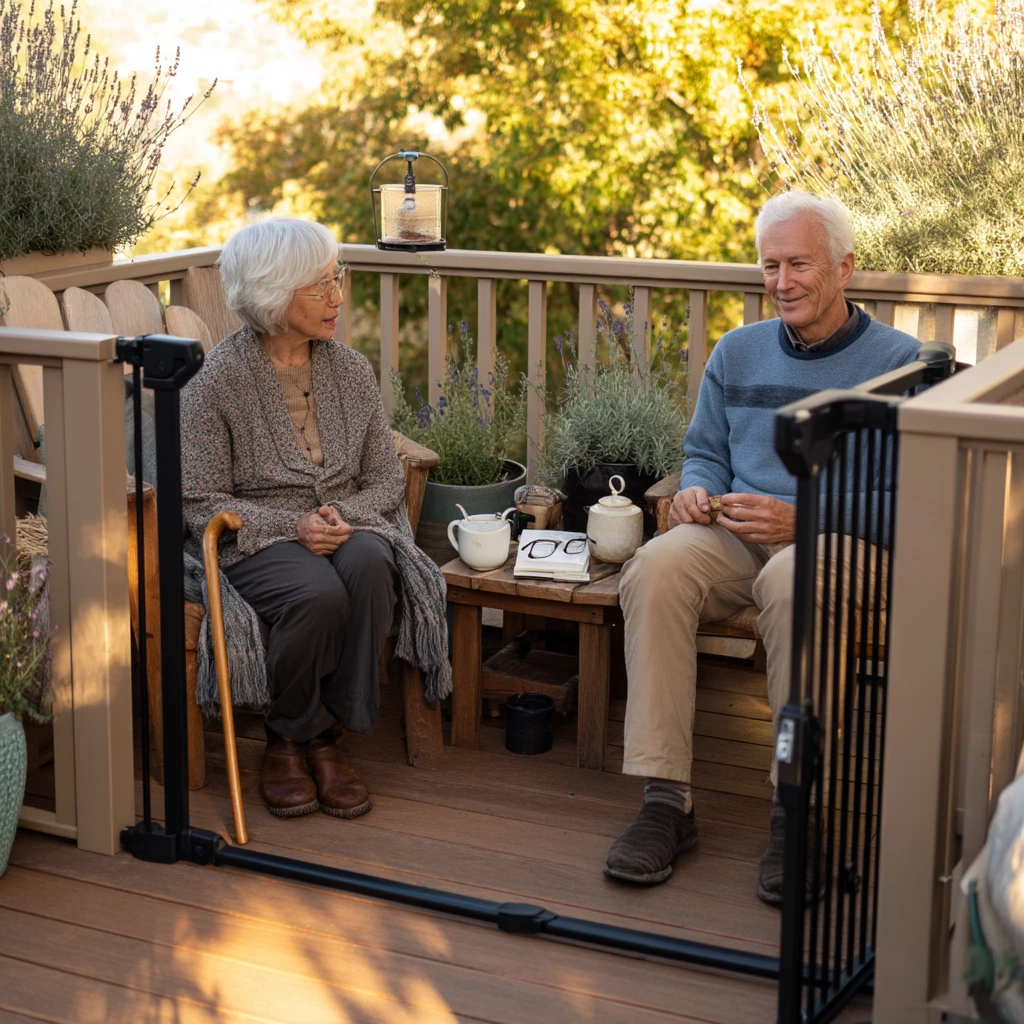
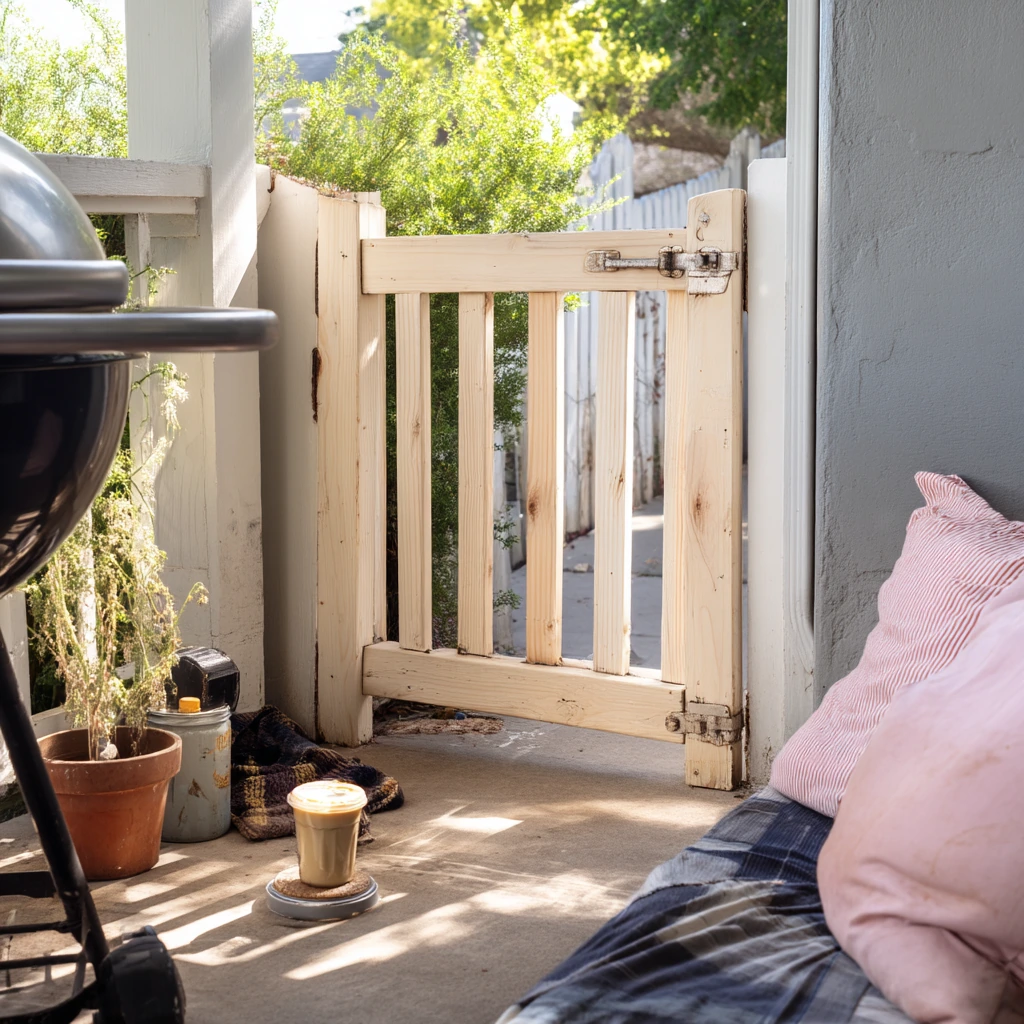
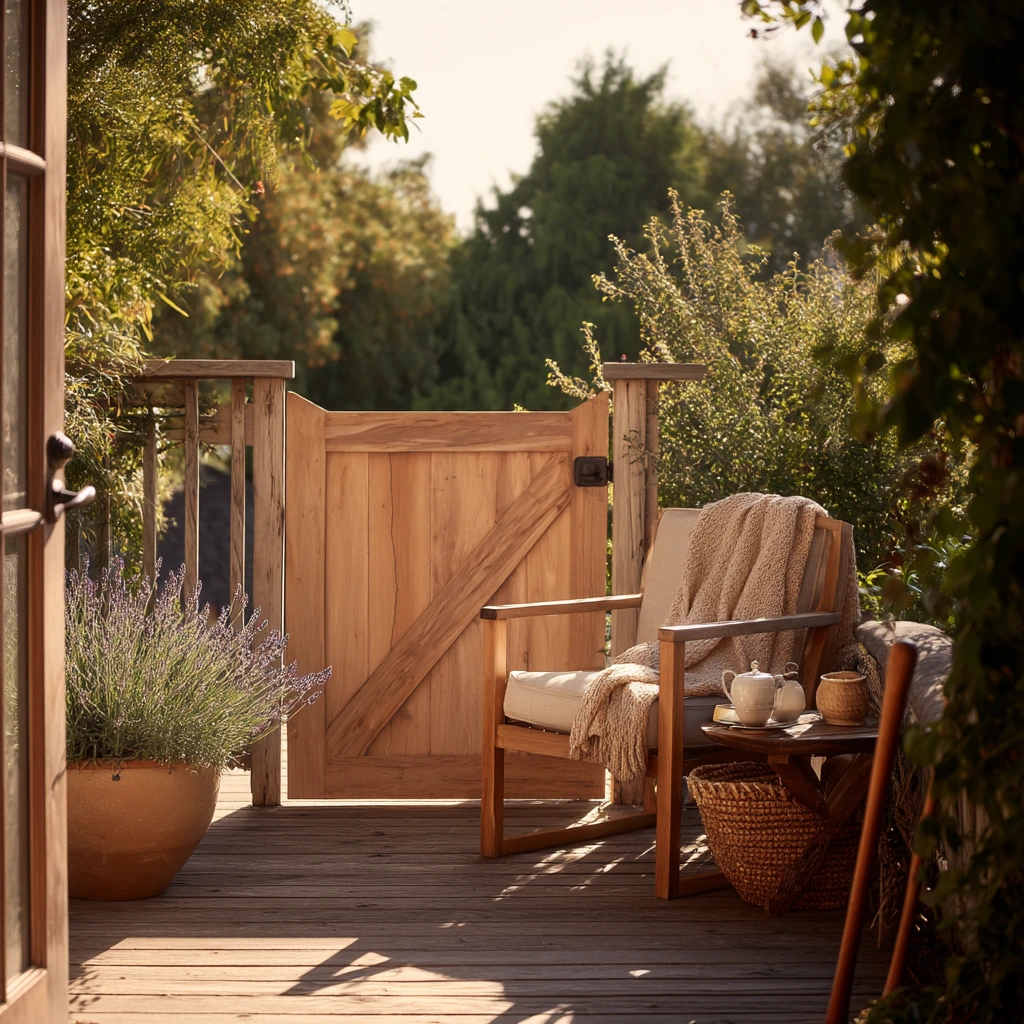
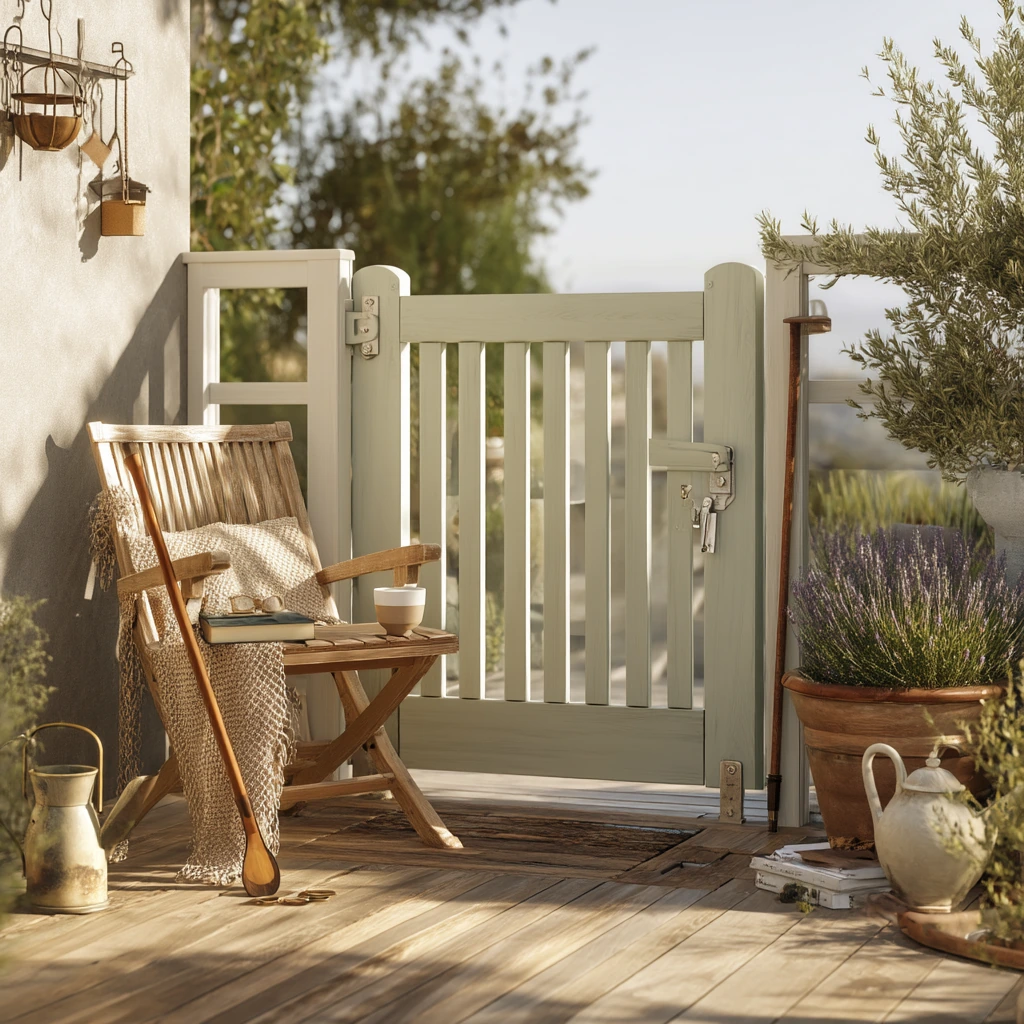
For an aging-in-place home, a deck gate should feel easy and safe, not fussy. A gently opening gate with a wide handle and a level threshold supports everyday routines, like an older couple taking tea after a walk. Small details matter here: a cane resting near the chair, reading glasses beside a paperback, a wool throw for comfort, and potted lavender adding a soft scent in warm afternoon light.
The main goal is smooth movement. Avoid a high lip or awkward step at the threshold, since it can catch toes or a walker. Use hinges that open with little effort and do not bind. A wide handle is easier than a small knob, especially with arthritis. Choose a latch that gives clear feedback when it closes, so you know it is secure without needing to slam it. Good lighting at the gate helps at dusk, and a non-slip mat can reduce slips after rain.
To style an accessible gate, keep the deck corner calm and uncluttered. Place a small side table for a teapot and mugs, and add one bird feeder in the background for a peaceful view. Use soft textures like a throw and a cushion, but keep them out of the walking lane. Lavender or low planters can mark the edge of the space without creating trip hazards.
- Keep the threshold level and easy to step over
- Choose a wide, easy-grip handle
- Use soft-close hinges for quiet, safe movement
- Add non-slip surfaces near the gate area
- Install a light so the latch is easy to see
Pro Design Tip: Use lever-style handles and a magnetic latch for a smooth close that does not require wrist strength.
Budget Considerations: Accessibility hardware can cost more. If you are limited, prioritize the handle and latch first, then upgrade lighting and mats later.
10 Seasonal Gate with Holiday Greenery
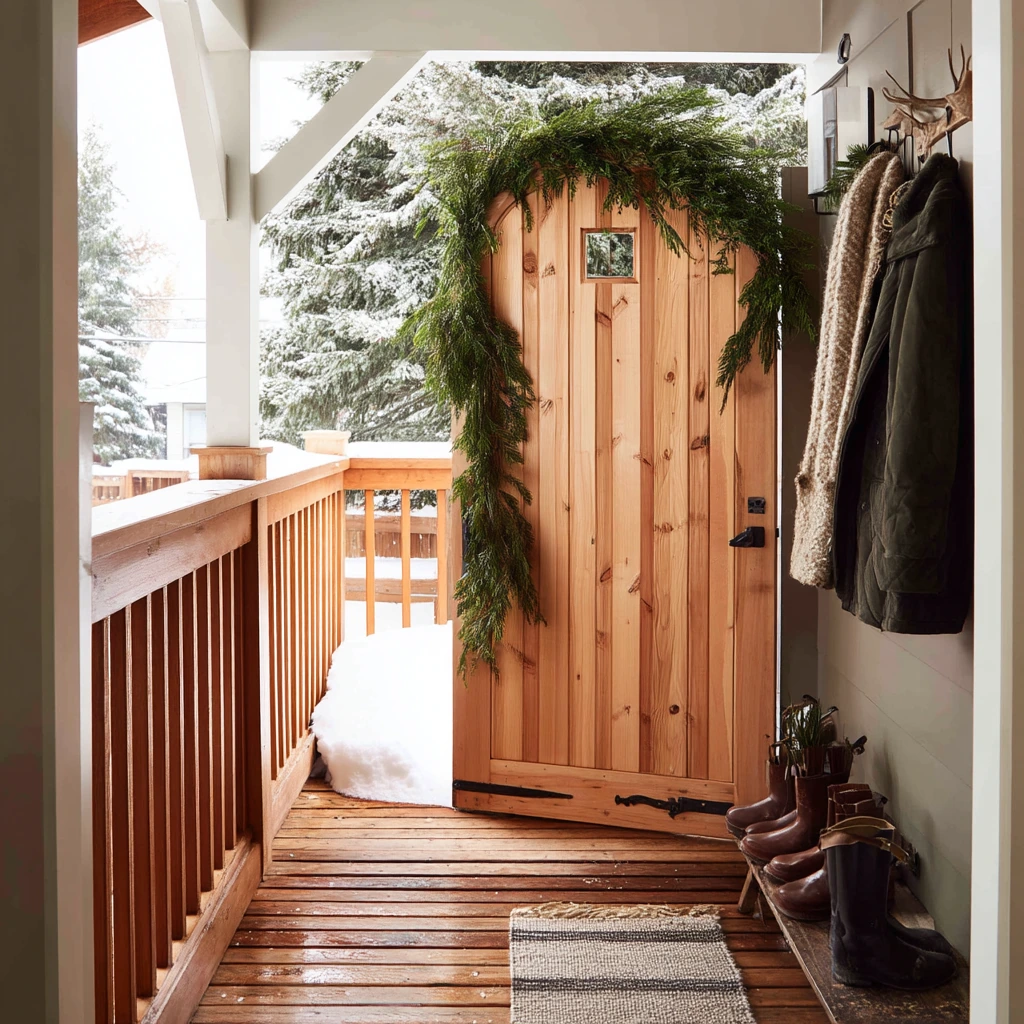
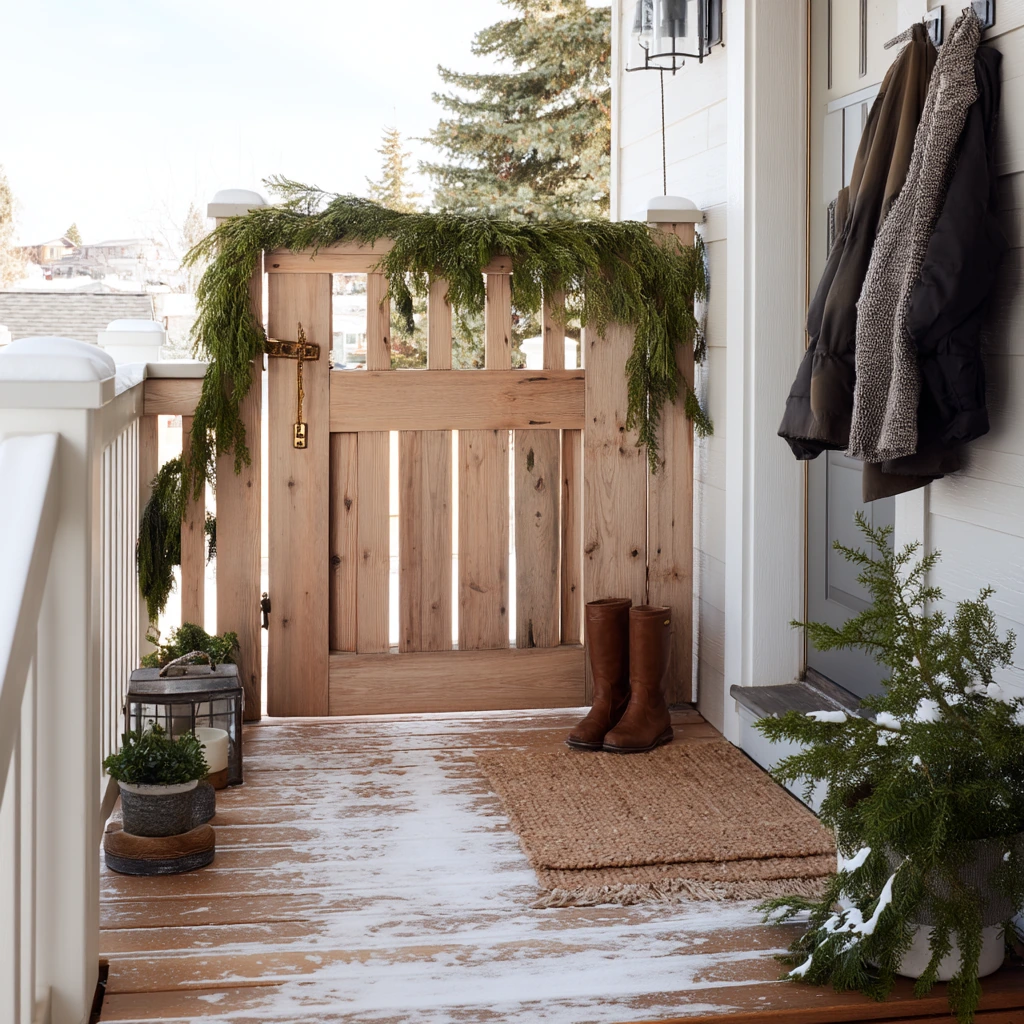
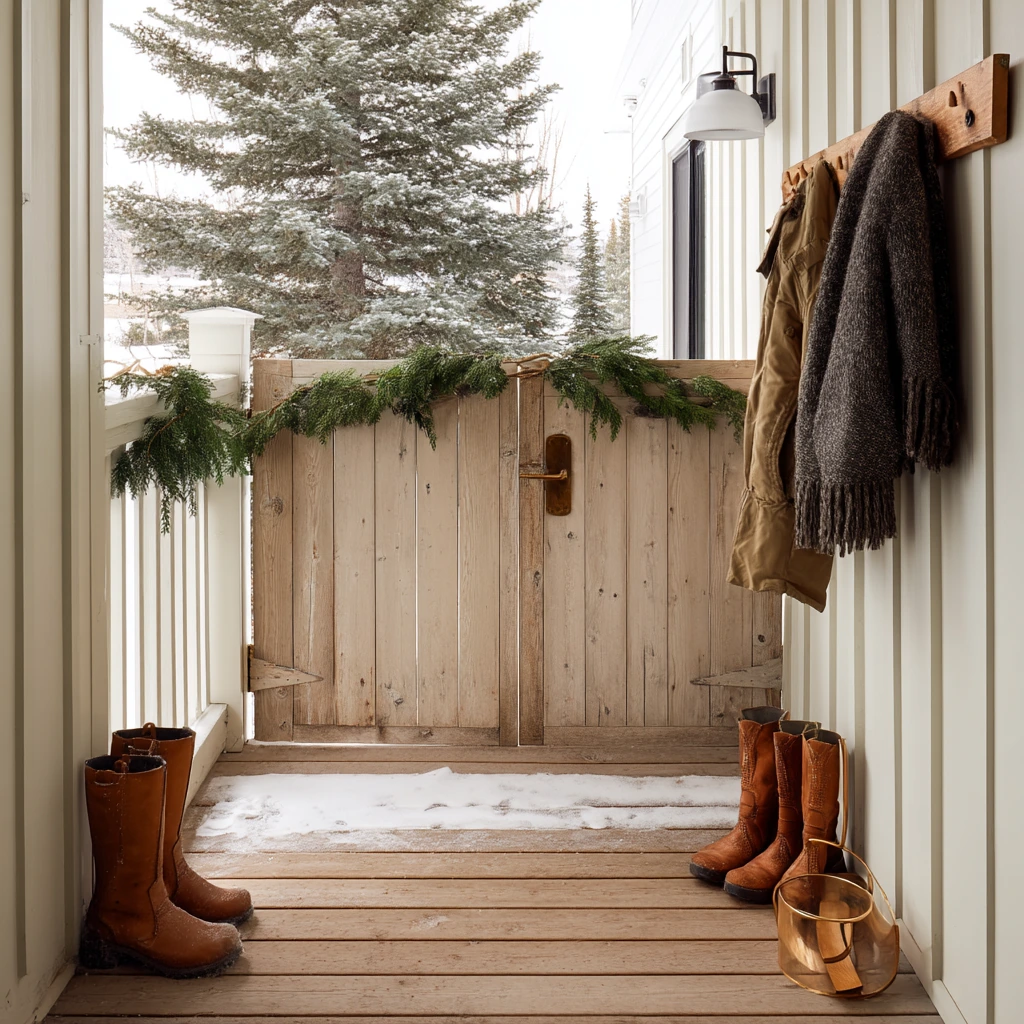
A winter-ready deck gate needs to work even when boards are damp and boots track in snow. A classic wood gate with a simple brass latch can feel warm and timeless, especially when dressed with cedar garland. This setup fits a busy family entry: coats hang just inside the door, boots sit on a mat, mittens rest on the rail, and hot cocoa mugs wait nearby while a sled leans against the wall.
Cold weather adds stress to wood and hardware. Make sure the gate has enough clearance so it will still swing when wood swells. Use outdoor-rated screws and consider a latch that is easy to operate with gloves. If snow piles up near the steps, place the gate where you can shovel without damaging it. Cedar garland is pretty, but keep it away from hinges and latch points so it does not snag or hold moisture.
To style a winter gate, keep the look simple and practical. A brass latch pairs well with natural wood, cedar greenery, and neutral winter gear. Add a boot tray and a small hook for wet hats so the deck stays tidy. If pine needles drop onto the floorboards, a small hand broom near the door makes cleanup quick. Soft cloudy daylight can feel cozy with warm indoor light, so consider a porch light with a warmer bulb.
- Leave extra swing clearance for winter swelling
- Pick a glove-friendly latch and handle
- Hang garland so it does not block the latch
- Add a boot tray and towel hook near the door
- Seal wood to reduce water absorption and staining
Pro Design Tip: Use a marine-grade clear sealer on the gate edges and bottom rail to reduce water damage from snow melt.
Budget Considerations: Seasonal decor can be reused each year. If you need to save, use a basic latch now and upgrade to brass when the gate is already sealed and stable.
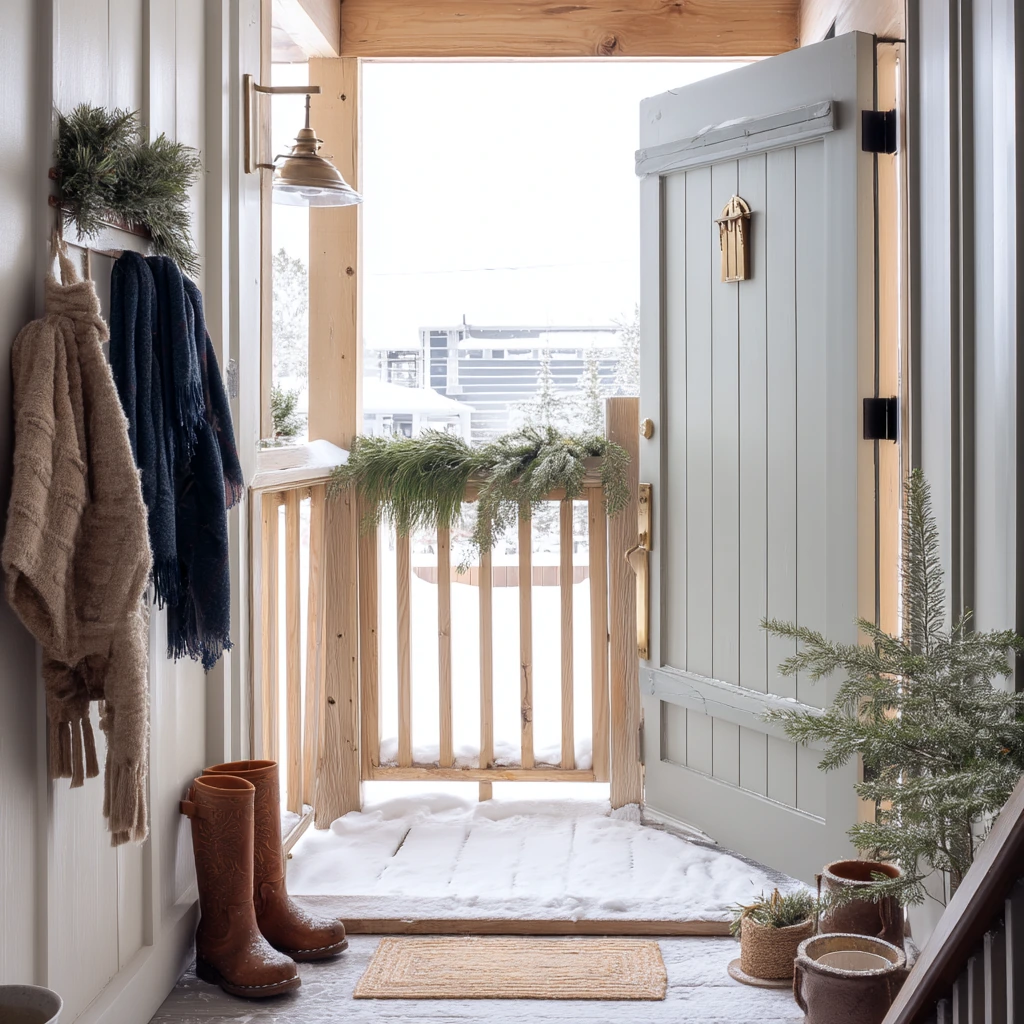
Deck gate ideas work best when they match your daily life, not just your style. Start with the problem you need to solve, like toddler safety at stairs, dog control, privacy, or a tight townhouse layout.
Choose strong hinges, a latch you can use with one hand, and spacing that fits your needs. Then finish the look with small details like planters, a shoe tray, or warm lighting so the entry feels calm.
If you want the simplest next step, measure your opening, decide on swing direction, and pick the gate material that fits your climate and upkeep style. A well-planned gate makes the whole deck easier to use every day.
FAQ: How tall should a deck gate be for a toddler? Aim for a height similar to your railing, often 36 to 42 inches, and use a latch placed high. What is the safest latch for a deck gate? A two-step or locking latch that self-aligns is a strong choice. Can I add a deck gate in a rental? Yes, use a pressure-mounted or freestanding system and confirm rules with your landlord. What spacing should slats have for child safety? Keep gaps under 4 inches so a child cannot slip through. How do I stop a wood deck gate from sagging? Use a stiff frame, quality hinges, and a diagonal brace from lower hinge to upper latch. What is the best material for a low-maintenance deck gate? Powder-coated metal or sealed cedar tends to hold up well outdoors.