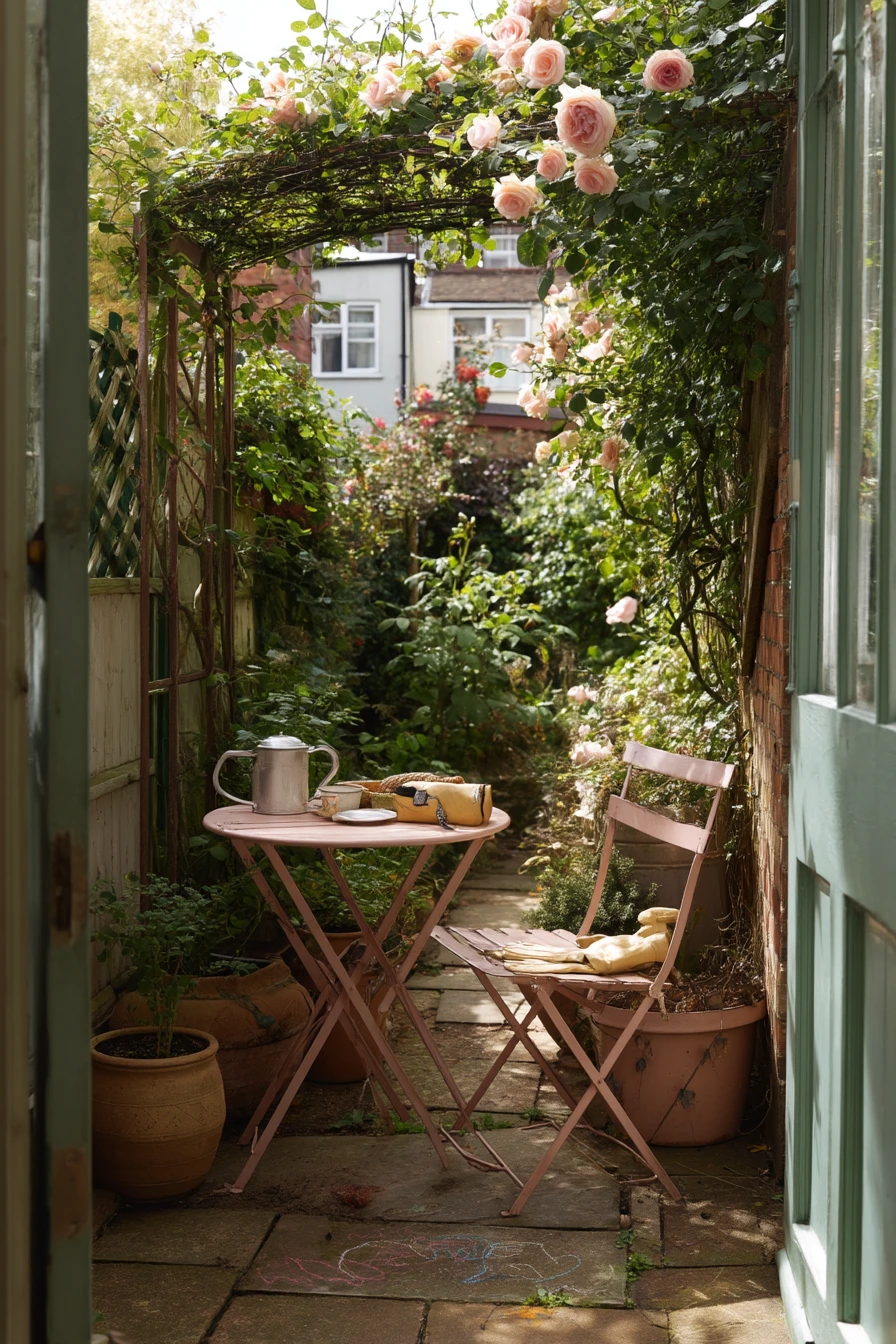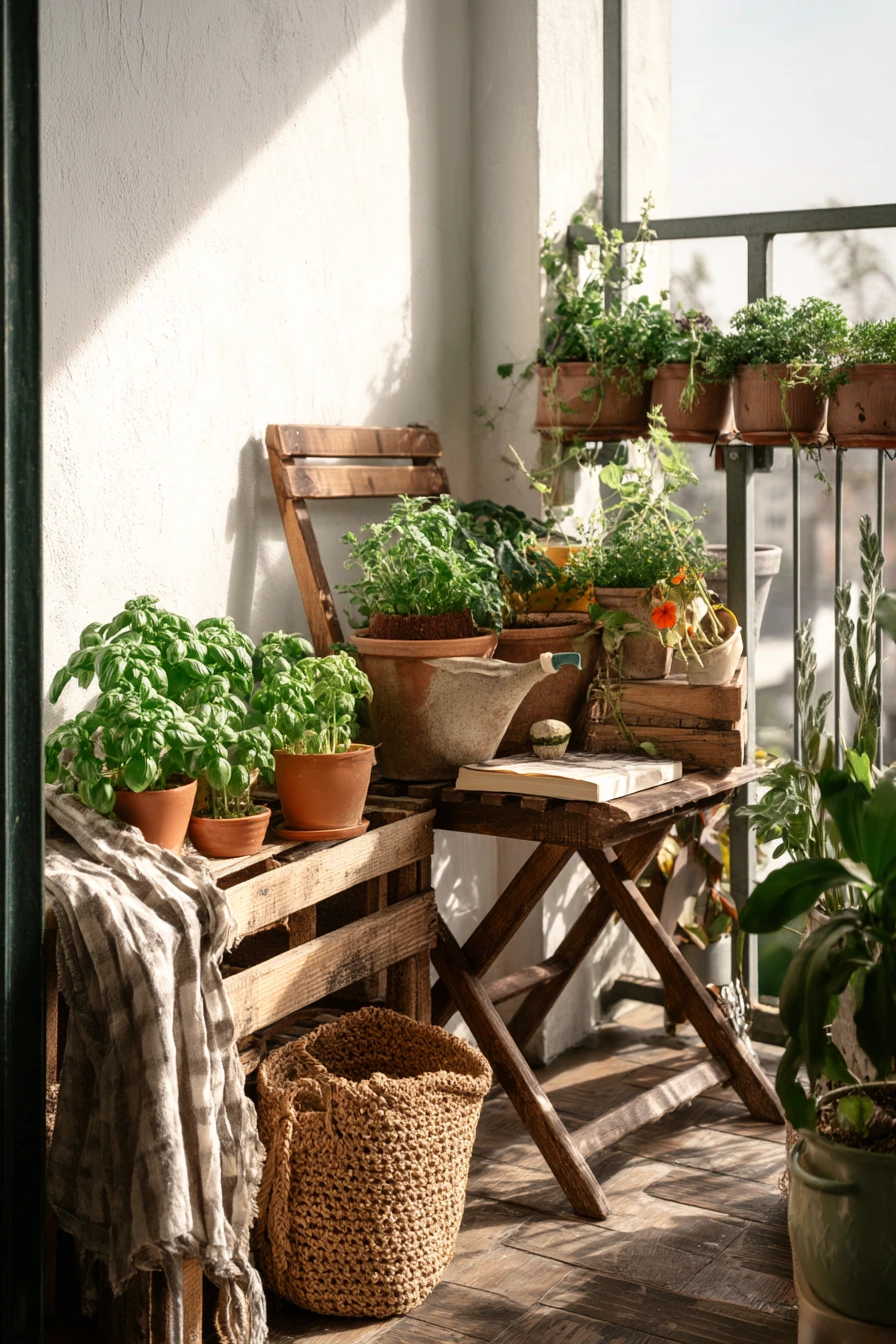

Garden room ideas can turn a small extra space into the best room in the house. A garden room can be a coffee nook, a home office, a play-and-read zone, or a place to eat together.
This post shows real, lived-in setups with simple furniture, storage that works, and easy styling. You will see details like linen curtains, woven rugs, low shelving, and trailing plants, plus small touches that make the room feel used and calm.
Each section includes practical steps, how to style it, a pro design tip, and a budget note. Use these ideas to plan your layout, pick the right pieces, and keep the room easy to live with.
If you are coming from Pinterest, save the ideas you like, then use the checklists in each section to build your own garden room one step at a time.
1 Small Garden Room for Morning Coffee
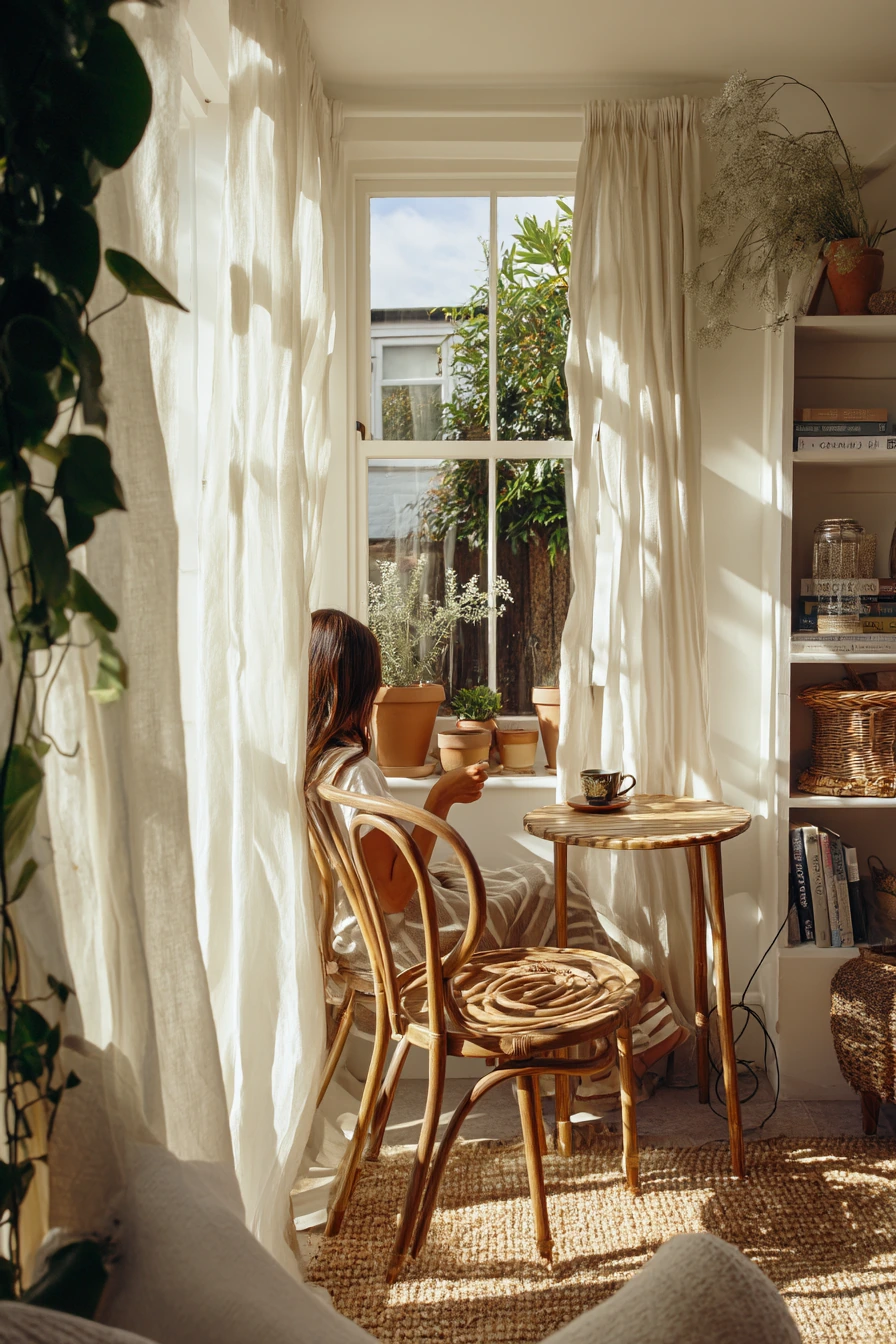
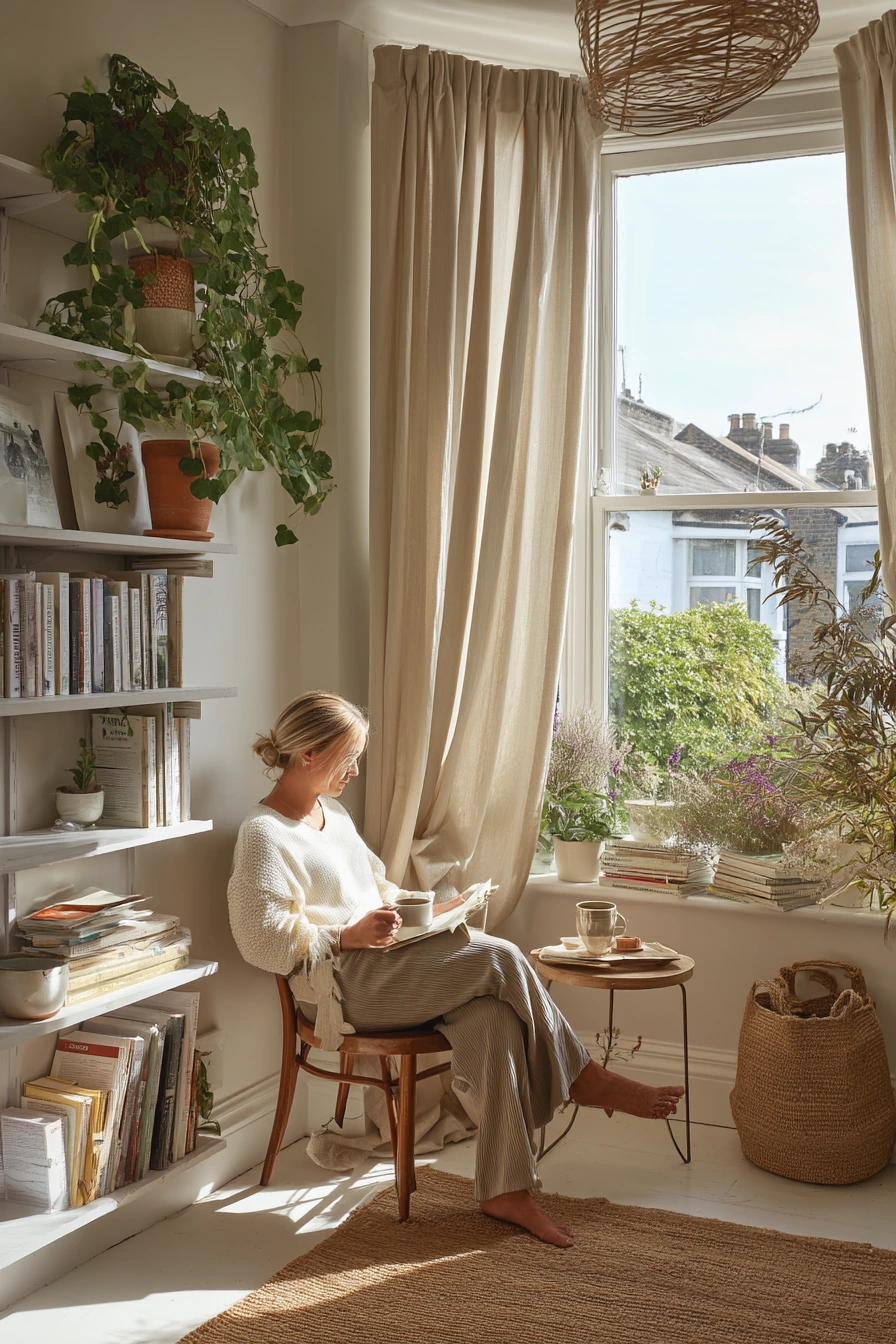
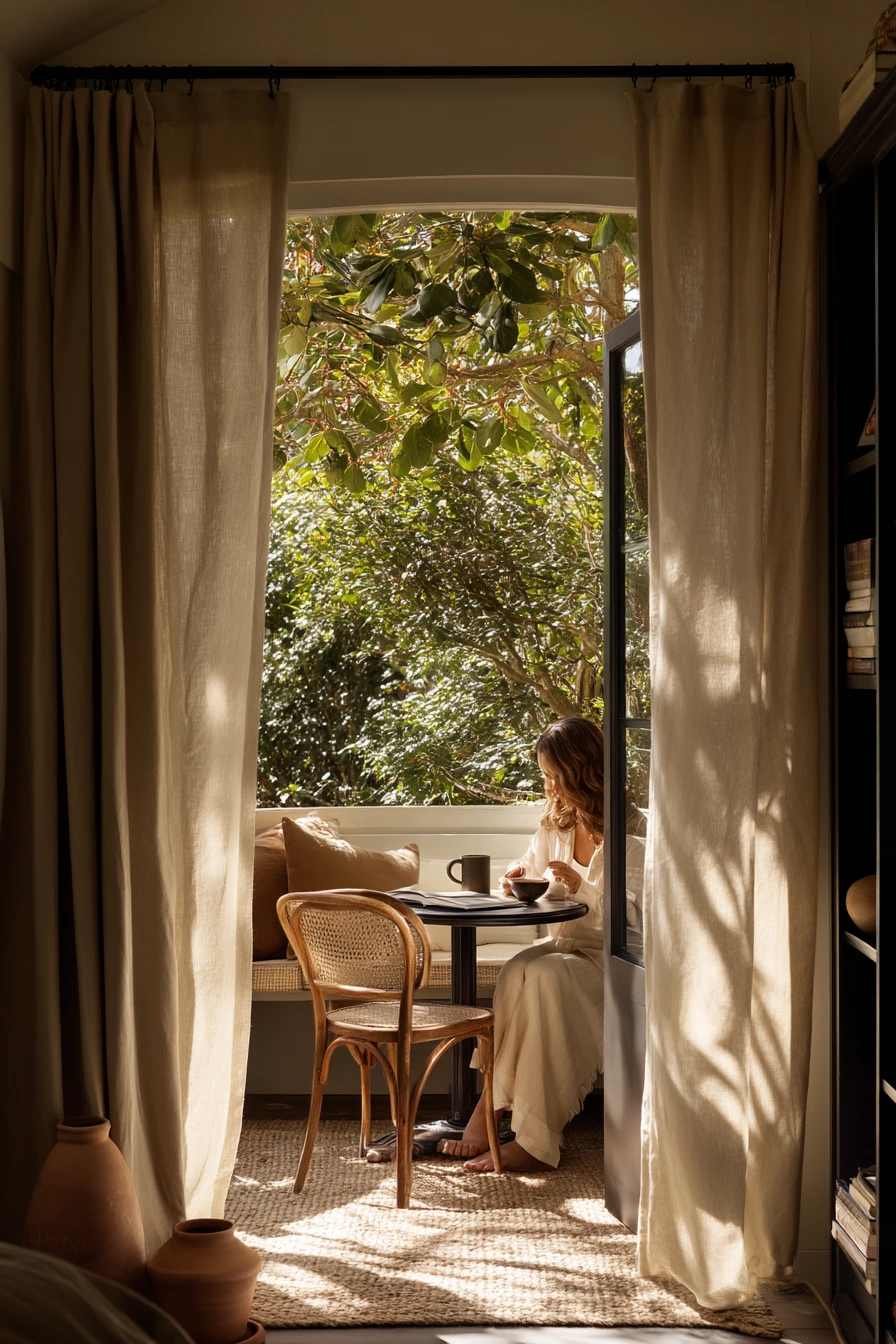
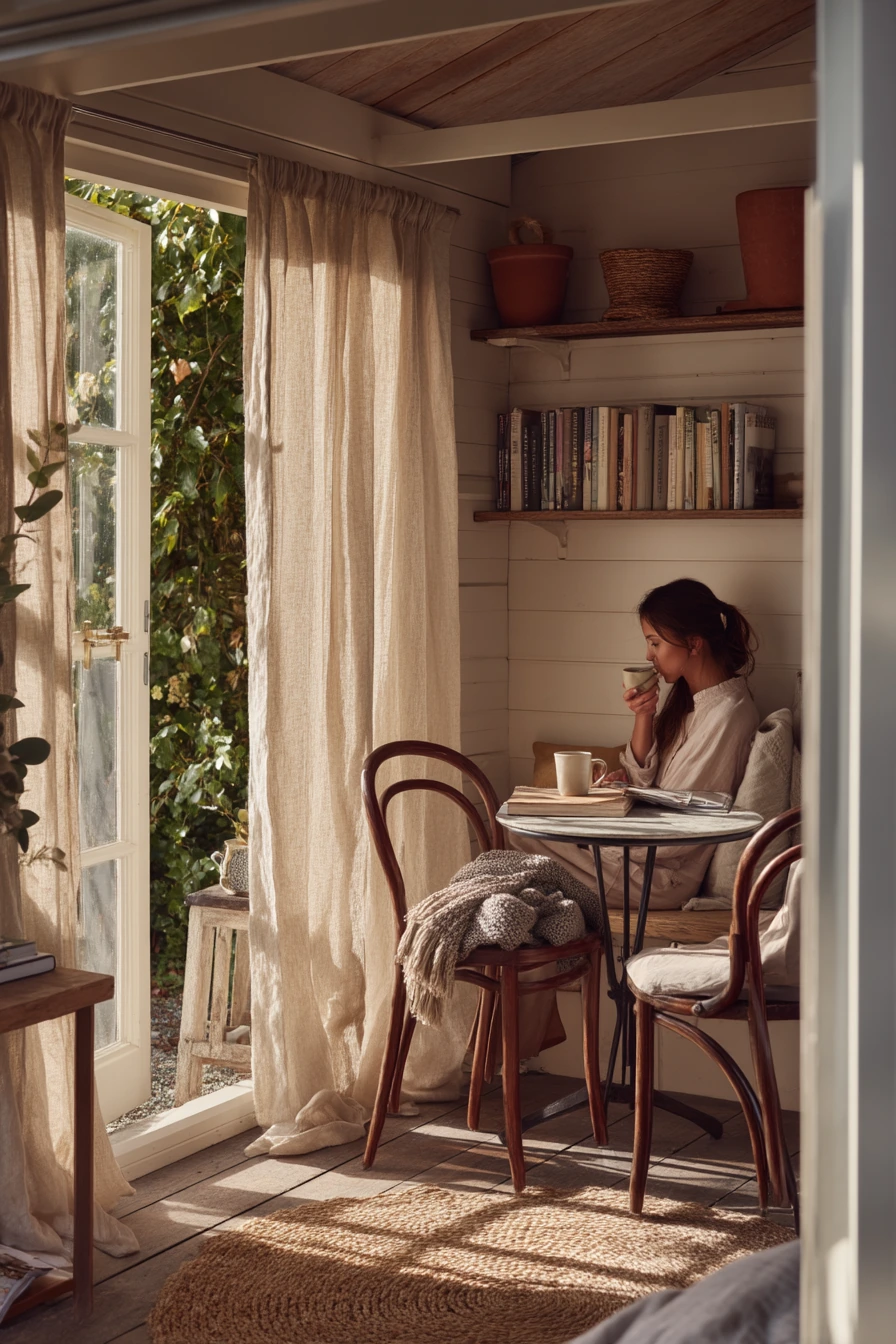
A compact garden room can work well as a quiet morning coffee nook. Start with a small bistro table and two bentwood chairs so the space stays open. Add linen curtains to soften the glass and a woven rug to warm up the floor under your feet.
Style it like a real home, not a showroom. Terracotta pots and potted herbs bring in color without looking busy. A slim bookshelf with gardening books makes the corner feel personal. Keep one chair a little relaxed with a half-folded throw over the back.
Make it practical for daily use. A charging cable on the windowsill is fine if you manage it neatly. Use a small tray for a mug and spoon, and keep coasters nearby so the table stays clean. If the room gets strong sun, place plants where leafy shadows fall across the rug for a calm look.
- Pick a round bistro table to improve the walking path.
- Hang linen curtains high to make the ceiling feel taller.
- Group terracotta pots in odd numbers for a simple display.
- Add a narrow book ledge or slim shelf for gardening reads.
- Use a small basket to hide cables and chargers.
Pro Design Tip: Choose one main texture (linen, woven jute, or raw wood) and repeat it in 3 places, like curtains, rug, and chair seats, so the nook feels pulled together.
Budget Considerations: A secondhand bistro set and thrifted terracotta pots cost less than new. If a rug is pricey, layer a smaller woven mat over an affordable flatweave.
2 Family Garden Room Play-and-Read Zone
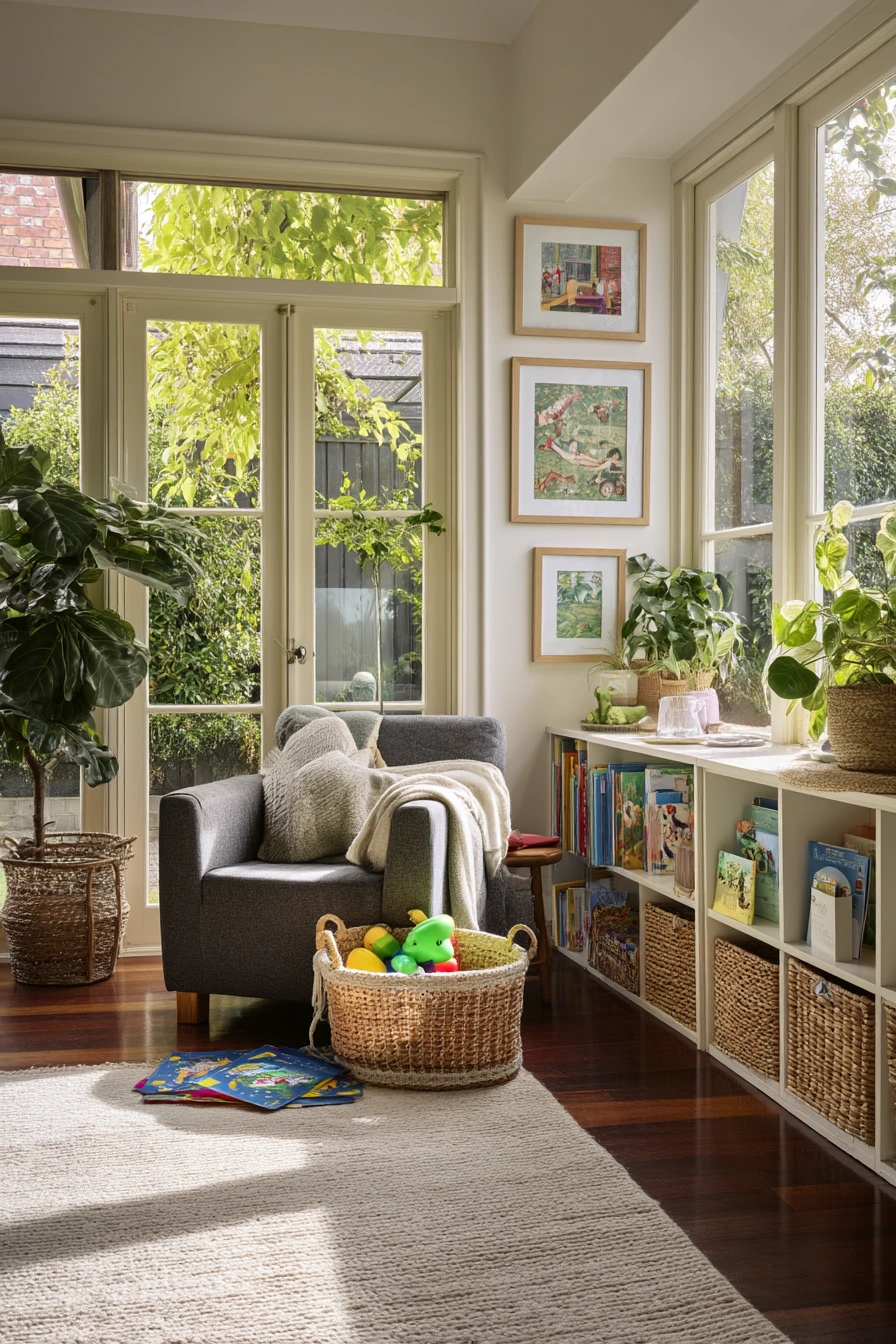
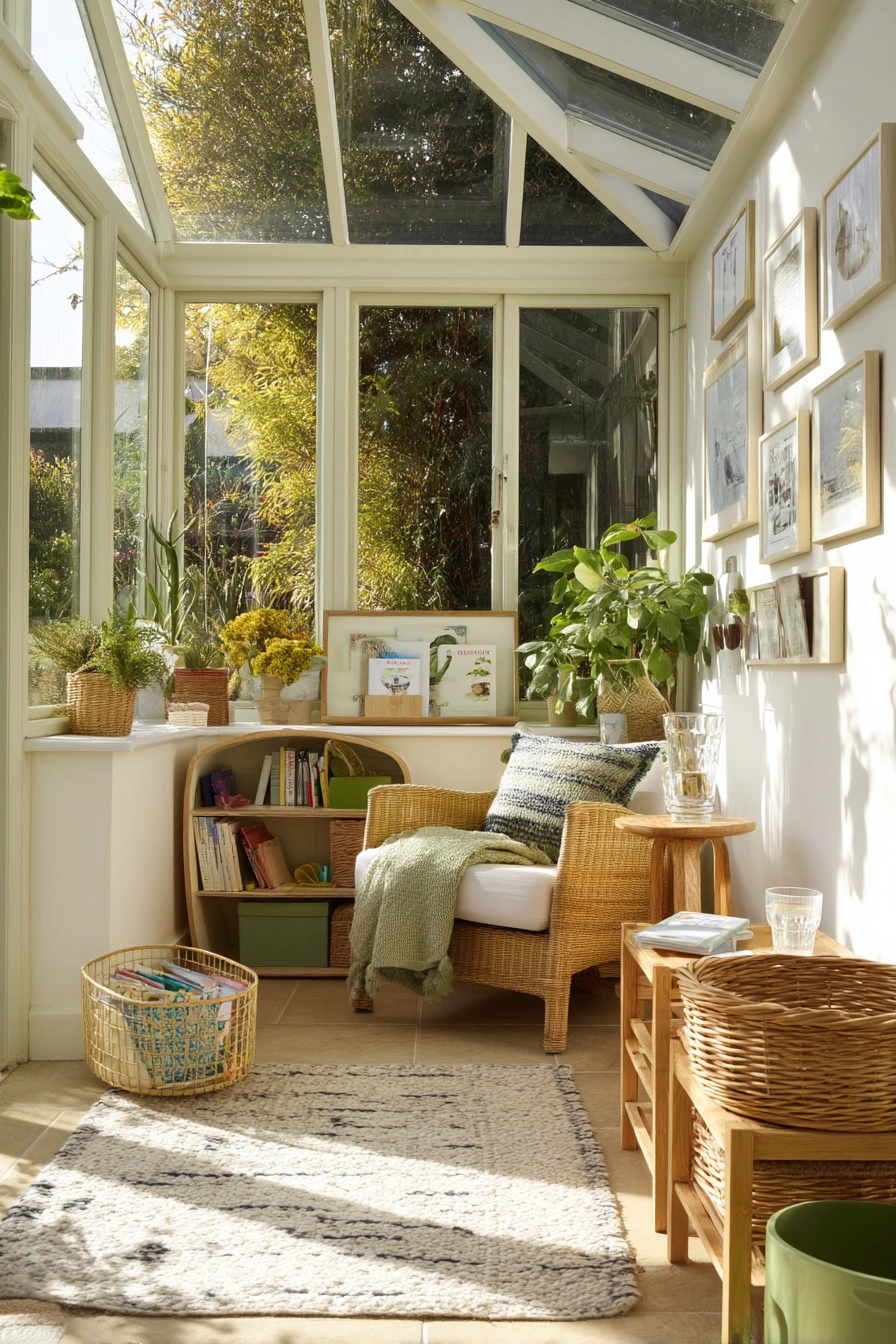
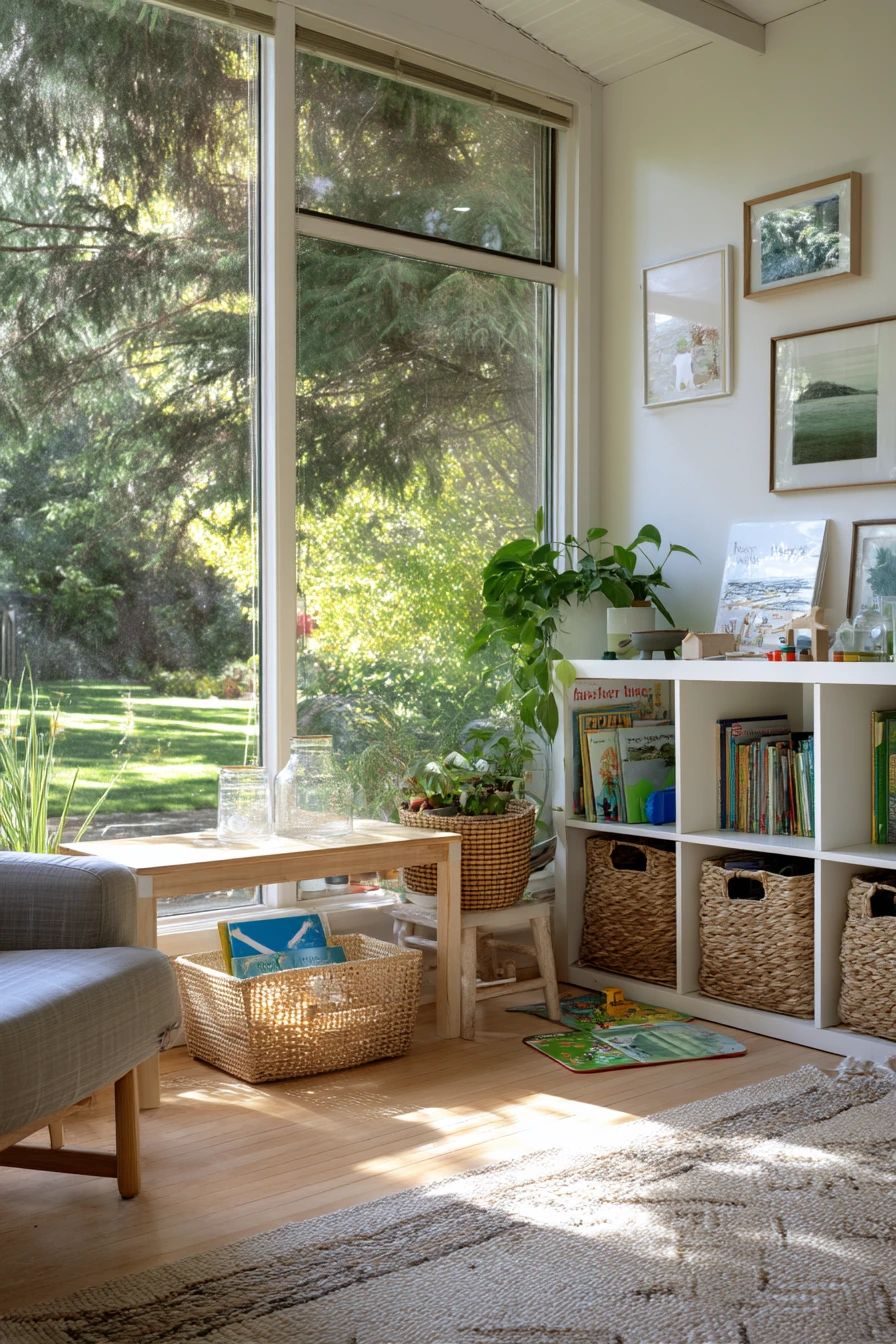
A practical garden room can be the perfect children’s play-and-read zone. Use low shelving so kids can reach books and toys without help. Add basket storage to keep the floor clear fast, even on busy days.
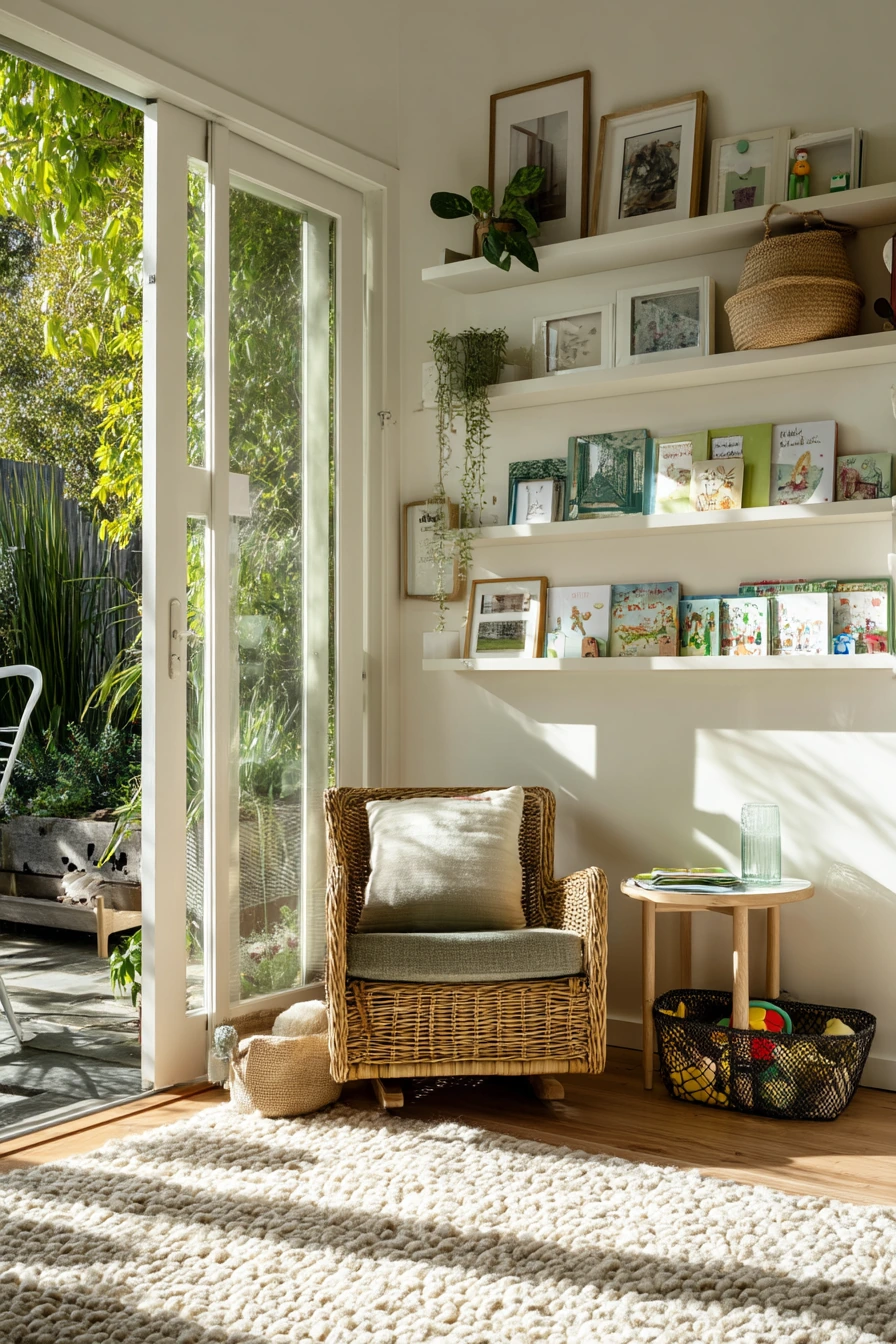
Choose a washable rug that can handle crumbs, paint, and muddy socks. A deep armchair by the glass creates a calm spot for reading while still watching play. Plant stands and a few robust indoor plants bring life into the room, but keep them out of the main traffic path.
Keep it feeling lived-in and warm. Frame a few family photos and hang them at a lower height. Let picture books spill a little on purpose, but give them a home at the end of the day. A small side table for a water glass and a reading light makes the corner useful for adults too.
- Use a cube shelf and label baskets with words or pictures.
- Keep a “today’s books” bin so covers face forward.
- Pick a rug you can spot clean or machine wash.
- Add a plant stand in a corner, not by the door.
- Store art supplies in a lidded box for quick cleanup.
Pro Design Tip: Build one clear zone for each activity (reading, building, art) and leave a small open strip of floor between zones to reduce visual clutter.
Budget Considerations: Affordable cube shelves and fabric bins work well. Print family photos at home and use simple frames instead of custom wall sets.
3 Renter-Friendly Garden Room Retreat
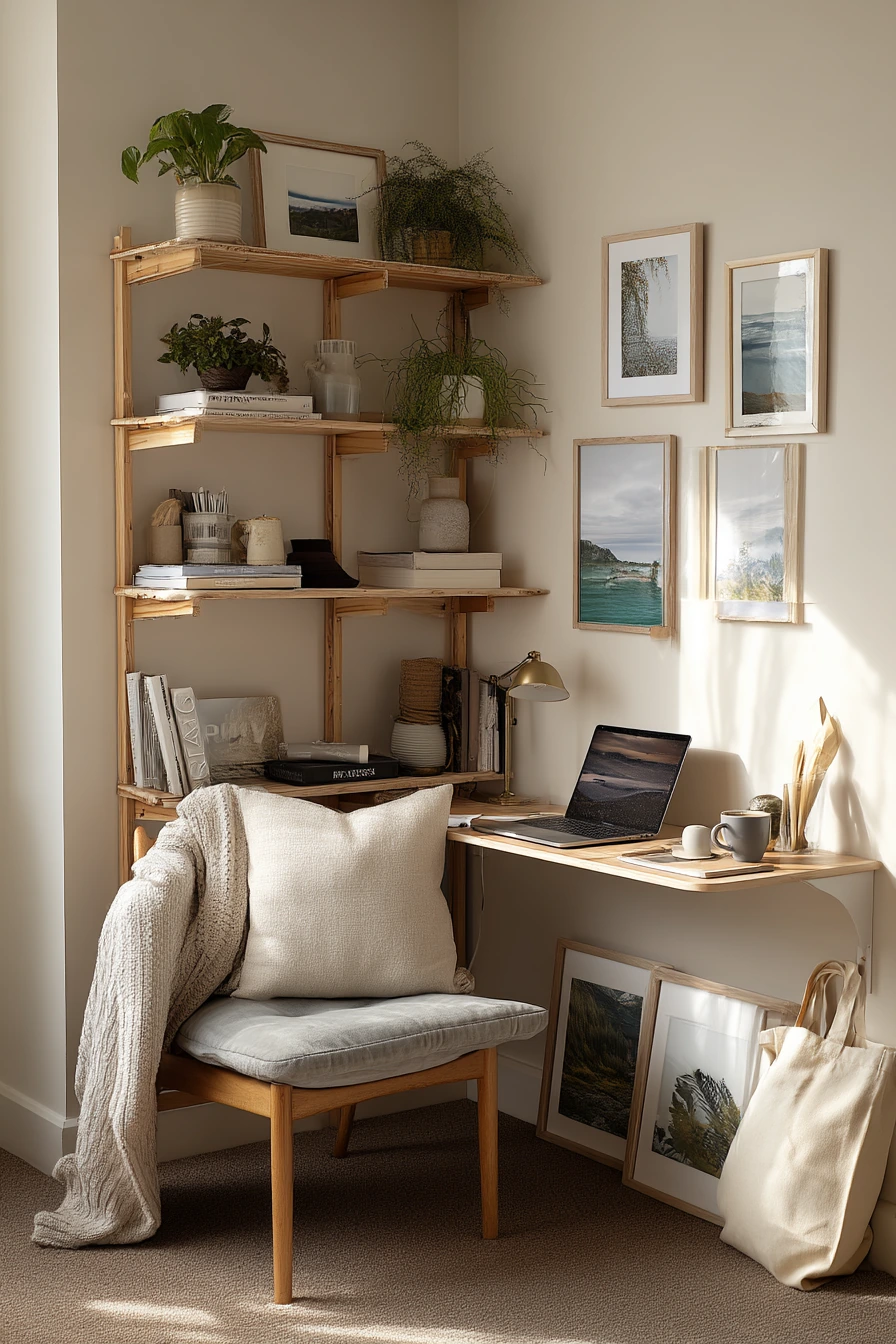
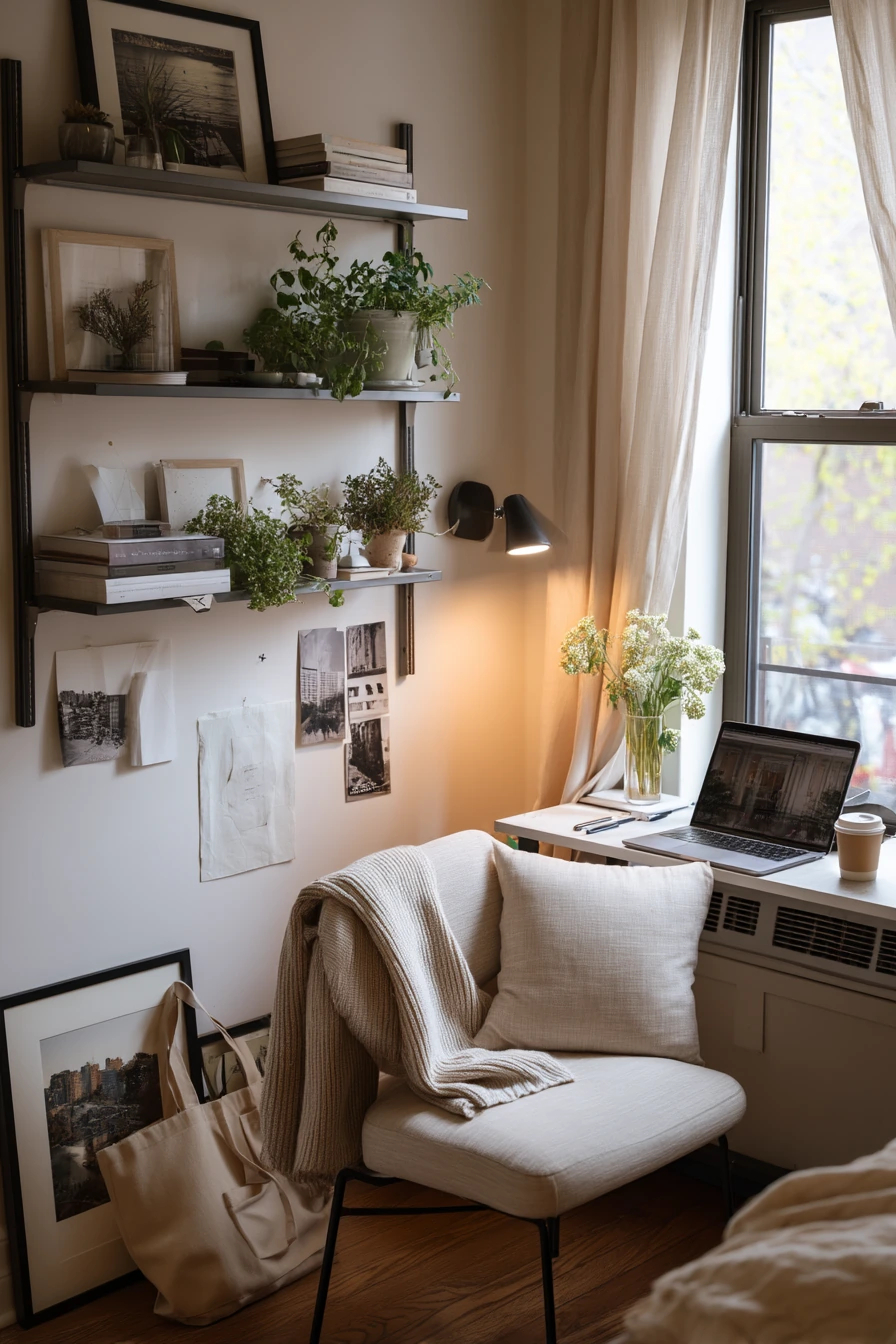
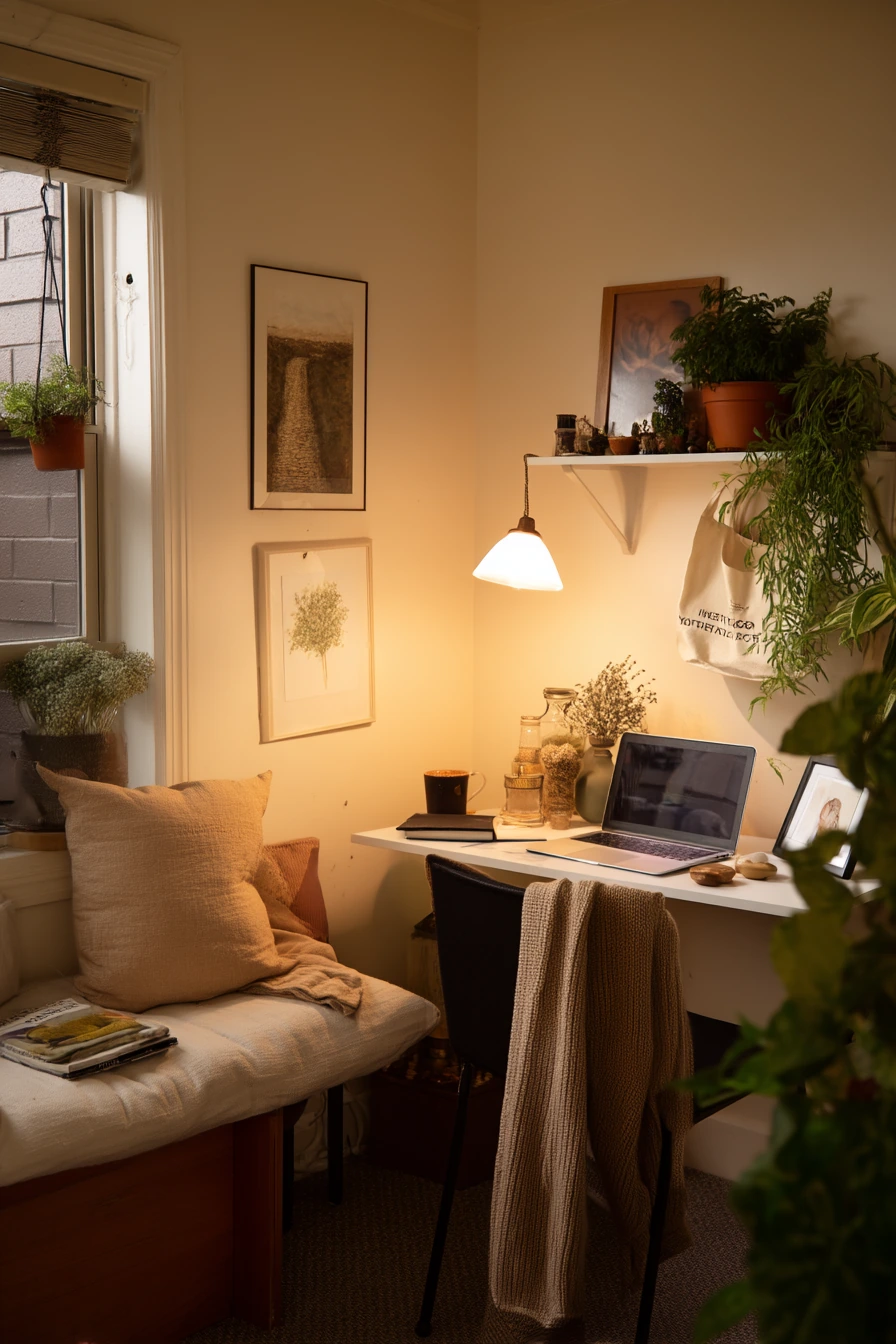
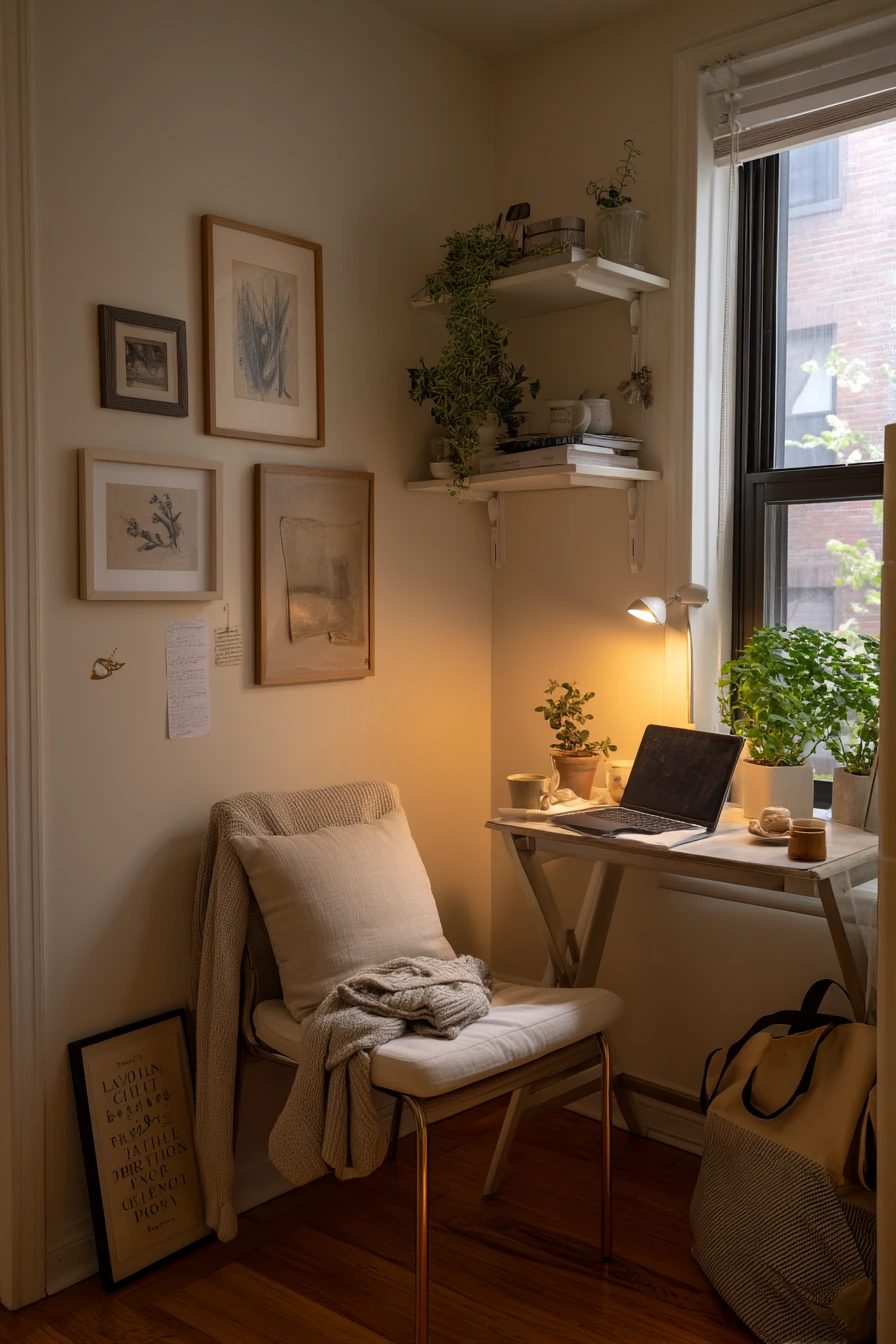
If you rent, a garden room corner can still become a work-from-home spot without drilling or permanent changes. Start with removable shelving or leaning shelves. Pair it with a foldable desk that can tuck away when you need the room for other uses.
Lighting matters in small spaces. Use a clip-on lamp for task light, then keep the rest soft with window glow. Neutral cushions on a simple chair help it feel comfortable, and potted herbs add a fresh, useful touch. Framed prints leaning on the floor look casual and do not damage walls.
Style it for real life. Leave room for a laptop, notebook, and coffee cup, plus a grocery tote by the door. A sweater draped over the chair keeps the setup from looking too perfect and reminds you to make it cozy. Keep cords tidy with adhesive cable clips and a small basket under the desk.
- Choose a foldable desk with a flat top for stable typing.
- Use removable hooks for headphones and tote bags.
- Lean art on the floor or on a low shelf for a relaxed look.
- Place herbs near light, but away from keyboard splashes.
- Hide power strips in a box to reduce mess.
Pro Design Tip: Keep your work surface clear by giving every small item a “home,” like one tray for pens and one bin for chargers, so the corner looks neat even when you are busy.
Budget Considerations: A clip-on lamp and folding desk are usually cheaper than built-ins. Use printable art or thrifted frames to fill the wall area without costly decor.
4 Budget Garden Room Potting Corner
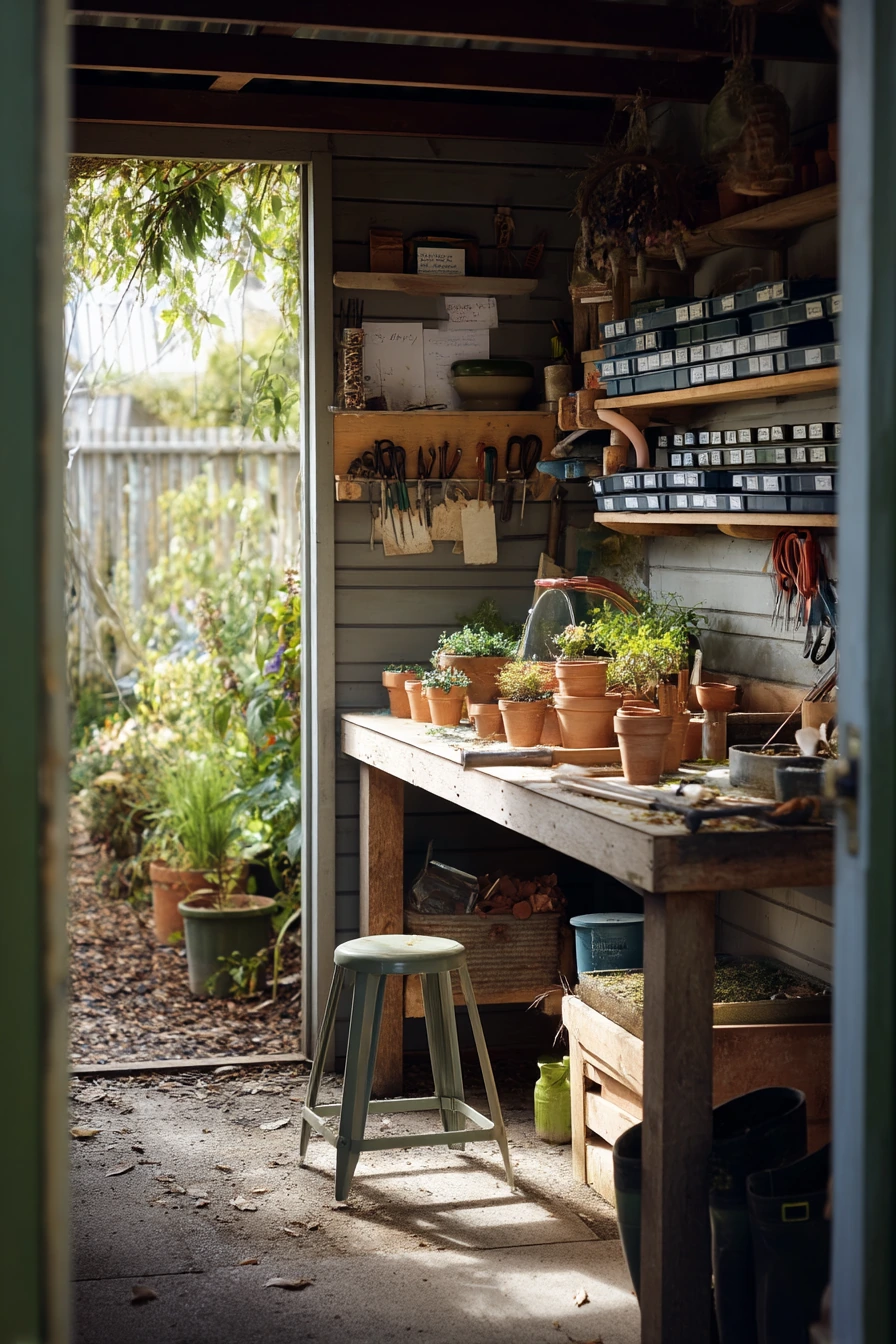
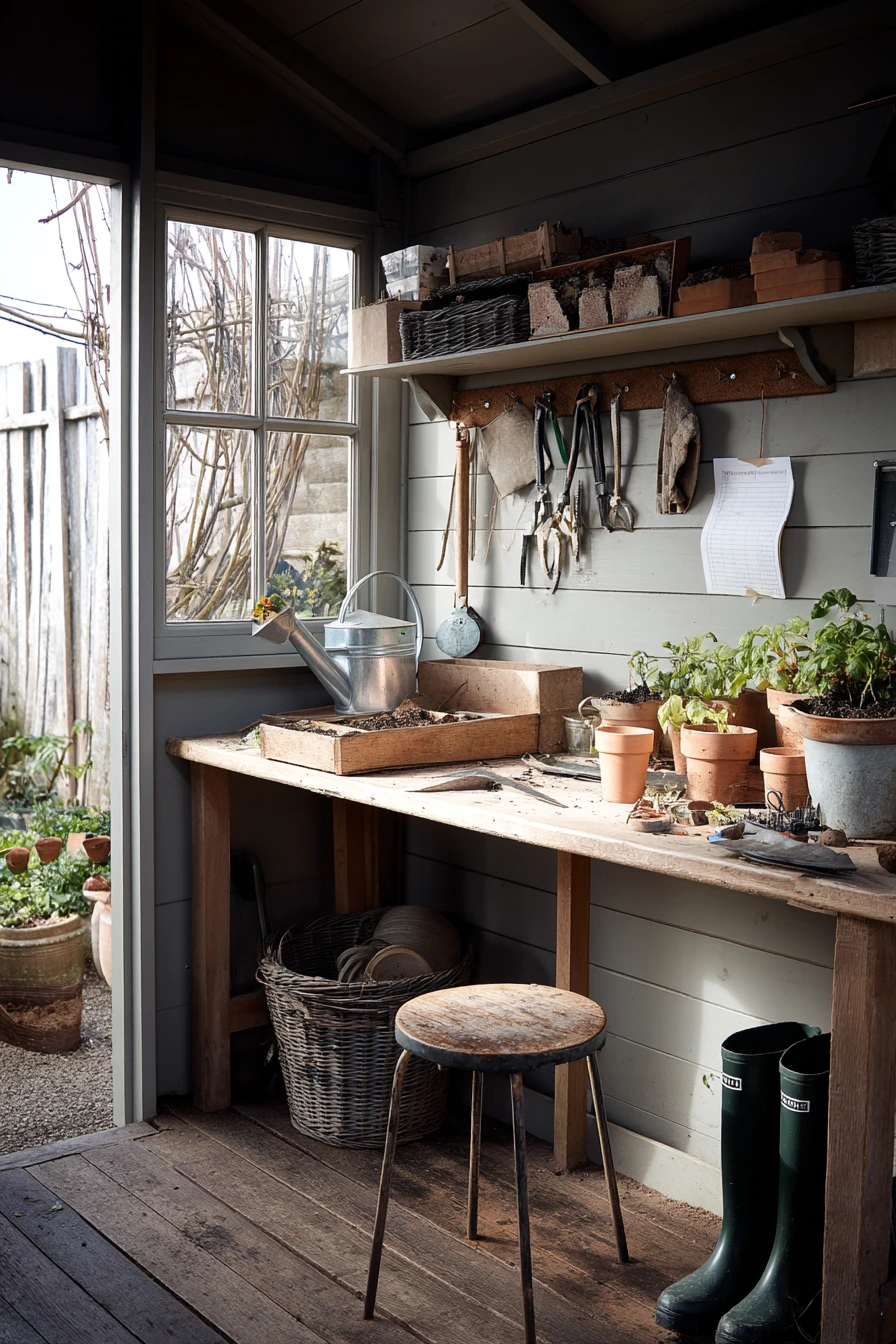
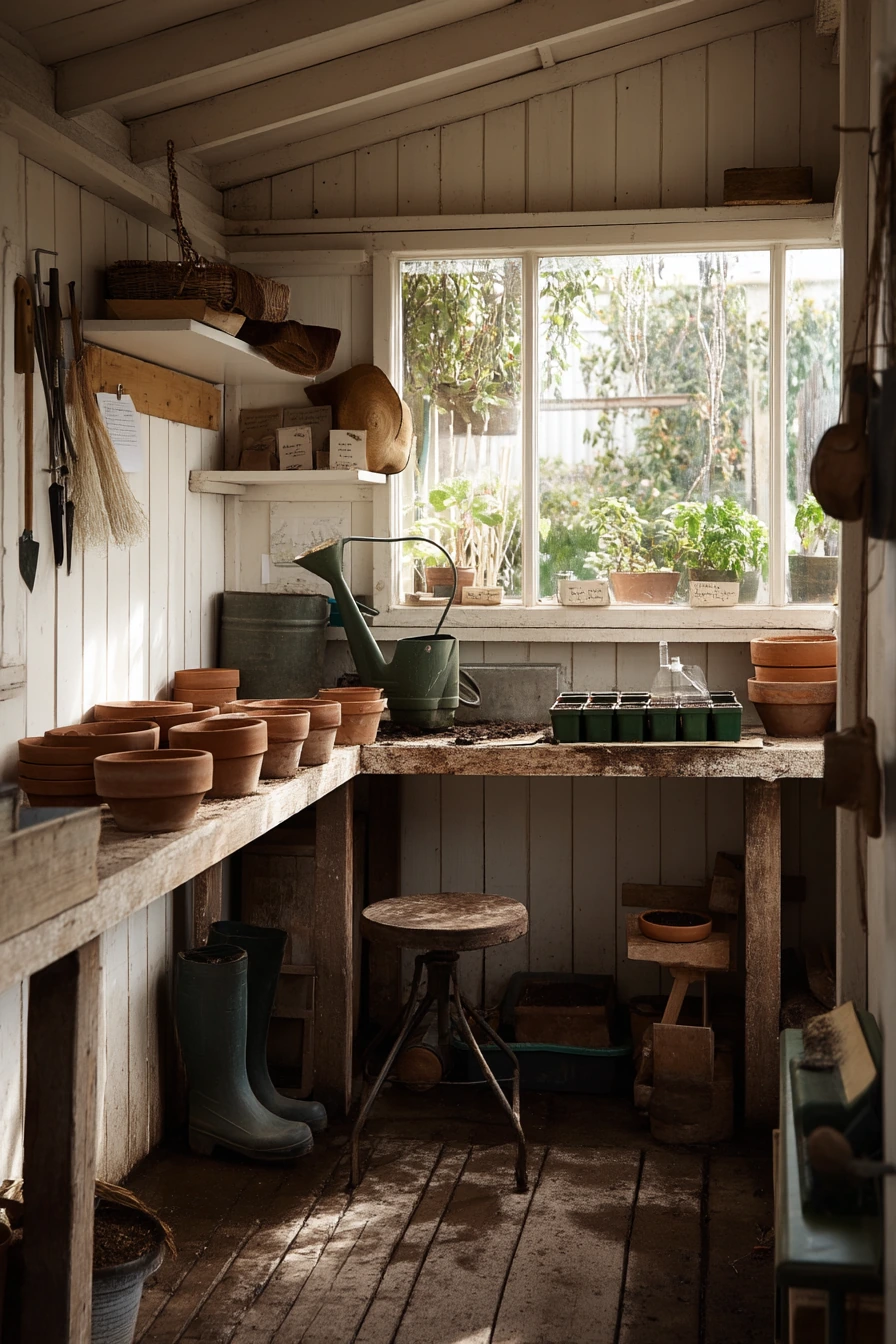
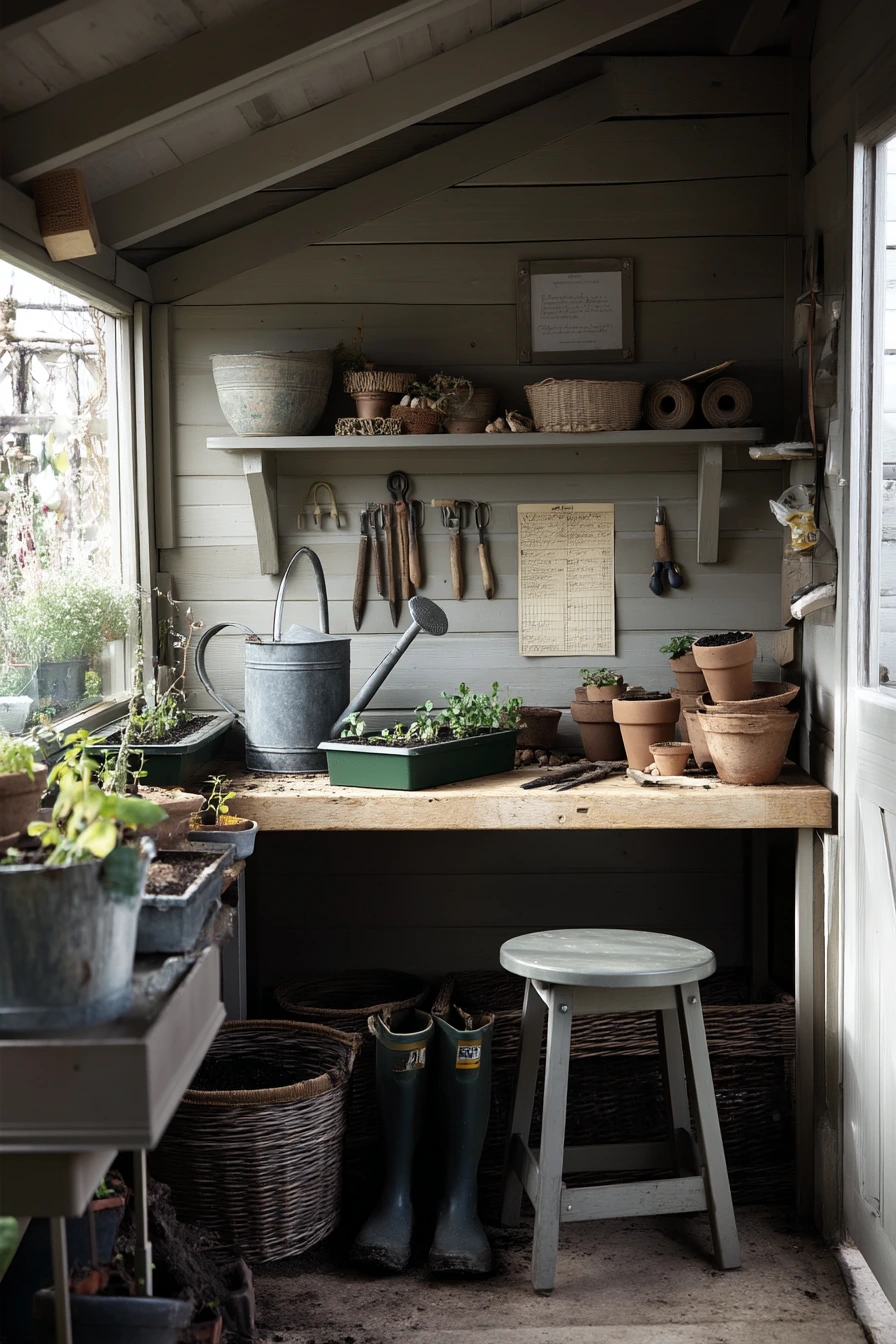
A budget garden room can include a potting corner that is simple and hardworking. A secondhand worktable is often the best base because it can handle mess. Add a metal stool that you can wipe clean, plus seed trays, clay pots, and twine within reach.
Think like a mudroom and a workshop at the same time. Use a peg rail for tools and gloves so you can grab what you need fast. Keep muddy boots by the threshold and add a durable mat to protect the floor. If you have a small sink, place the watering can nearby for quick fills and rinse-offs.
Small details make it easier to use every day. Pin a folded shopping list or seed plan on the wall so you do not forget supplies. Use jars for labels, plant tags, and clips. Keep a clear section of the table for potting, and use one tray to catch soil so cleanup stays quick.
- Pick a table height that lets you work without bending too much.
- Hang tools on a peg rail to free up surface space.
- Store soil in a lidded bin to keep pests out.
- Use a tray or shallow tub to catch dirt and water.
- Keep a small trash pail for dead leaves and seed packets.
Pro Design Tip: Put your most-used tools at shoulder to waist height on the wall so your hands move less and the area feels easier to work in.
Budget Considerations: Buy the table and stool secondhand and clean them well. Use inexpensive wall rails and simple hooks instead of a full cabinet system.
5 Garden Room Home Office with Plants
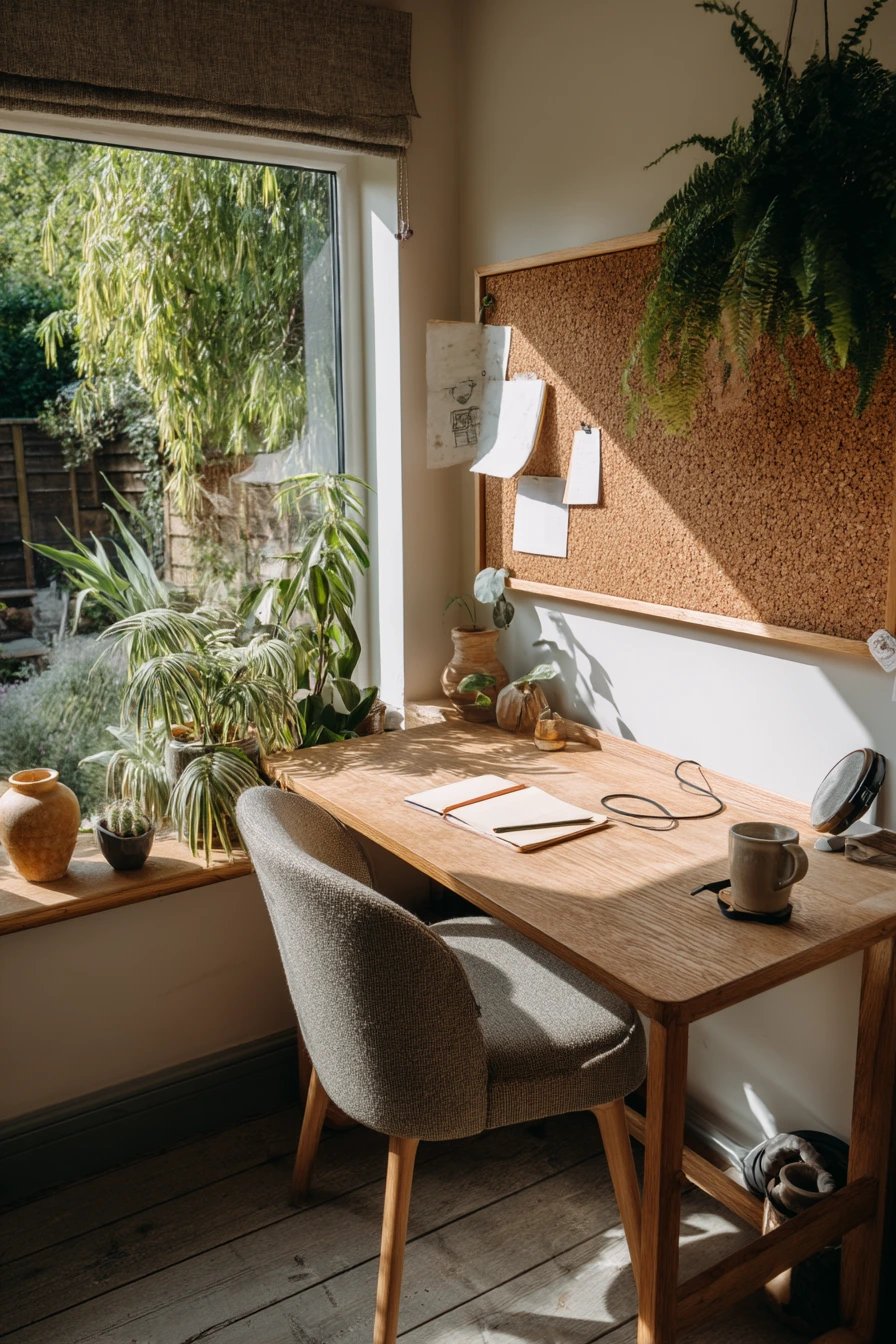
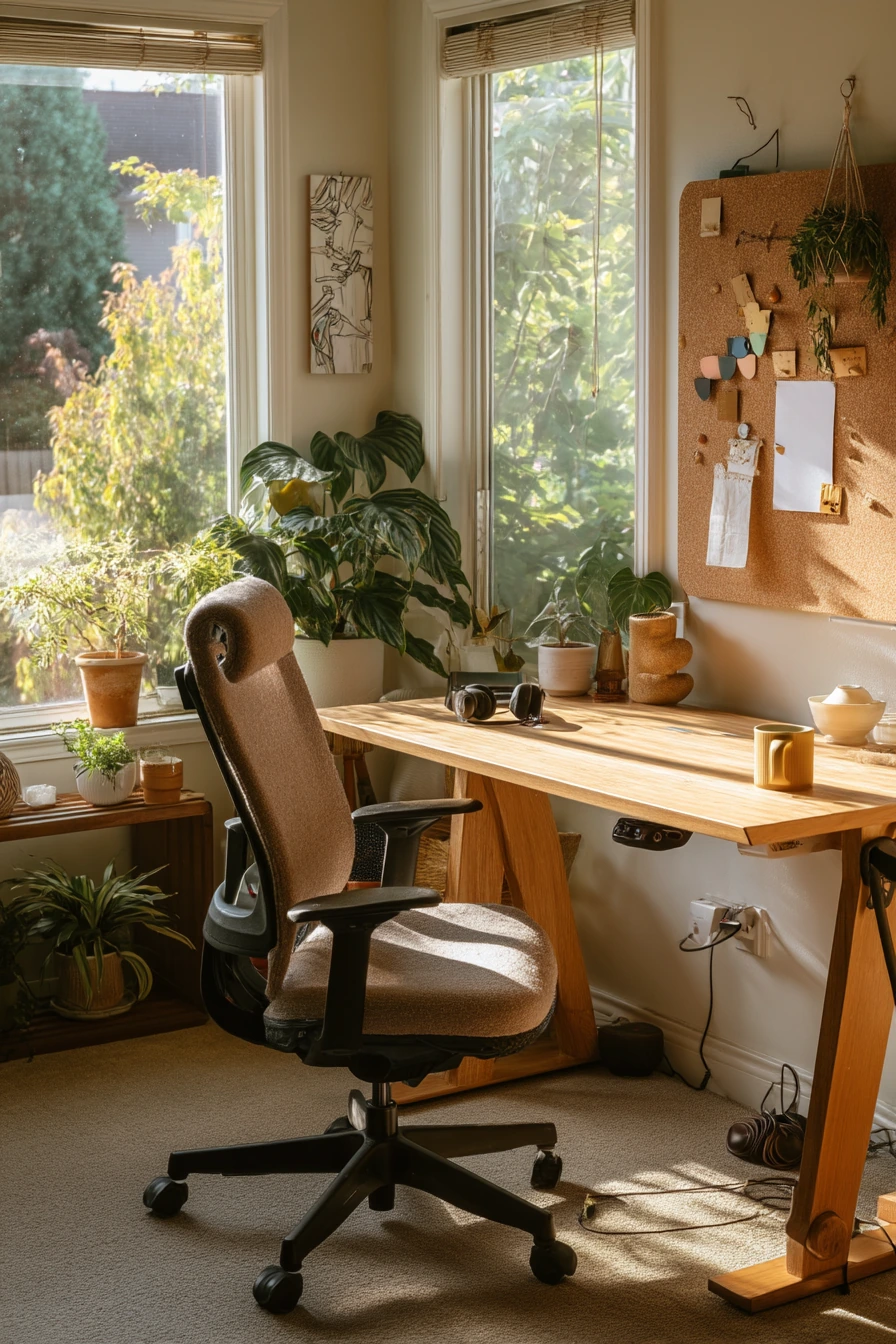
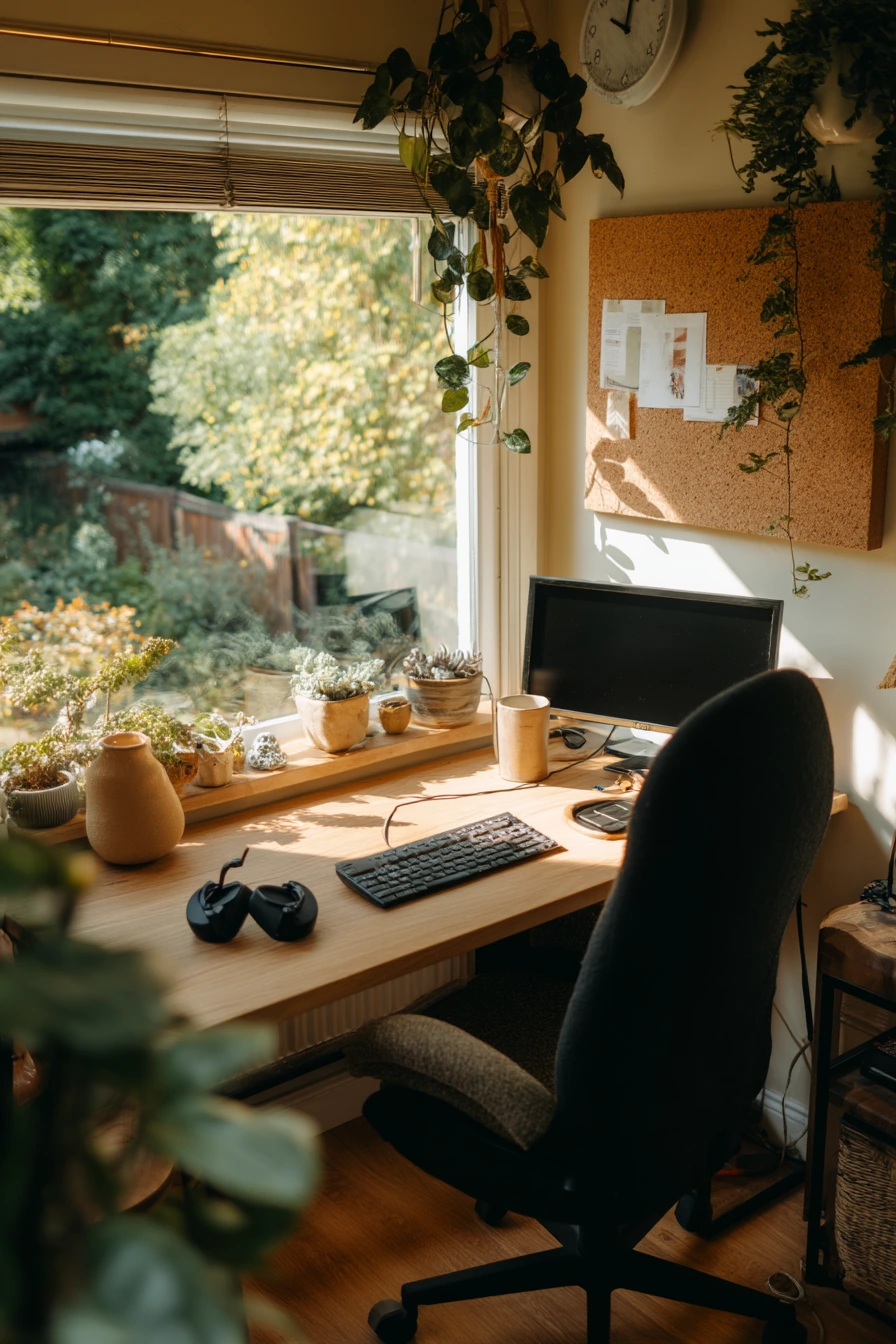
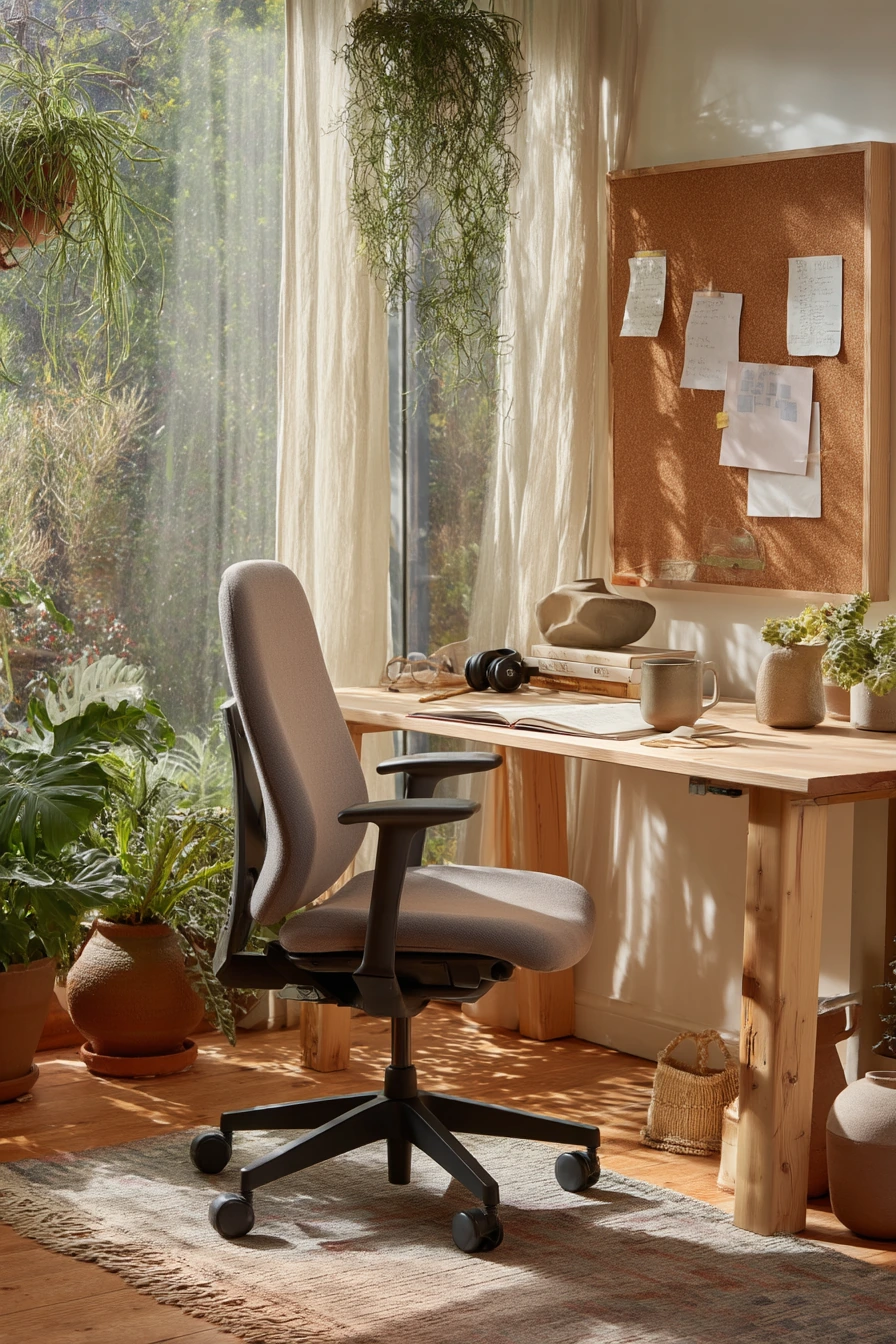
A garden room home office can feel quiet and clear, even in a busy house. Start with a simple oak desk and an ergonomic chair so you can work comfortably for long blocks. Soft blinds help reduce glare on screens while keeping the room bright.
Add function before decor. A cork board keeps notes and schedules visible without adding clutter. Trailing plants soften hard lines and work well near windows. A narrow console with a few ceramics gives you storage and style without crowding the desk area.
Keep it honest and usable. A headset next to an open notebook shows the space is ready for calls. Use a coaster to avoid mug rings, or accept a small mark as part of real life. Manage a charging cable that loops across the floor with clips, a rug runner, or a cord cover so you do not trip.
- Place the desk sideways to the window to reduce screen glare.
- Use a cork board for daily notes and one small goal list.
- Add one trailing plant on a shelf for height and softness.
- Keep a lidded box for cables, adapters, and spare pens.
- Choose a simple desk lamp for cloudy days and winter light.
Pro Design Tip: Set up a “camera-ready” zone behind your chair with one plant and one neutral surface so video calls look clean without extra effort.
Budget Considerations: If a solid oak desk is too much, look for a used desk with a real wood top. Spend more on the chair first, since comfort affects daily use.
6 Seasonal Summer Garden Room Lounge
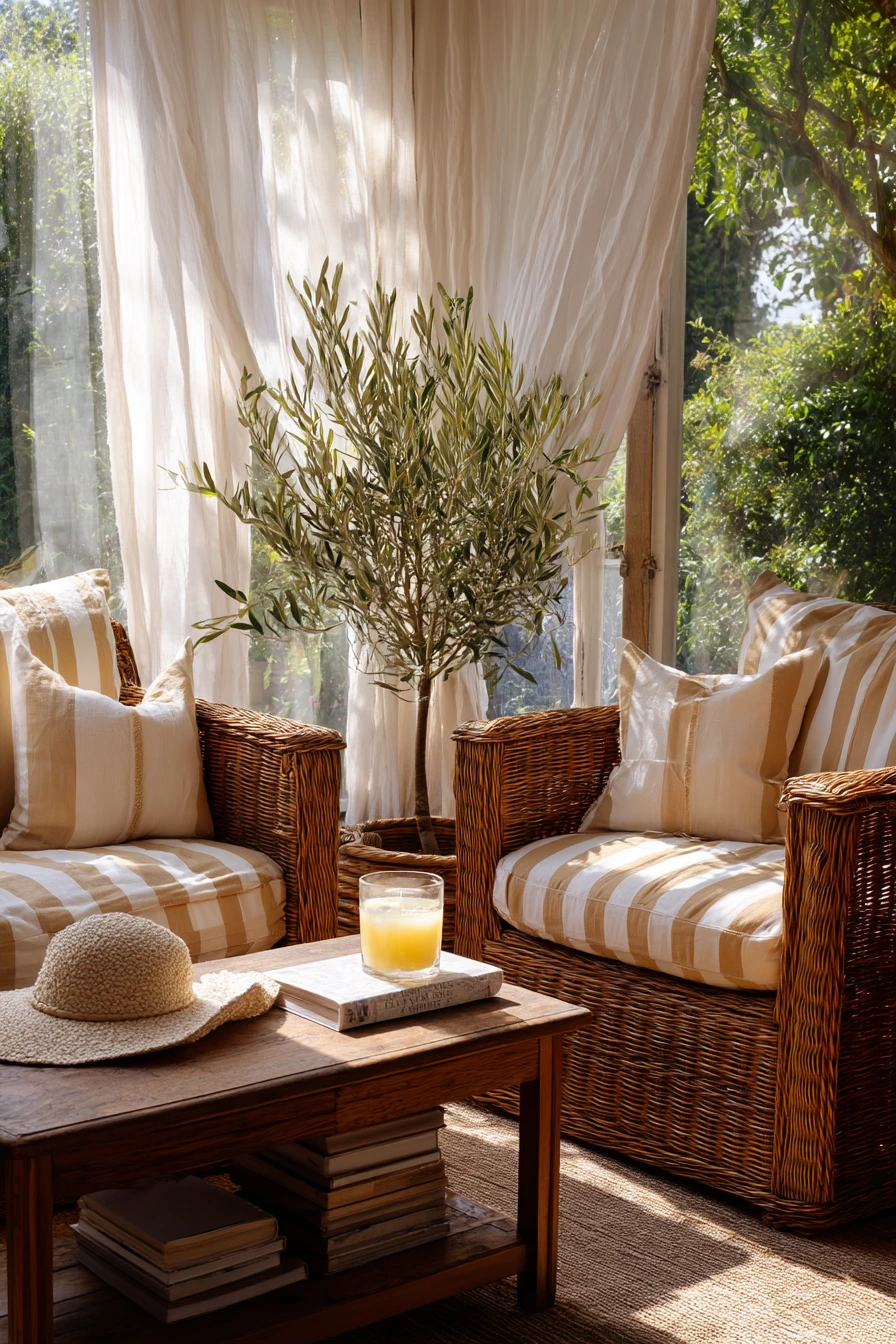
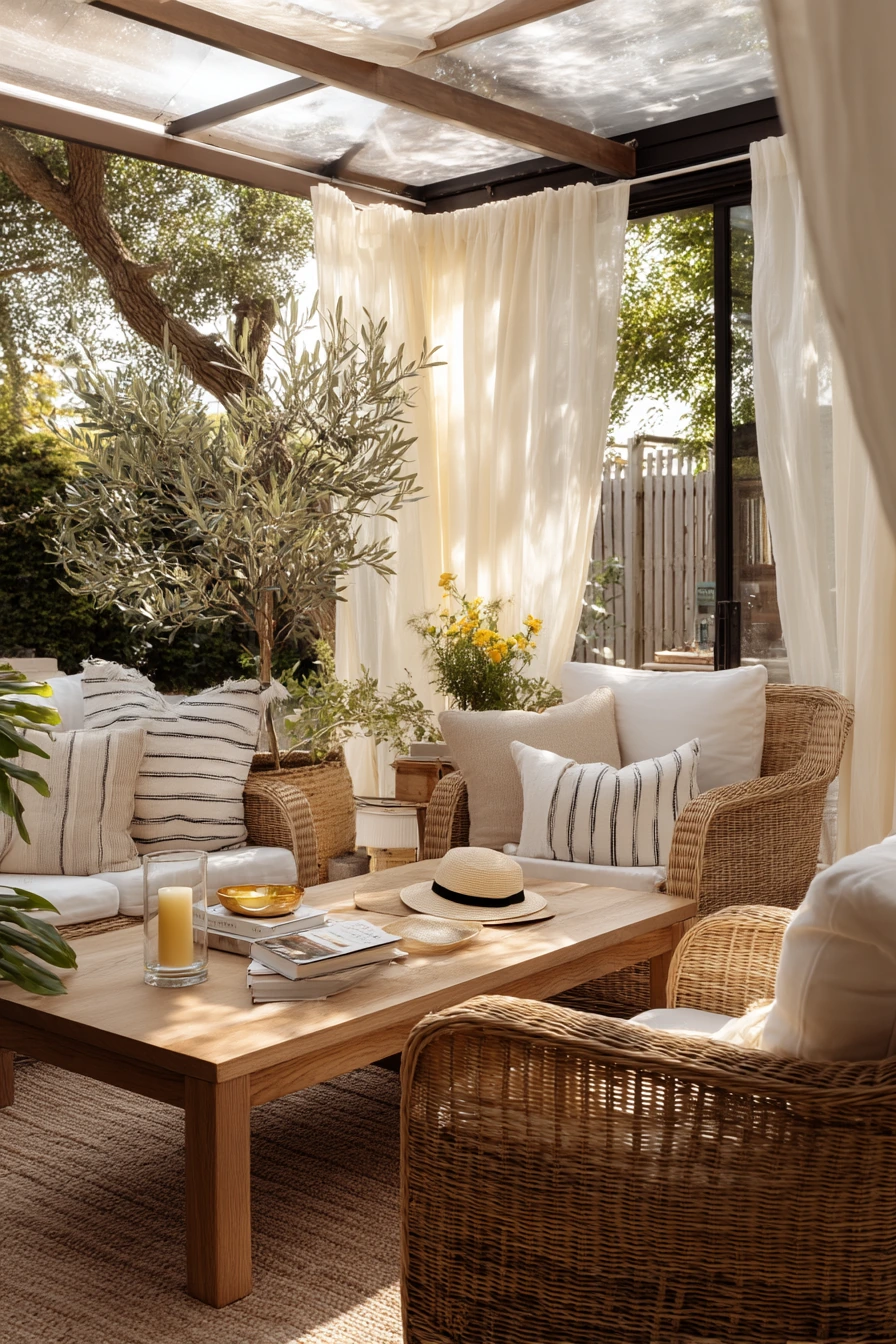
A summer garden room lounge should feel breezy and easy. Rattan chairs with striped cushions add a relaxed look without feeling heavy. A low oak coffee table keeps the room open and makes space for drinks, books, and simple snacks.
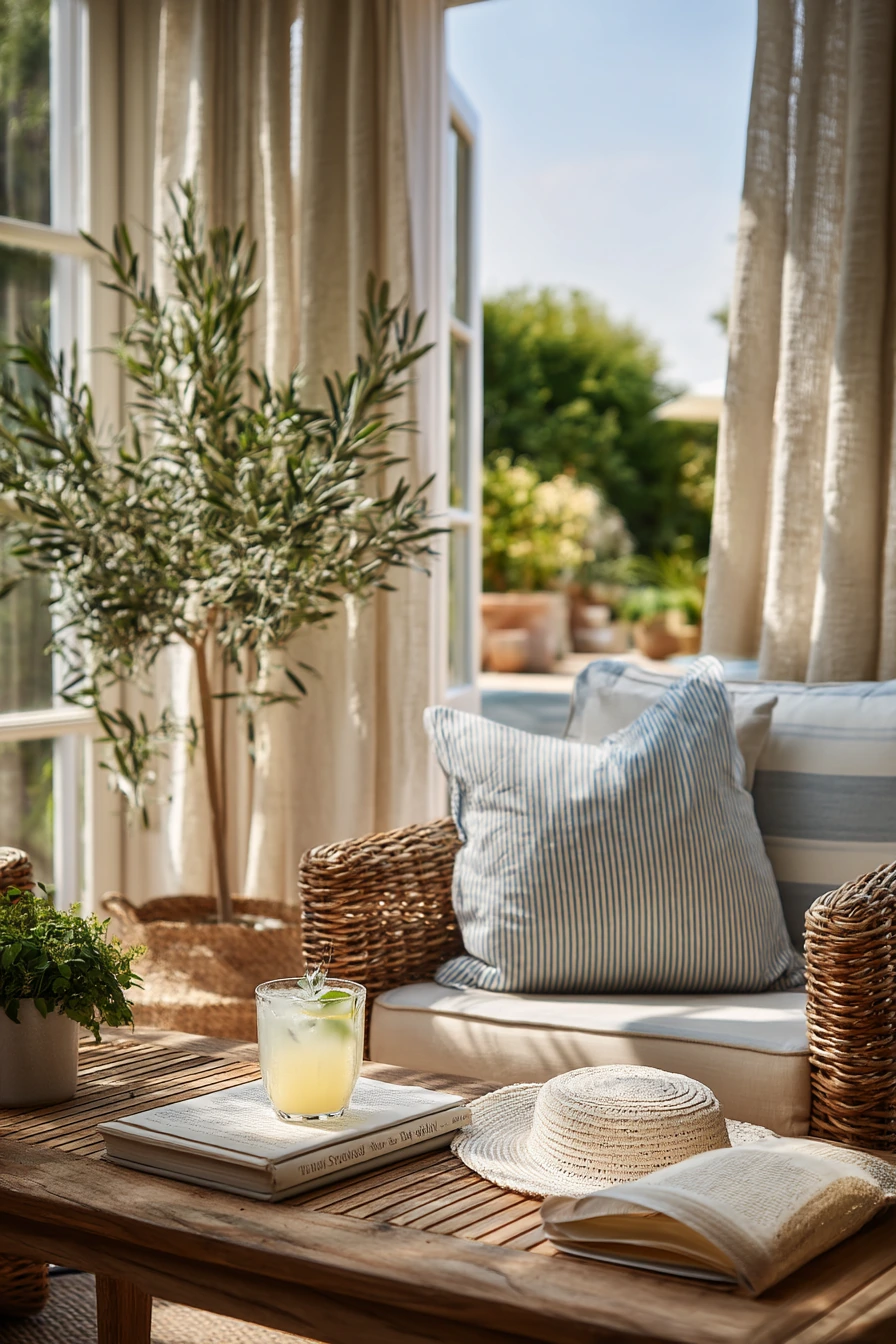
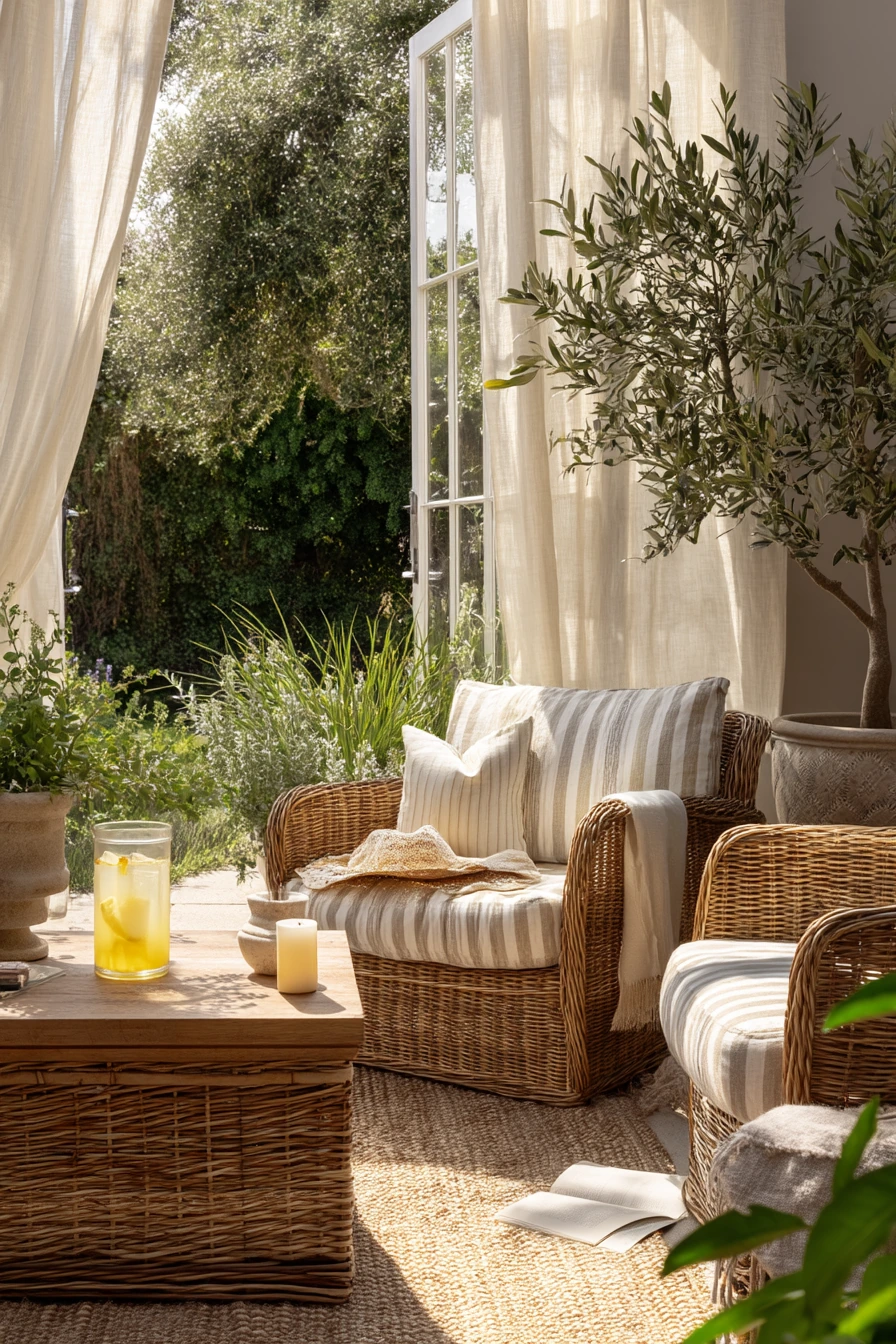
Style for warm weather habits. Linen drapes move with the air and soften the light. Add a citronella candle for evenings when the doors are open. A potted olive tree gives height and a calm, coastal feel, even in a suburban home.
Make it look lived-in with small, real items. A half-empty lemonade glass, a folded sunhat, and a paperback on the seat create a natural moment. Keep a small basket for sunscreen, matches, and coasters so the table stays clear. If the room gets hot, add a fan and choose light fabrics that do not trap heat.
- Use striped cushions to add pattern without busy decor.
- Keep one throw blanket for cooler nights, folded neatly.
- Place the olive tree near the brightest glass for healthy growth.
- Add a tray to group candle, coasters, and a small vase.
- Choose washable covers for cushions and pillow cases.
Pro Design Tip: Balance rattan with one solid wood piece, like an oak table, so the room feels grounded and not too light or airy.
Budget Considerations: Secondhand rattan is often cheaper and easy to refresh with new cushions. Swap an olive tree for a smaller indoor tree if you need a lower-cost option.
7 Winter Garden Room Reading Hideaway
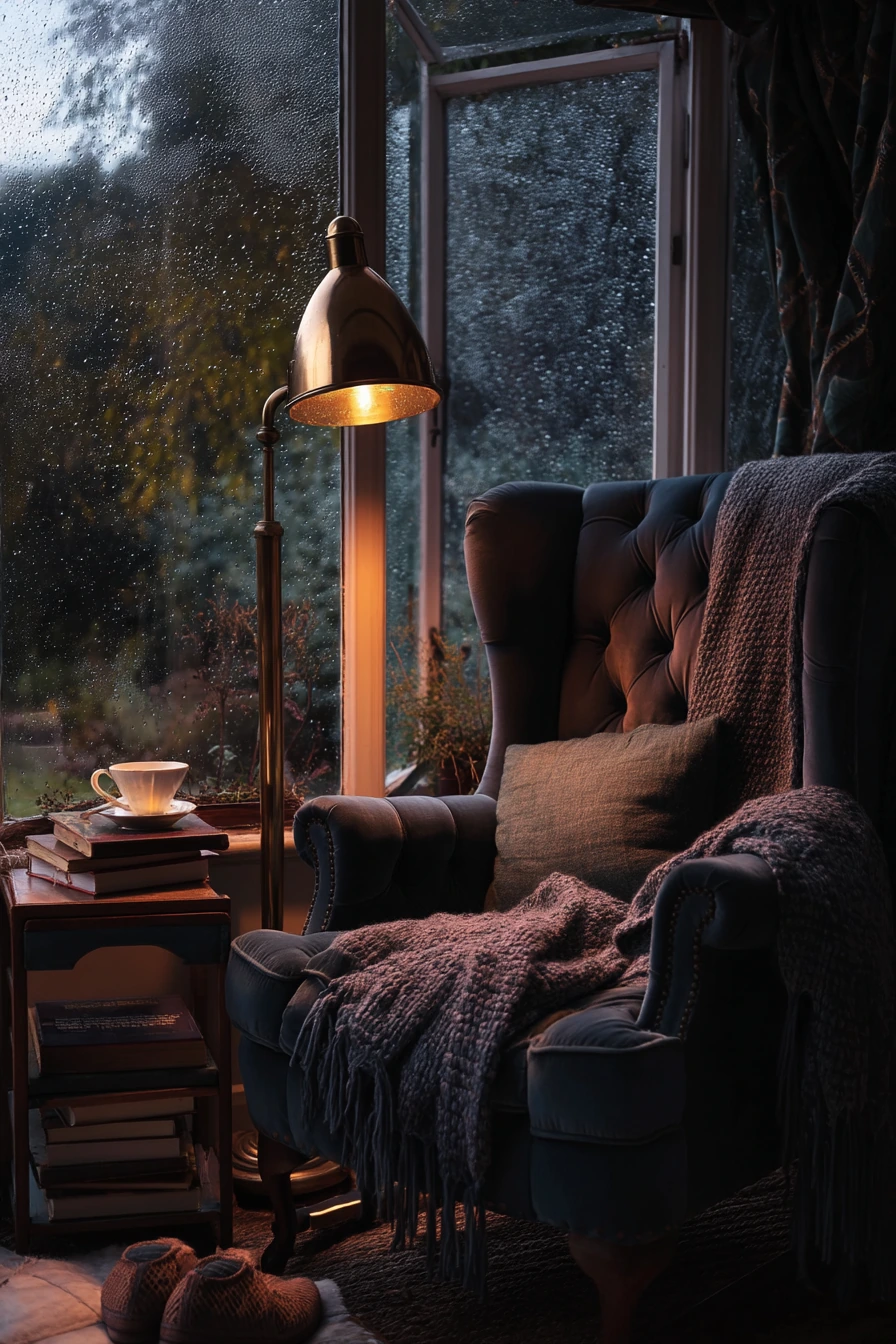
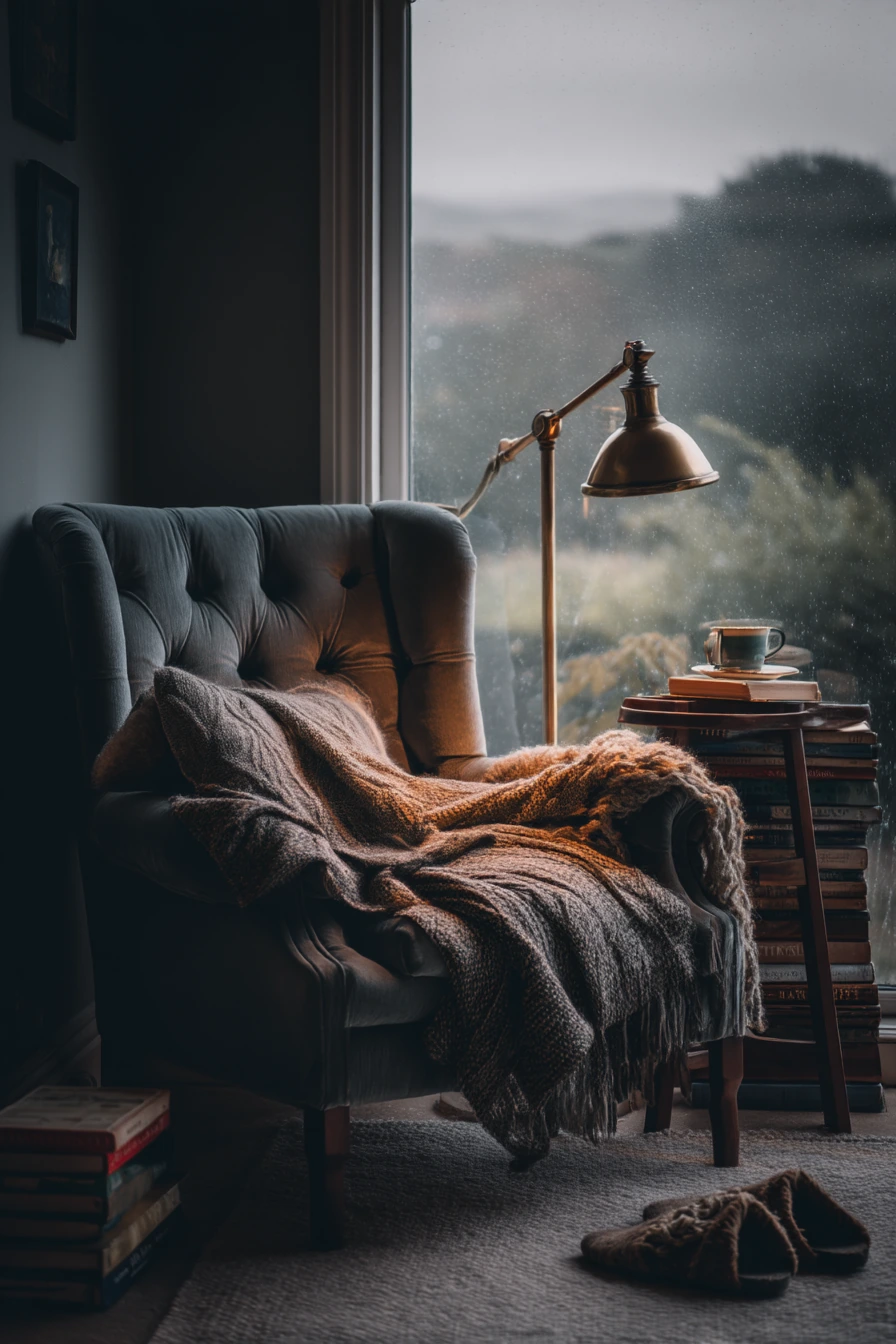
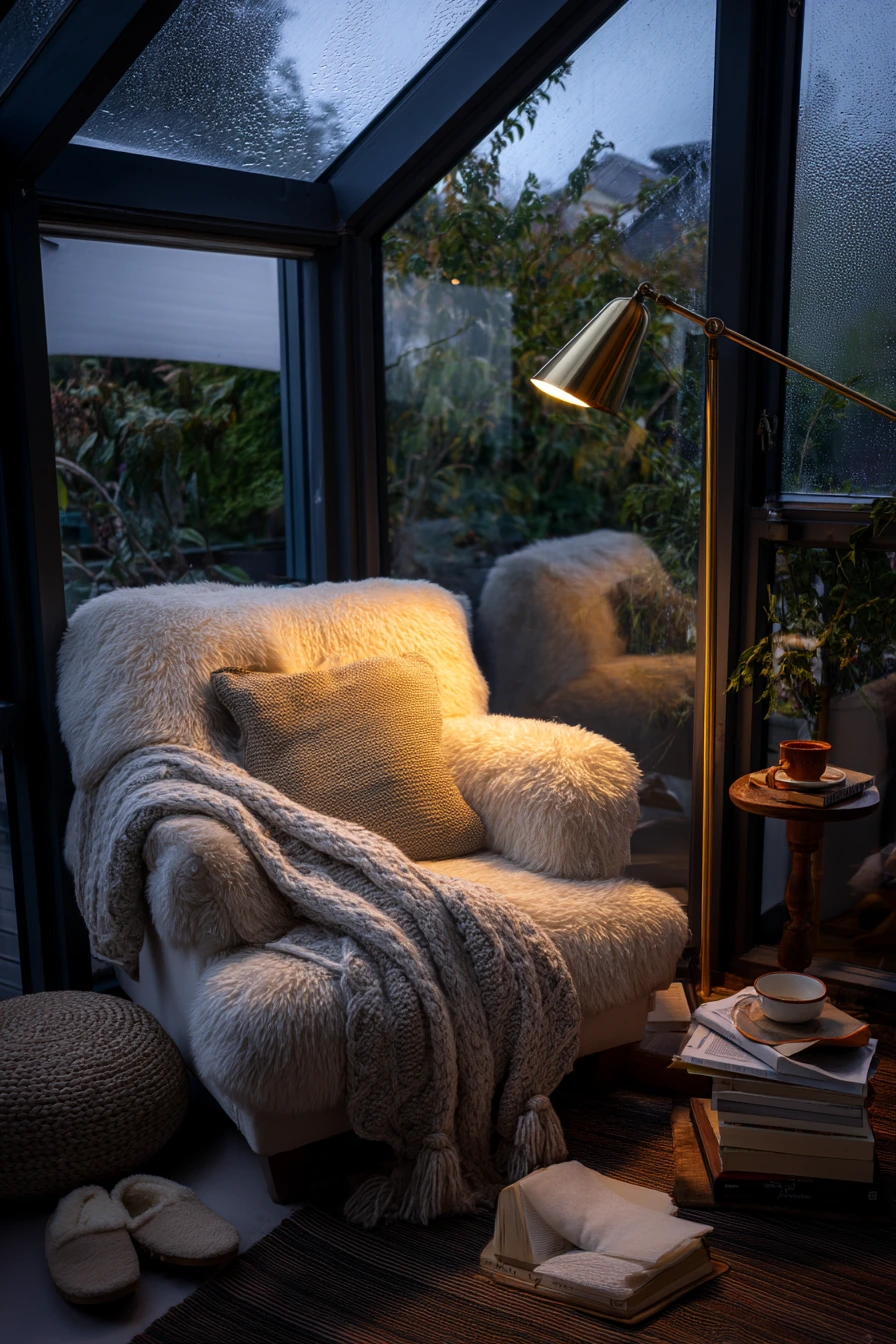
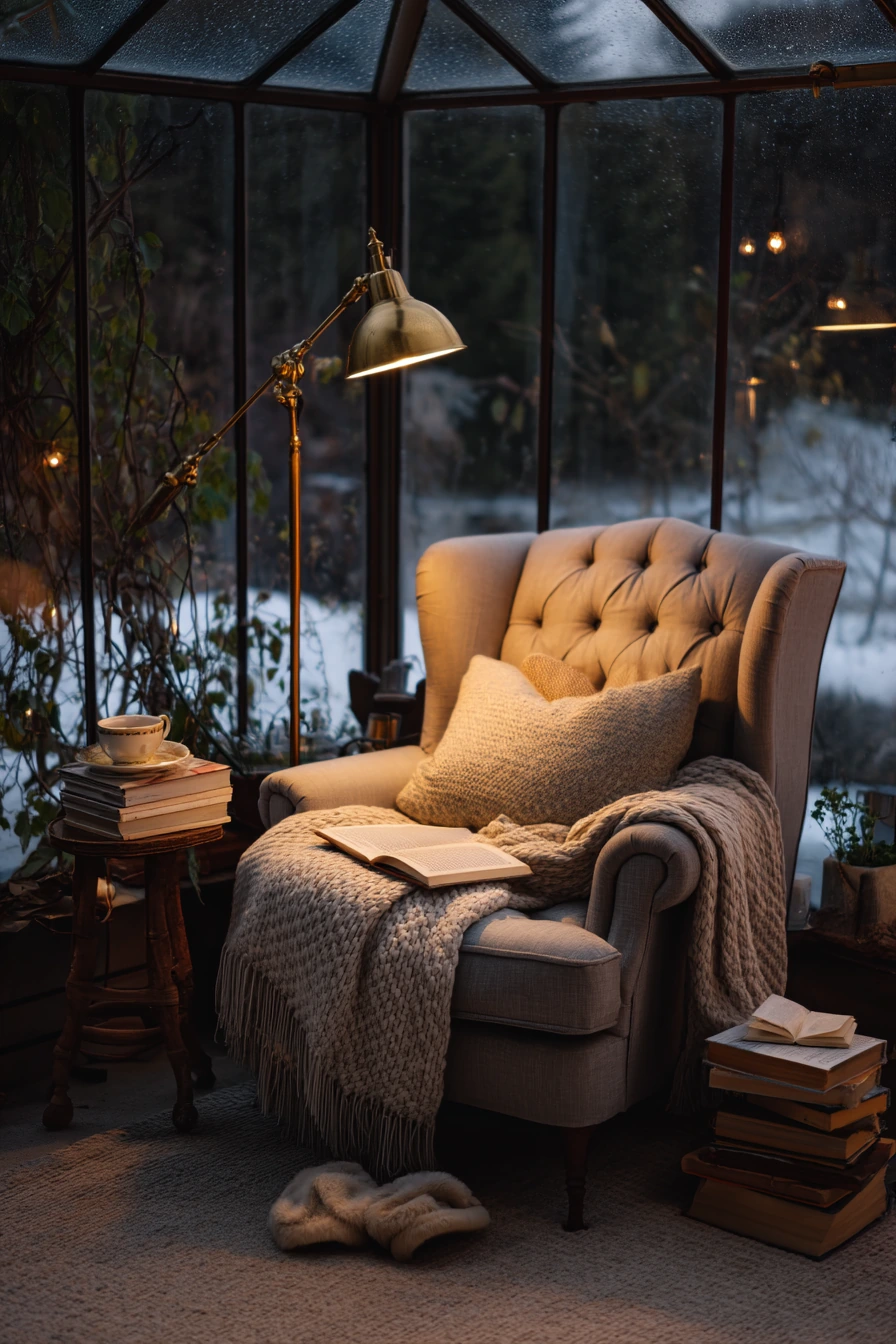
In winter, a garden room can become a reading hideaway that feels warm against the cold glass. Start with a deep armchair that supports your back and arms. Add a knit throw and a small side table so you always have a spot for tea and books.
Lighting sets the mood. A brass floor lamp gives warm, focused light when dusk comes early. If the glass gets condensation, keep textiles a few inches away from the window and wipe the frames often to prevent damp. A stack of novels on the table makes the space feel ready, not staged.
Include comfort details that make you stay longer. Keep slippers near the chair and a blanket that can be pulled up quickly. Choose a small rug underfoot to block chilly floors. If the room is hard to heat, use a safe space heater with a timer, and add draft strips to doors.
- Pick a side table with a rim or tray top to catch spills.
- Layer two throws, one light and one heavy, for flexibility.
- Use a warm bulb in the floor lamp for a cozy glow.
- Store extra books in a low basket beside the chair.
- Add a small rug to reduce echo and cold floors.
Pro Design Tip: Create a soft “triangle” of comfort by placing the chair, lamp, and side table within easy reach so you can read without getting up.
Budget Considerations: A used armchair can be upgraded with a slipcover and new cushion insert. Draft stoppers and thicker curtains are low-cost ways to hold heat.
8 Indoor-Outdoor Dining Garden Room
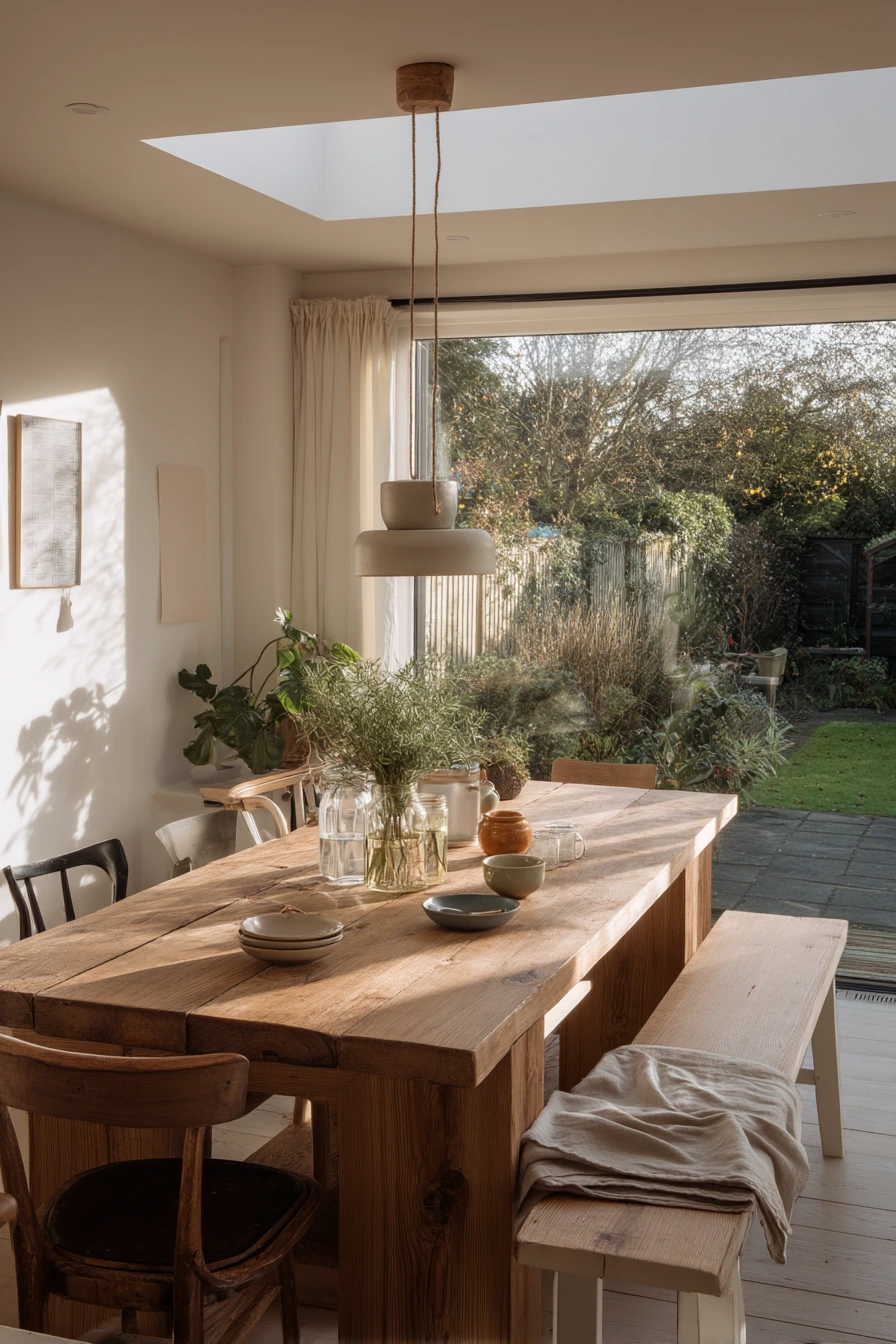
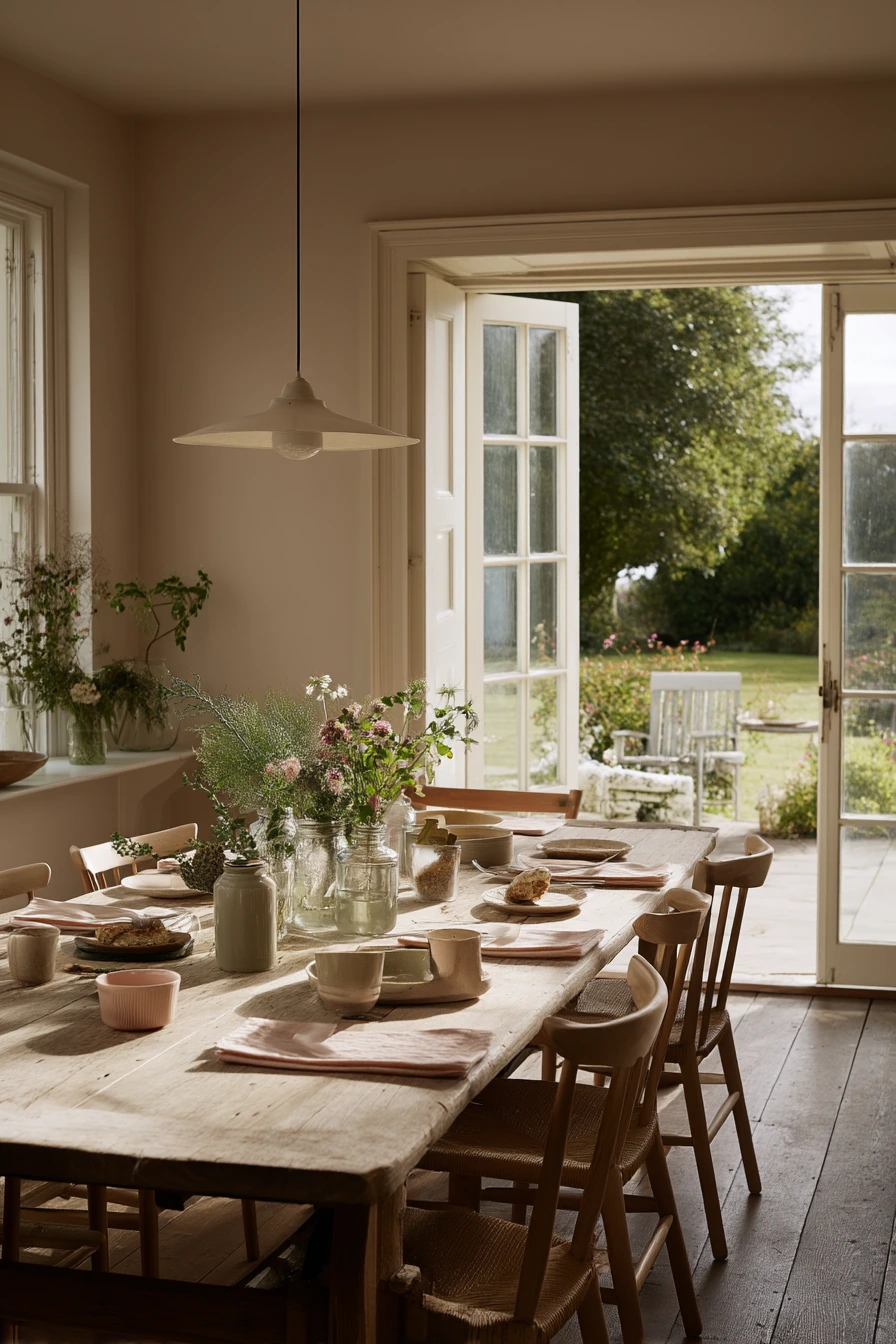
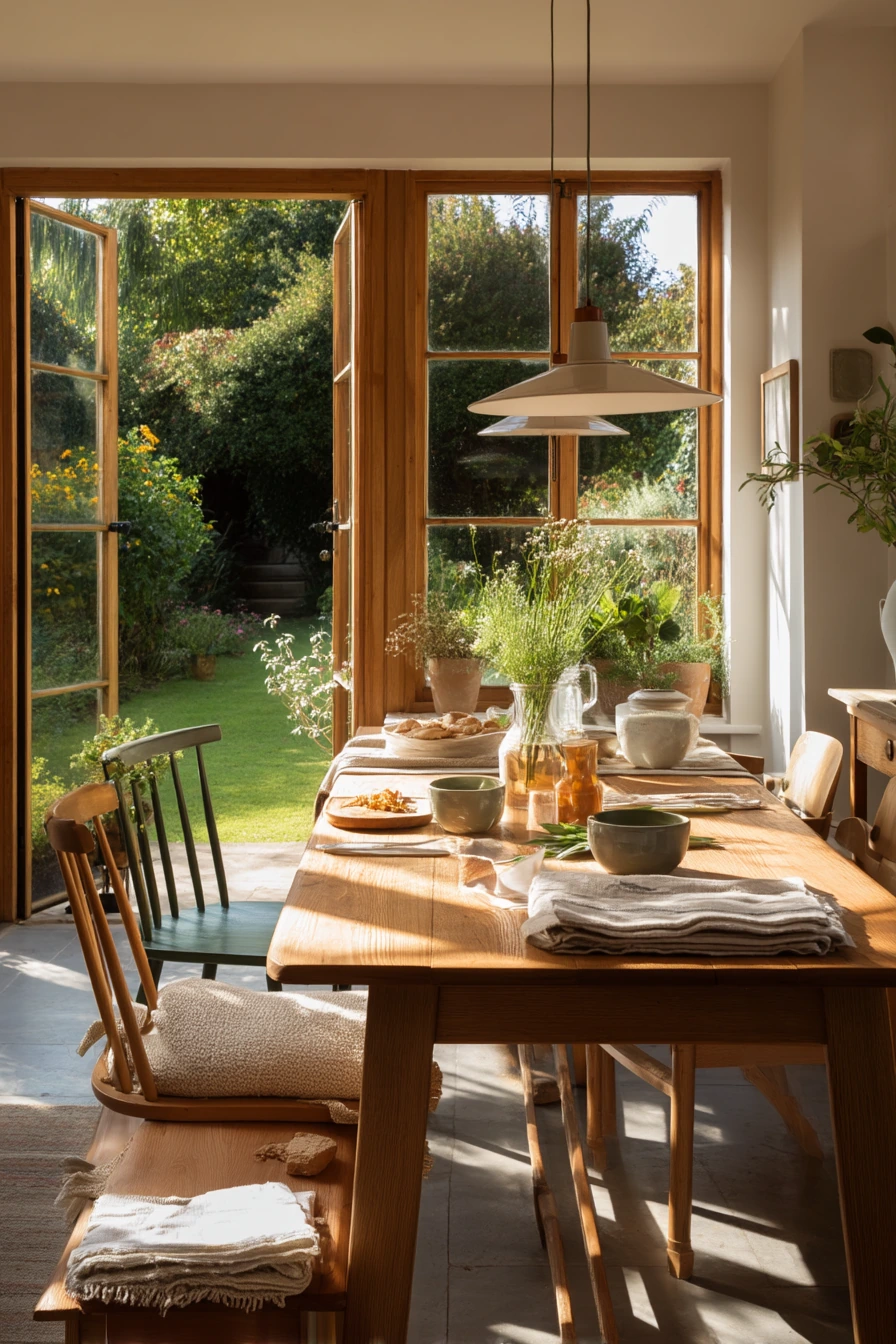
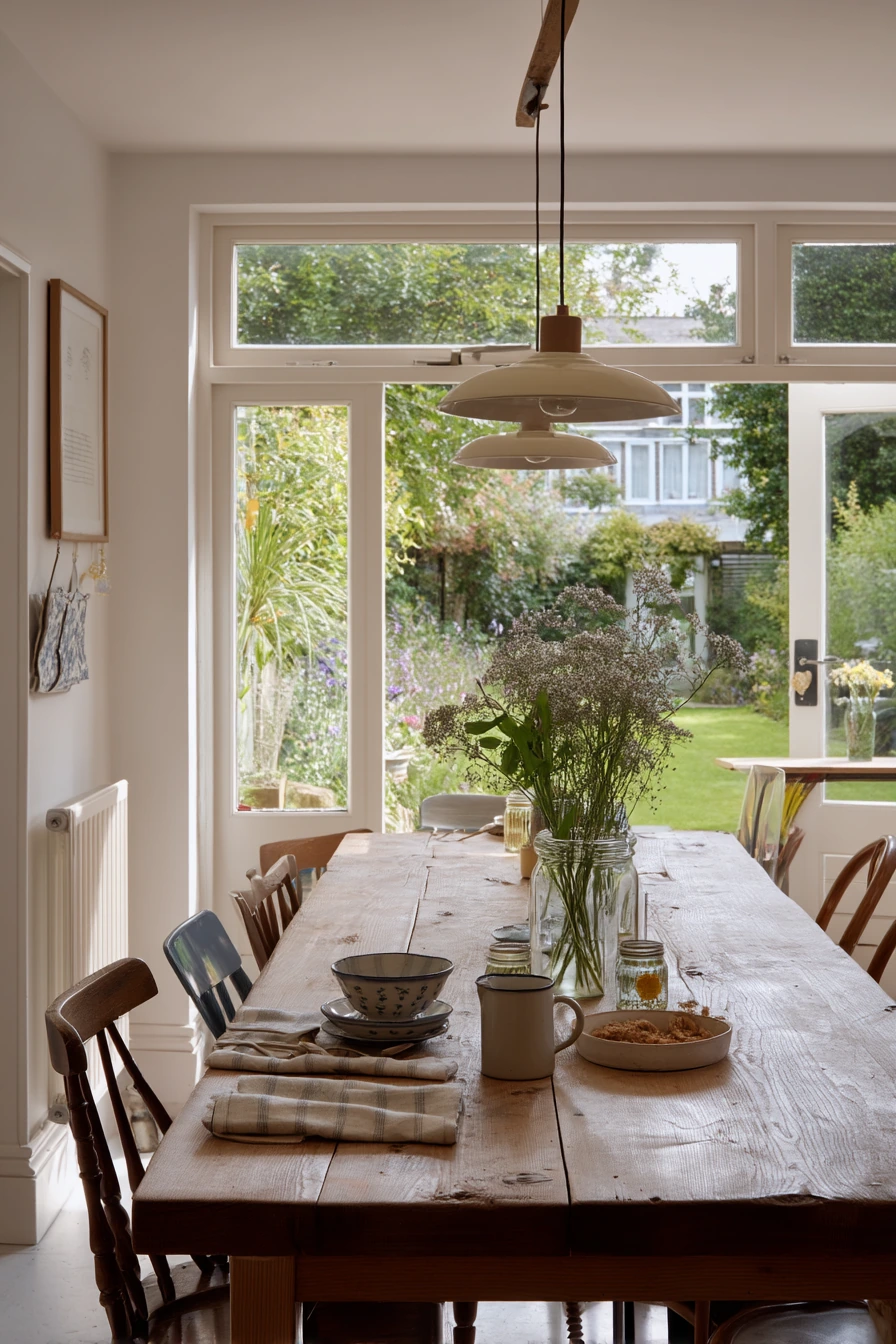
A garden room dining space makes family dinners feel calm and connected to the yard. Start with a wooden dining table that fits the room with space to walk around it. Mixed chairs keep it relaxed and let you use what you already own.
Keep the table setting simple. Use basic ceramics, cloth napkins, and a serving bowl that can handle everyday meals. Fresh herbs in jars add scent and color and can move outside when you open the sliding doors. A pendant light over the table helps the room feel like a true dining area, not a spare space.
Lean into the lived-in feel. A child’s cup on the table and a crumb trail after dinner are real life. Make cleanup easy with a small caddy for wipes, a hand broom, and napkin rings. If you host often, add a narrow sideboard for extra plates, or use a console with baskets for table linens.
- Center the table under the pendant to anchor the room.
- Use herbs in jars as a simple, low centerpiece.
- Keep extra napkins and candles in a nearby drawer or basket.
- Choose chairs you can wipe clean for daily use.
- Add a runner only if it can be washed often.
Pro Design Tip: Use one repeating element across the table, like white ceramics or natural linen, so mixed chairs still look intentional.
Budget Considerations: Mix thrifted chairs and paint them the same color if needed. Use jars and cut herbs from the garden instead of buying fresh arrangements.
9 Pet-Friendly Garden Room Sunspot
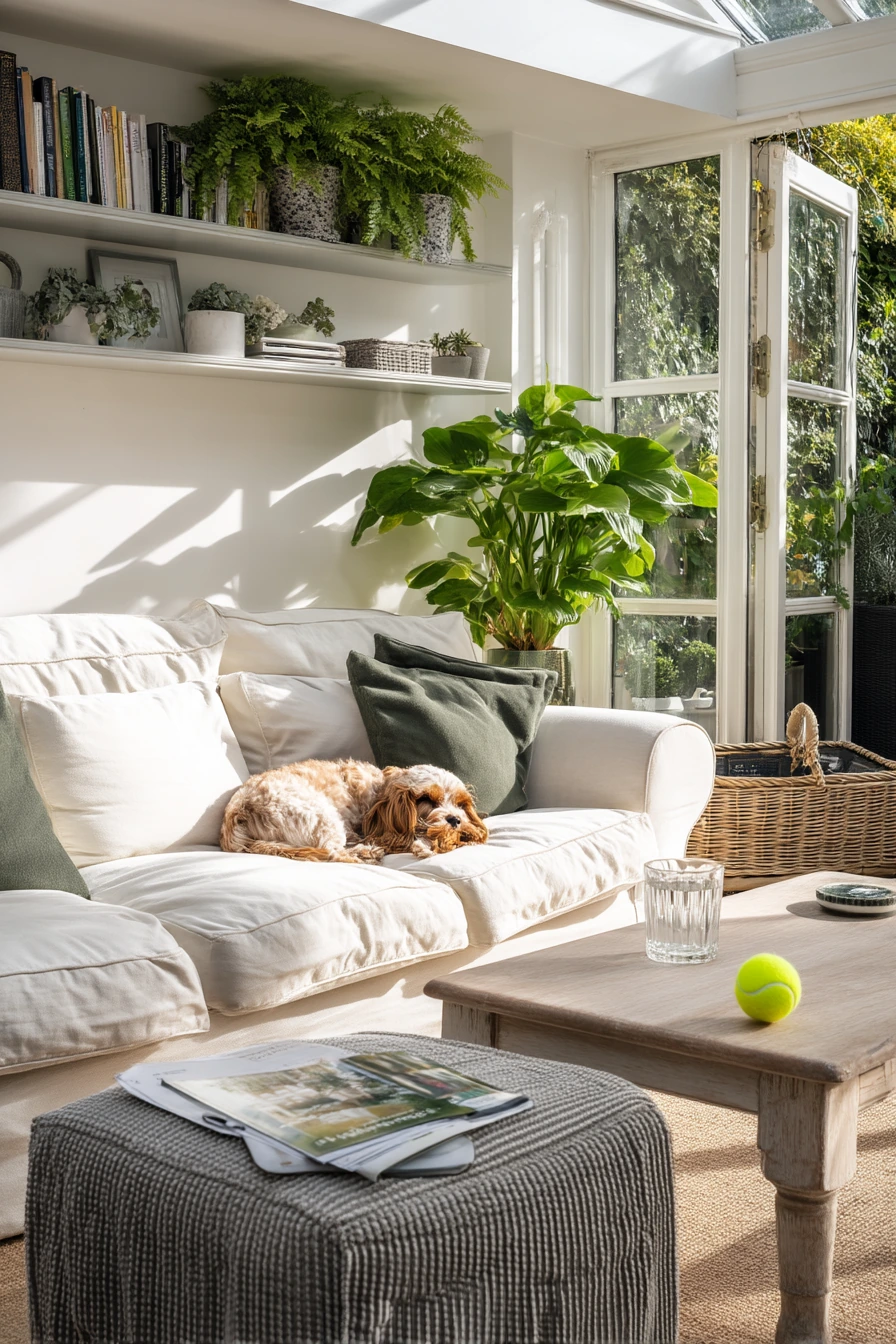
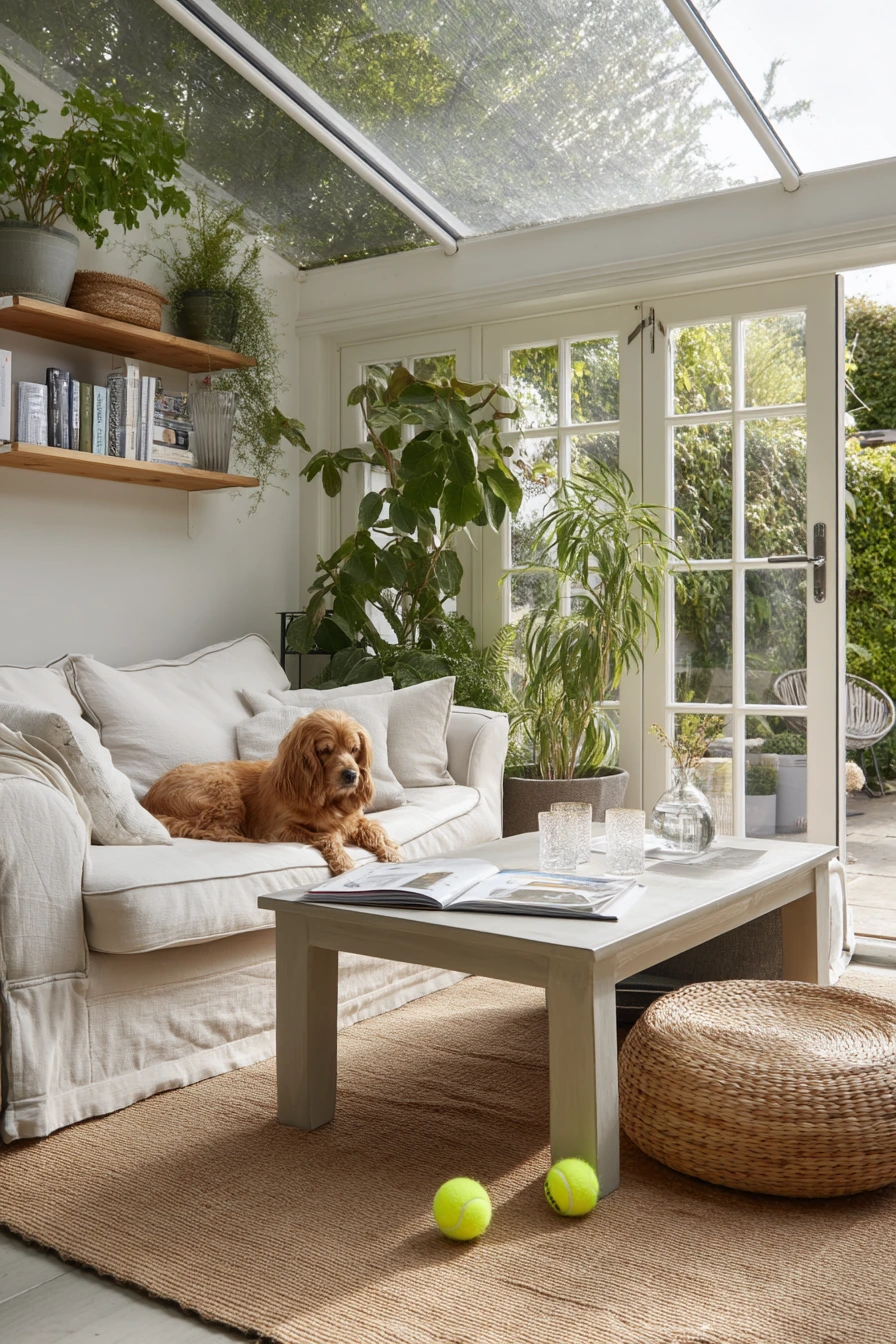
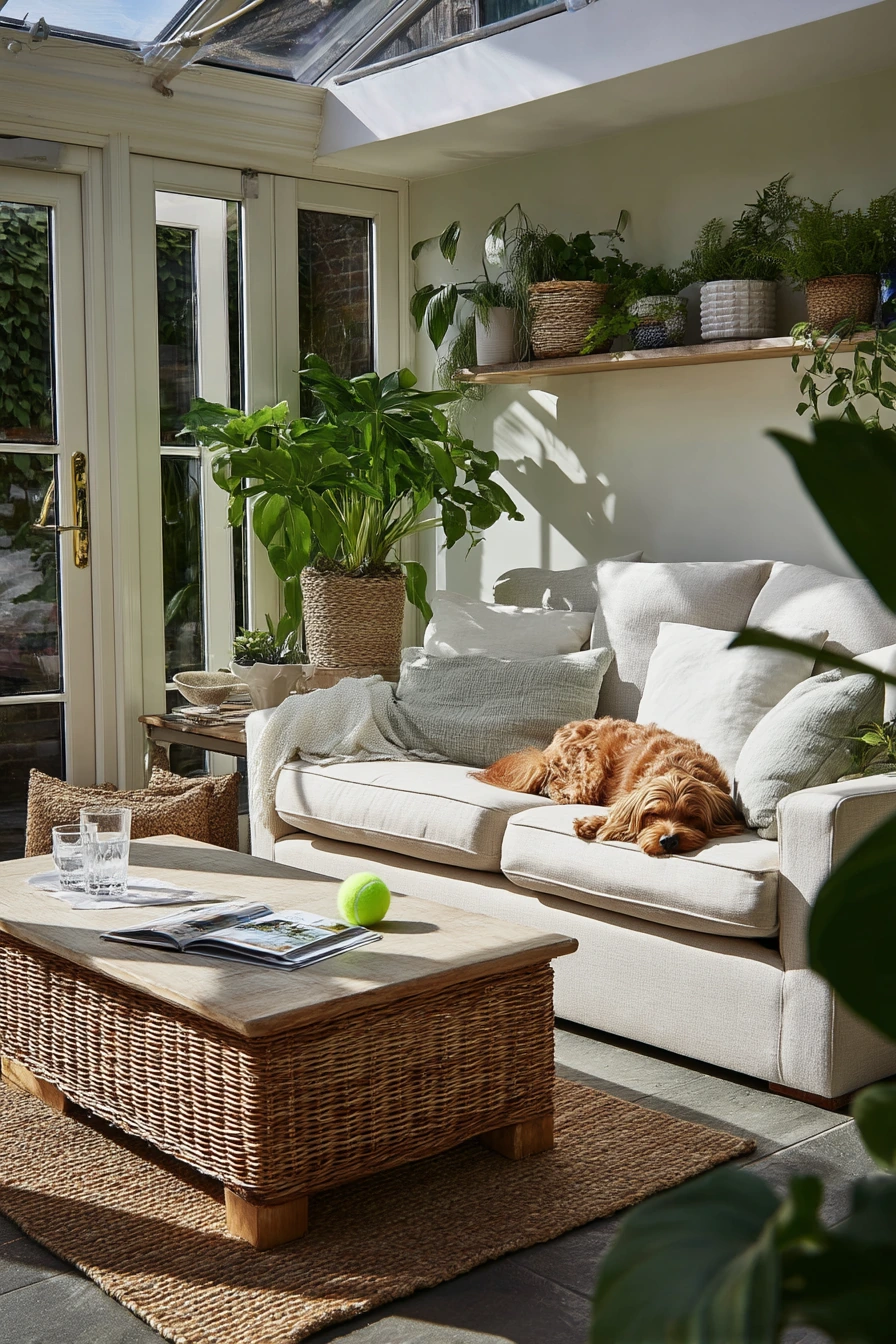
A pet-friendly garden room should be soft and welcoming, but also easy to clean. Start with a sofa that can take a washable cover, or use a large throw that fits tightly. Add a low ottoman that can handle paws and can move when you need floor space.
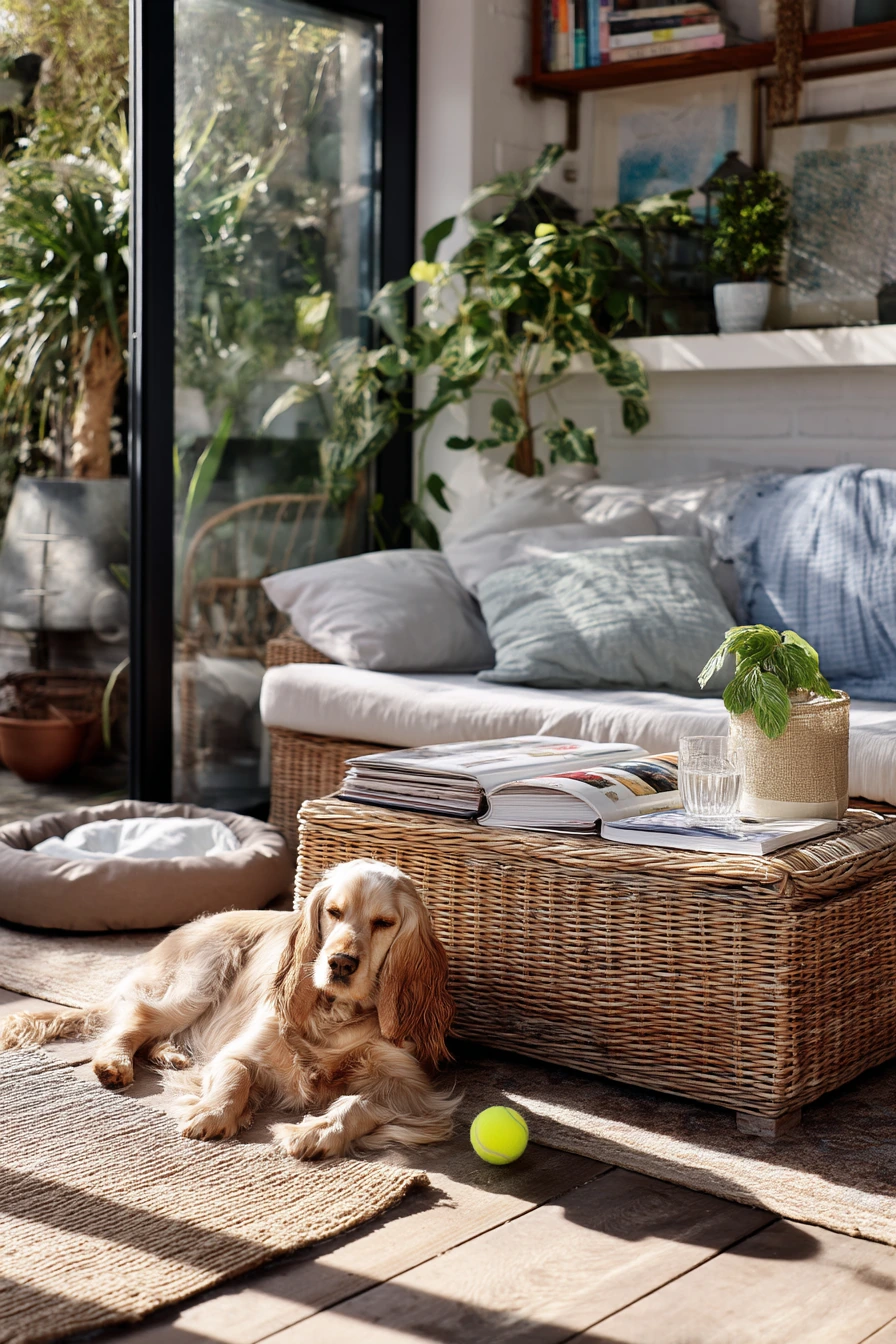
Set up a clear pet zone by the glass. A dog bed in a sunspot gives your pet a place to settle, which helps protect the sofa. Keep a toy basket nearby so balls and chew toys do not spread through the room. Choose robust indoor plants and place them on a shelf so they are less likely to be knocked over.
Style it like a real family room. An open magazine and a water glass on the table make it feel lived-in. Keep a lint roller and a small handheld vacuum in a cabinet or basket so you can reset the room fast. If your dog tracks in dirt, add a durable rug you can wash or shake outside.
- Use a washable sofa cover in a mid-tone to hide fur.
- Place the dog bed where your pet naturally rests in the light.
- Store toys in one basket and rotate them to reduce clutter.
- Choose heavy planters that do not tip easily.
- Add a wipeable mat near the door for muddy paws.
Pro Design Tip: Match pet items to your color palette (bed cover, basket, mat) so the room looks cohesive even with toys out.
Budget Considerations: Use a large cotton throw as a sofa cover instead of a custom slipcover. Repurpose a sturdy laundry basket for toys and upgrade later if needed.
10 DIY Garden Room Finish-Ready Reveal
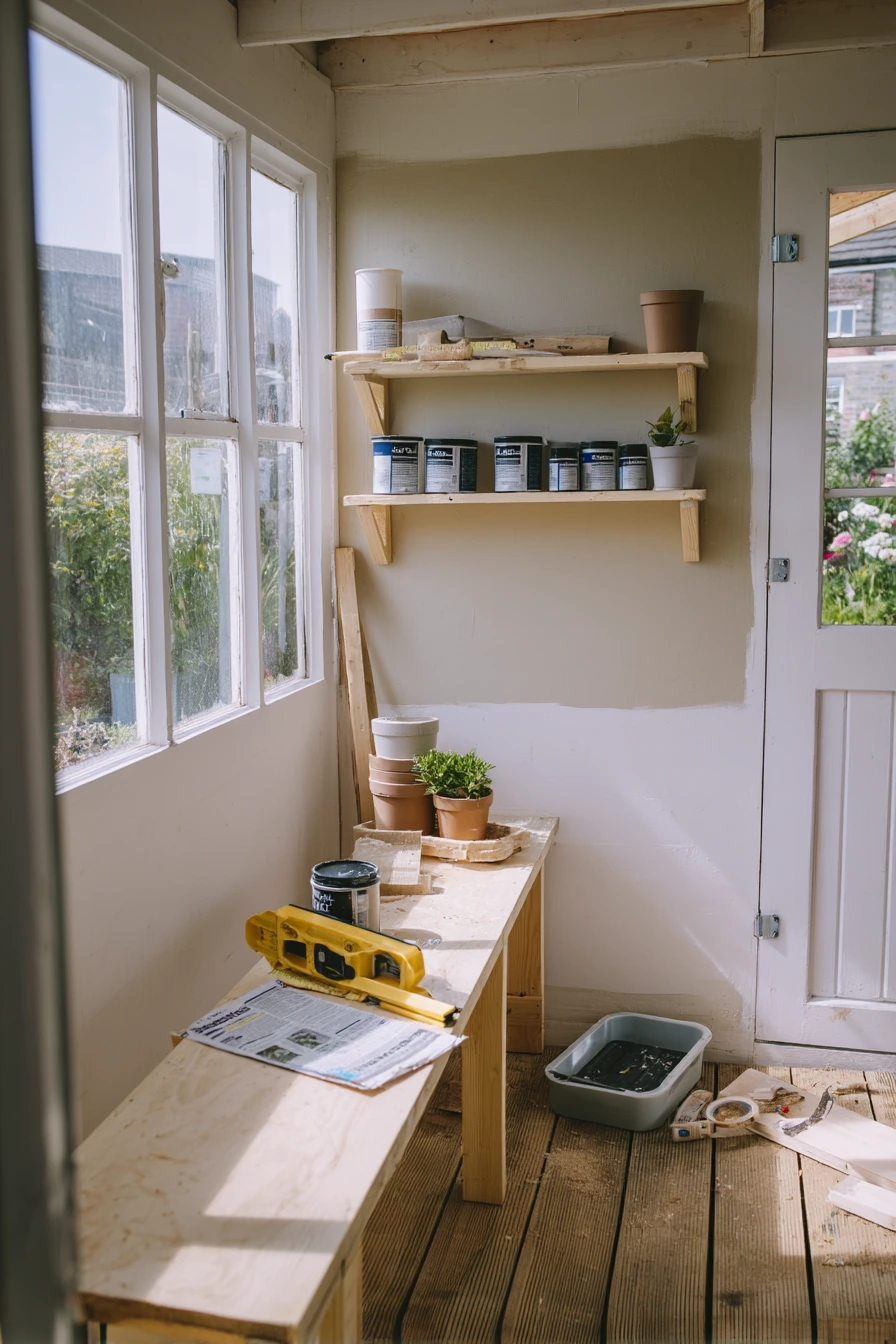
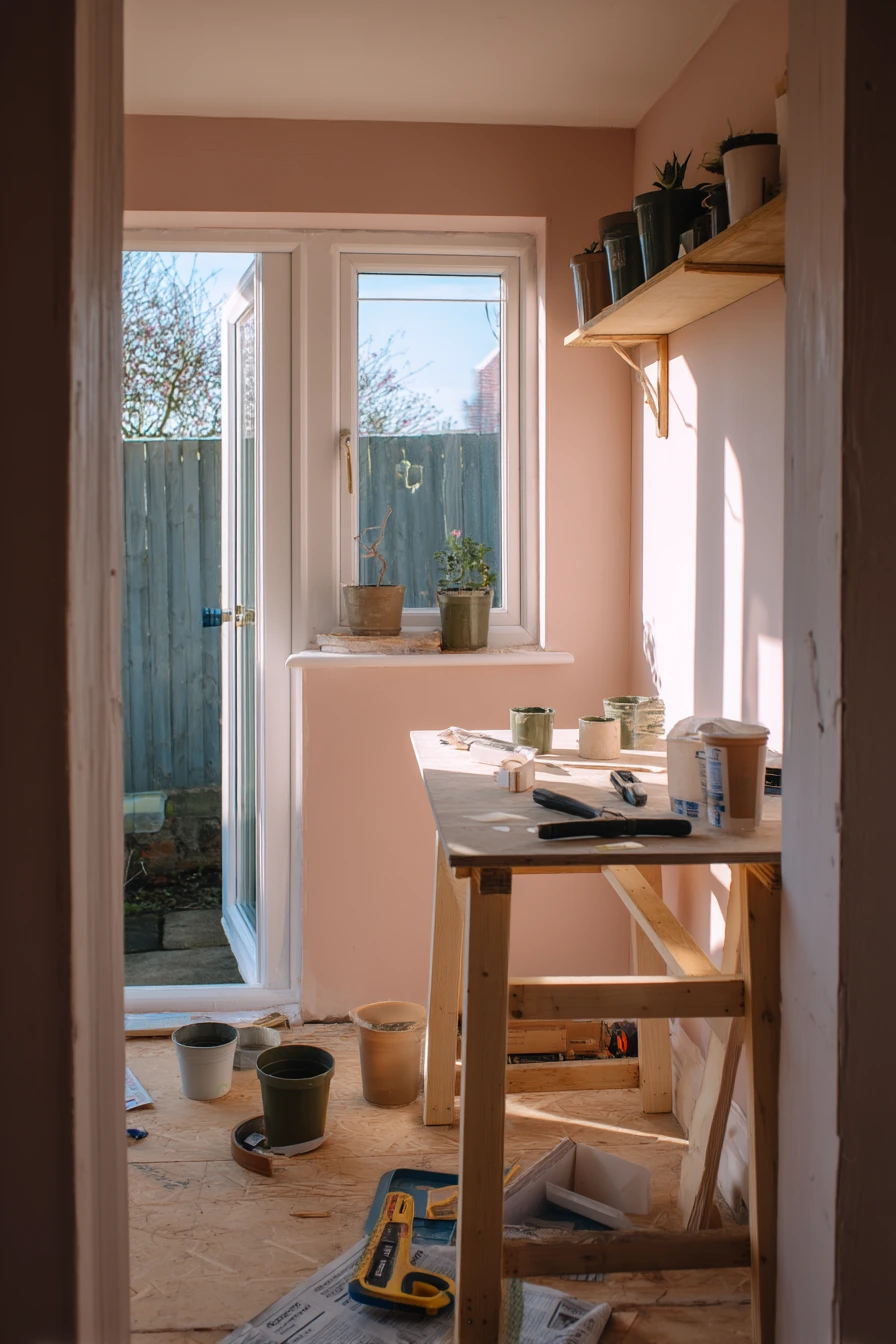
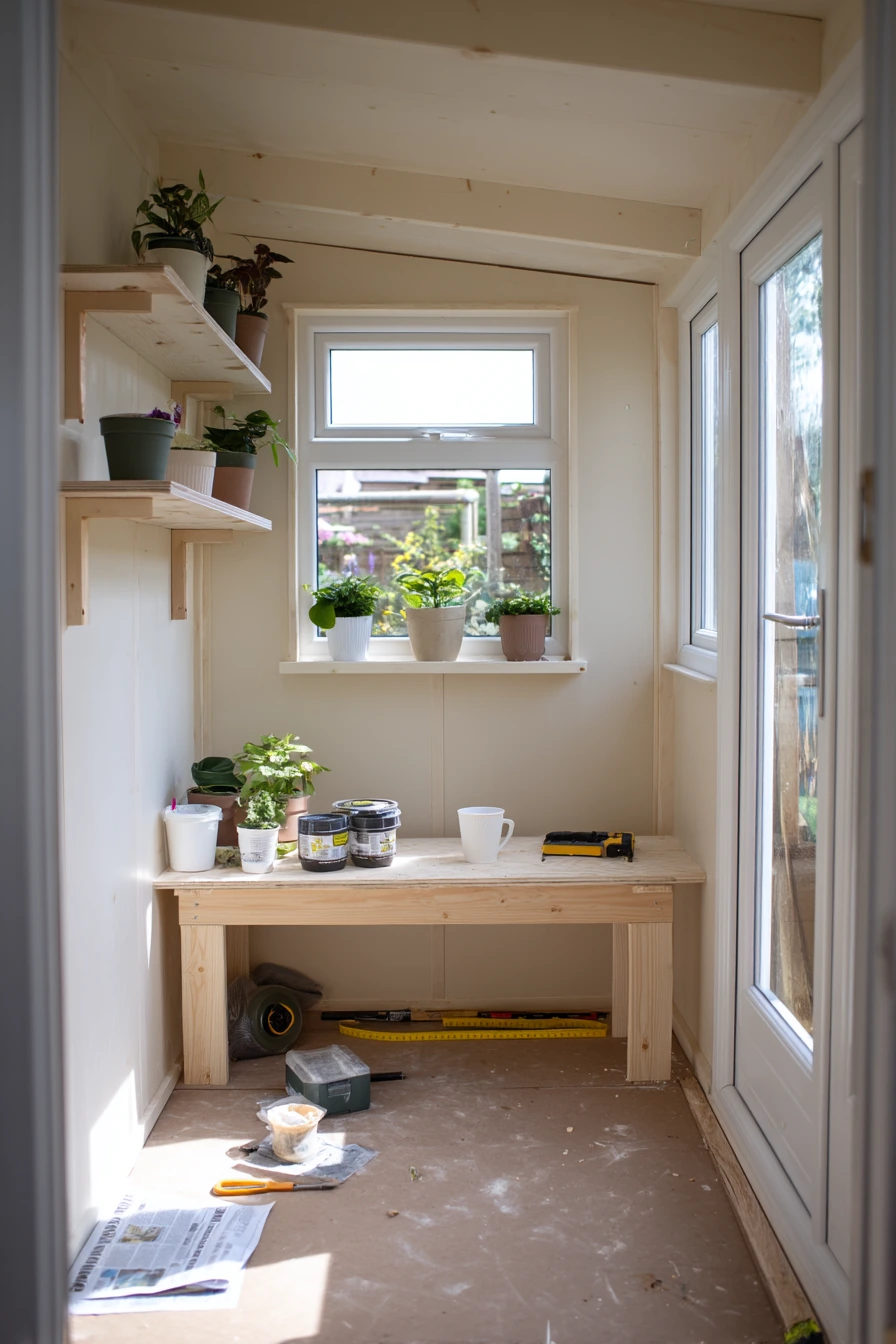
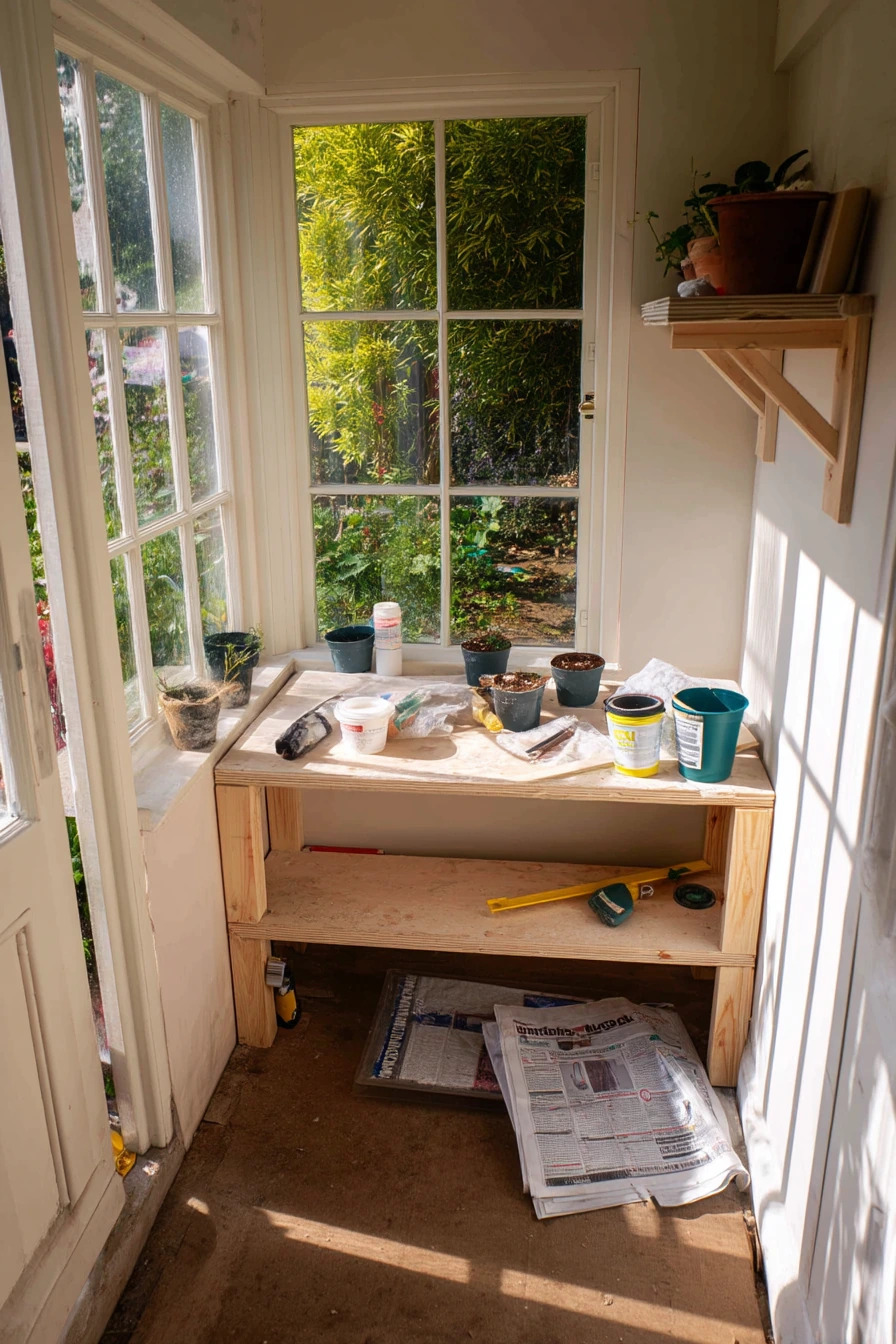
A DIY garden room often looks best right before it is fully styled, when the choices are clear. Fresh paint, a simple plywood bench, and reclaimed shelf brackets can go a long way. Keep tools tucked by the door so you can work in short sessions without turning the room into a mess.
Focus on the final steps that make the space feel done. Remove paint tape as soon as paint cures so edges stay clean. Add plant pots in groups, but do not overfill every surface. A bench can serve as seating and storage if you add baskets underneath. Keep a measuring tape handy until furniture placement is final.
Make a simple styling checklist for the first week. Choose one main use for the room, like a lounge or office, and support that use first. Then add warmth with a rug, curtains, and one wall shelf. If you have a takeaway coffee cup on the worktable, add a small tray and turn it into a “project station” so the room feels organized while you finish.
- Paint first, then bring in textiles last to avoid dust and splatter.
- Use plywood for a bench, then add a cushion for comfort.
- Install one shelf at a time and test the height with books.
- Group plant pots in threes, mixing heights for balance.
- Keep a small tool box in the room until the last details are done.
Pro Design Tip: Finish one “hero corner” fully (rug, seating, plant, light) before styling the rest, so the room feels complete sooner and guides your next choices.
Budget Considerations: Reclaimed brackets and leftover paint reduce costs. If new shelving is expensive, use basic pine boards and stain them later when the budget allows.
A garden room can be small, simple, and still feel special when it fits your real routine. Pick one main purpose first, then add storage, lighting, and a few natural textures like linen, wood, and woven fibers.
Use the ideas above to build your layout, then style with practical details you will actually use, like baskets, washable rugs, and easy plants. Small choices, like cable control and a good chair, make a big difference.
FAQ
What is the best flooring for a garden room? Easy-clean options like luxury vinyl plank, sealed concrete, or tile work well. Add a washable rug for warmth and comfort.
How do I heat a garden room in winter? Start with draft strips and thicker curtains. Then add an electric panel heater or safe space heater with a timer, and check insulation in walls and roof.
How do I keep a garden room cool in summer? Use blinds to reduce heat, open windows on opposite sides if possible, and add a fan. Choose breathable fabrics like cotton and linen.
Can I create a renter-friendly garden room setup? Yes. Use removable shelving, leaning art, clip-on lamps, and adhesive hooks. Focus on portable furniture like a foldable desk and baskets.
What plants are good for a garden room? Try pothos, snake plant, spider plant, and herbs like rosemary or mint if you get good light. Pick sturdy plants if you have kids or pets.
How do I make a garden room feel cozy without clutter? Add one rug, one throw, and one warm light source. Keep surfaces clear by using trays and baskets, and limit decor to a few items you love.
How should I plan the layout in a narrow garden room? Keep the center walkway open. Use slim furniture, wall shelves, and corners for storage, and choose smaller pieces like bistro tables or narrow consoles.