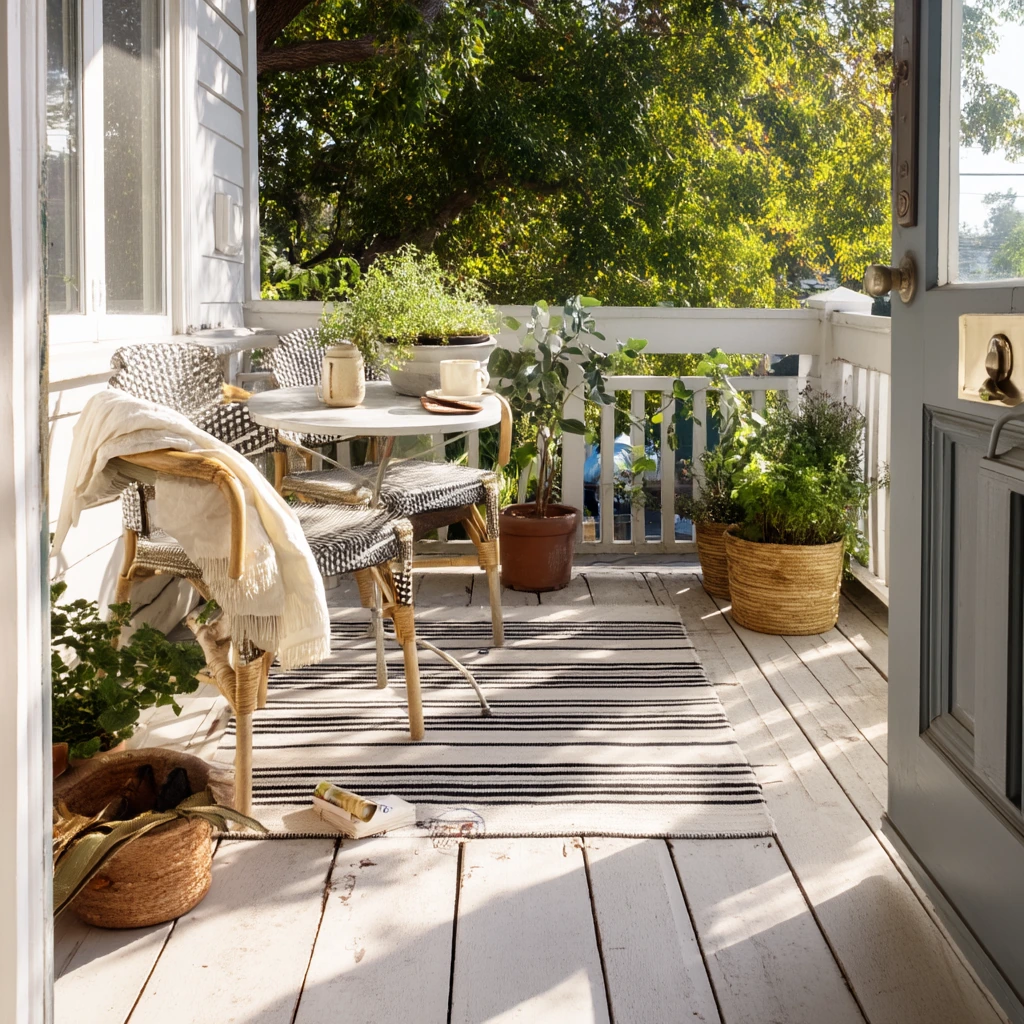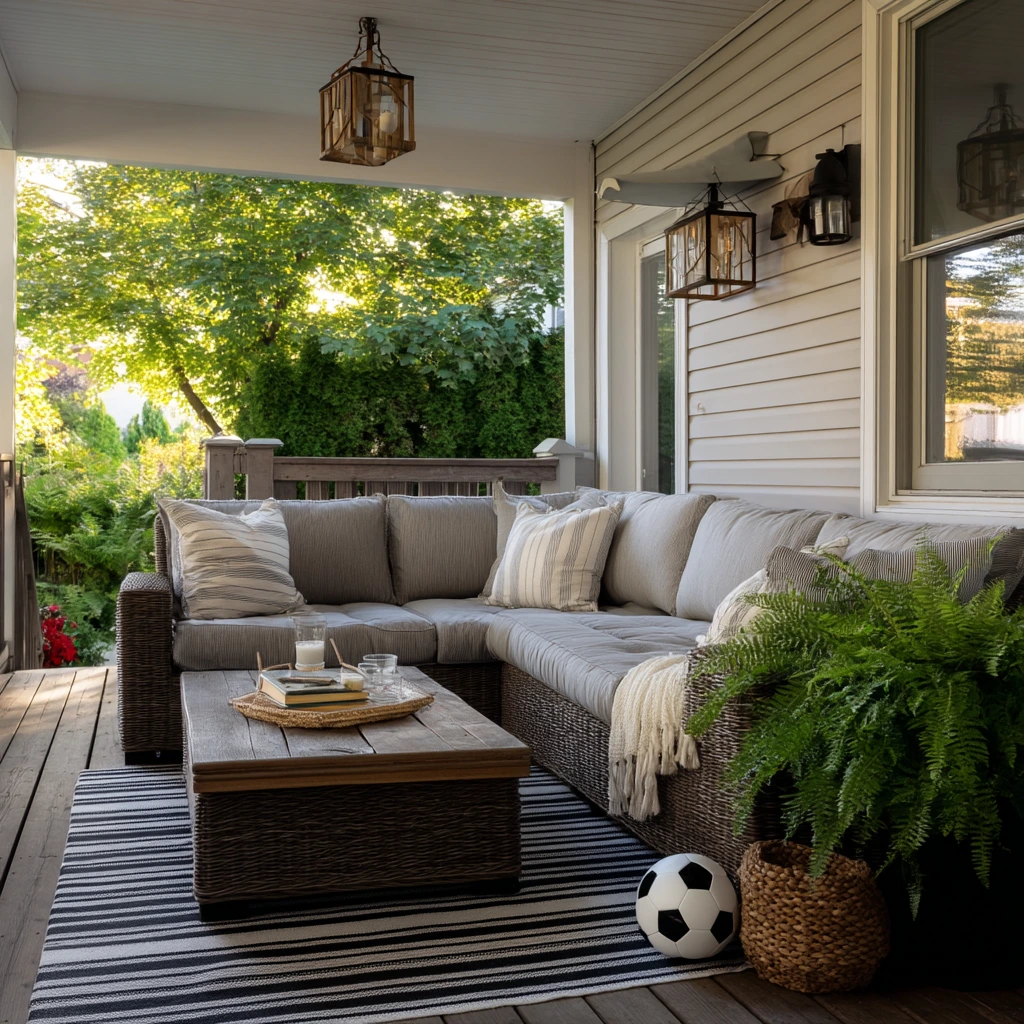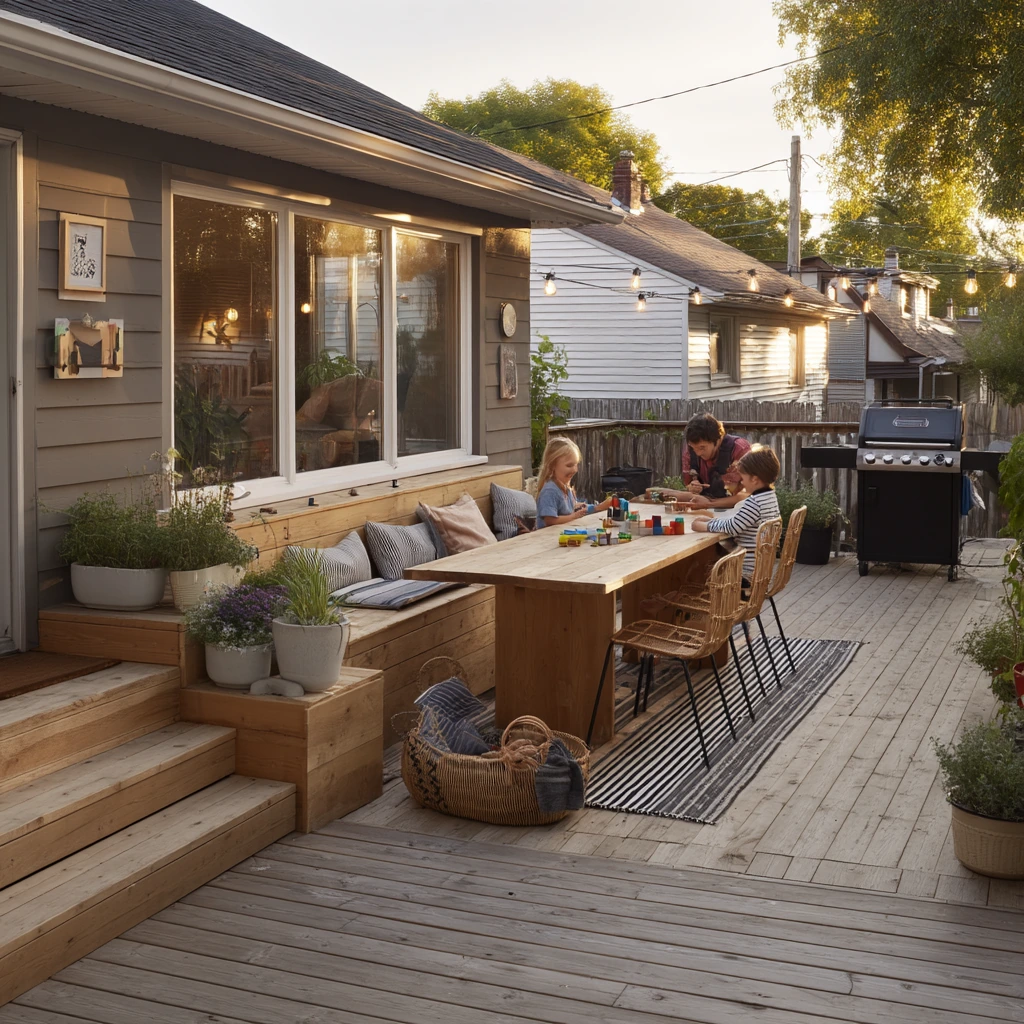

Deck fascia ideas can change the whole look of a deck fast. Fascia is the clean board or trim that wraps the deck edge and covers the rim joist. It helps your deck look finished, and it can also protect edges from splashes, sun, and wear.
In this post, you will see deck fascia looks for real homes, from a suburban composite deck to a compact city patio. Each idea includes simple style notes, plus practical steps you can copy with common tools.
If you came from Pinterest, use this as a checklist. You will learn what materials work, which colors hide dirt, and how to handle stairs, corners, and access panels without making the job hard.
Each section ends with a pro design tip and a budget note, so you can match the look to your home and your wallet.
1 Modern Cedar Fascia on a Family Deck
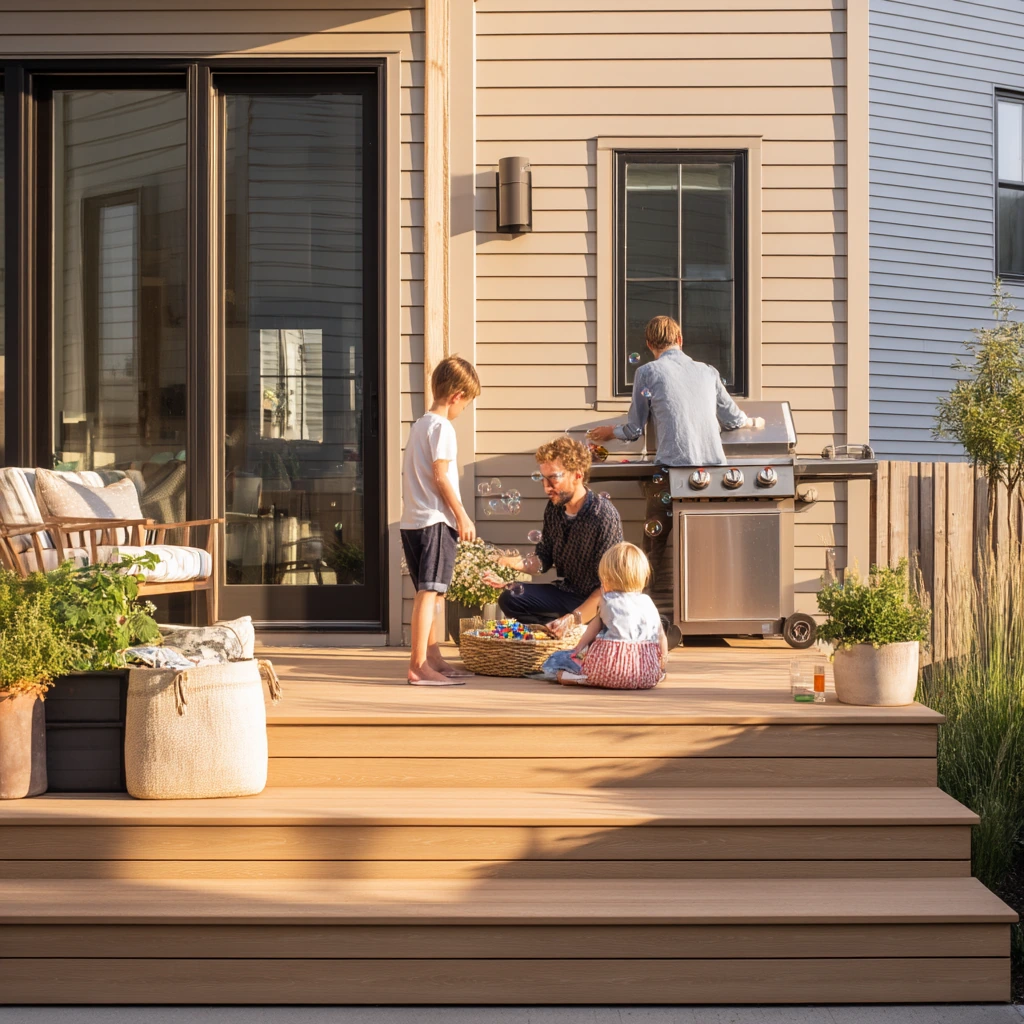
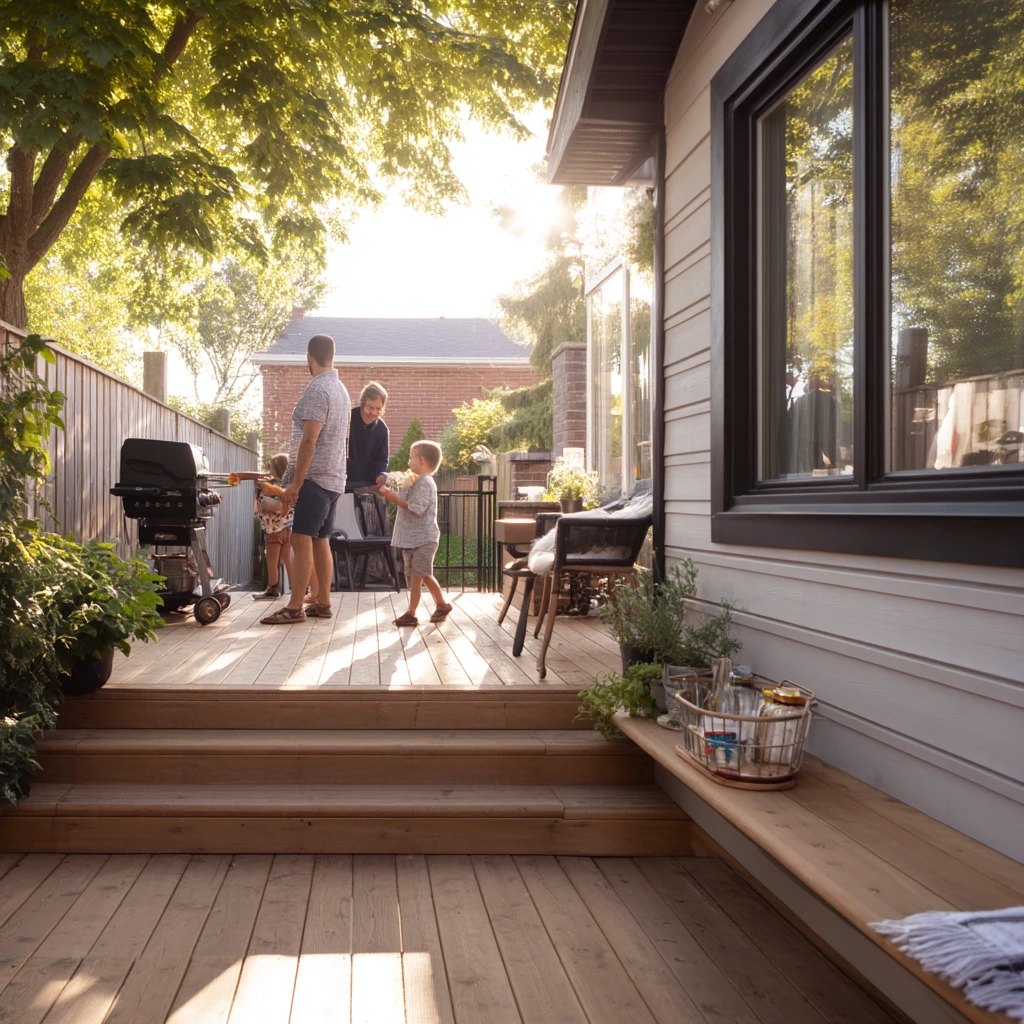
Clean cedar fascia boards give a composite deck edge a warm, natural frame. In a real suburban backyard, this look reads friendly and lived-in, especially with a simple stair skirt and matte black trim. Cedar adds texture that works well with kid life, like a toy basket by the chair, potted herbs near the grill, and soft maple shadows across the boards.
To style it, keep the fascia lines straight and calm. Use black corner trim or a thin metal cap to sharpen the edge. Match the black to railing posts, light fixtures, or a grill, so the deck feels tied together. If your deck boards are composite, choose a cedar tone that is close in warmth, not an exact match, so the edge looks intentional.
For function, seal cedar fascia well, especially at the bottom edge where sprinklers hit. Leave proper gaps where fascia meets decking so water can drain. For stairs, a simple skirt panel hides stringers and makes the steps look tidy without heavy trim.
- Pick clear cedar for fewer knots and a cleaner wrap.
- Use matte black screws or plugs for a neat finish.
- Add two herb pots near the corner for a “kitchen garden” feel.
- Keep one outdoor throw and one basket to reduce visual clutter.
- Wipe fascia seasonally to prevent pollen staining.
Pro Design Tip: Run the cedar fascia past the corner and return it, then add a slim black corner trim piece to hide end grain and make the corner look sharp.
Budget Considerations: Cedar costs more than basic pine; to save, use cedar only on the front-facing sides and a cheaper painted board on hidden edges.
2 Budget-Friendly Painted Fascia Refresh
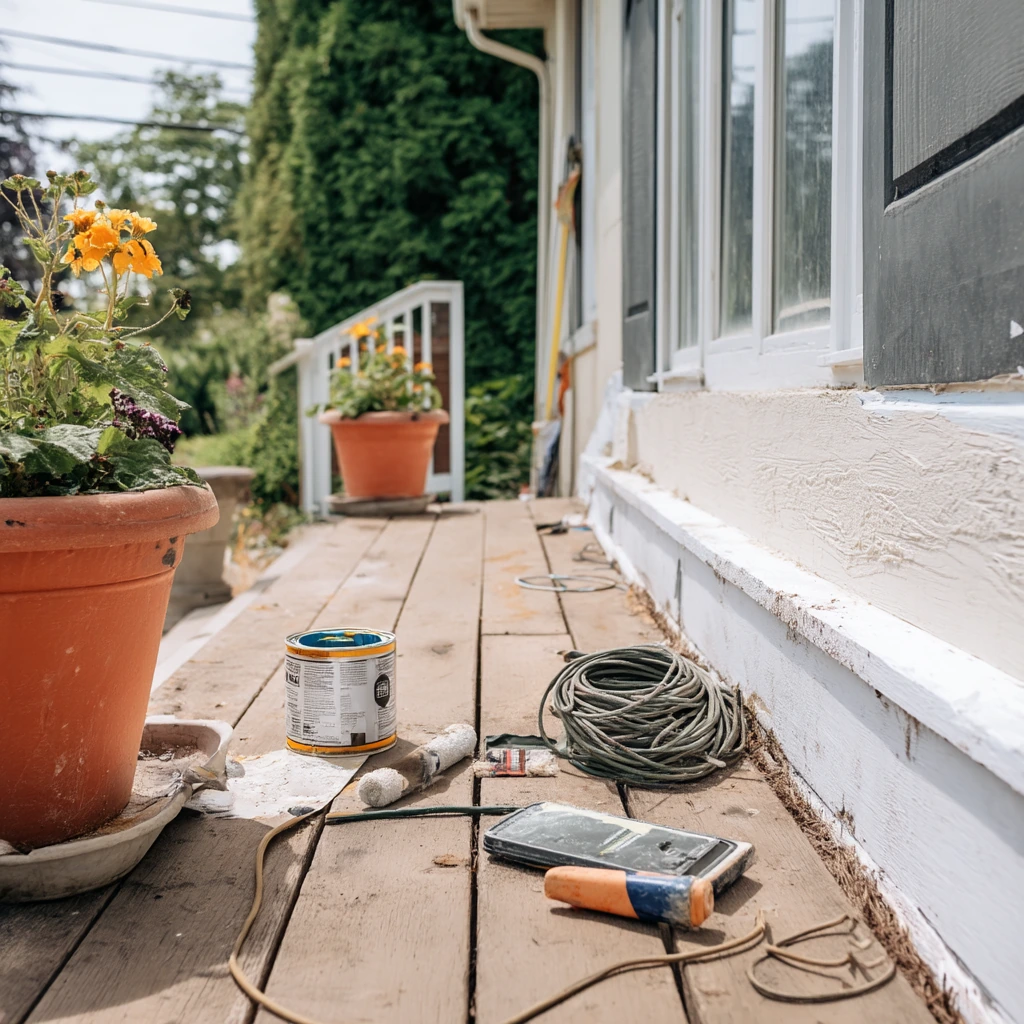

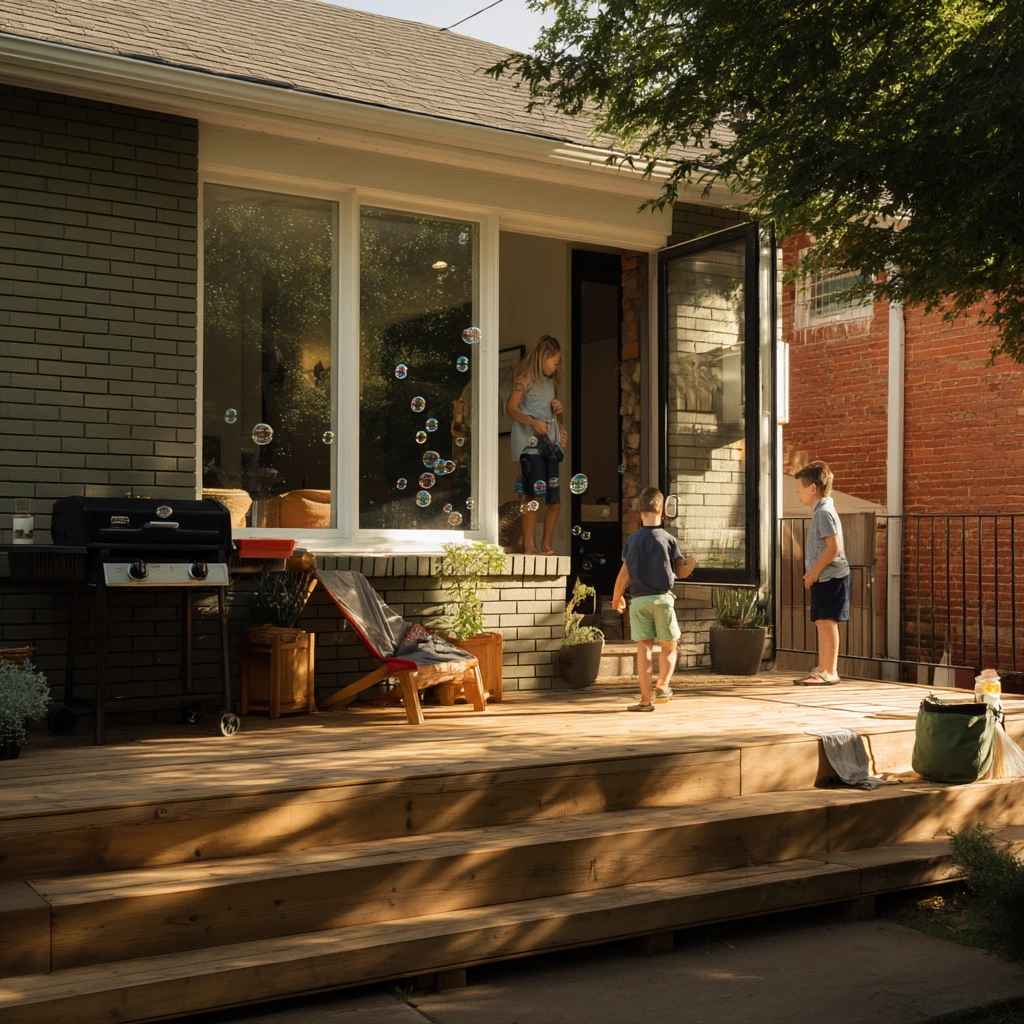
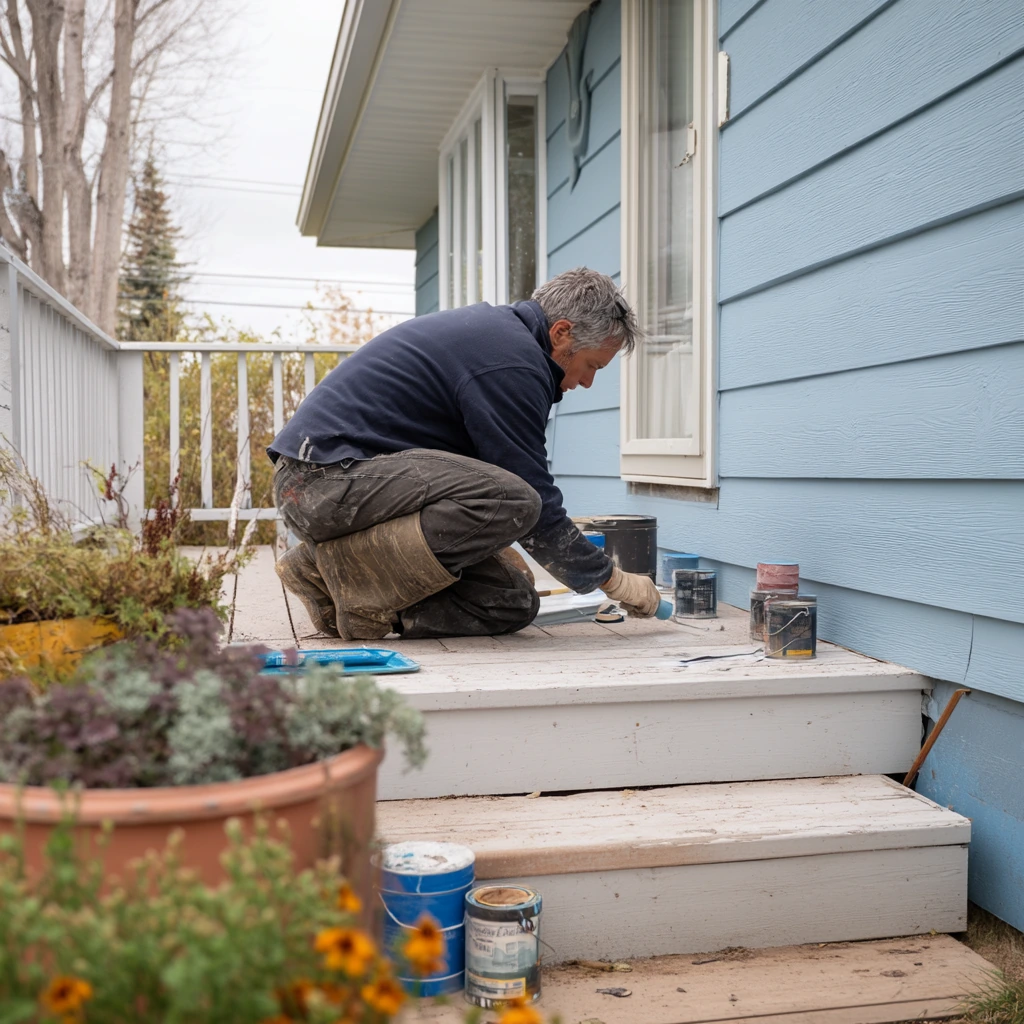
White fascia is a simple way to clean up a weathered deck, especially on a modest ranch home. A crisp white edge makes old boards look more cared for, even if you are not replacing the decking yet. This is a great weekend project when you have painter’s tape, a drop cloth, and a small roller, and you want a practical result.
For a look that feels fresh, use a soft white or bright white based on your home trim. If your siding is warm beige, pick a warmer white. If your house trim is cool, use a cleaner white. Keep the fascia smooth, and take time to fill holes and sand rough spots before paint. The “before” work is what makes the finish look neat.
To style the scene, pair white fascia with simple planters, like slightly dusty terracotta or black plastic pots. Add one small outdoor mat by the steps to hide muddy garden boots and reduce tracking. White also helps the deck edge show up in cloudy, overcast daylight, which is common in many yards.
- Scrape peeling paint and sand edges before priming.
- Prime bare wood so the top coat stays even.
- Use exterior trim paint in satin for easy cleaning.
- Paint the stair skirt to match the fascia for a unified look.
- Keep a small touch-up jar for chips near corners.
Pro Design Tip: Paint the fascia and stair skirt the same white, but keep the deck boards natural; the contrast makes the deck look straighter and more finished.
Budget Considerations: Paint is one of the lowest-cost fascia updates; if boards are rough, budget for primer, filler, and sandpaper because prep supplies add up.

3 Small Patio Deck with Sleek Metal Trim
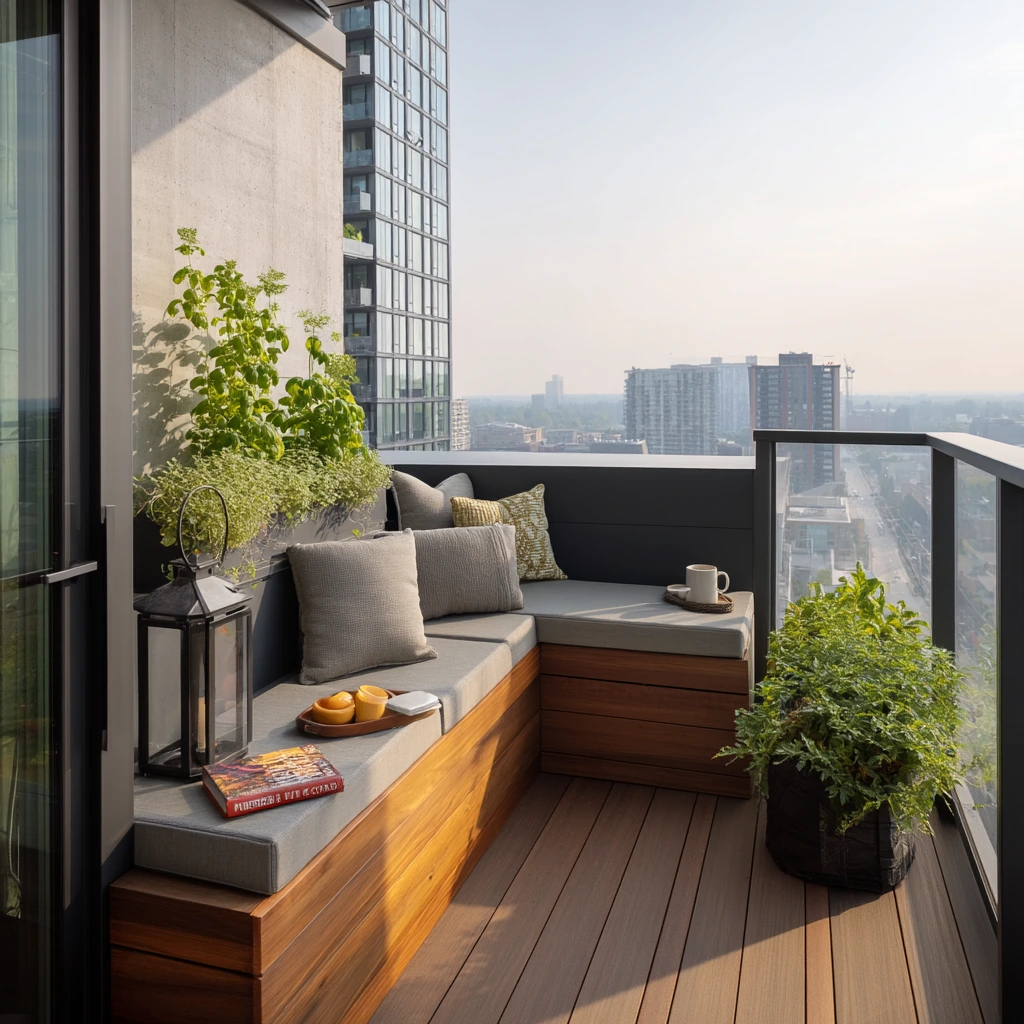
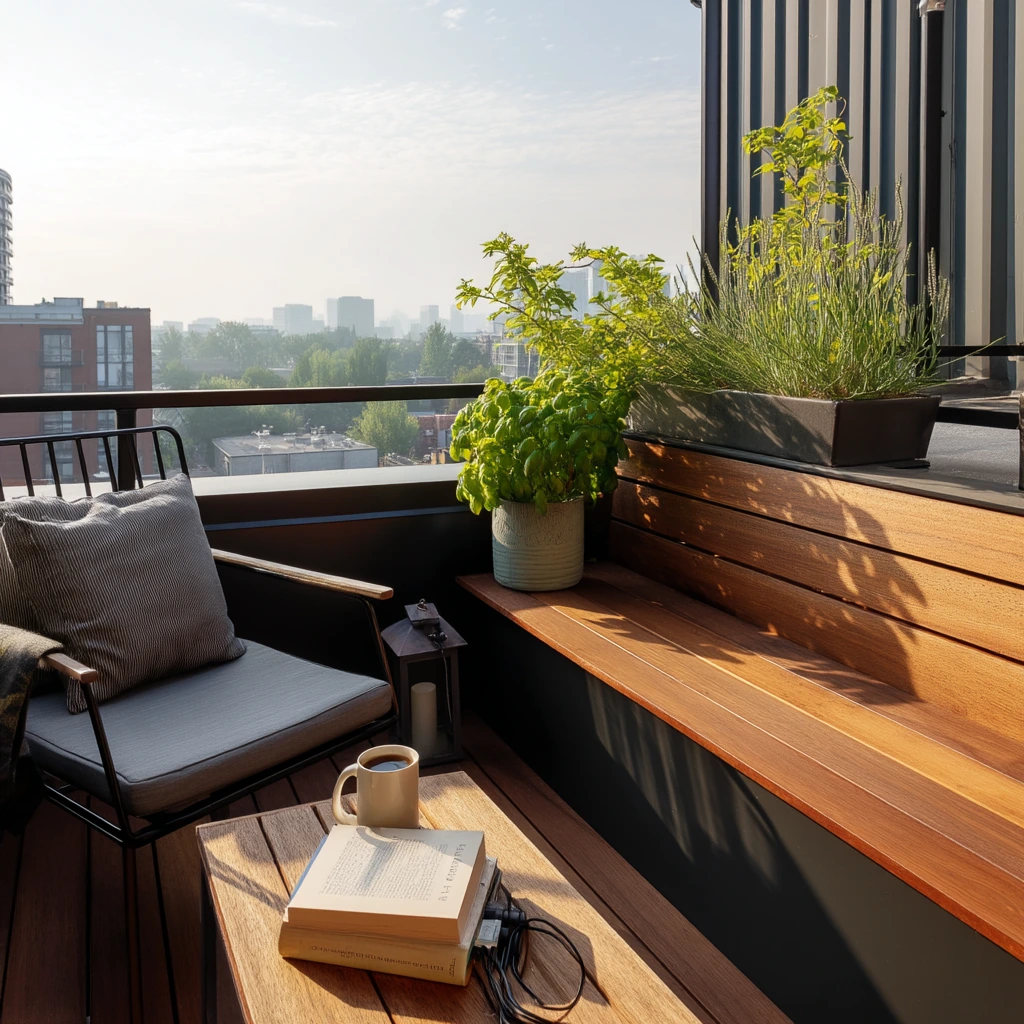
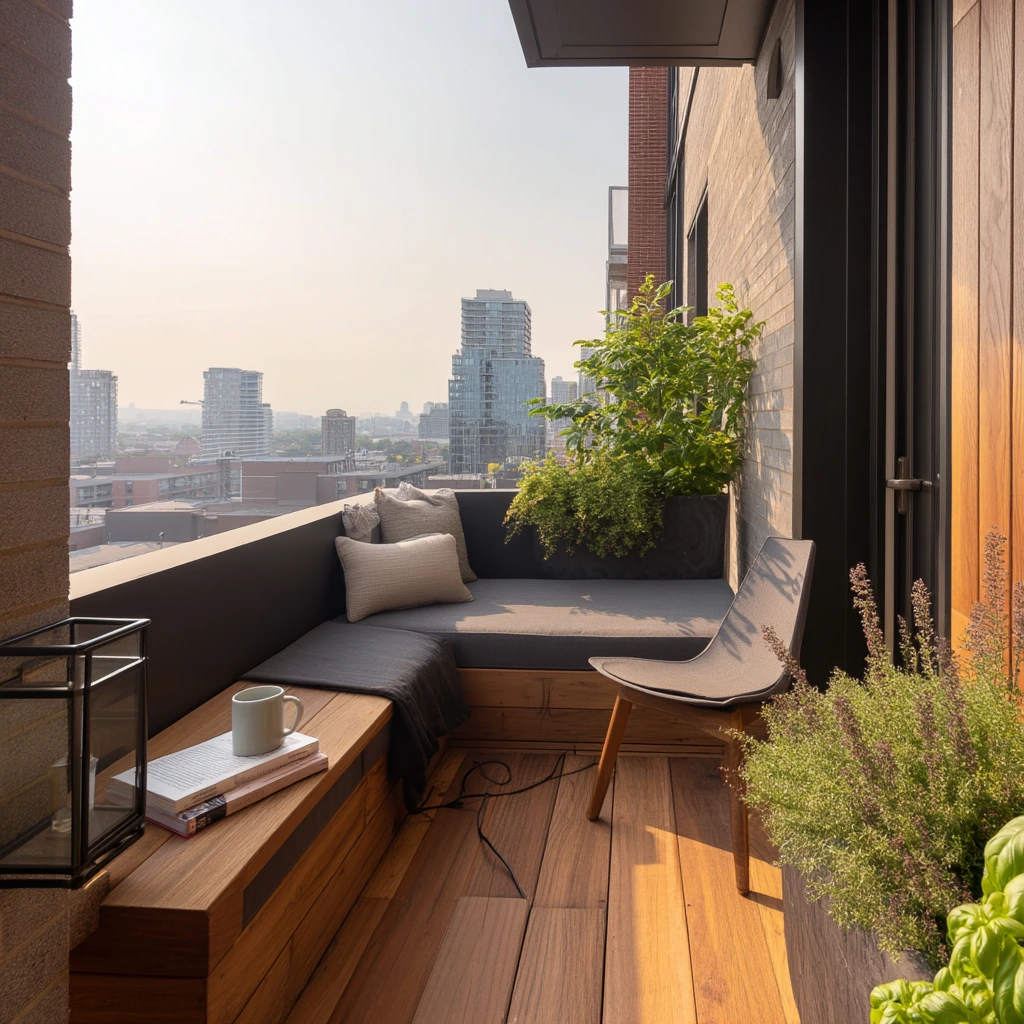
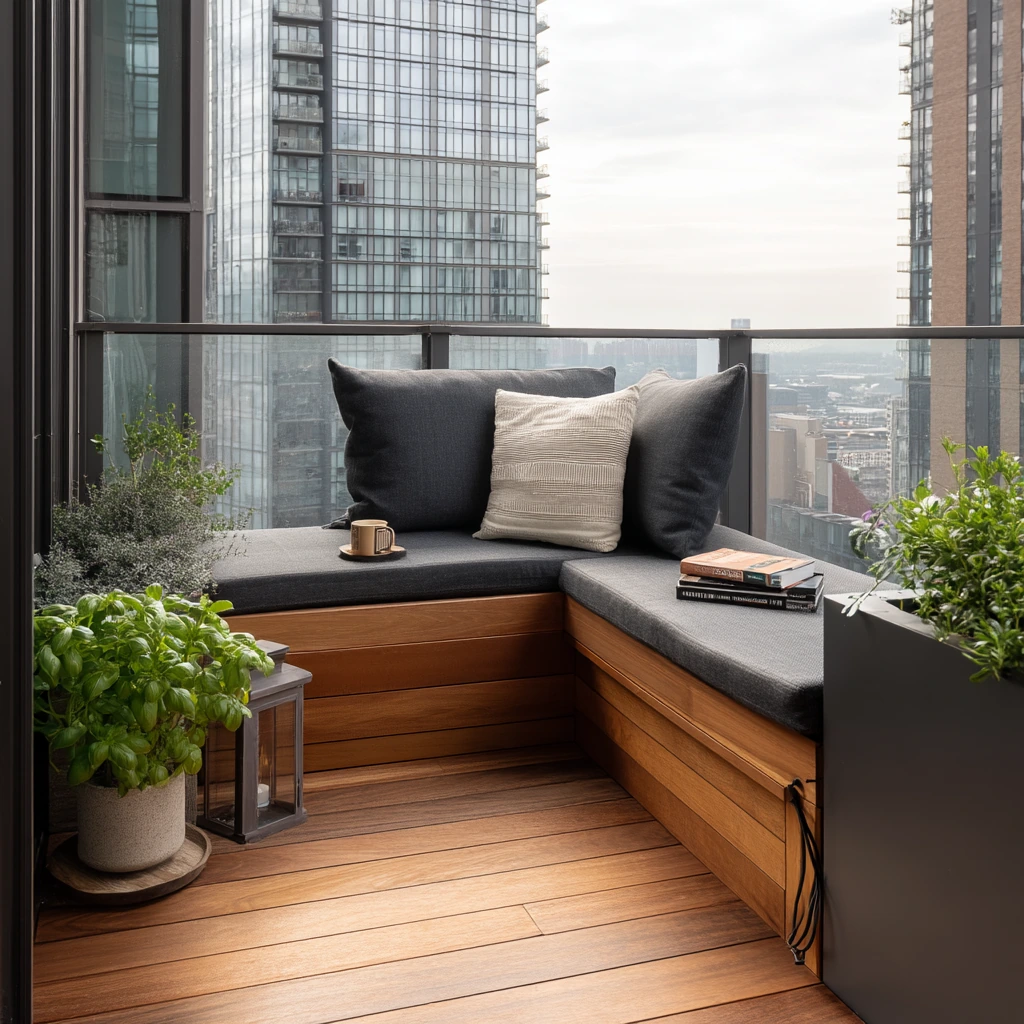
On a narrow rooftop terrace, dark powder-coated fascia trim can make the deck edge look clean and modern without taking up space. Under warm wood decking, a slim dark band reads like a picture frame. It also hides scuffs better than lighter colors, which helps in a busy city patio where furniture shifts often.
Style this look with a few calm items: a slim bench, one lantern, and one ceramic mug on a small side table. Keep cords under control, like a charging cable near a lounge chair, by using adhesive clips or a cord cover that matches the fascia color. Add a basil plant for soft shadows and a lived-in feel without clutter.
For installation, choose aluminum or steel trim made for exterior use. Powder coating holds up well and resists peeling. Make sure the trim has proper ventilation behind it if it covers framing. If you need access to wiring or drains, plan one removable section, so you do not have to bend metal later.
- Match dark trim to railing posts for a unified line.
- Use hidden fasteners where possible to keep the edge sleek.
- Add one lantern for evening light without glare.
- Choose slim furniture so the deck still feels open.
- Wipe the trim to remove city dust and pollen.
Pro Design Tip: Keep the fascia trim thickness thin and consistent on all sides; on a small terrace, even a small change in thickness can make the deck feel cramped.
Budget Considerations: Powder-coated metal costs more upfront; if you need a cheaper option, paint exterior-rated metal flashing with a quality primer and top coat.
4 Coastal White Fascia for a Breezy Porch Deck
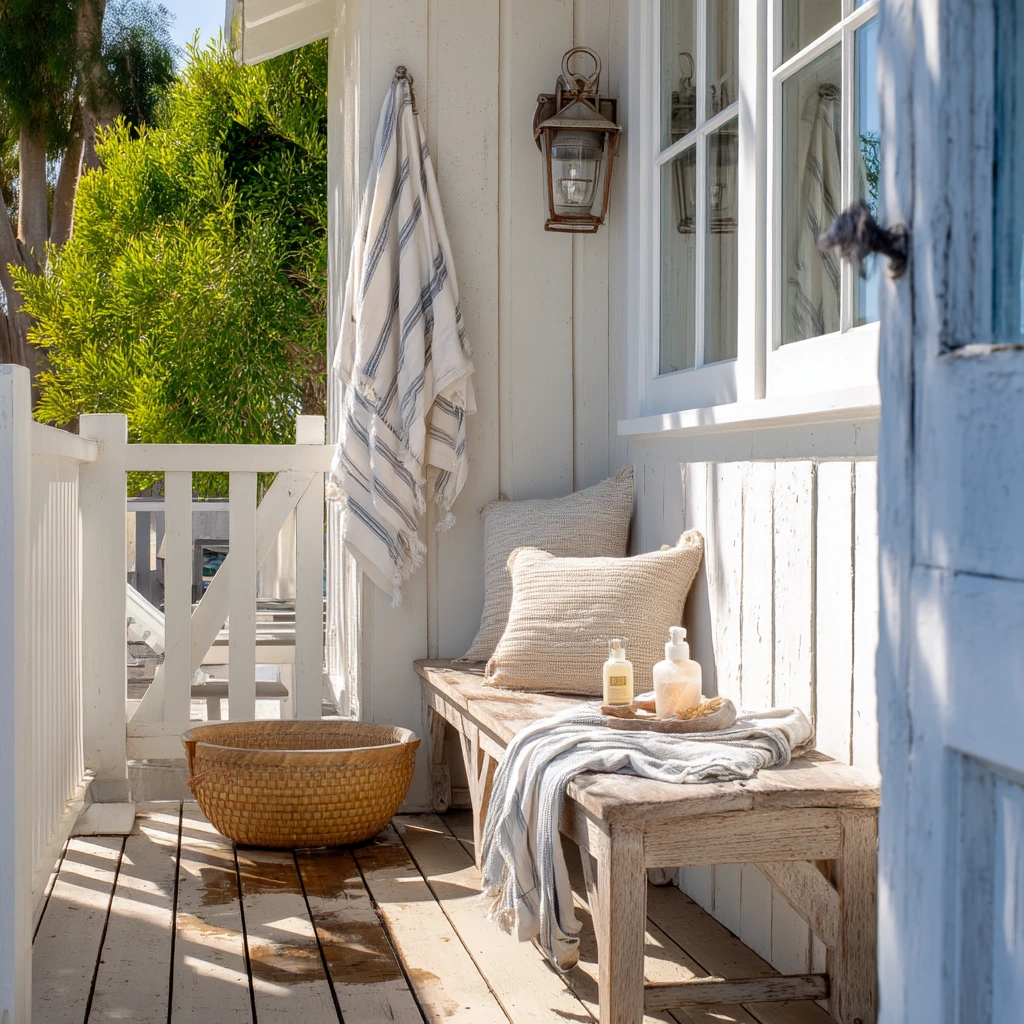
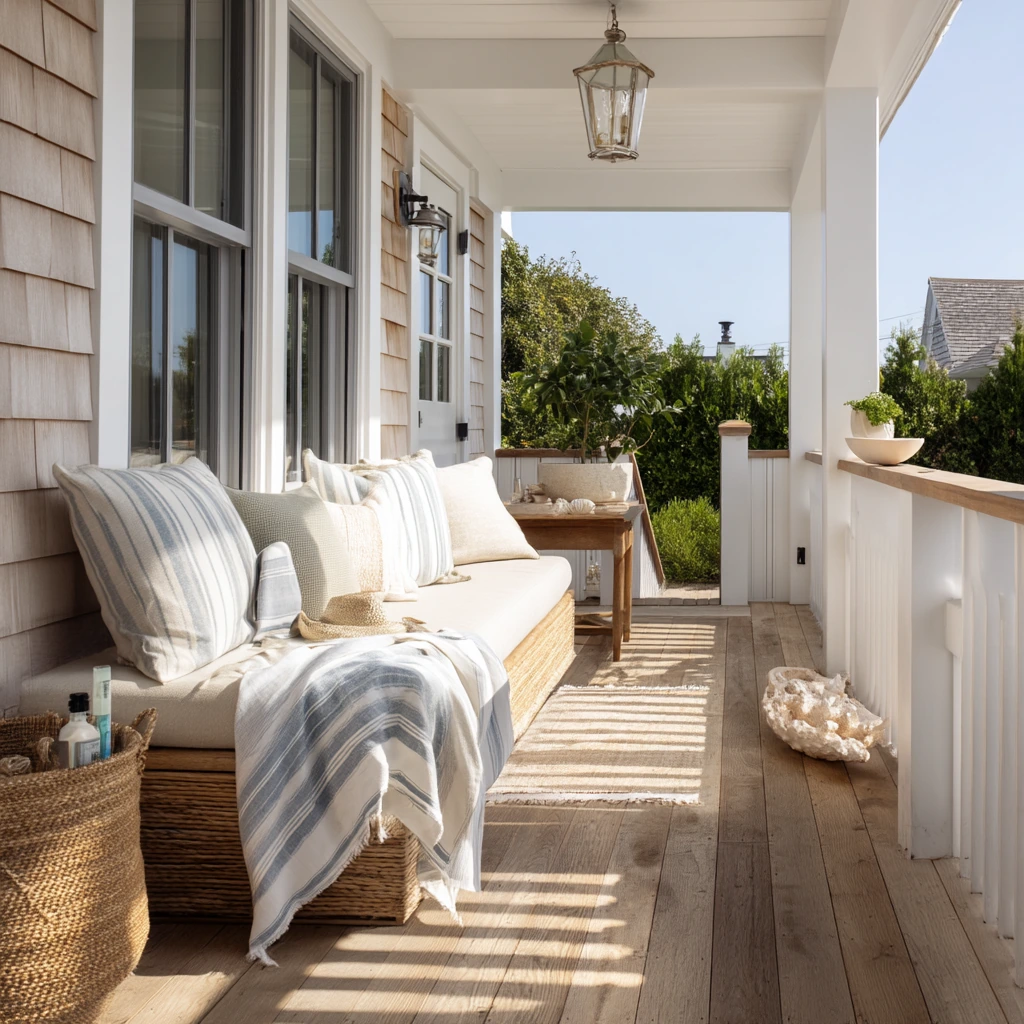
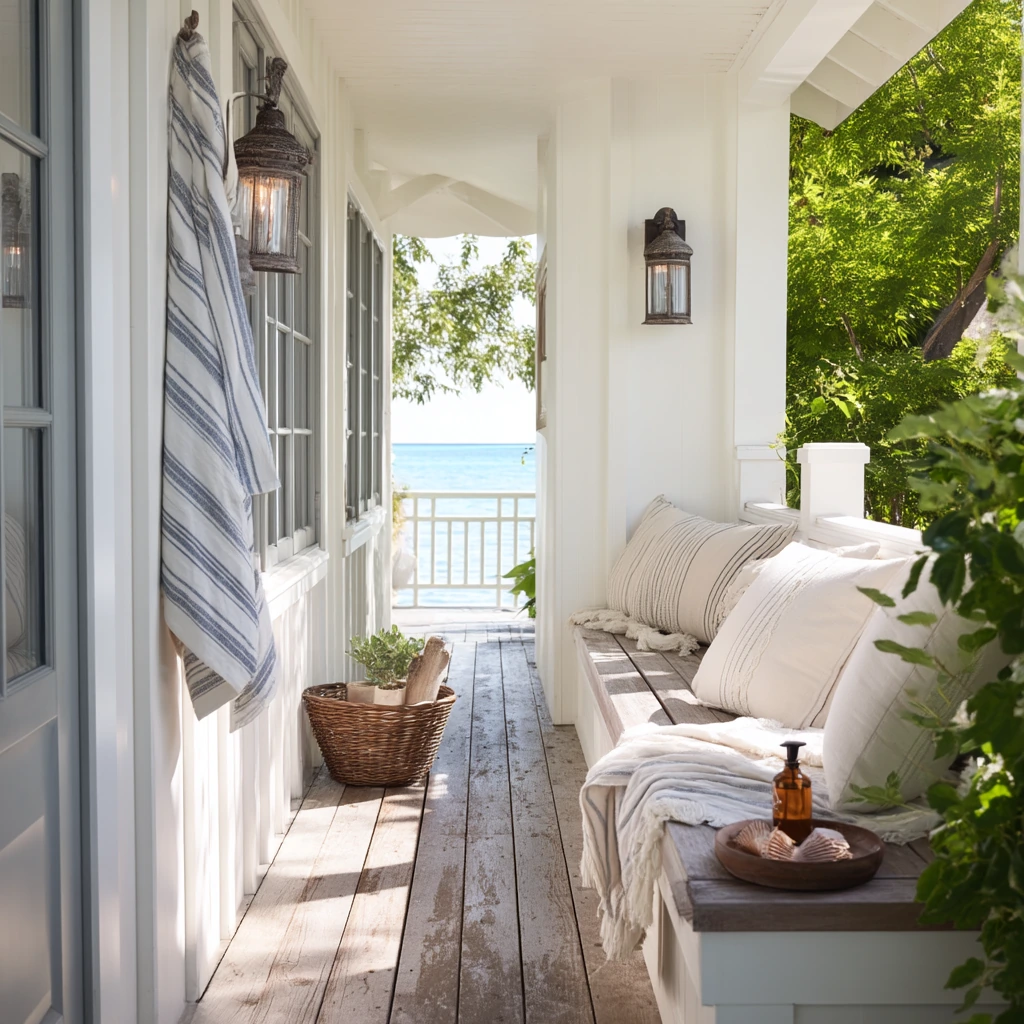
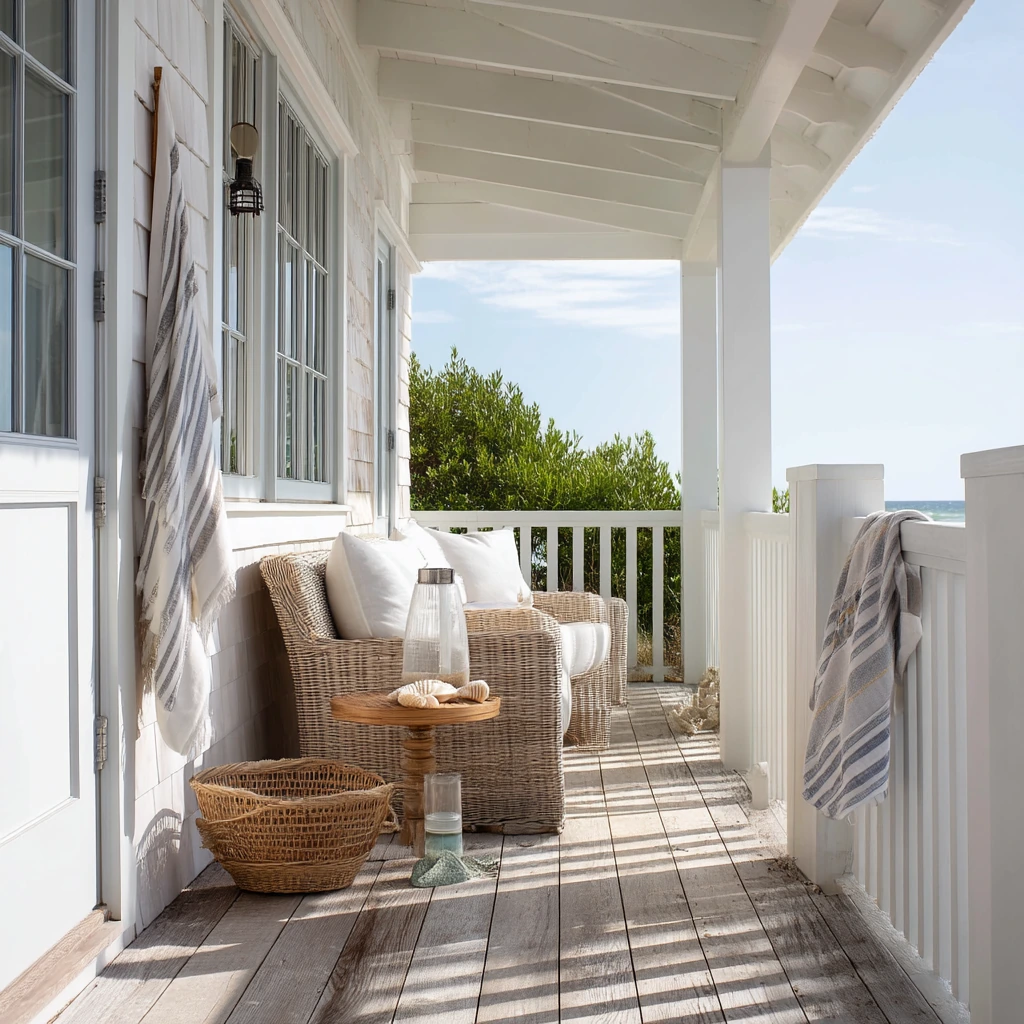
Coastal deck fascia ideas often start with white boards because they make the porch feel bright and clean. Pairing white fascia with pale cedar decking creates a light, sun-washed look that fits a beach house. Details like woven seating, striped towels on the rail, and a salt-weathered lantern add texture without making the space busy.
To style it, keep the color palette tight: white, sand, and soft blue. Use a shell bowl or a simple tray for small items like sunscreen, so the porch looks tidy. If you have a garden hose nearby, plan for wet footprints and splashes by choosing a paint finish that wipes clean and does not hold dirt.
For durability, coastal air can be harsh on wood and fasteners. Use exterior-grade screws and seal cut ends. If you paint wood fascia, pick a paint system that handles moisture and sun, and recoat before it fails. A crisp edge line also looks best when the bottom of the fascia stays straight, so check for sagging before you paint.
- Use mildew-resistant exterior paint for humid areas.
- Add a small doormat to catch sand at the steps.
- Keep towels folded or draped in one spot for a calm look.
- Choose woven furniture for airflow and light texture.
- Rinse fascia lightly to remove salt buildup.
Pro Design Tip: Paint fascia, stair skirts, and any visible risers the same white so the deck edge reads as one clean band against pale cedar.
Budget Considerations: Coastal-rated paint and stainless fasteners cost more; if you need to save, at least upgrade fasteners at corners and bottom edges where rust shows first.
5 Modern Farmhouse Fascia with Hidden Lighting
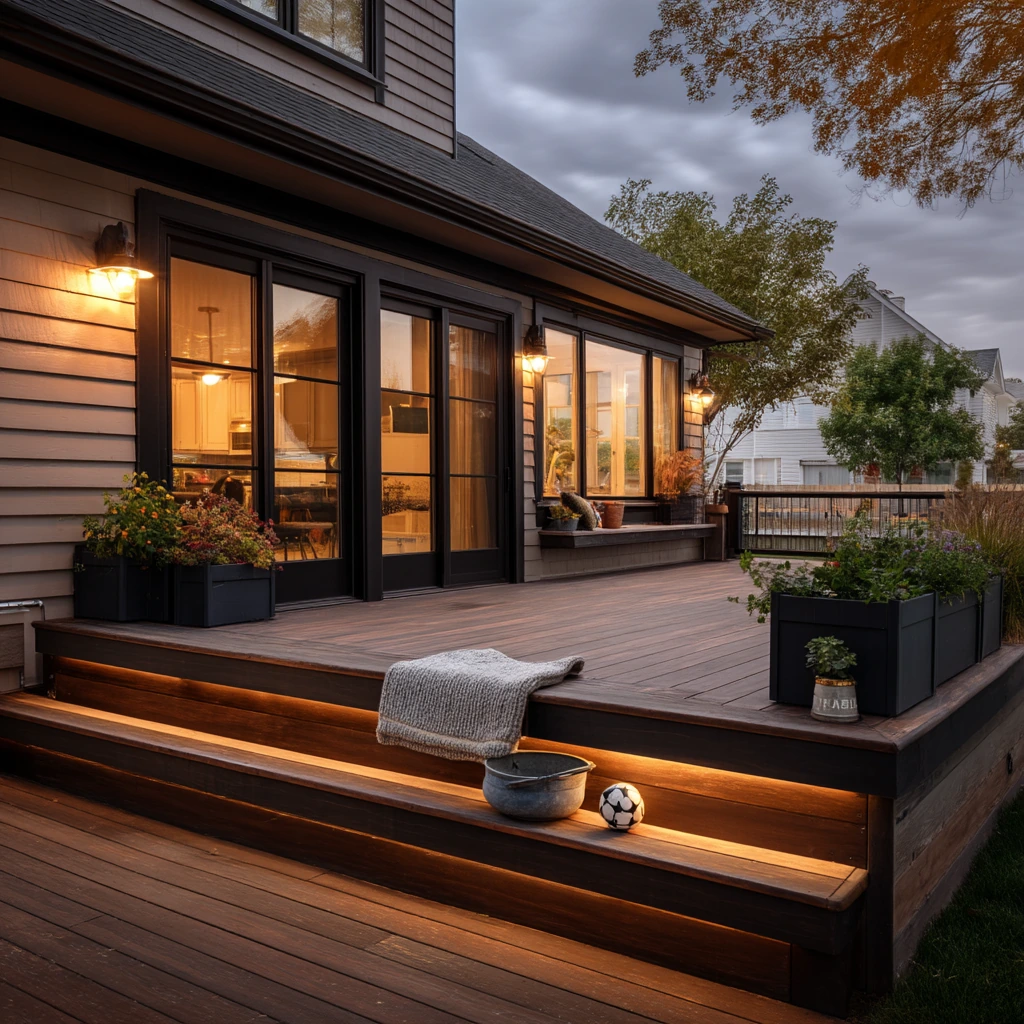
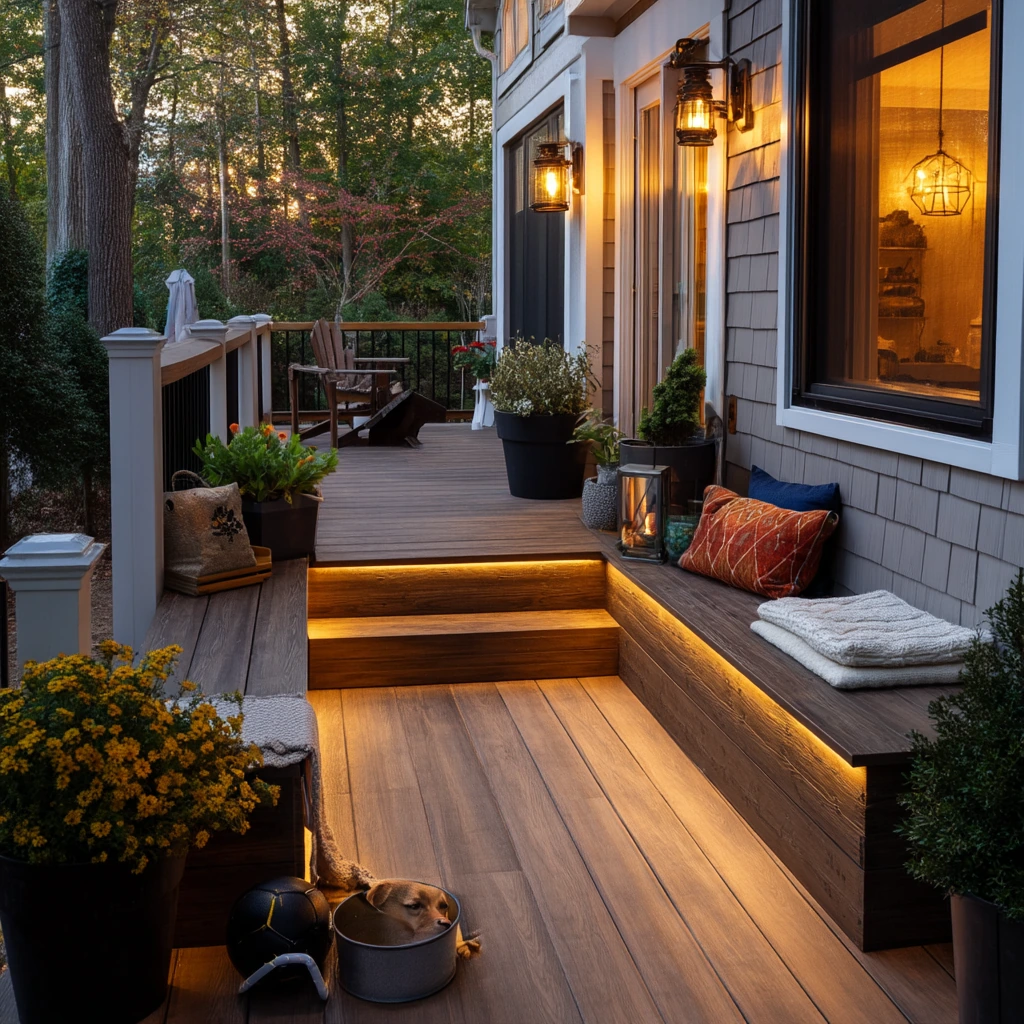
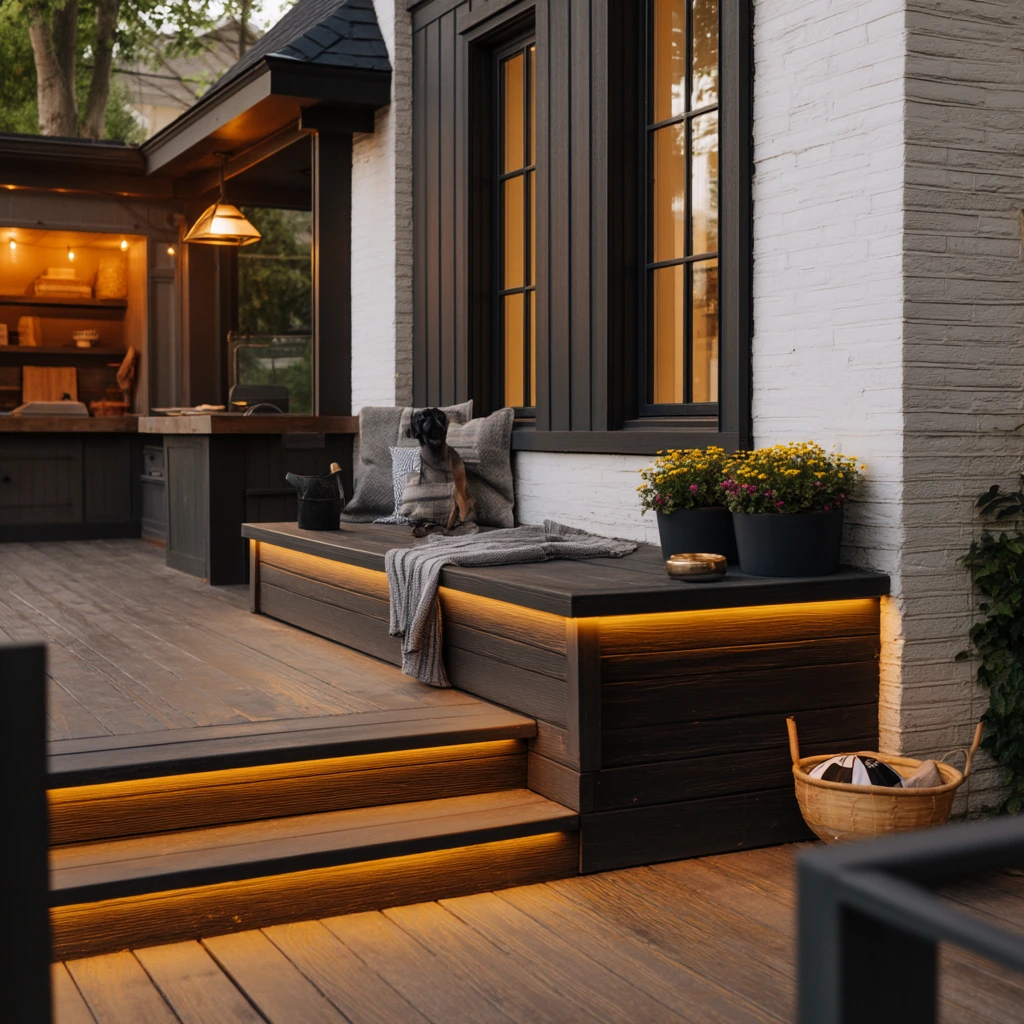
Stained wood fascia fits a family farmhouse backyard because it feels warm and practical. Adding a slim hidden LED glow beneath the deck edge brings soft light at dusk without bright fixtures. It also helps people see built-in steps, which is useful when kids run in and out from the kitchen and the yard.
To style it, combine the warm stain with black planters for contrast. Keep the extras real-life ready: an enamel watering can by the steps, a dog bowl near the door, and a folded blanket on a bench. A soccer ball tucked near the railing looks casual, and the glow lighting makes the whole deck feel calmer when the sun goes down.
For the build, install LED tape in an aluminum channel under the fascia lip, facing down. This hides the dots and protects the strip. Choose a warm color temperature so it blends with warm kitchen light. Keep wiring safe in a weather-rated box, and plan a switch or timer so you actually use the lighting daily.
- Pick a stain that matches your steps for a consistent look.
- Use a diffuser channel to avoid harsh LED hotspots.
- Place planters near corners to soften hard lines.
- Set lights on a timer for easy evening use.
- Seal the bottom edge of fascia to reduce water damage.
Pro Design Tip: Hide LED strips behind the fascia overhang and aim them straight down to create an even “floating edge” glow without lighting up the yard.
Budget Considerations: LED channels and outdoor transformers add cost; for a lower price, use solar step lights first and add hidden LEDs later.
6 DIY Fascia Upgrade with Composite Boards
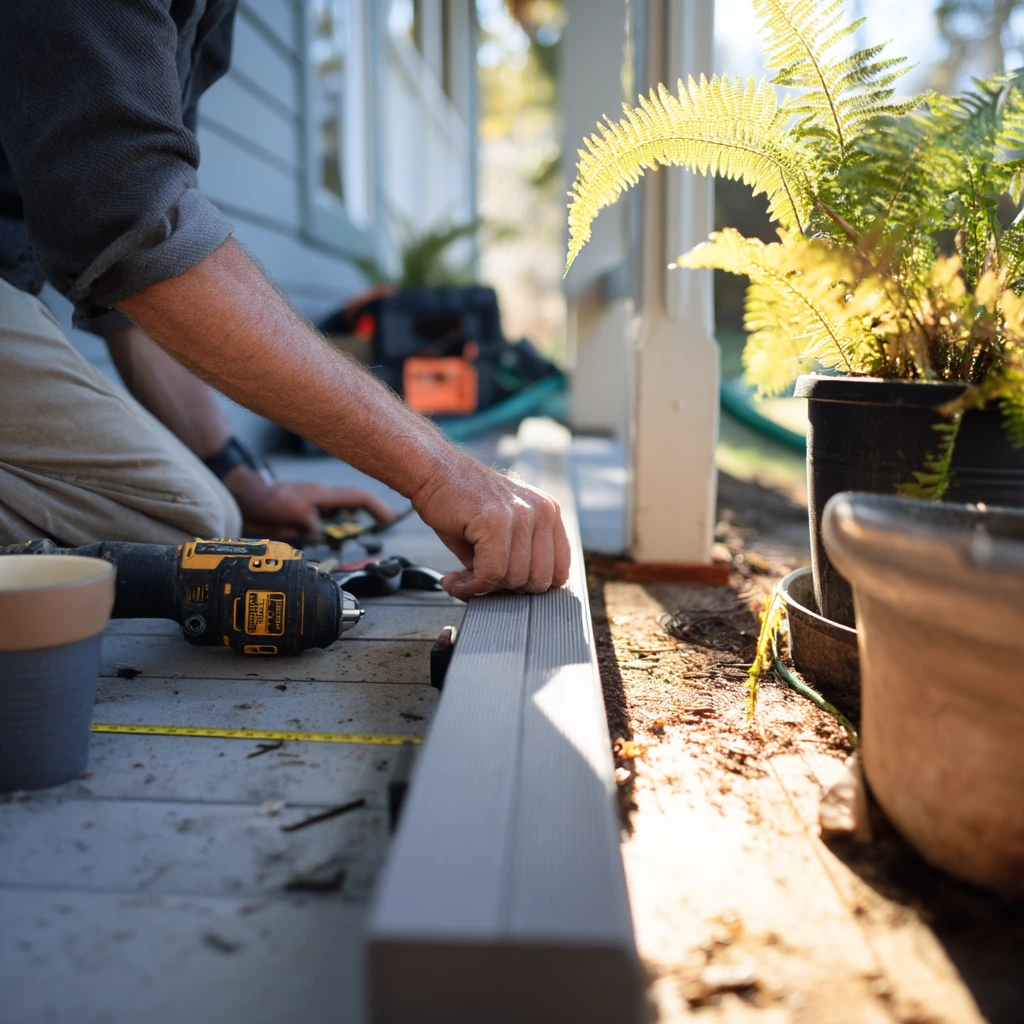

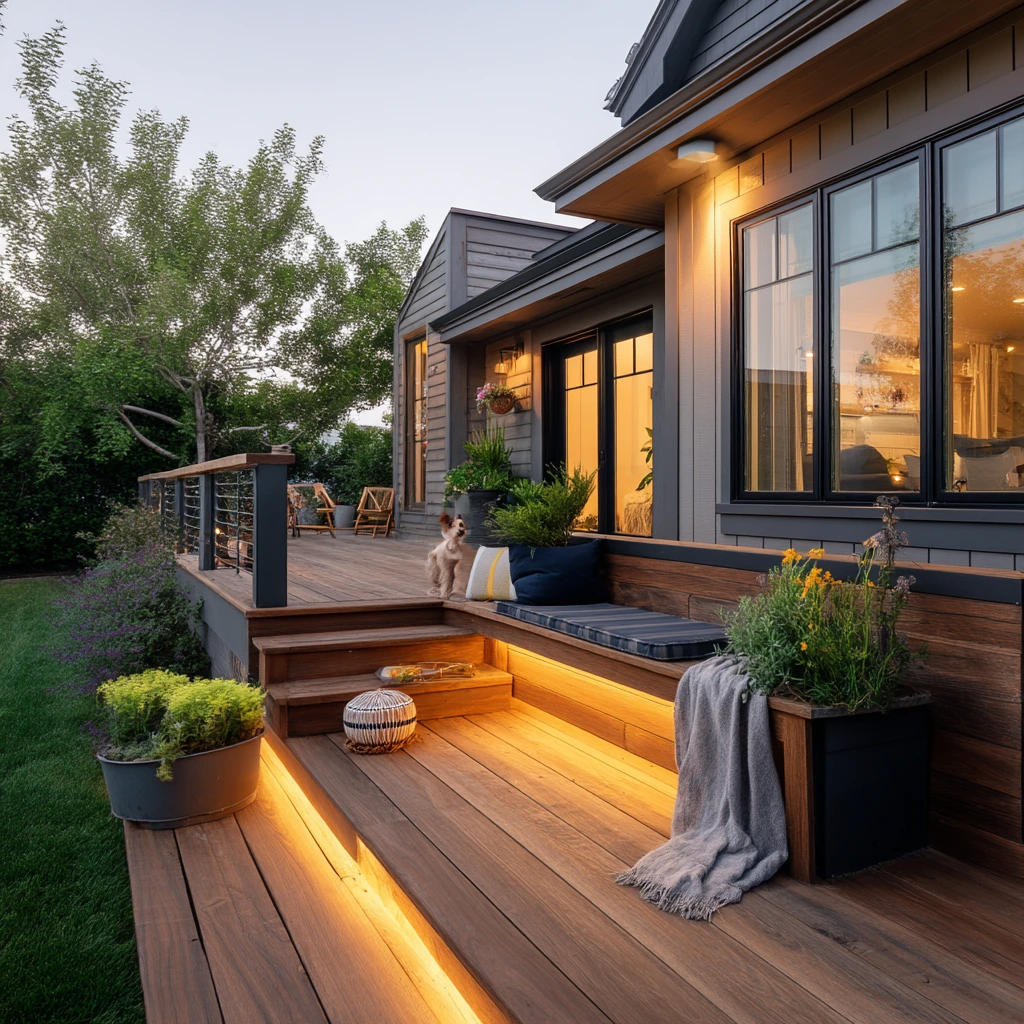
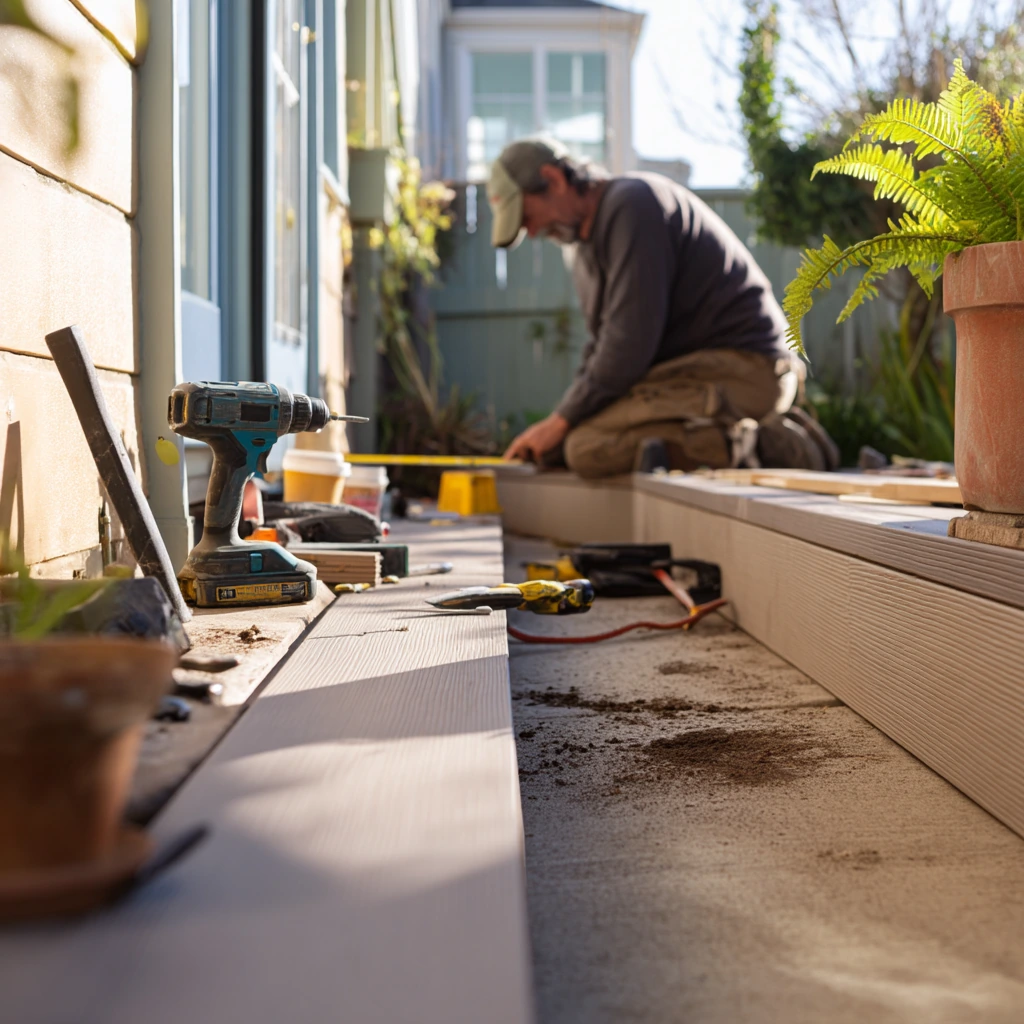
DIY deck fascia ideas work best when you plan the steps before you cut. Composite fascia boards are popular because they resist rot and stay smooth. In a real home project, you may have a half-finished deck, clamps, a drill, offcut pieces, and sawdust on the concrete. That is normal, and it is a good time to slow down and measure twice.
Start by checking the deck rim for straightness. Composite fascia will show waves if the framing is not even. Use a straightedge and shim low spots. Pre-drill where the manufacturer recommends, and use the right screws to reduce mushrooming. If the fascia wraps a corner, cut cleanly and consider a corner trim piece or a miter with color-matched caulk.
For styling, keep the deck edge simple while you finish the build. Even in a work zone, you can add one potted fern to soften the area and make the project feel less messy. When you are done, a clean fascia line will make the whole deck look more finished than any extra décor.
- Store composite boards flat so they do not warp.
- Use clamps to hold boards tight while fastening.
- Leave the right expansion gaps for temperature changes.
- Match fascia color to decking for a seamless edge.
- Plan a removable panel if you need access to plumbing or wiring.
Pro Design Tip: Snap a chalk line for the fascia bottom edge and follow it all the way around; a straight line is what makes DIY work look professional.
Budget Considerations: Composite fascia is pricier than wood, but it saves on paint and future repairs; if cost is tight, use composite on the wettest sides and paint wood elsewhere.

7 Luxury Stair Fascia Detail for Outdoor Entertaining
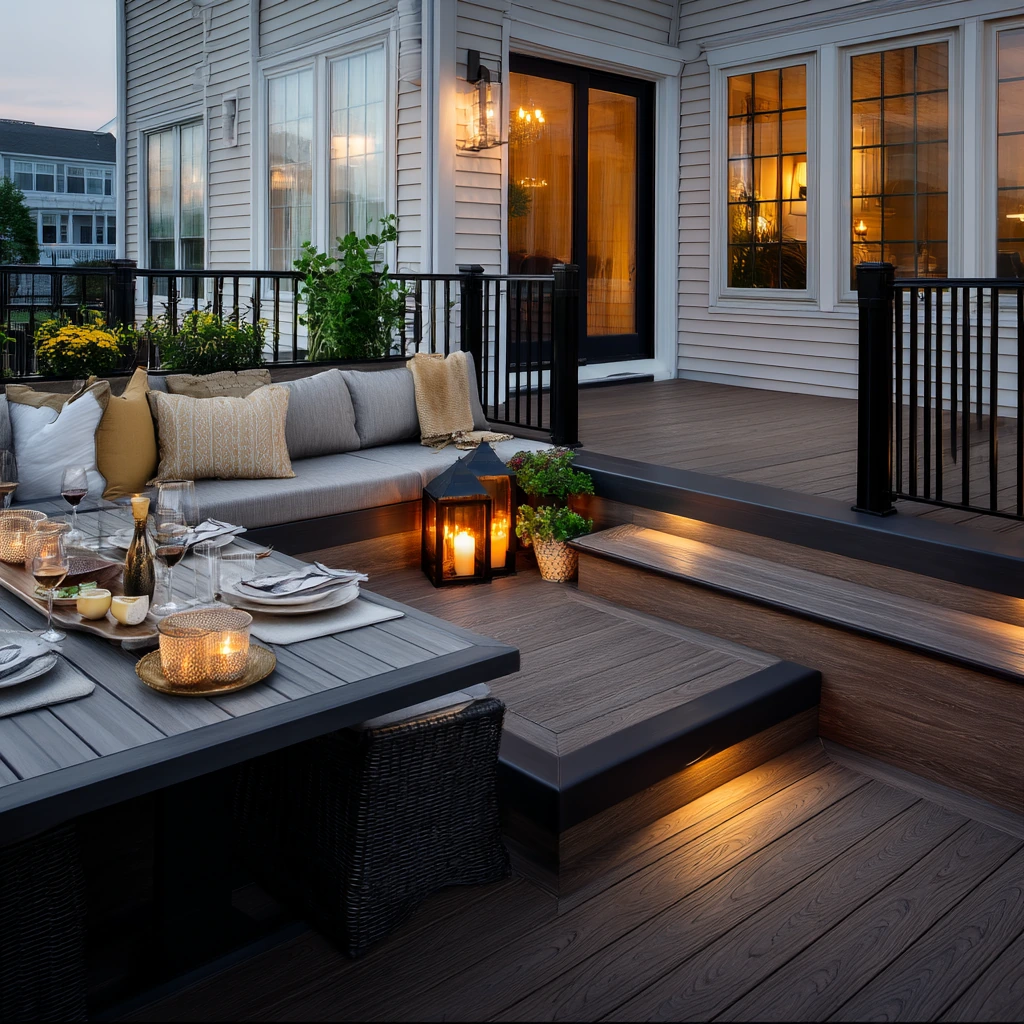
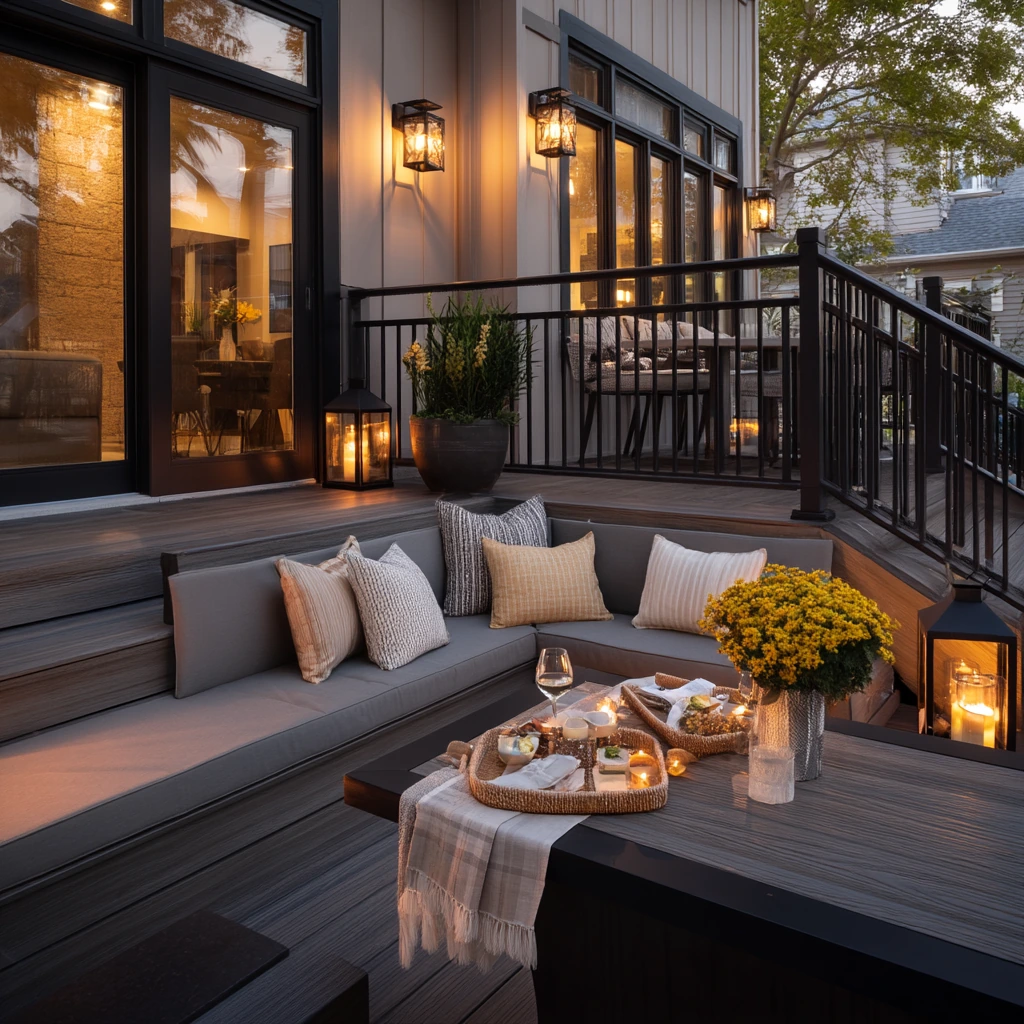
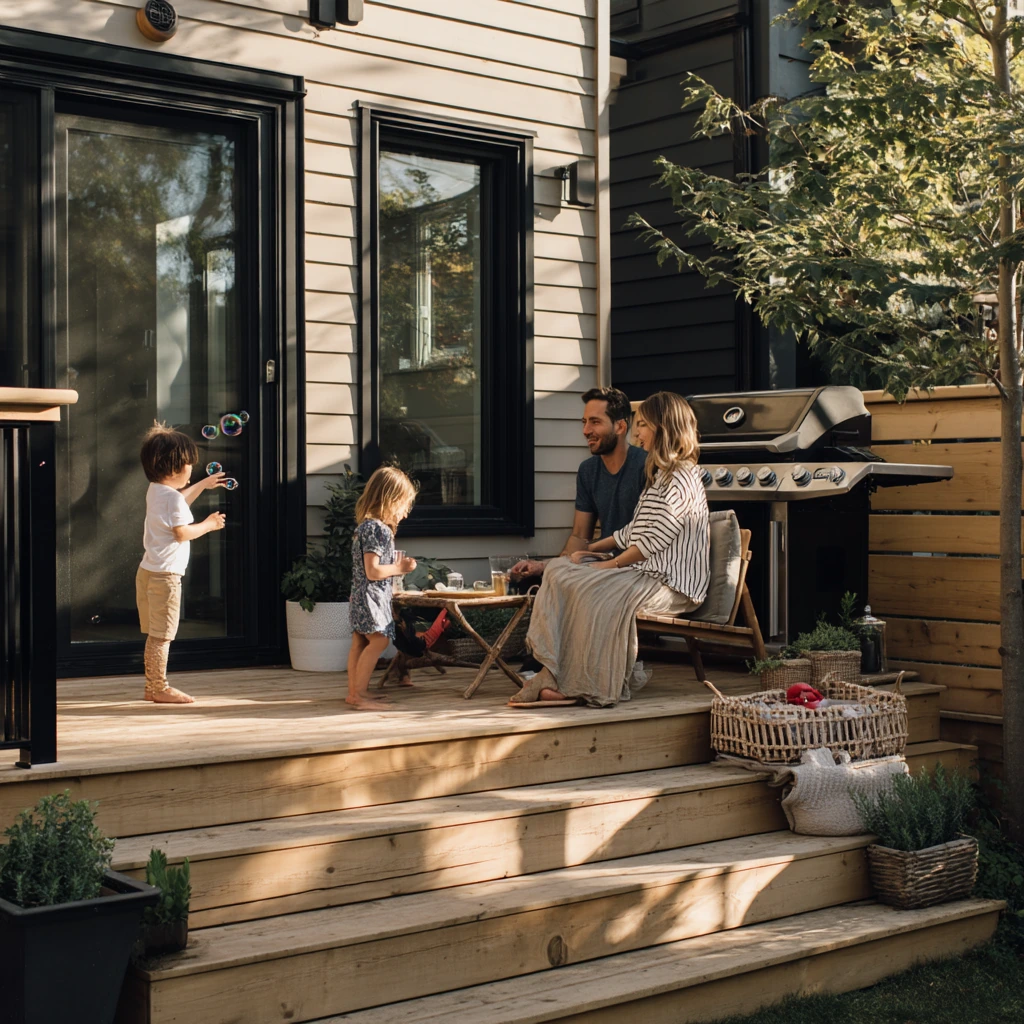
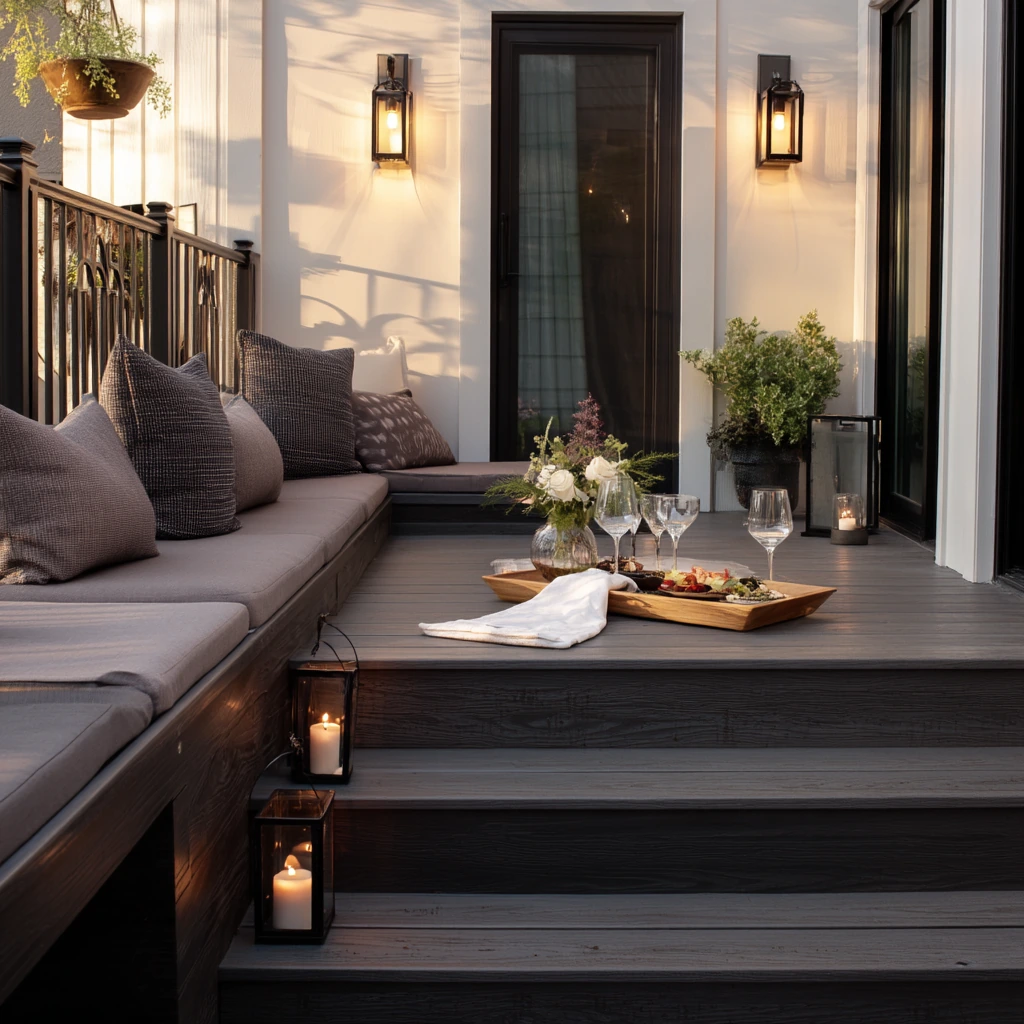
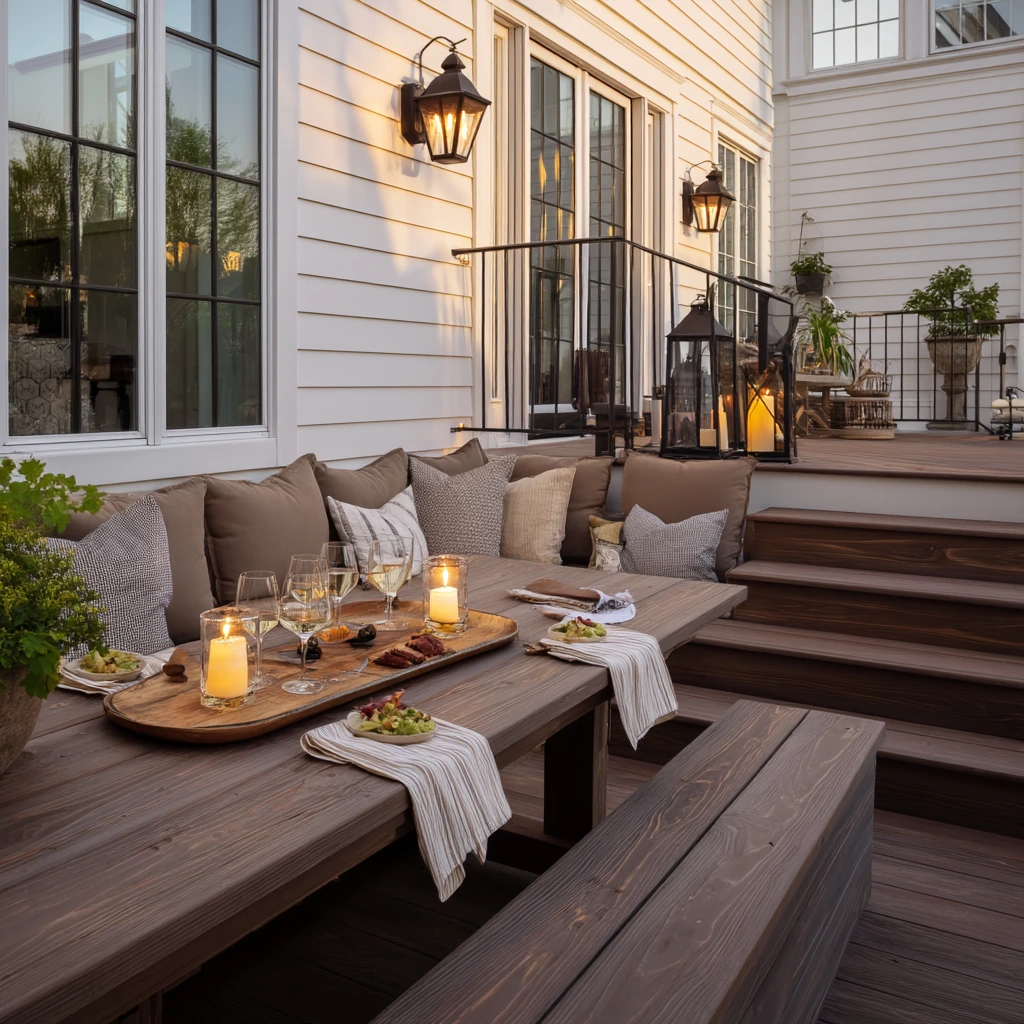
Upscale backyard deck fascia ideas often focus on the stairs because they are the first thing guests see. Wrapping wide deck steps with elegant stair fascia creates a smooth, built-in look. Deep charcoal trim adds contrast and hides scuffs from shoes, which helps when you host an evening dinner party with low seating, candle lanterns, and serving trays moving around.
To style it, repeat the charcoal tone in a few places, like planters, railing parts, or a door light. Keep fabrics simple, like a linen napkin on the table or a neutral outdoor cushion. A single wine glass, a lantern, and warm lamp light from the sliding door make the space feel polished but still real.
For construction, make sure risers are square and consistent before you add fascia. Use moisture-resistant materials and seal edges. If you use wood with visible grain, align boards so the grain direction looks even across the stair face. Add a small reveal line at the top or bottom of the fascia so the steps look intentional, not like a cover-up.
- Choose charcoal in a matte finish to reduce glare.
- Wrap stair sides and risers for a custom built-in feel.
- Use low lanterns to highlight step edges at night.
- Keep furniture legs off the fascia to prevent dents.
- Clean with mild soap so the dark color stays even.
Pro Design Tip: Add a thin shadow gap between the tread and the riser fascia; that small line makes the stair profile look crisp and high-end.
Budget Considerations: Custom stair wraps can raise labor costs; a cheaper path is to wrap only the most visible stair faces and paint the rest to match.
8 Renter-Safe Removable Fascia Cover
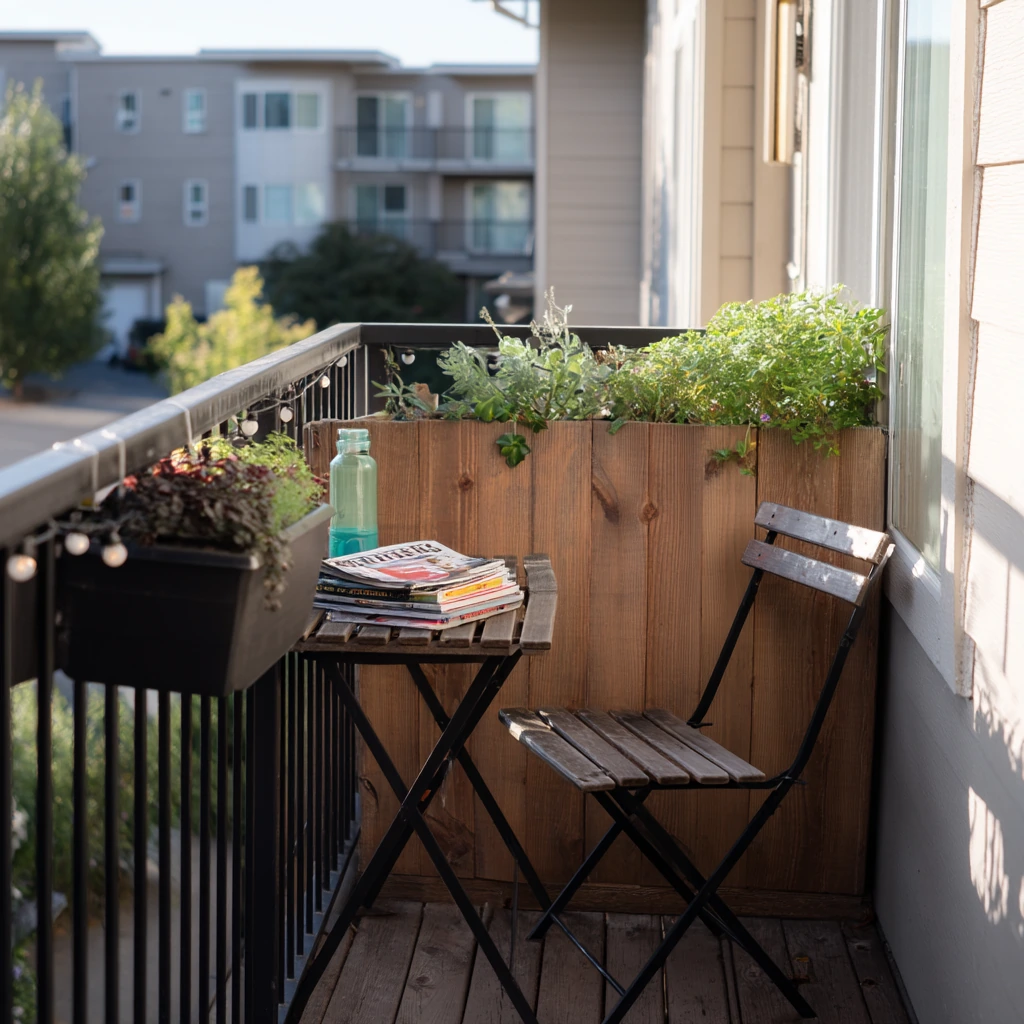
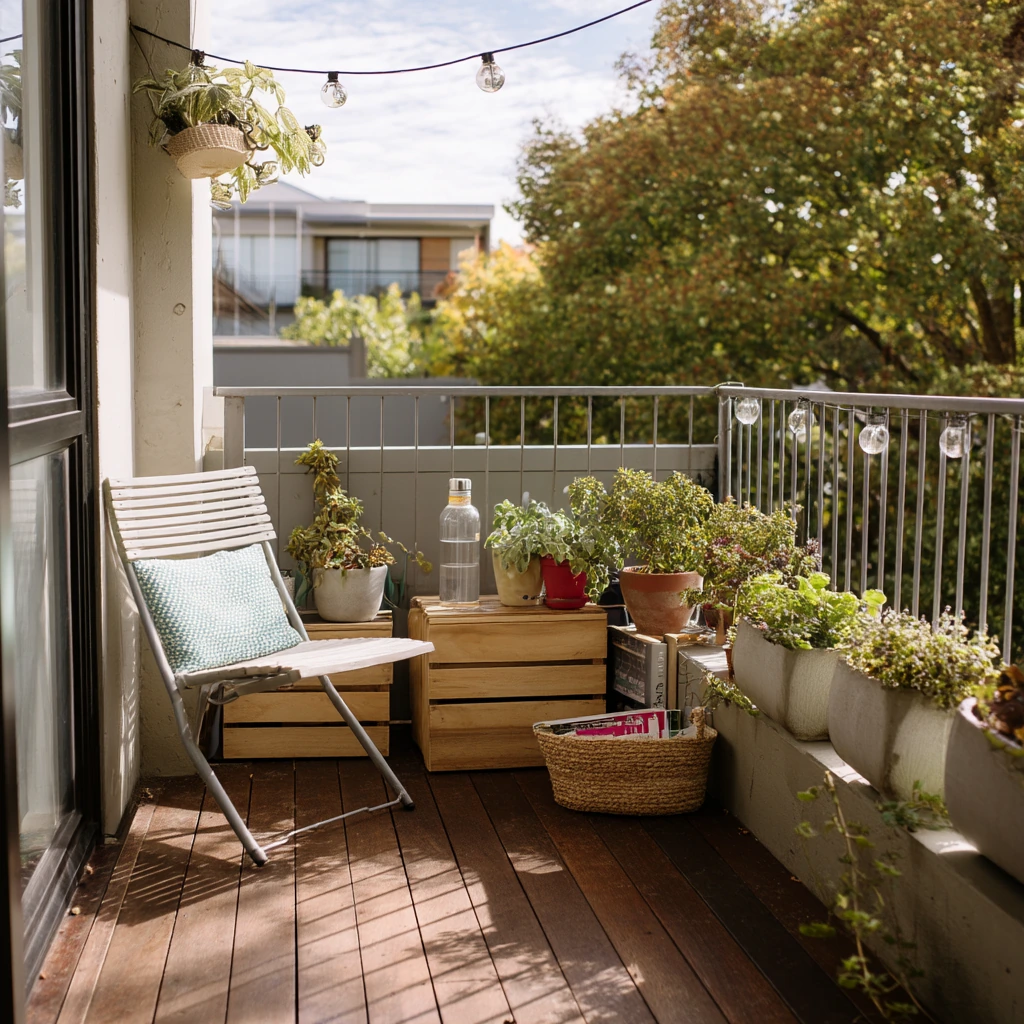
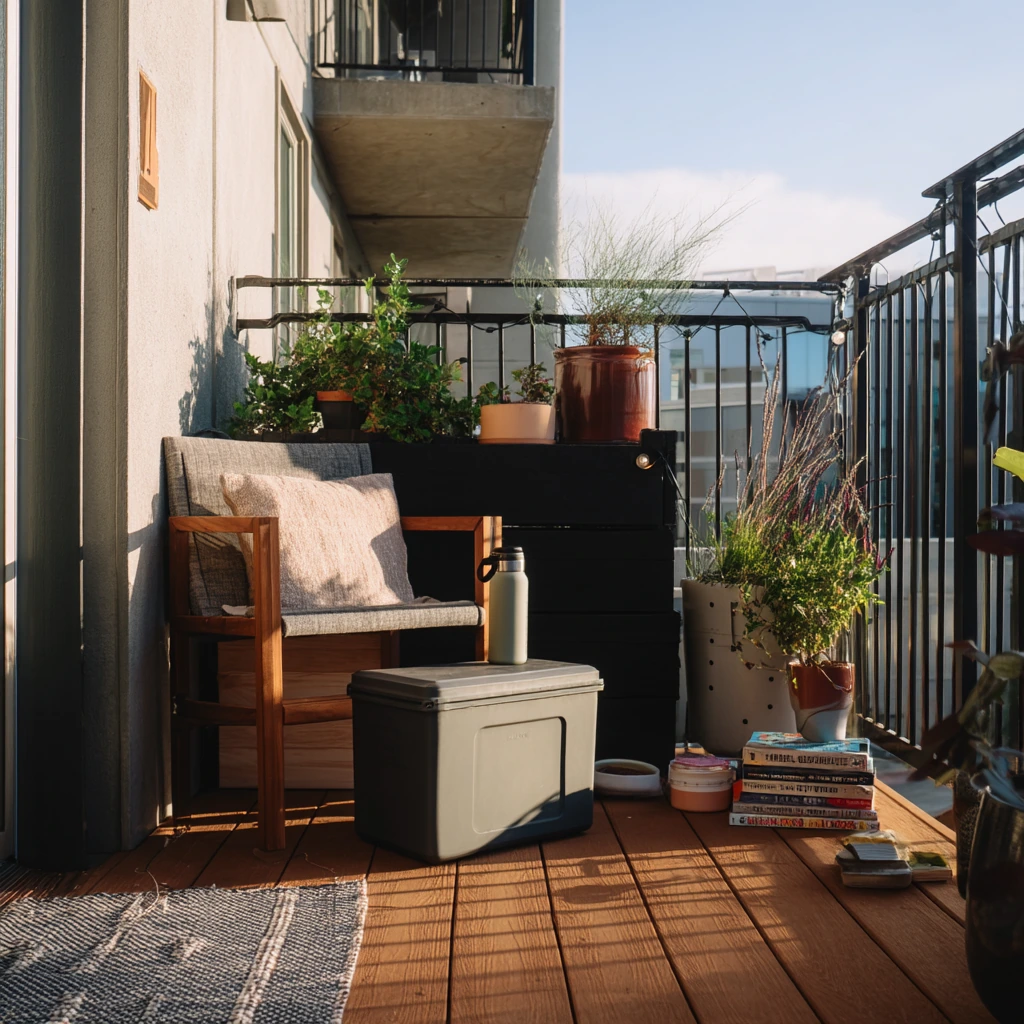
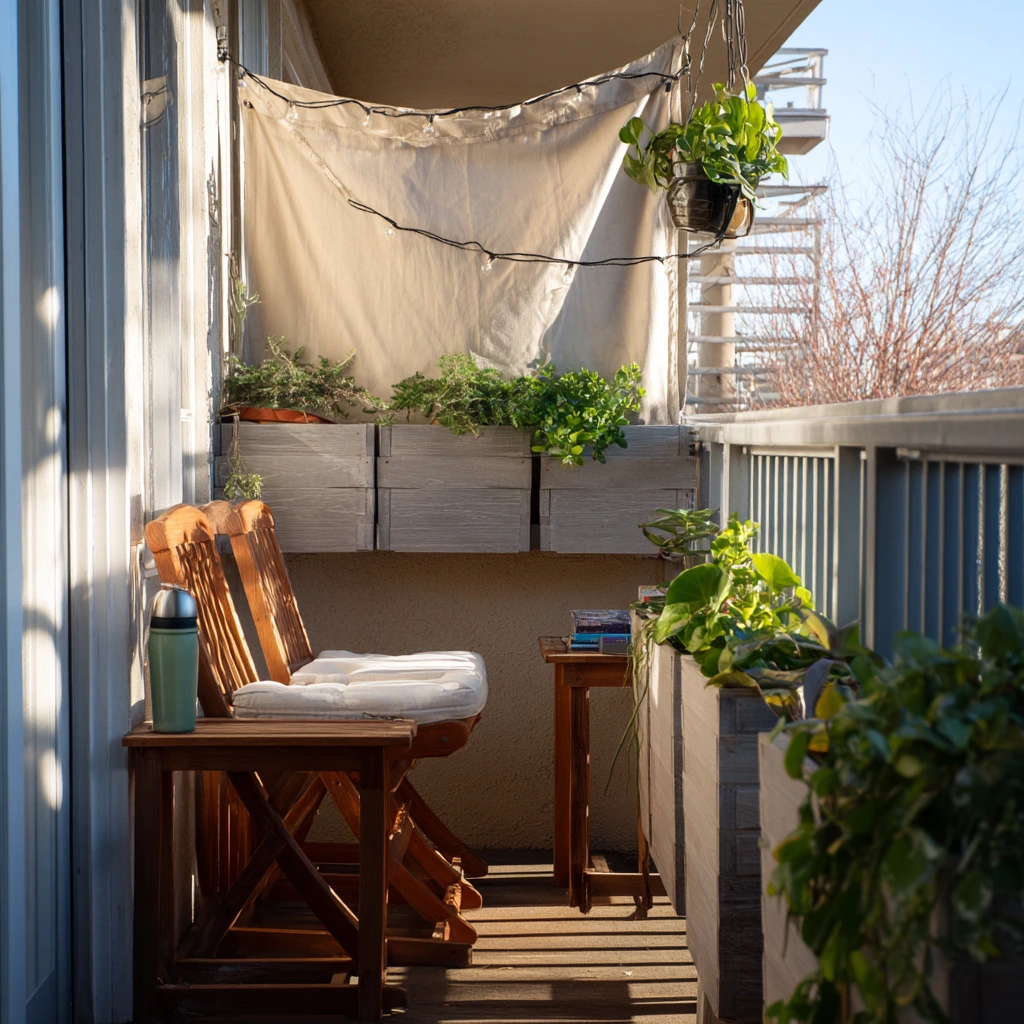
Renter-friendly deck fascia ideas need to be removable and low-risk. If your apartment balcony has a plain railing base, you can disguise it with lightweight fascia panels that attach without drilling into the building. The goal is to create a cleaner edge line, so the balcony looks more finished in photos and feels nicer for daily use.
To style it, keep things flexible: portable planter boxes, a foldable chair, and a small stack of magazines. Add string lights, but keep them unplugged and tidy on the floor until you choose a safe route for the cord. This helps the space look calm in soft afternoon shade, and it keeps the layout easy to change.
For the panels, use outdoor-rated PVC sheets, corrugated plastic, or thin composite panels cut to size. Attach using heavy-duty outdoor hook-and-loop strips, zip ties to the railing (if allowed), or tension rods behind the base. Leave small gaps for drainage and airflow, and make sure nothing blocks required railing openings or violates building rules.
- Measure the railing base and cut panels for a snug fit.
- Choose light colors to make small balconies feel bigger.
- Use removable fasteners so you can take it down fast.
- Add two planters to soften the hard edge.
- Check wind exposure so panels do not rattle.
Pro Design Tip: Use a panel with a slight texture or vertical grooves; it hides scratches and makes the balcony base look more like real trim.
Budget Considerations: Removable panels can be very low cost with corrugated plastic; if you want a sturdier look, PVC boards cost more but last longer and stay straighter.
9 Poolside Deck Fascia with Drainage and Storage
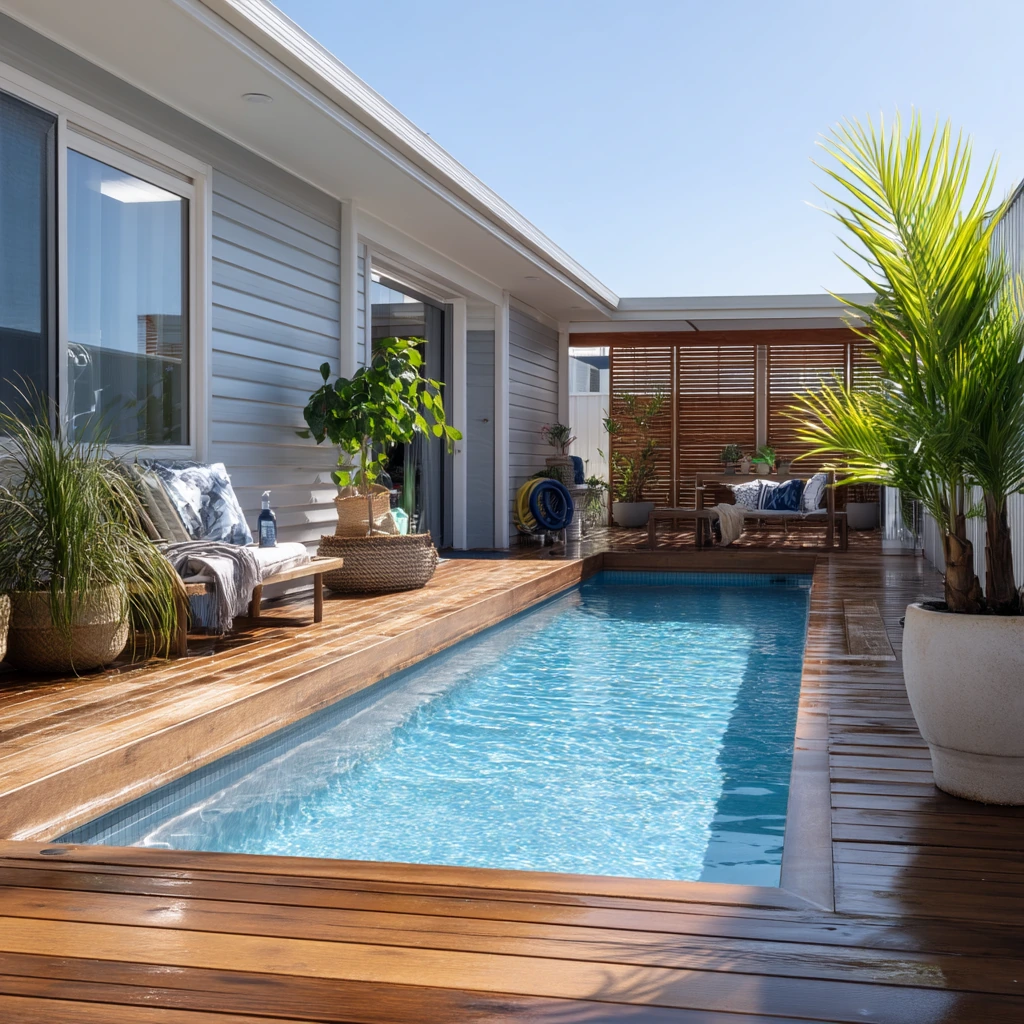
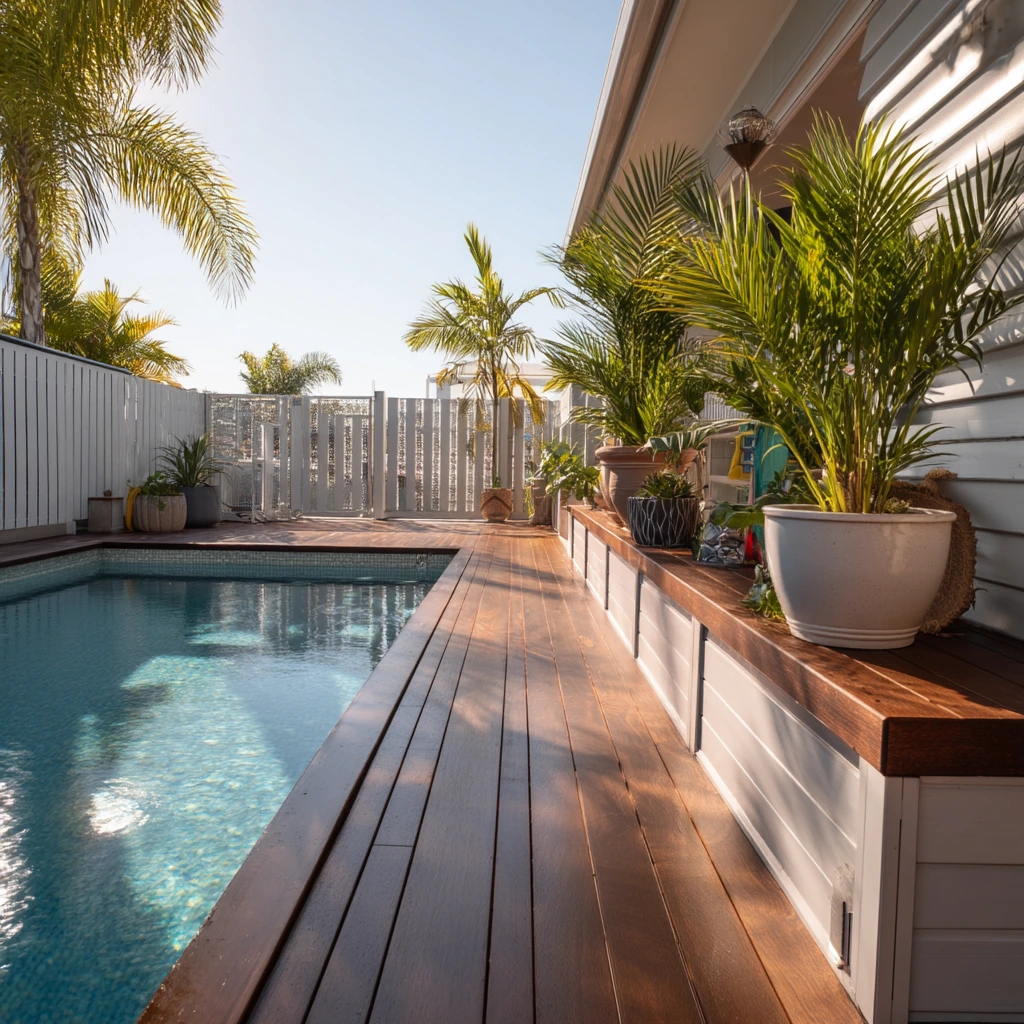
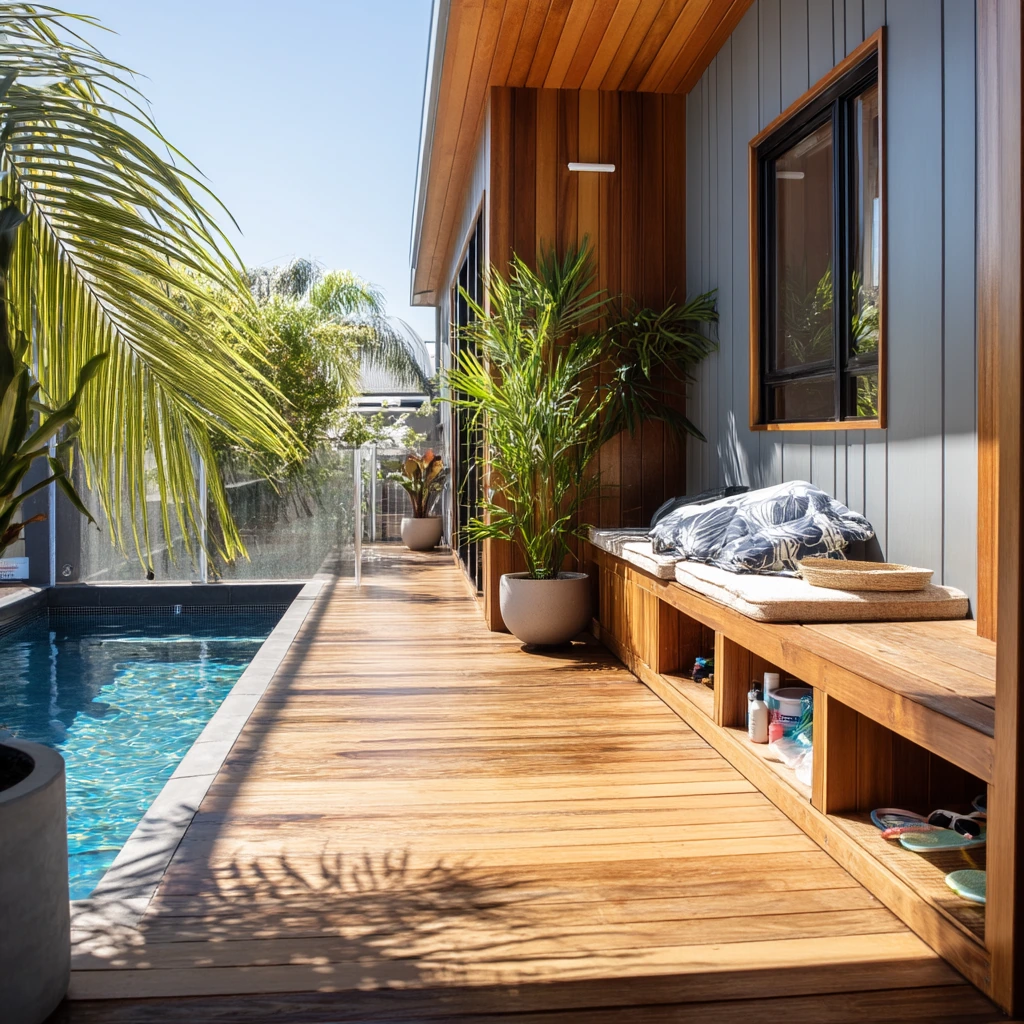
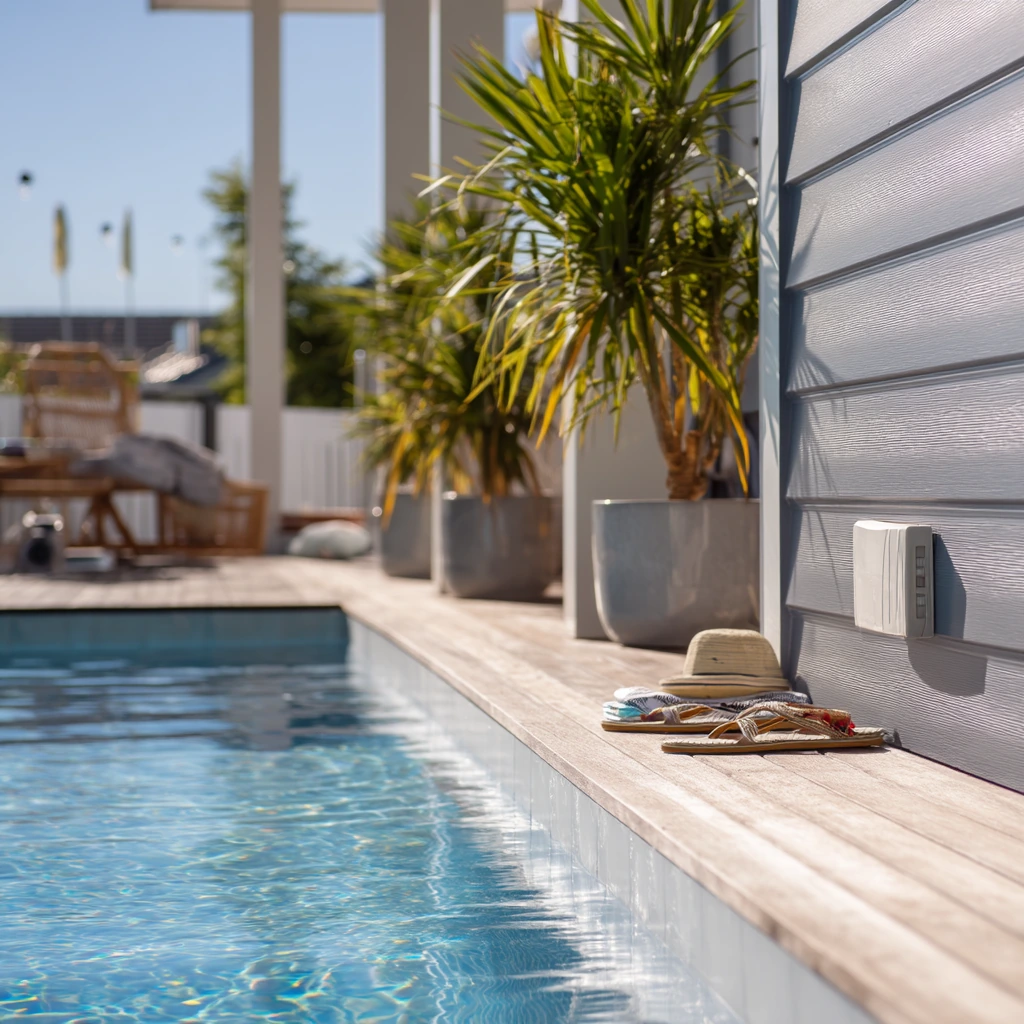
Poolside deck fascia ideas need to handle water, sunscreen, and constant traffic. Durable fascia boards with discreet storage access panels let you hide pool noodles, towels, and hose gear under the deck. The front still looks clean, but you can reach what you need fast when kids are running in and out with wet flip-flops.
To style it, keep the deck edge simple and functional. Use matching bins behind the access panels, and label them so everything goes back in place. Add potted palms or other tough plants near corners to soften the fascia line. Reflected light from the pool can make surfaces look brighter, so choose a fascia color that does not show water spots too easily, like mid-tone gray or a warm brown.
For the build, frame the access openings with treated lumber or corrosion-resistant metal. Use exterior hinges and latches that will not rust. Keep the panel seams tight, but not so tight they stick when boards swell. Plan drainage so stored items do not sit in puddles, and keep chemicals in a safe locked bin away from kids.
- Pick fascia materials rated for moisture and sun.
- Add one or two access doors instead of many small ones.
- Use magnetic catches for quick opening and closing.
- Store towels in vented bins so they dry faster.
- Rinse fascia often to reduce chlorine buildup.
Pro Design Tip: Hide panel seams on vertical framing lines so the access doors blend in and the deck edge still reads as one smooth band.
Budget Considerations: Access panels add hardware and framing costs; to save, start with one larger storage bay and expand later if you need more space.
10 Garden-View Deck Fascia with Natural Stain
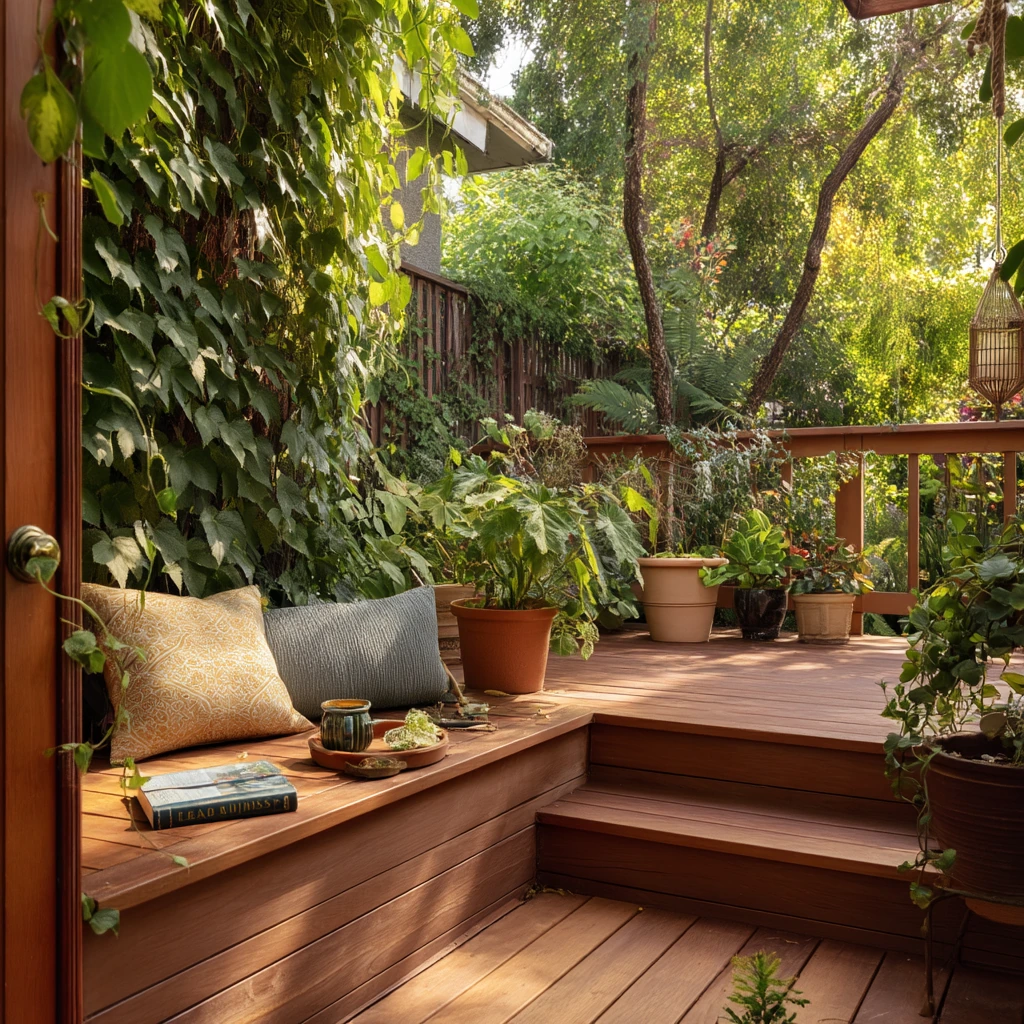

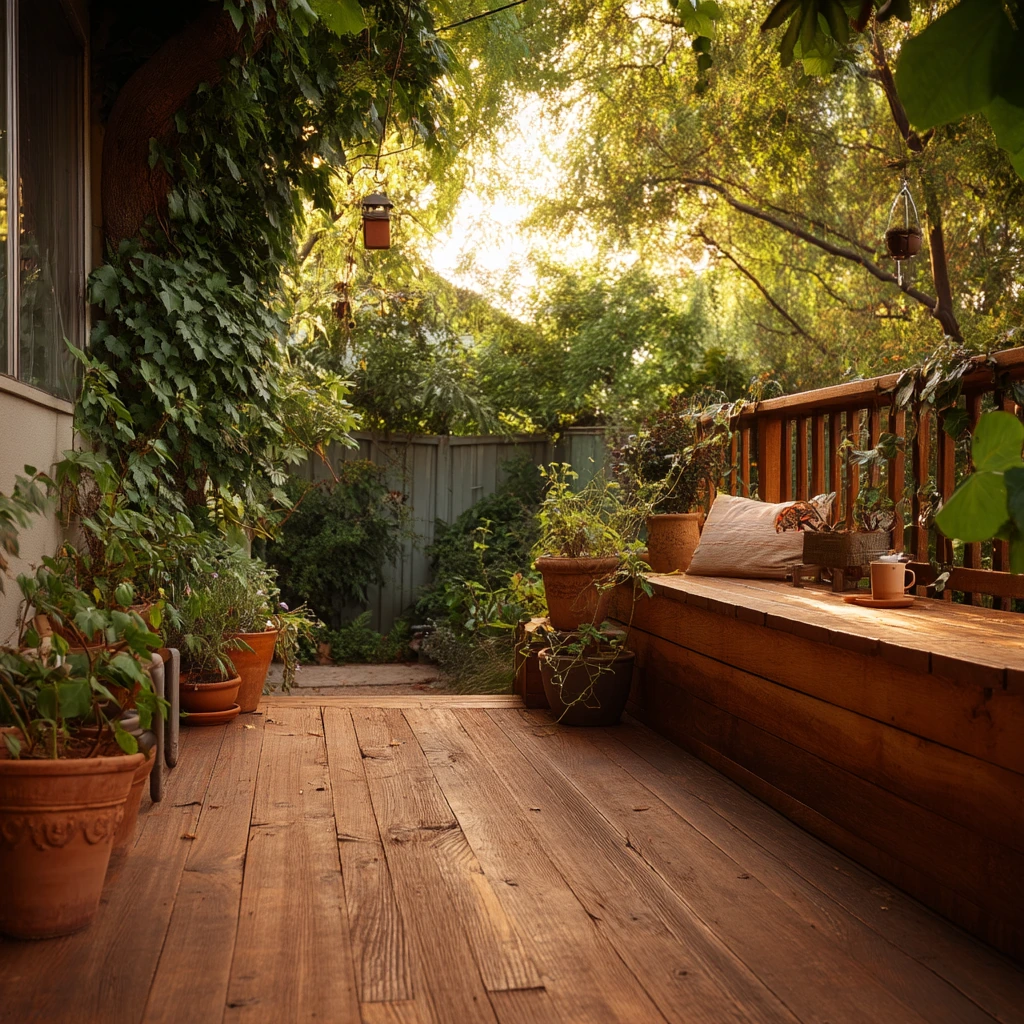
When a deck sits next to a lush garden, natural-stained fascia boards can help it blend in. Matching the fascia to cedar steps makes the whole structure feel connected to the landscape. Climbing vines, terracotta pots, and soft golden hour light all look better when the deck edge is warm and simple, not too glossy.
To style it, repeat natural materials: a clay pot, a wood or rattan chair, and one neutral cushion that can handle dirt. Keep small tools like pruning shears in a tray so they do not look messy. A bird feeder visible through leaves adds charm, and a tea mug and a paperback novel make the corner feel like a true sitting spot.
For maintenance, choose a stain that is easy to recoat. Gardens mean more moisture and more debris, so plan on gentle cleaning and quick touch-ups. Make sure the fascia has a small gap above grade so it does not wick water. If vines grow near the edge, train them on a trellis, not on the fascia, so you do not trap moisture against the boards.
- Use a stain with UV protection to slow fading.
- Match fascia and steps for a calm, built-in look.
- Add terracotta pots to echo the wood tones.
- Keep cushions in a deck box during rain.
- Trim plants back so air can dry the deck edge.
Pro Design Tip: Choose a stain tone that matches the warmest color in your garden features, like terracotta or cedar, so the fascia looks like it belongs in the landscape.
Budget Considerations: Stain and sealer are affordable, but upkeep is ongoing; if you want less maintenance, consider composite fascia in a wood tone for the garden-facing sides.

Deck fascia is a small detail that makes a big difference. It can hide framing, sharpen the deck edge, and help your outdoor space look cared for.
Pick a style that fits your home and your daily use, then focus on straight lines, good fasteners, and weather protection. When the edge looks finished, the whole deck feels easier to enjoy.
FAQ
1) What is deck fascia and why does it matter? Fascia is the board that covers the outer rim of the deck. It finishes the edge and can protect framing from splash and sun.
2) What is the best material for deck fascia? Composite is low maintenance and resists rot. Cedar looks warm and natural but needs sealing. PVC is light and water resistant.
3) Should deck fascia match the deck boards? It can match for a seamless look, or contrast for a framed edge. Match undertones so it looks planned.
4) How do I attach fascia without visible screws? Use hidden fastening systems where allowed, or use color-matched screws and plugs. Some trims can be face-fastened and later filled.
5) How do I handle corners and end grain? Use corner trim, return cuts, or miters with proper sealing. Corners are where water and swelling show first.
6) Can I add access panels in deck fascia? Yes, frame an opening and use exterior hinges and latches. Place seams on framing lines to keep the look clean.
7) How often should I repaint or restain fascia? Paint may last several years with good prep. Stain often needs more frequent touch-ups, especially in sunny or wet areas.