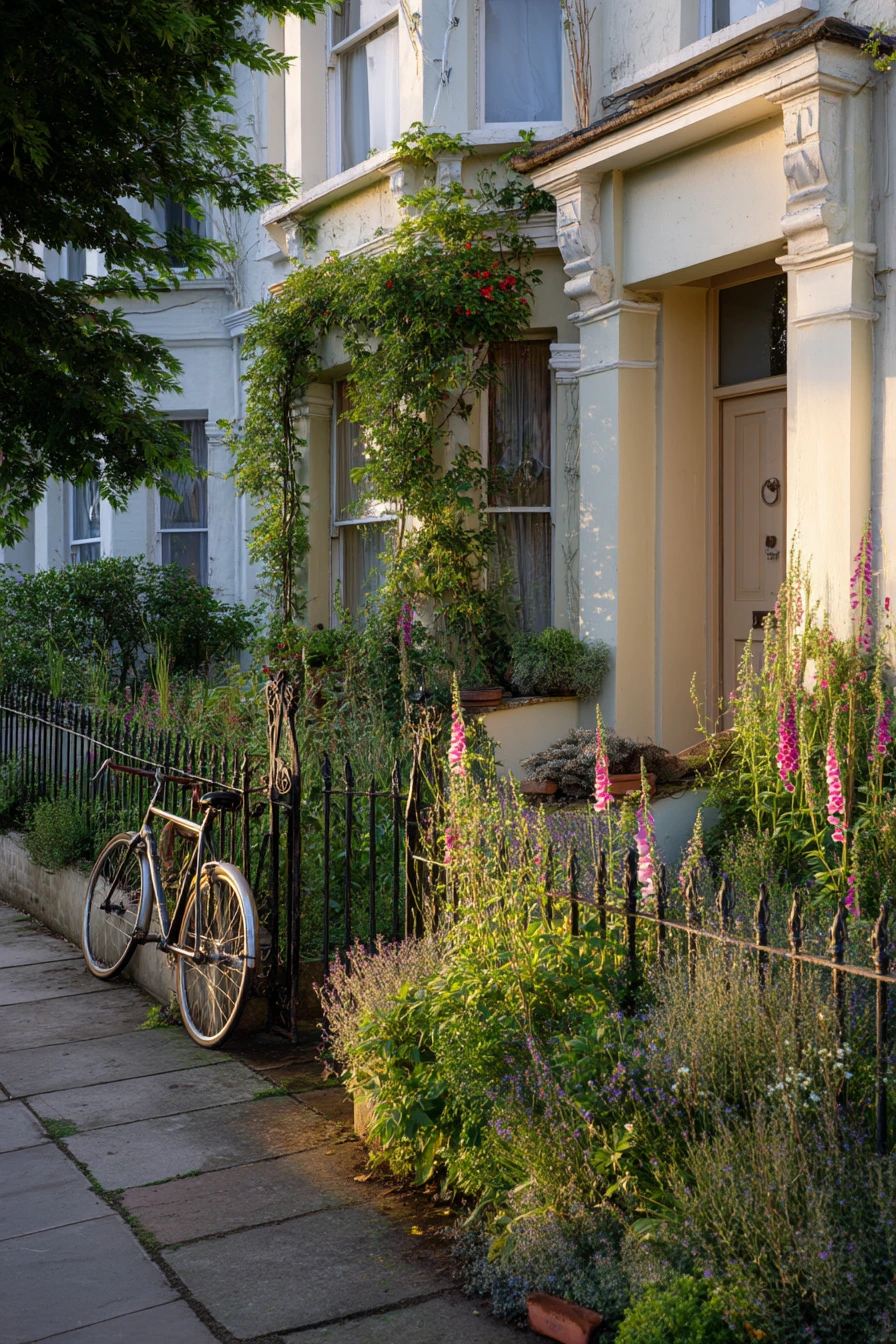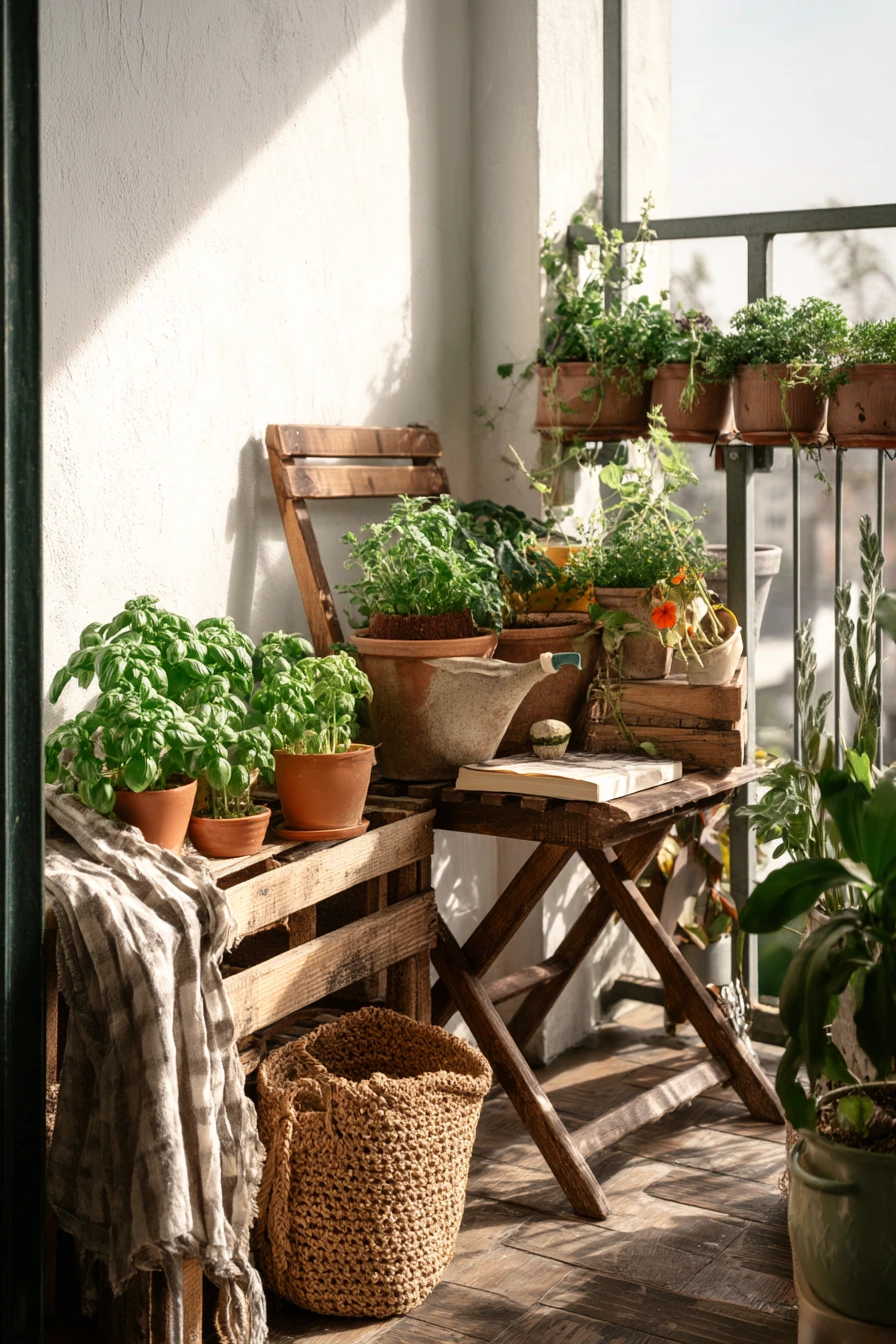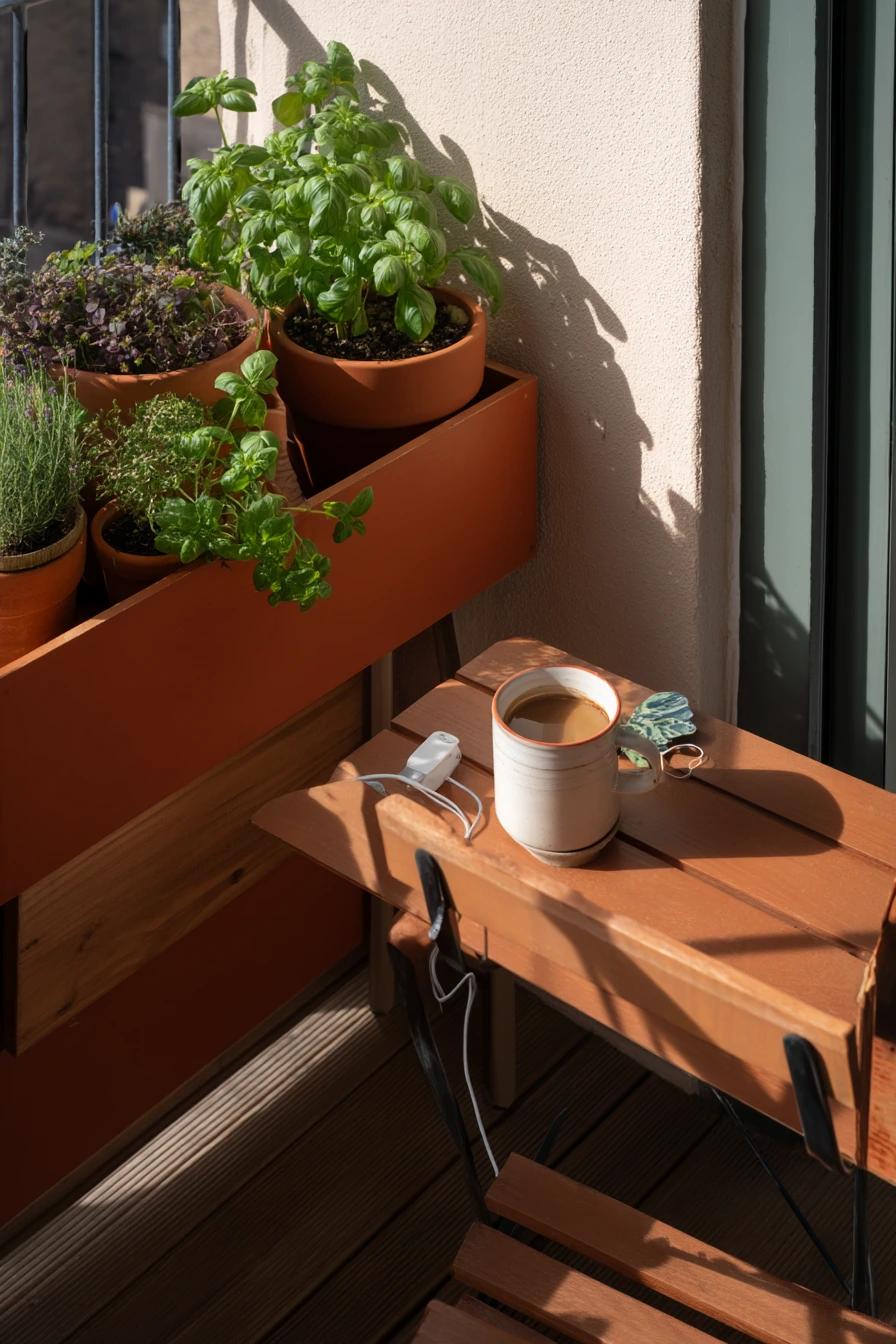

Vintage garden ideas make small outdoor spaces feel calm and lived-in. You can get that soft, timeworn look with chipped enamel, terracotta pots, climbing roses, and simple thrifted finds.
This guide walks through 10 real-life garden scenes, from a family courtyard and a renter balcony nook to a backyard corner, potting table, and patio dinner setup. Each section has easy steps so you can copy the style without overthinking it.
You will learn how to mix old and new, layer greenery, and add small touches like plant tags, old watering cans, and glass bottles as bud vases. The goal is a charming garden that still works for daily life.
If you came from Pinterest, save your favorite idea, then use the tips under each photo to build the look in your own space this weekend.
1 Cottage Courtyard Morning Tea
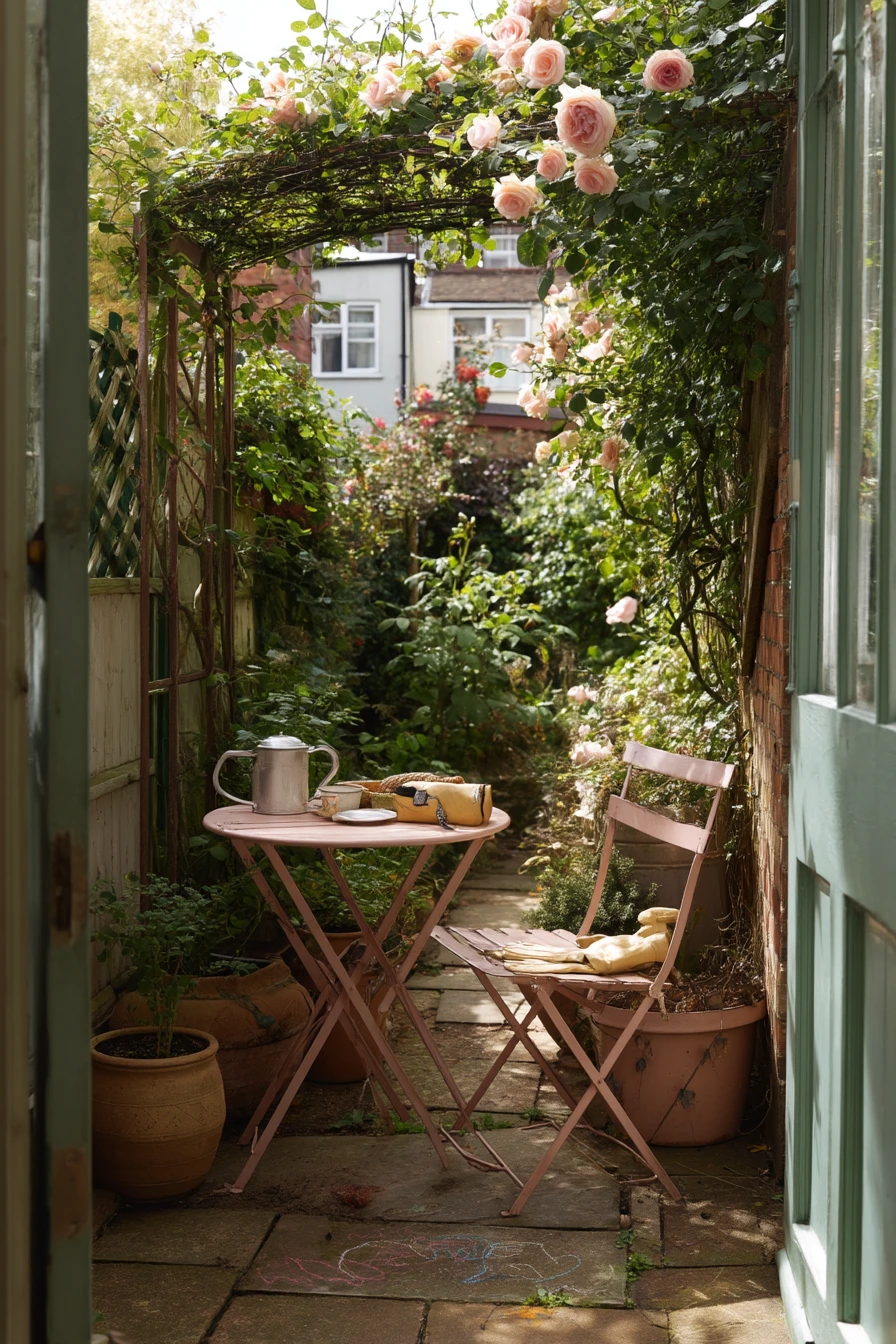
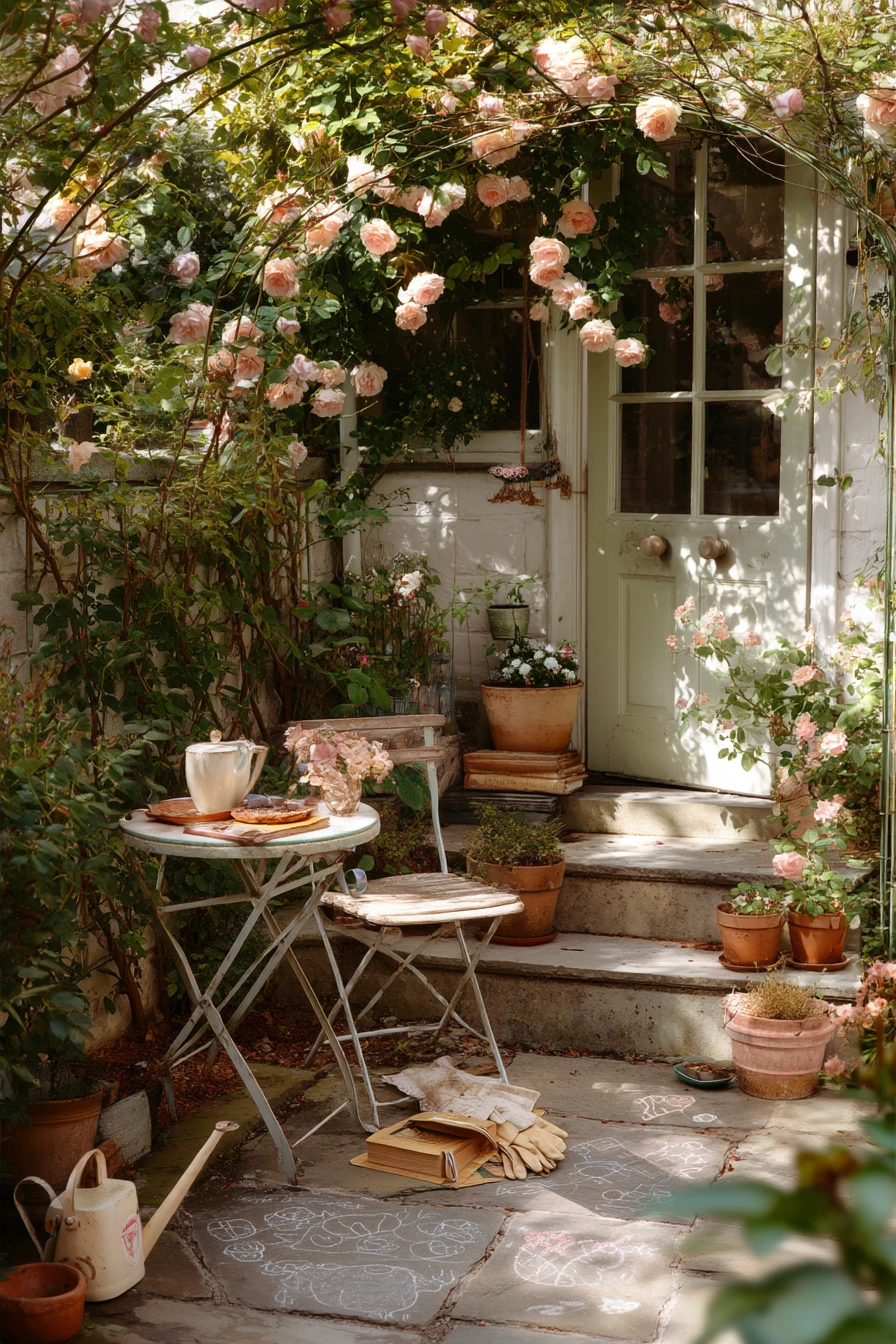
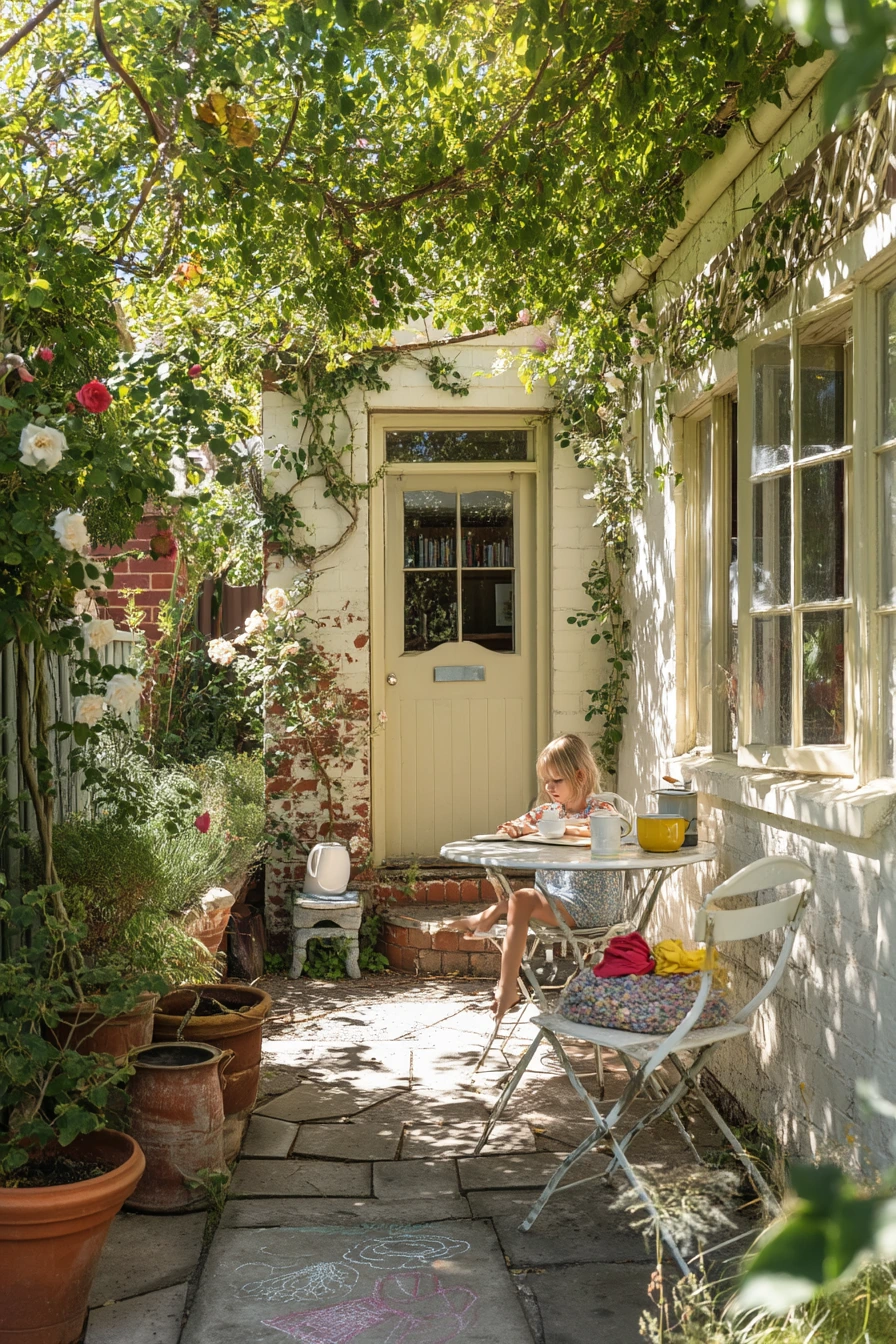
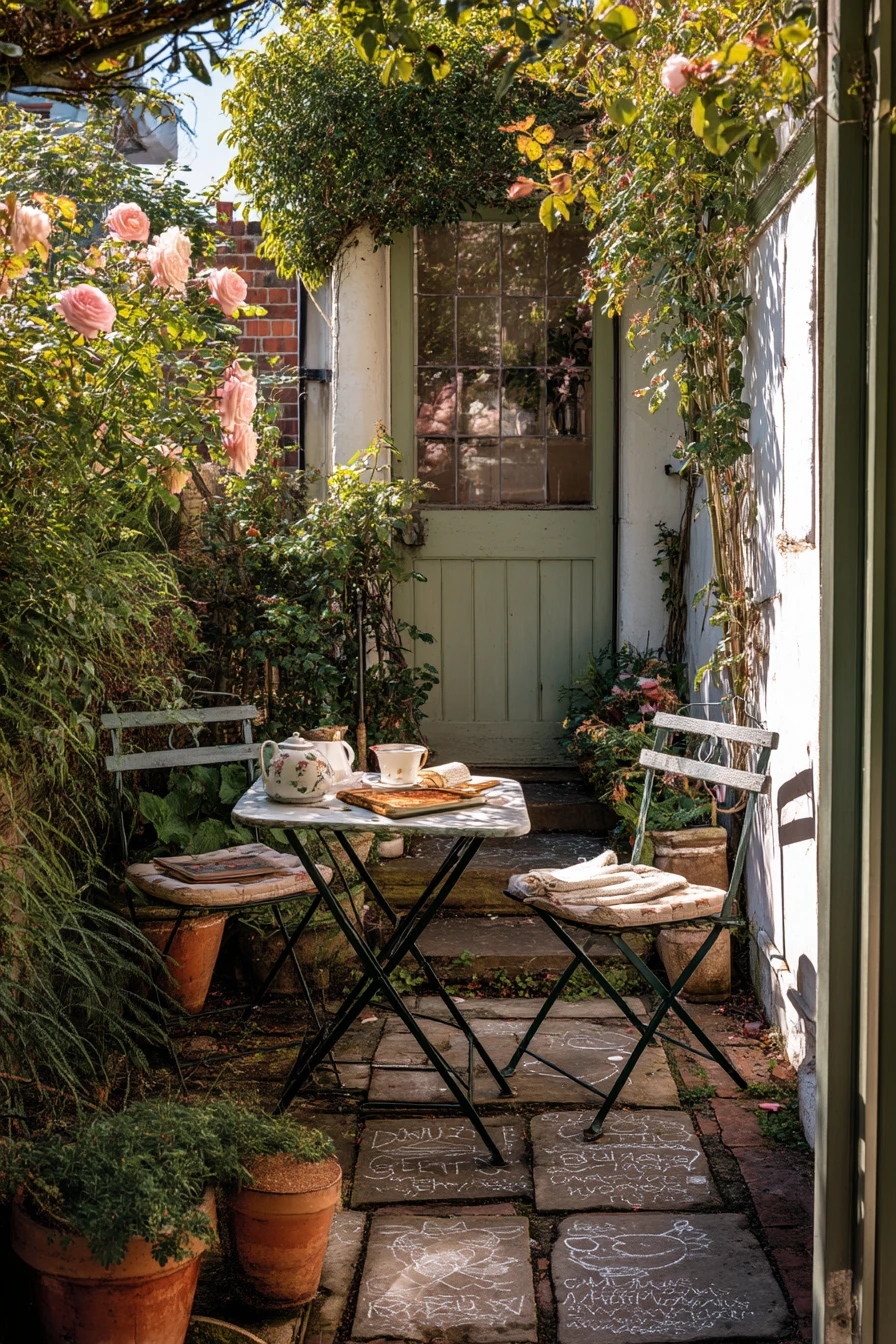
A small courtyard is a perfect place for vintage garden ideas because everything is close and easy to style. Start with a chipped enamel bistro set and let it look a little worn. That patina reads as cozy, not messy, especially when you add climbing roses on a faded trellis.
Use terracotta pots in mixed sizes to frame the seating area. Place an old watering can by the step like it belongs there. Add lived-in cues that feel real, like a paperback novel, garden gloves on a chair, and a biscuit tin set out for tea.
To keep the courtyard feeling warm, leave some open stone pavers showing. A child’s chalk drawings can be part of the charm. When you style this space, think about what you actually do there, like pouring tea, reading, or watering pots.
- Pick one main piece: enamel table, or an iron chair set, then build around it.
- Train roses or jasmine on a simple trellis and tie stems with soft garden twine.
- Group terracotta pots in threes, mixing heights for a natural look.
- Add one “working” item, like a watering can or pruners, not just decor.
- Use a small tray for mugs and a tin for snacks so it feels usable.
Pro Design Tip: Repeat one color in small places, like a blue enamel edge and a blue pot, so the courtyard feels pulled together.
Budget Considerations: Enamel bistro sets can be pricey; look for a single chair or table at thrift stores, or use a basic set and distress it with outdoor-safe paint.
2 Renter-Friendly Balcony Vintage Mix
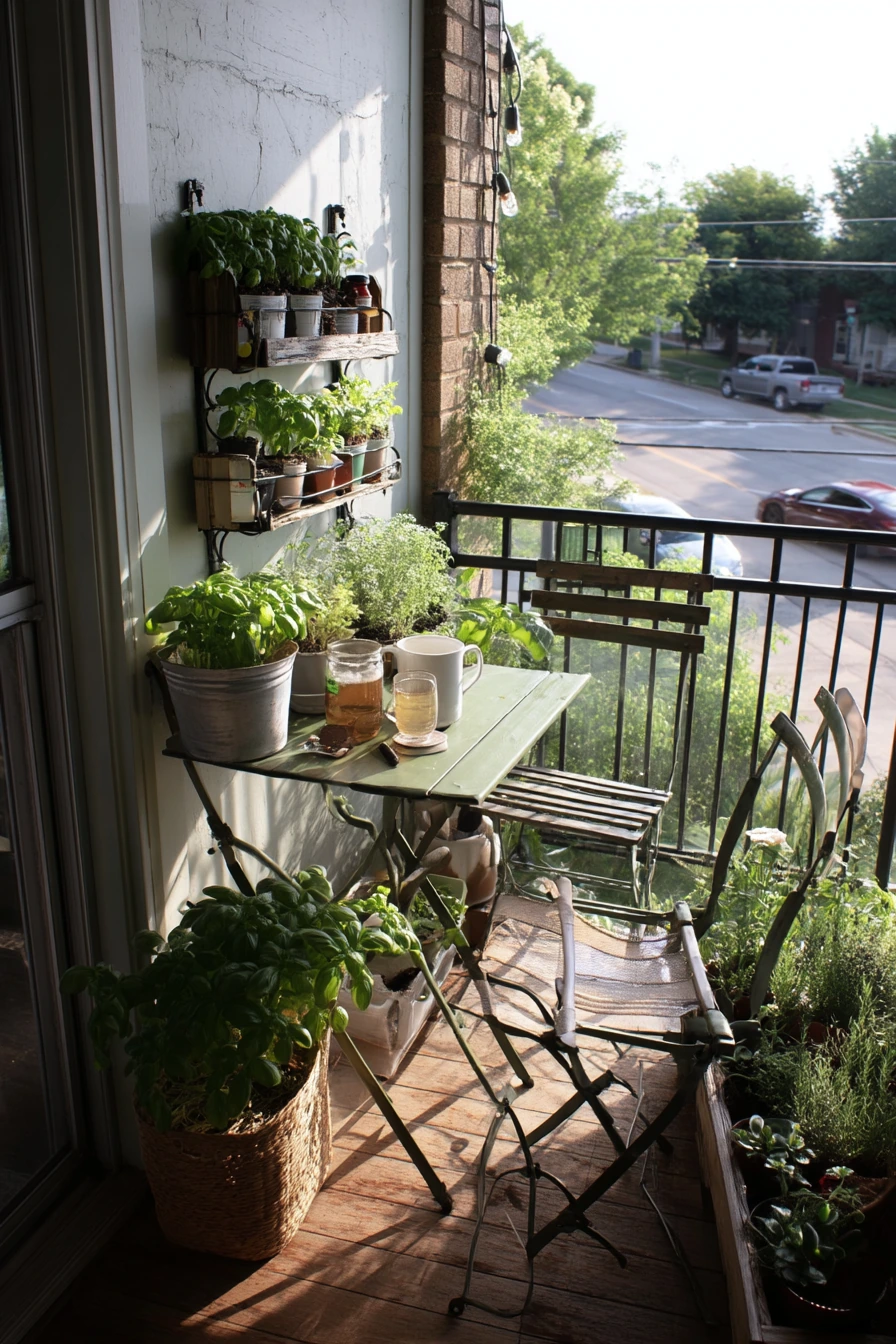
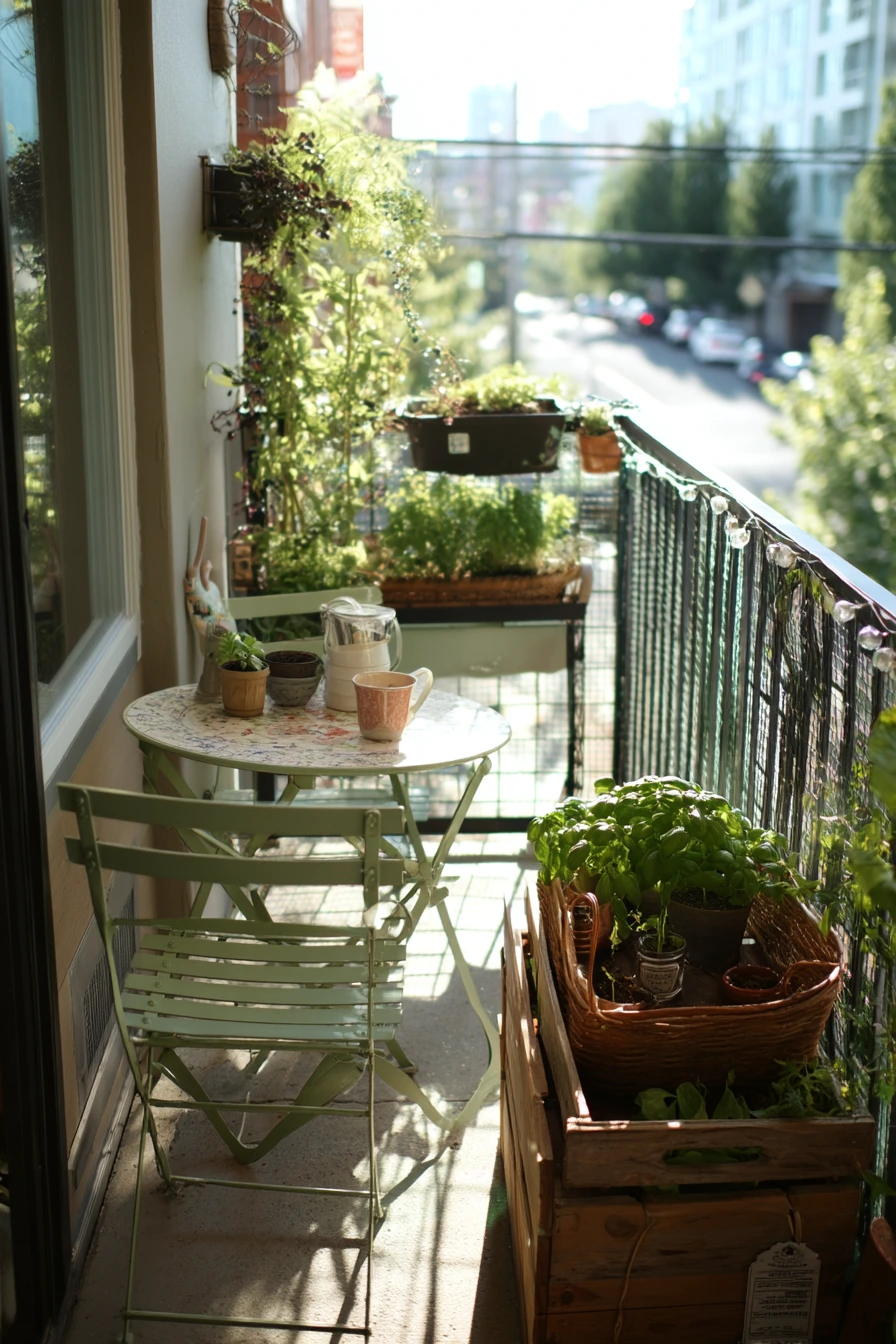
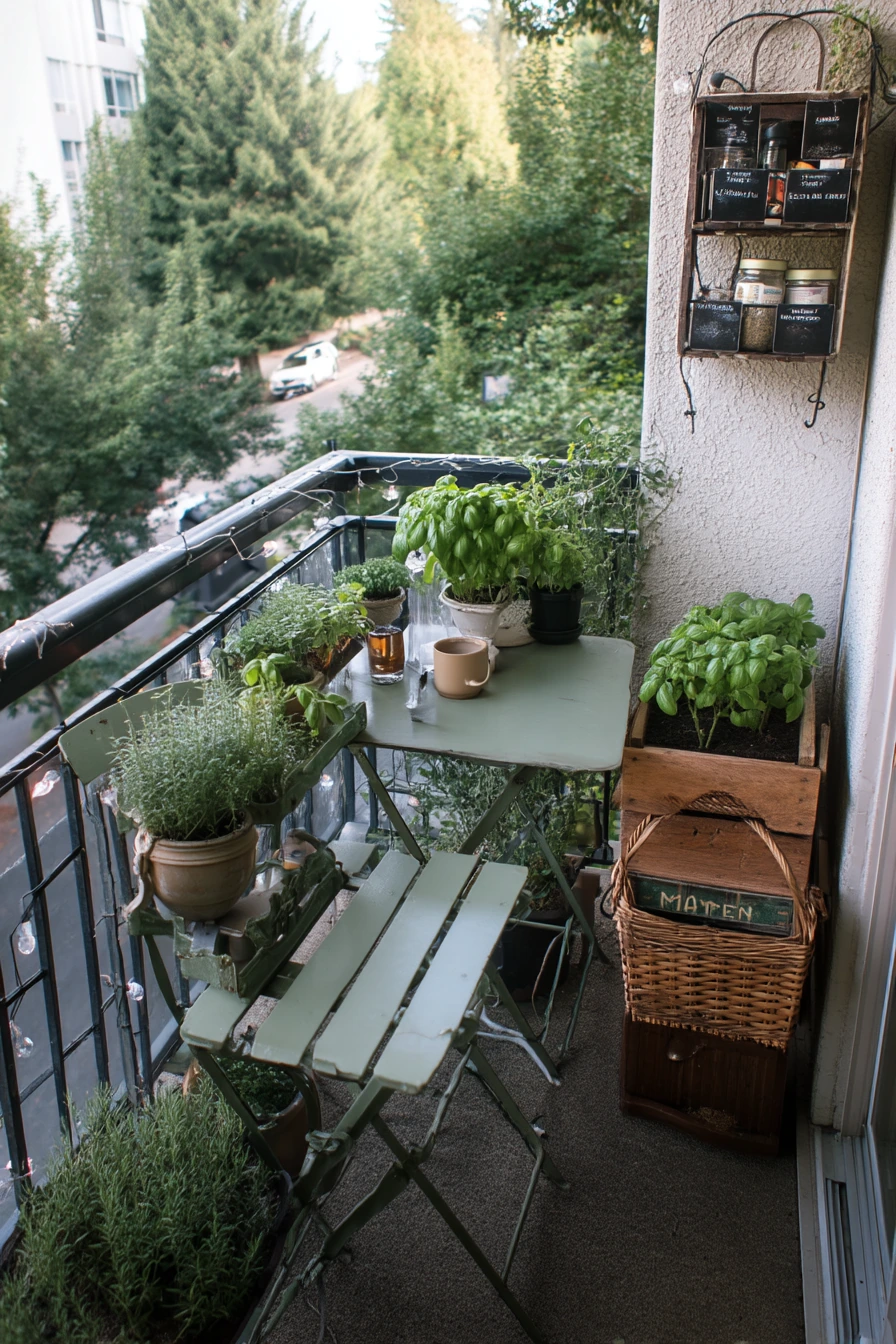
A narrow balcony can still feel like a vintage garden nook. Choose folding iron chairs so you can move them when needed. Add thrifted ceramic pots and keep the mix loose. A few different glazes and shapes make it feel collected over time.
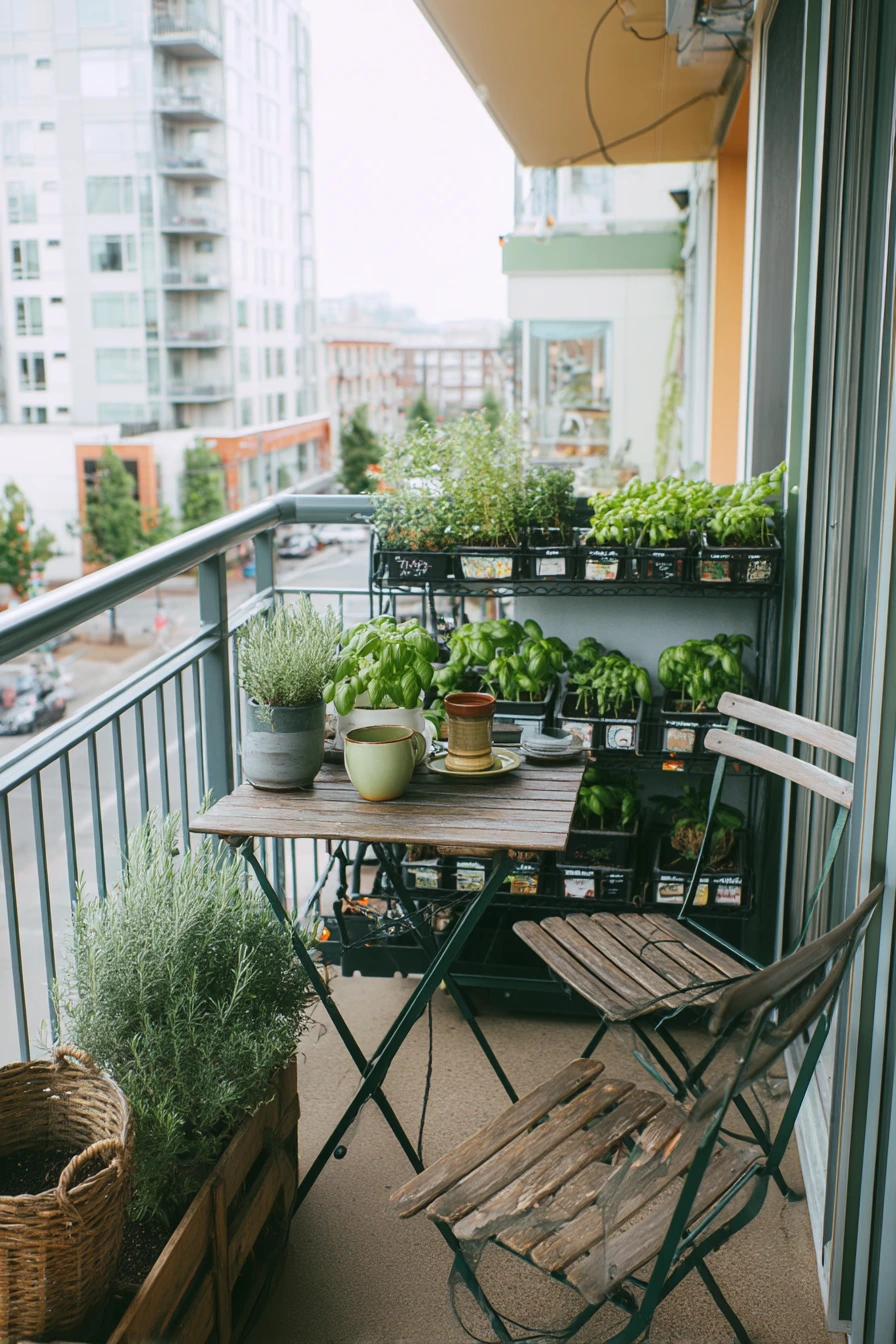
Create a vertical herb shelf with a reclaimed crate. It keeps basil, mint, and thyme off the floor and leaves space for sitting. Removable fairy lights add soft late-afternoon glow without changing the apartment.
Make it feel real with small everyday items: plant tags, a weathered market basket, and a mug of iced coffee while you repot. If there is a charging cable near the sliding door, tuck it into a small basket so it stays practical but not distracting.
- Use a narrow outdoor rug or a runner to warm up the floor.
- Choose two or three pot colors so the mix looks intentional.
- Add a crate shelf and place herbs on top, heavier pots on the bottom.
- Hang fairy lights with removable hooks made for renters.
- Keep a small scoop and bag of potting soil in a lidded bin to reduce mess.
Pro Design Tip: Layer heights from back to front: tall herb pots on the shelf, medium pots beside the chairs, and trailing plants at the edge.
Budget Considerations: Balcony decor adds up fast; start with one folding chair and a few ceramic pots, then expand as you find good thrift pieces.
3 Budget Backyard Rose Corner
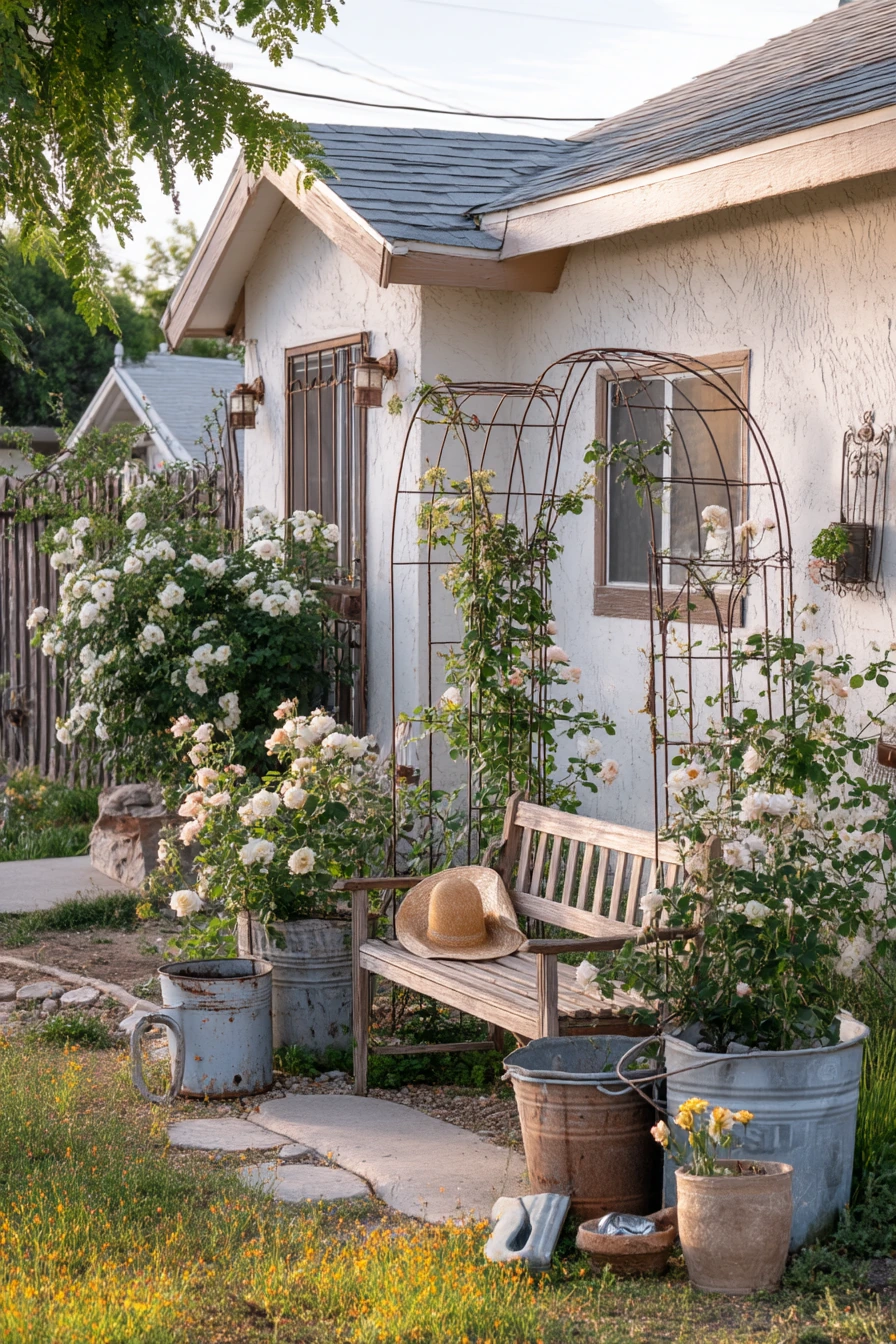
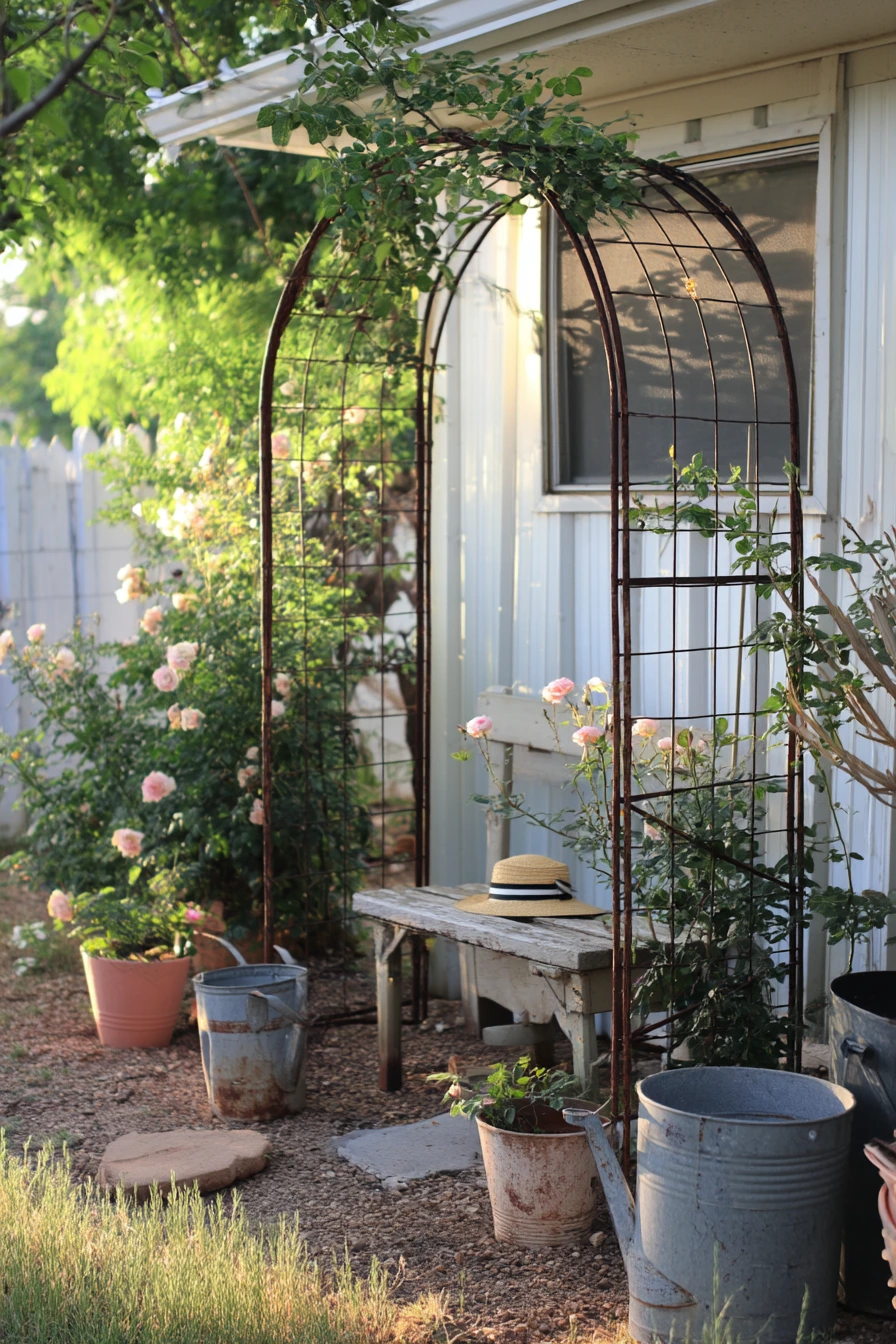
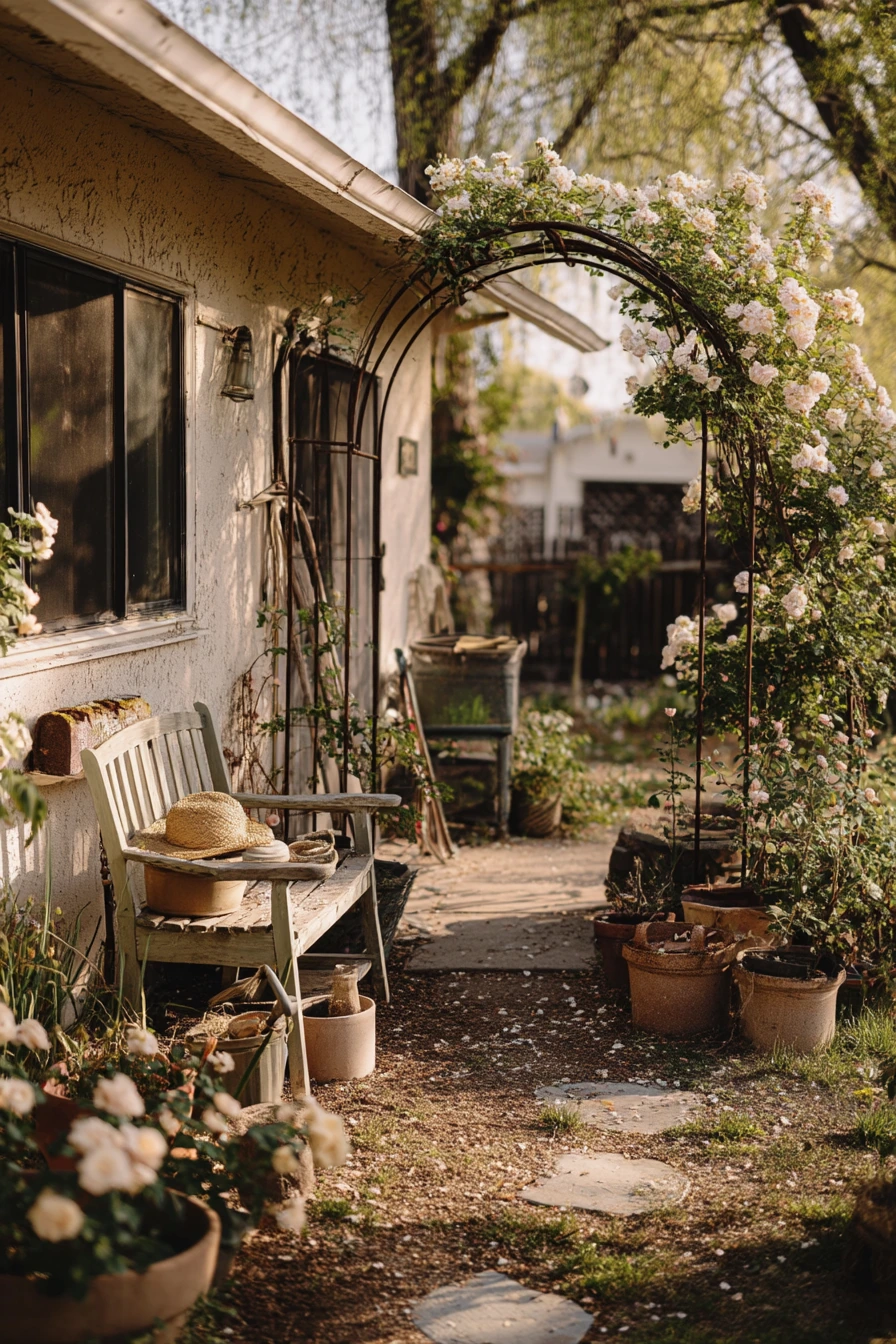
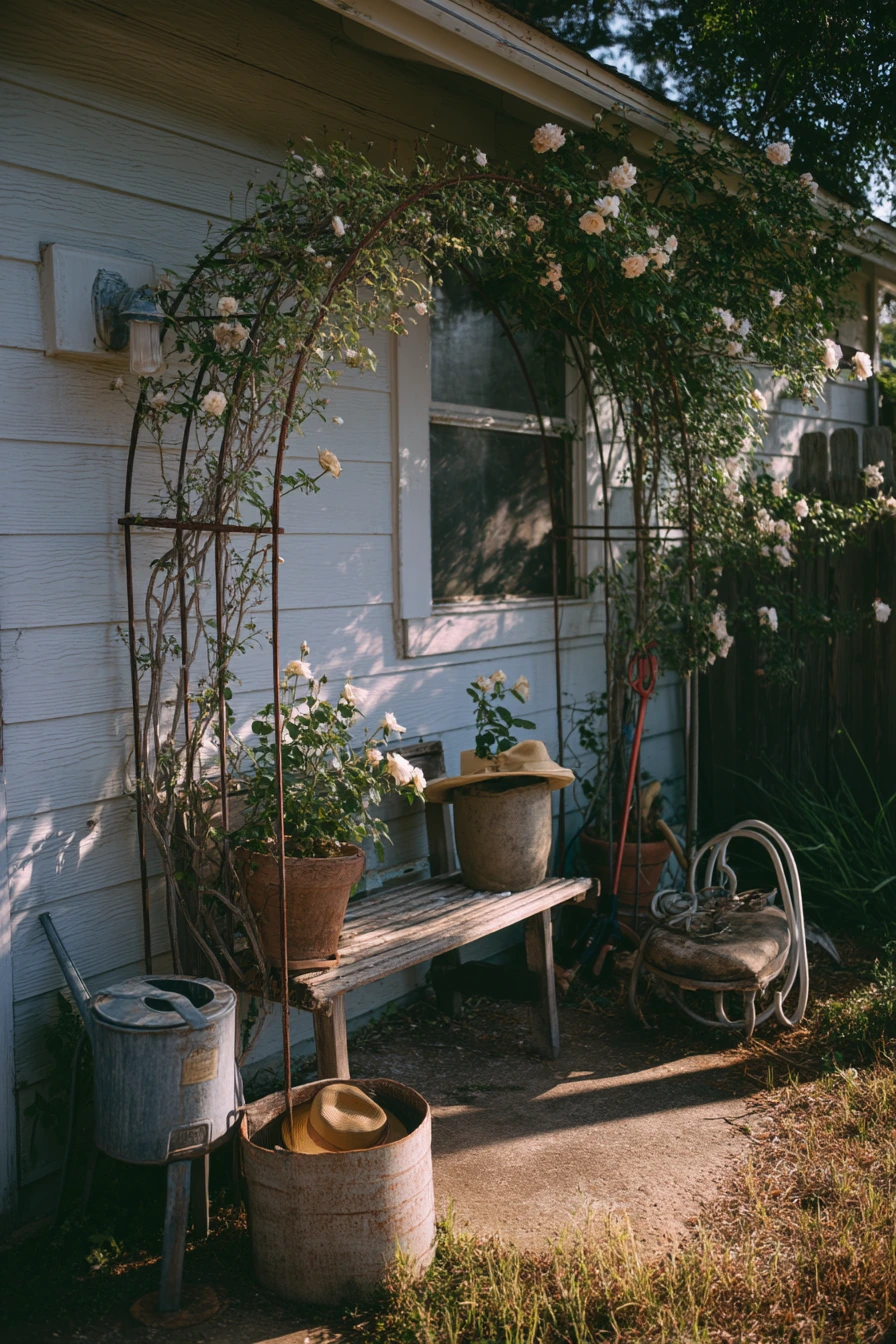
A modest backyard corner can look special with vintage garden ideas on a budget. The key is using a few salvaged pieces, like metal arches, then letting plants do the rest. Even mismatched clay pots look good when you repeat the same soil level and group them closely.
Place an old garden bench where you can see the flowers. It does not need to be perfect. A little rust or peeling paint fits the weathered feel. Add a galvanized bucket for cut roses, so you have an easy way to bring blooms inside.
Keep the space honest and useful. Leave pruning shears nearby, hang a straw hat on a hook, and loop a watering hose neatly on the fence. When you clip stems for the kitchen table, you will already have what you need close by.
- Choose one corner and define it with an arch, bench, or a pot cluster.
- Mix clay pots, but keep a similar shape for a calmer look.
- Use a galvanized bucket for cut flowers and change water often.
- Add one small path of stepping stones to make it feel like a destination.
- Store tools in a simple crate so the corner stays tidy.
Pro Design Tip: Use repetition to hide mismatches, like three terracotta pots in a row, even if each one is a different size.
Budget Considerations: Salvaged arches and benches vary in cost; check local listings, reuse old metal gates, or DIY an arch with cattle panels and wire.
4 Afternoon Potting Table Still Life
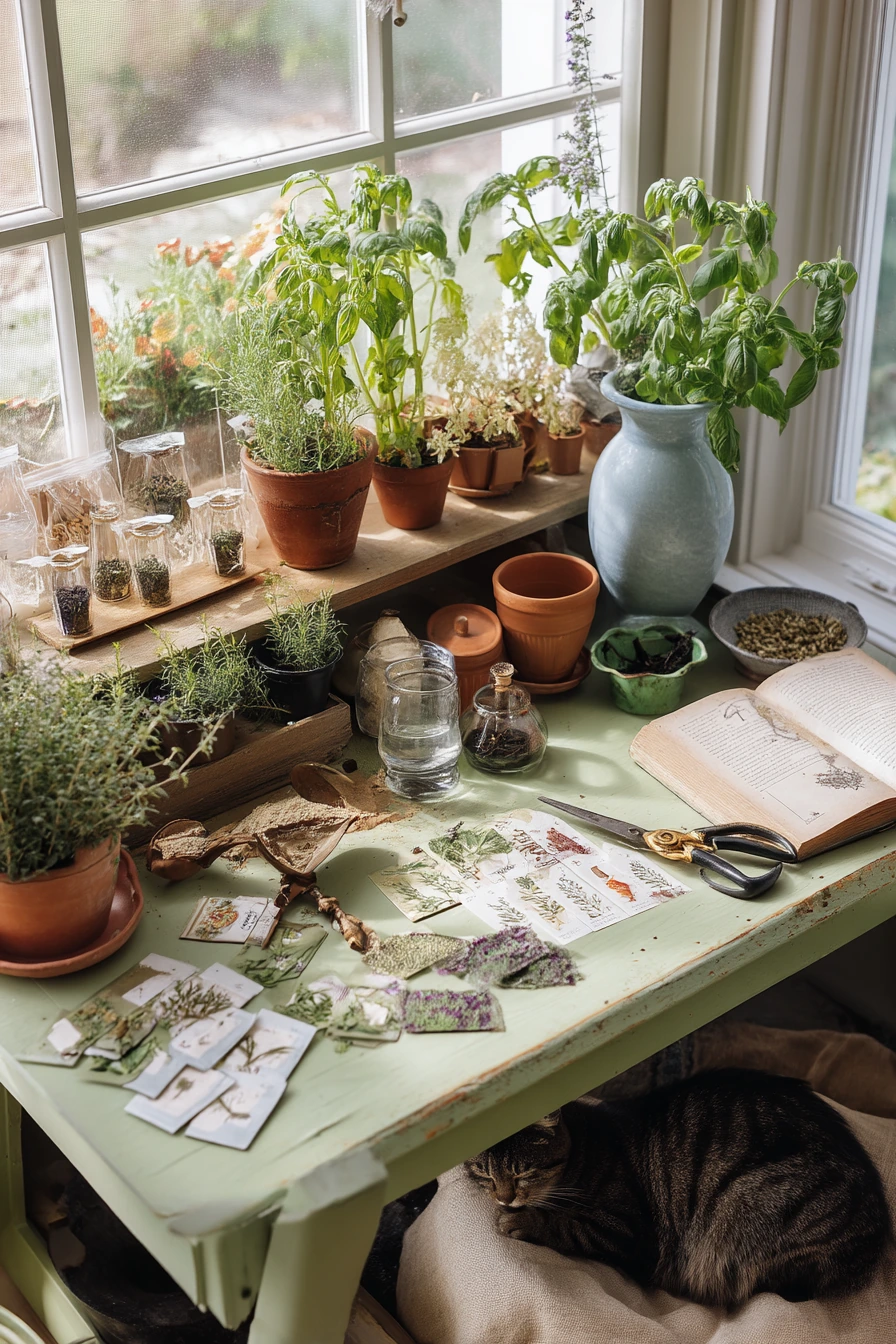
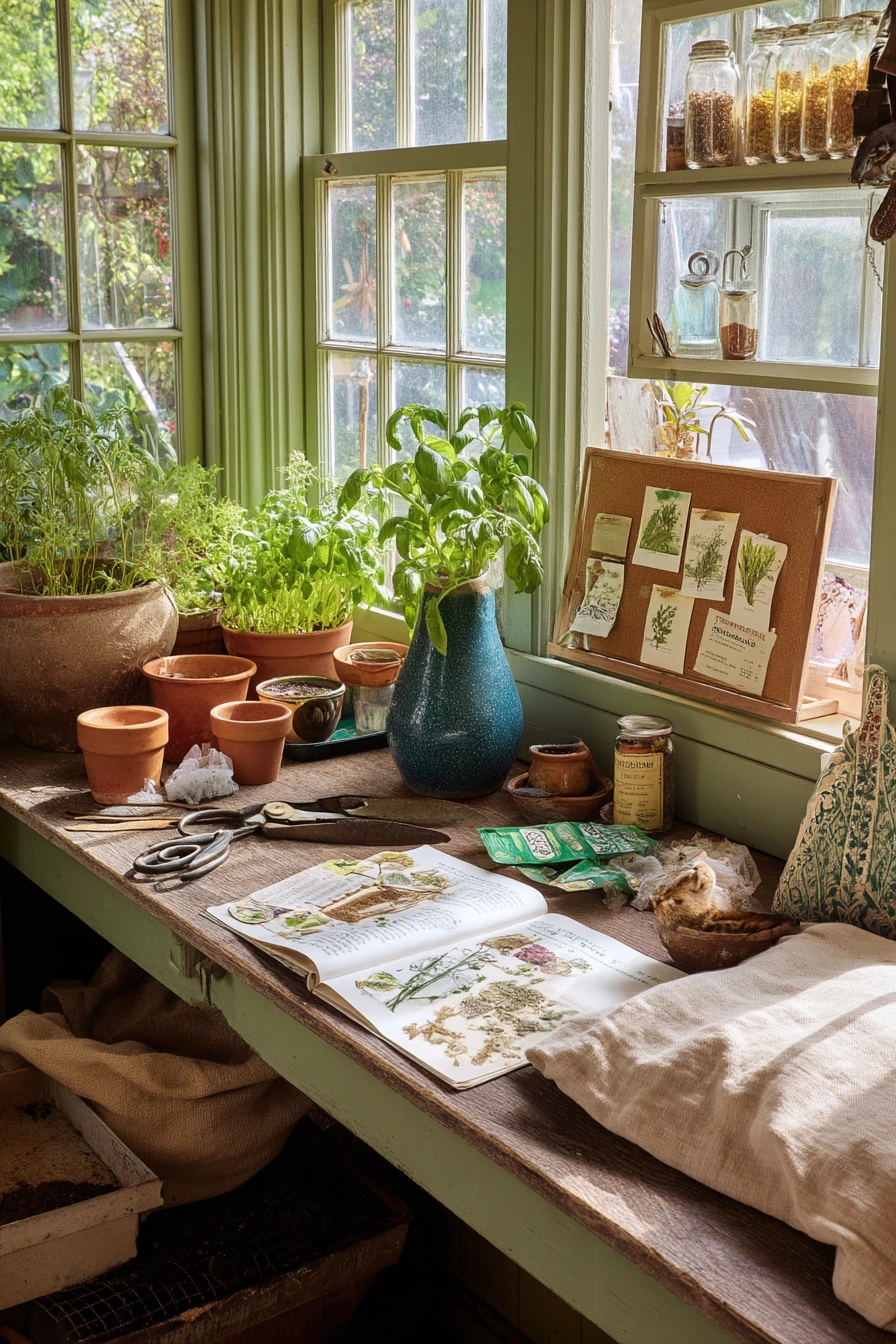
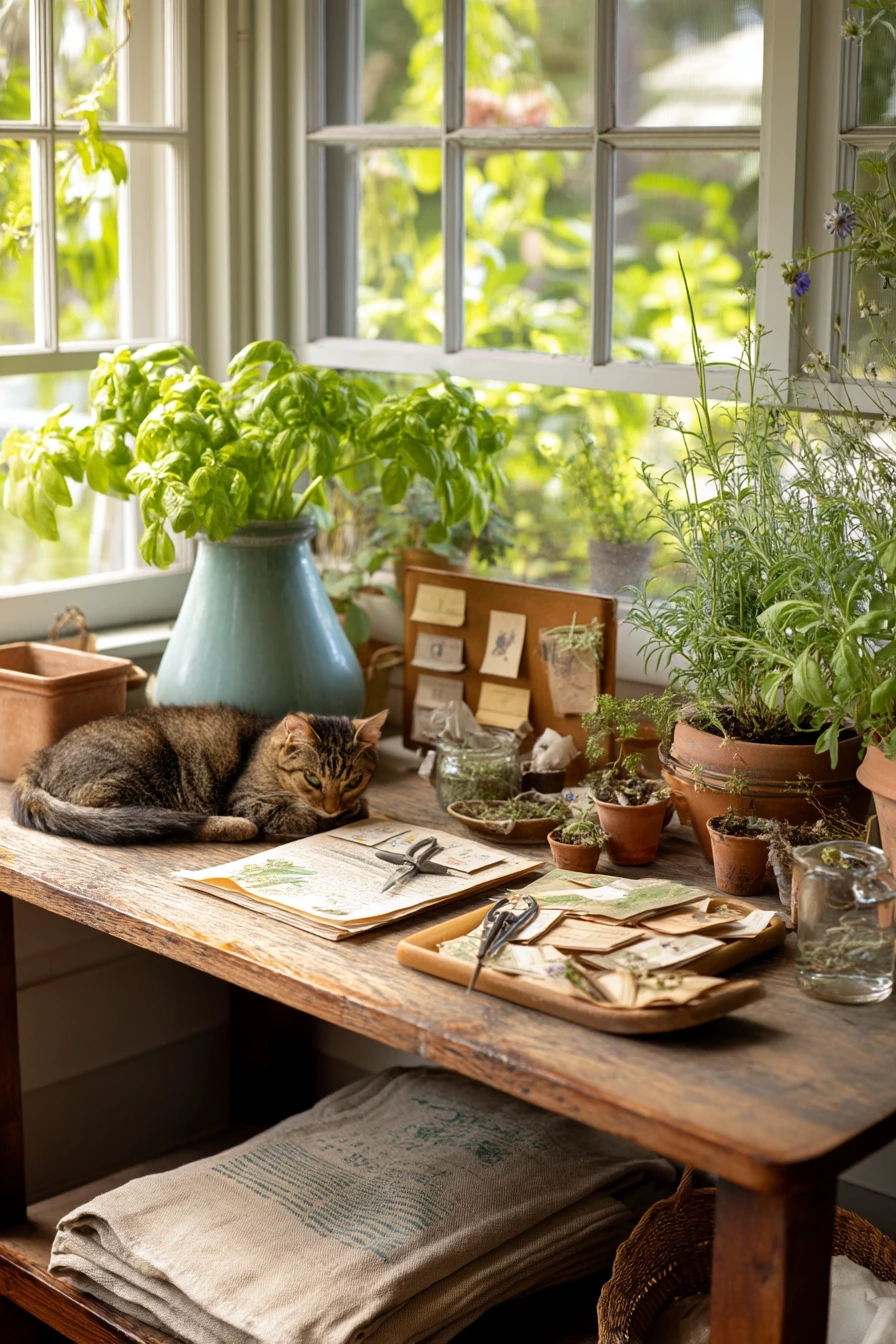
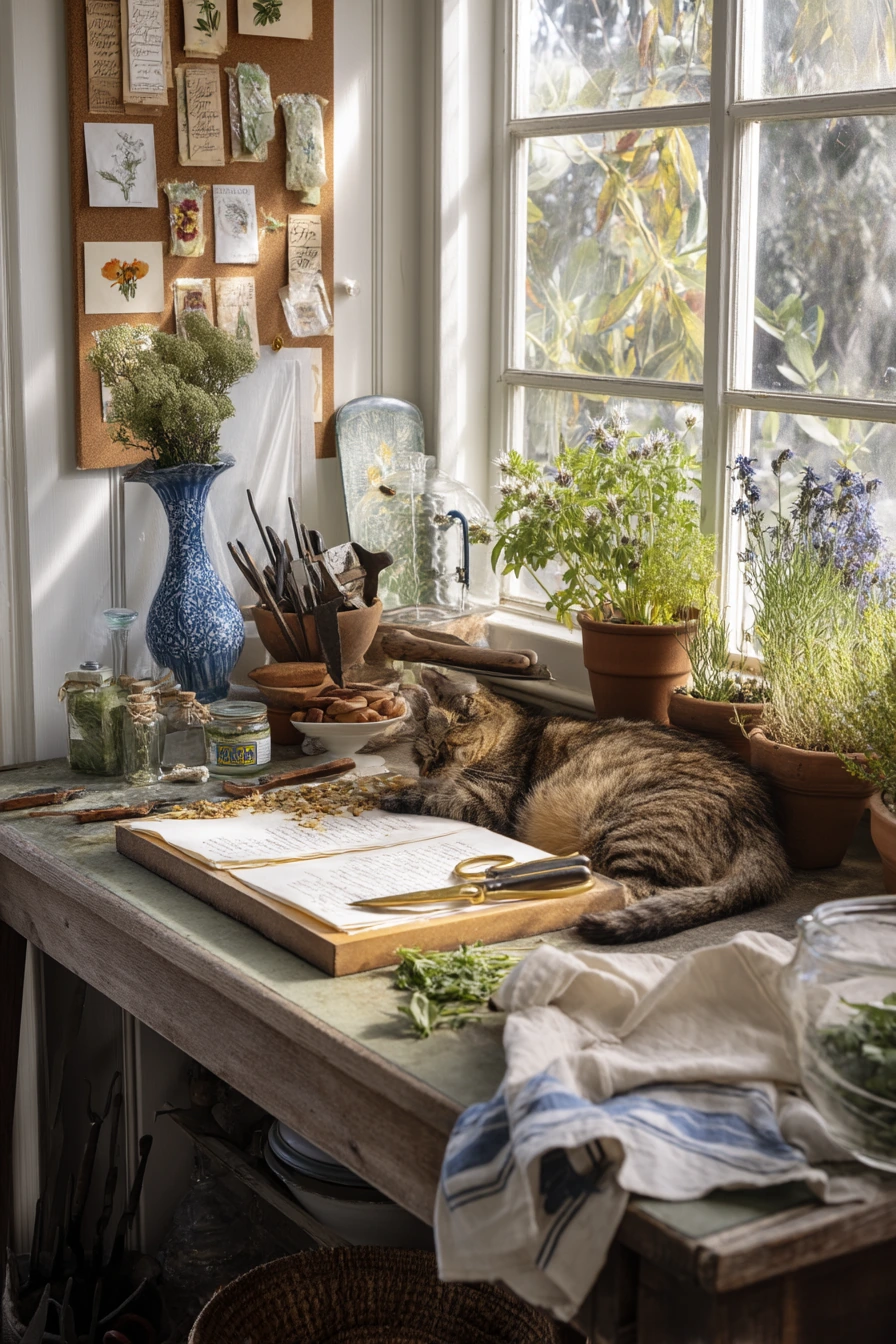
A sunroom potting table is where vintage garden style meets daily routines. Start with a simple work surface, then add a few old-looking tools and containers. Seed packets, terracotta jars, and brass pruners create that practical, softly nostalgic look.
Keep the display useful, not staged. Put a water glass on the table, and allow a little dust on the sill. Add pressed-flower labels pinned to a cork board so you can track cuttings and herbs. A chipped blue vase can hold stems while you work.
For comfort, add a folded linen sack or a small cushion, and let a pet bed or cat nap spot be part of the scene. An open cookbook to herbs makes it feel like you really bring garden flavors into your kitchen.
- Use a cork board for labels, planting dates, and pressed leaves.
- Store seed packets in a tin so they stay dry and easy to grab.
- Keep terracotta jars for twine, plant markers, and small tools.
- Place a vase or jar for quick cuttings as you prune and trim.
- Add a tray for messy items so cleanup is fast.
Pro Design Tip: Limit the tabletop color story to earthy clay, brass, and one accent color like faded blue so the table looks calm.
Budget Considerations: Brass tools can cost more; buy one quality pruner and mix in cheaper basics, or look for secondhand tools and clean them up.
5 Patio Dinner Under Twinkle Bulbs
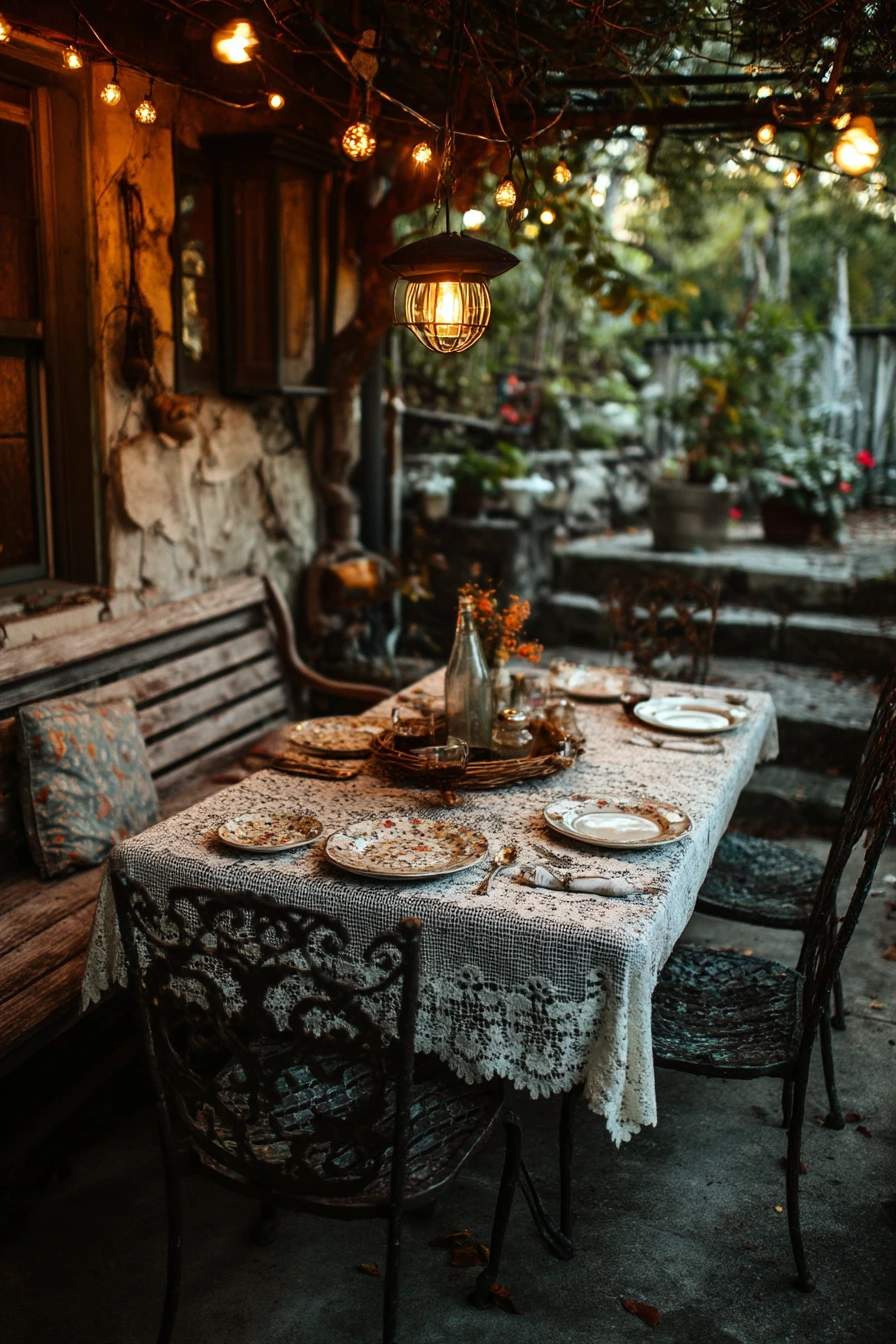
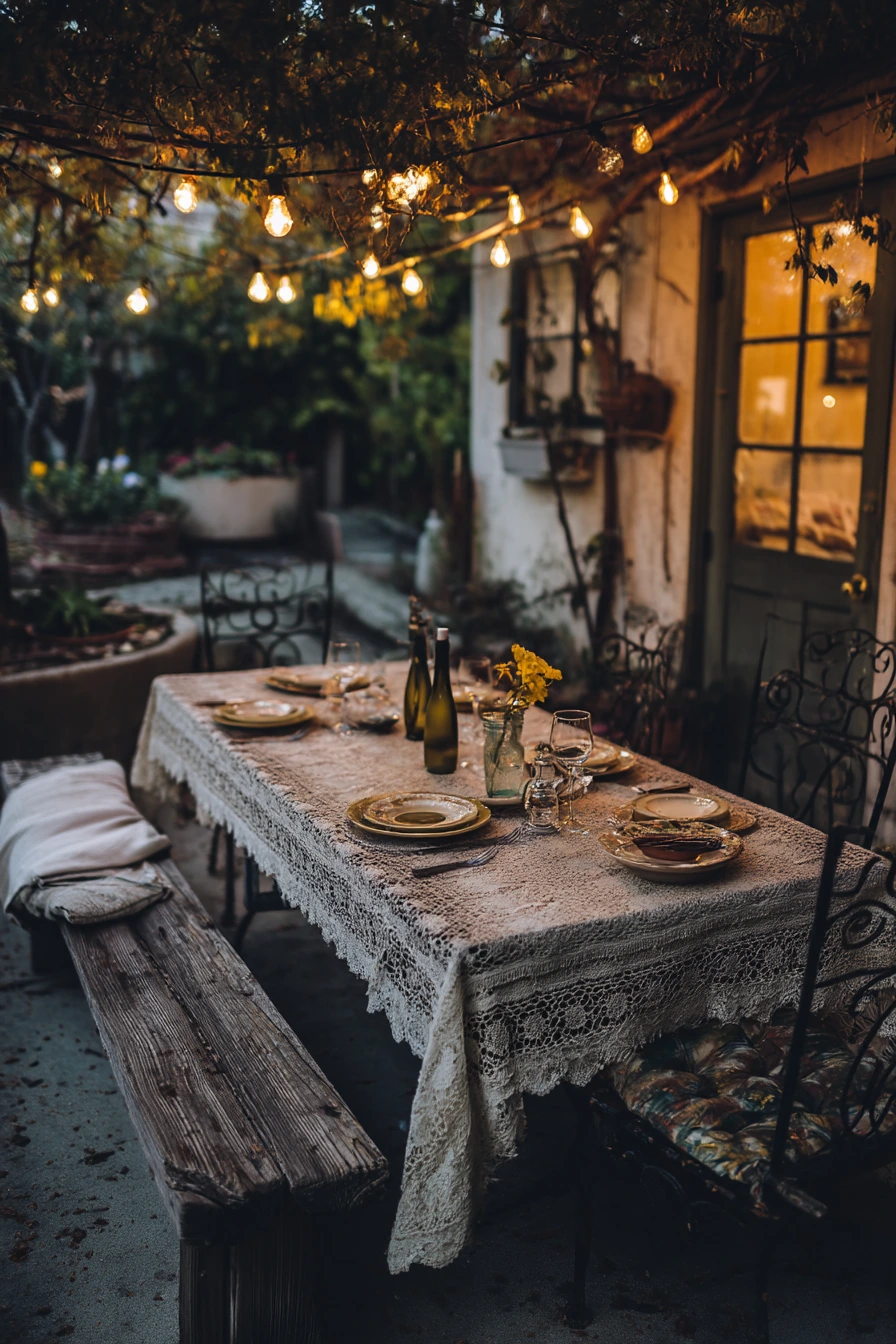
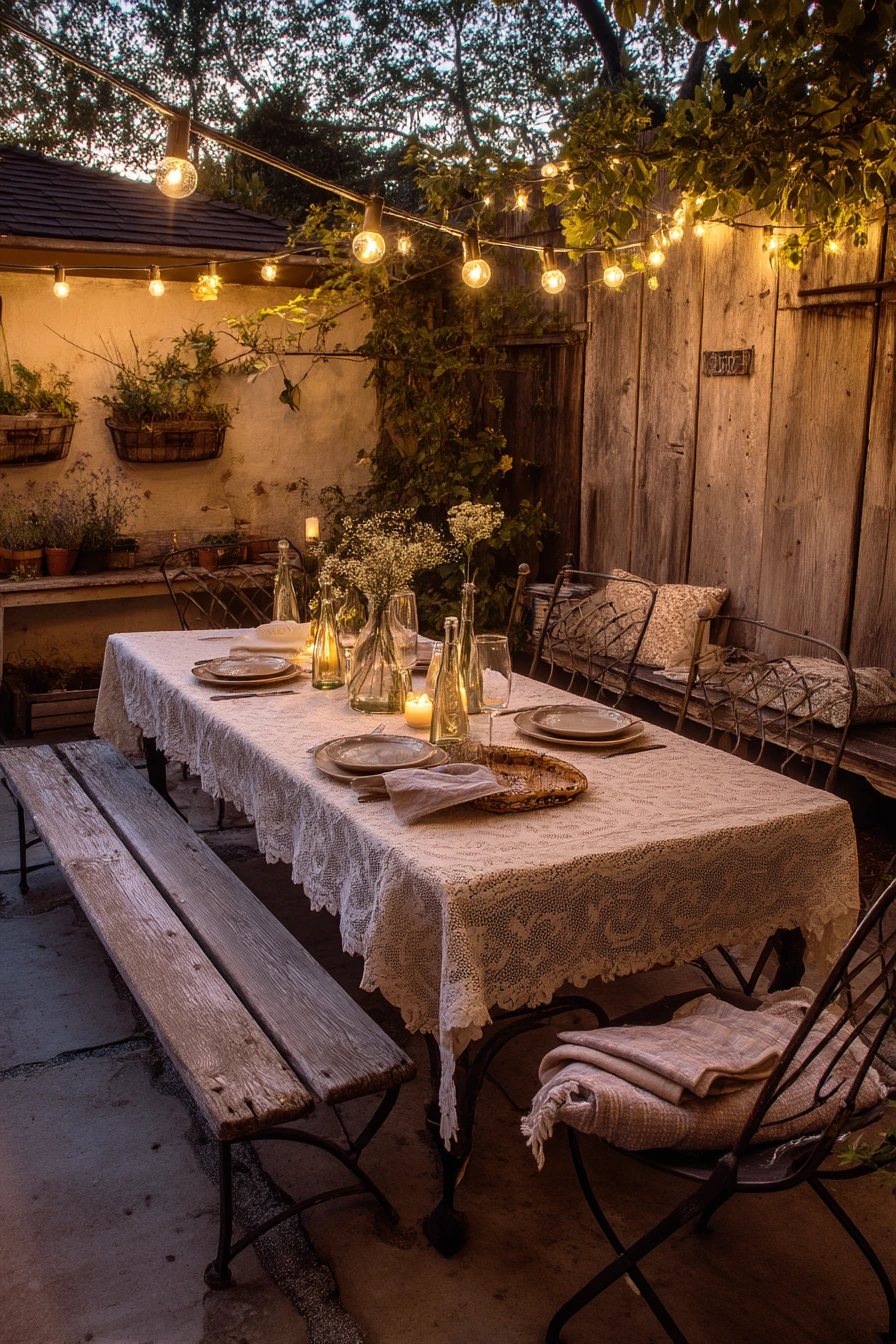
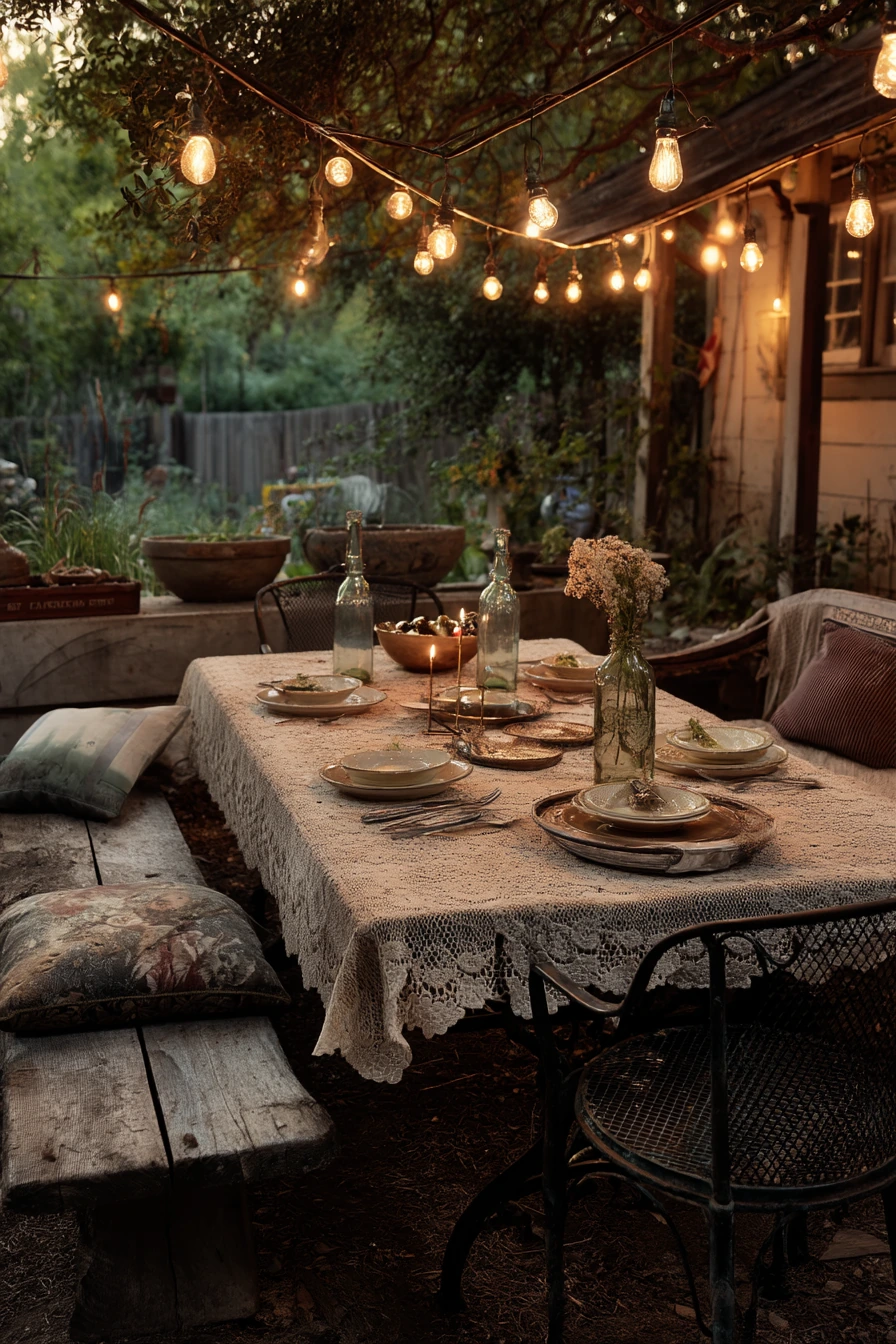
A weeknight patio dinner feels more special with vintage garden ideas that are simple to repeat. Start with wrought-iron chairs and a small table. Add a lace tablecloth for softness, even if it is a little wrinkled. The goal is comfort, not perfection.
Use old glass bottles as bud vases. A few short stems look better than one big bouquet, and it is easy to copy on any night. A weathered planter wall adds texture behind the table, especially with trailing plants.
For lighting, hang strings of bulbs overhead so you can eat after sunset. Keep the scene lived-in with small details like a napkin ring basket, a few wine corks, and a phone set face-down. Add a throw on the bench for cool evenings.
- Pick 3 to 5 small bottles and fill each with one or two stems.
- Use cloth napkins in a simple basket for an easy vintage touch.
- Hang outdoor string lights high enough to feel open, not crowded.
- Style the wall with planters at mixed heights for depth.
- Keep a tray near the door for plates and glasses to reduce trips.
Pro Design Tip: Mix warm bulbs with candlelight to soften the table and make glass bottles glow.
Budget Considerations: Wrought-iron sets can be expensive; buy chairs one at a time secondhand and paint them the same matte black for a matching look.
6 Sunday Shed-to-Garden Reset
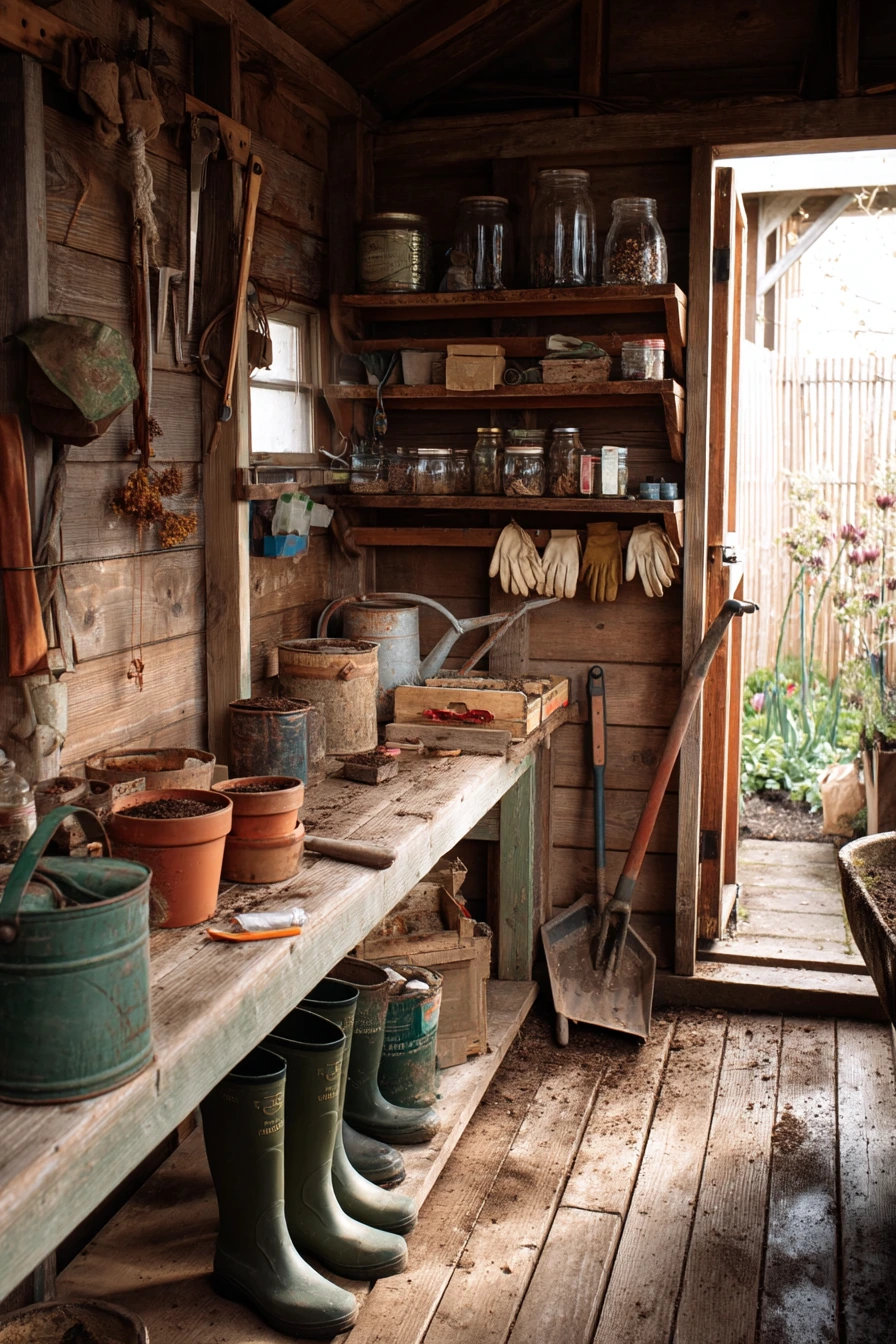
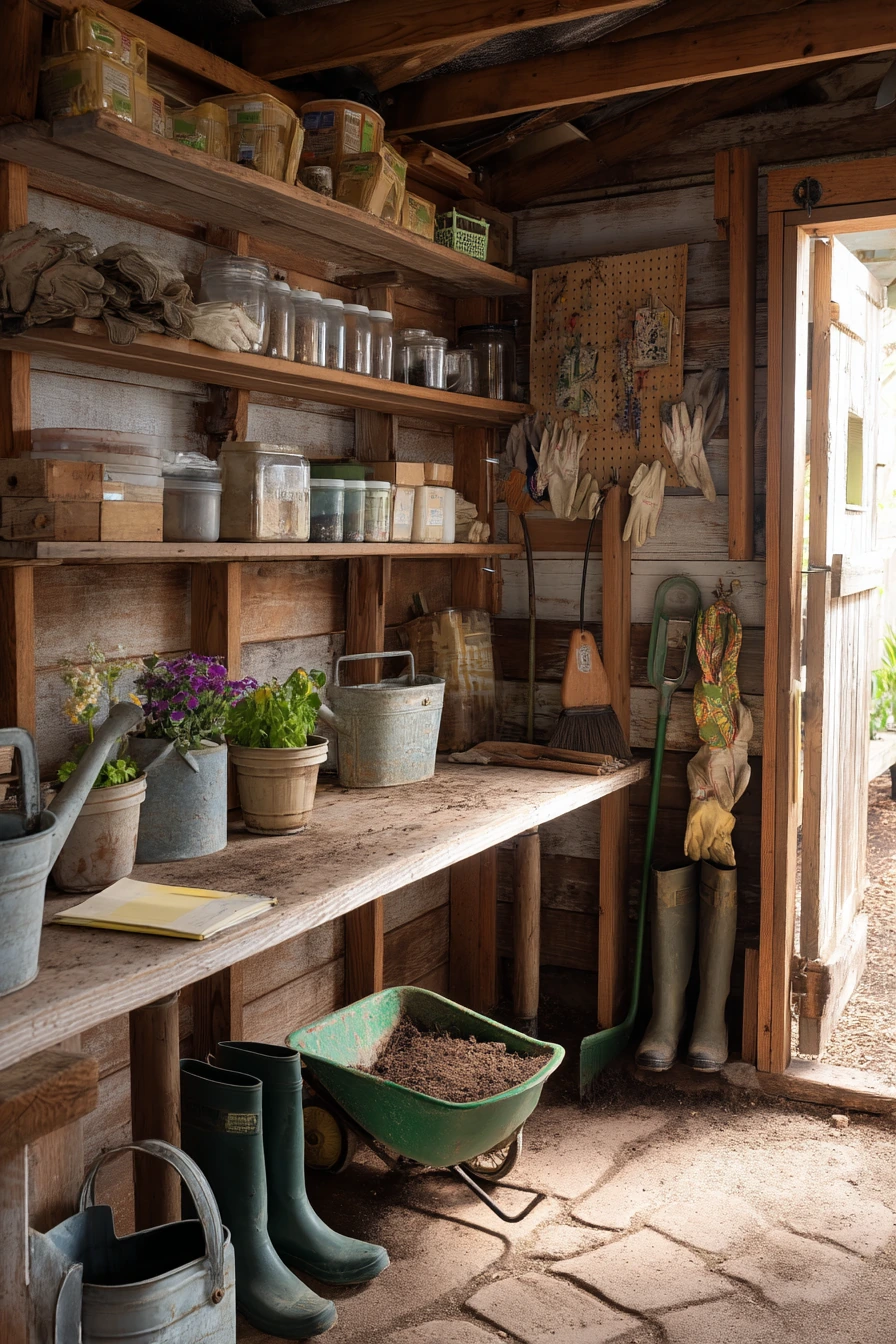
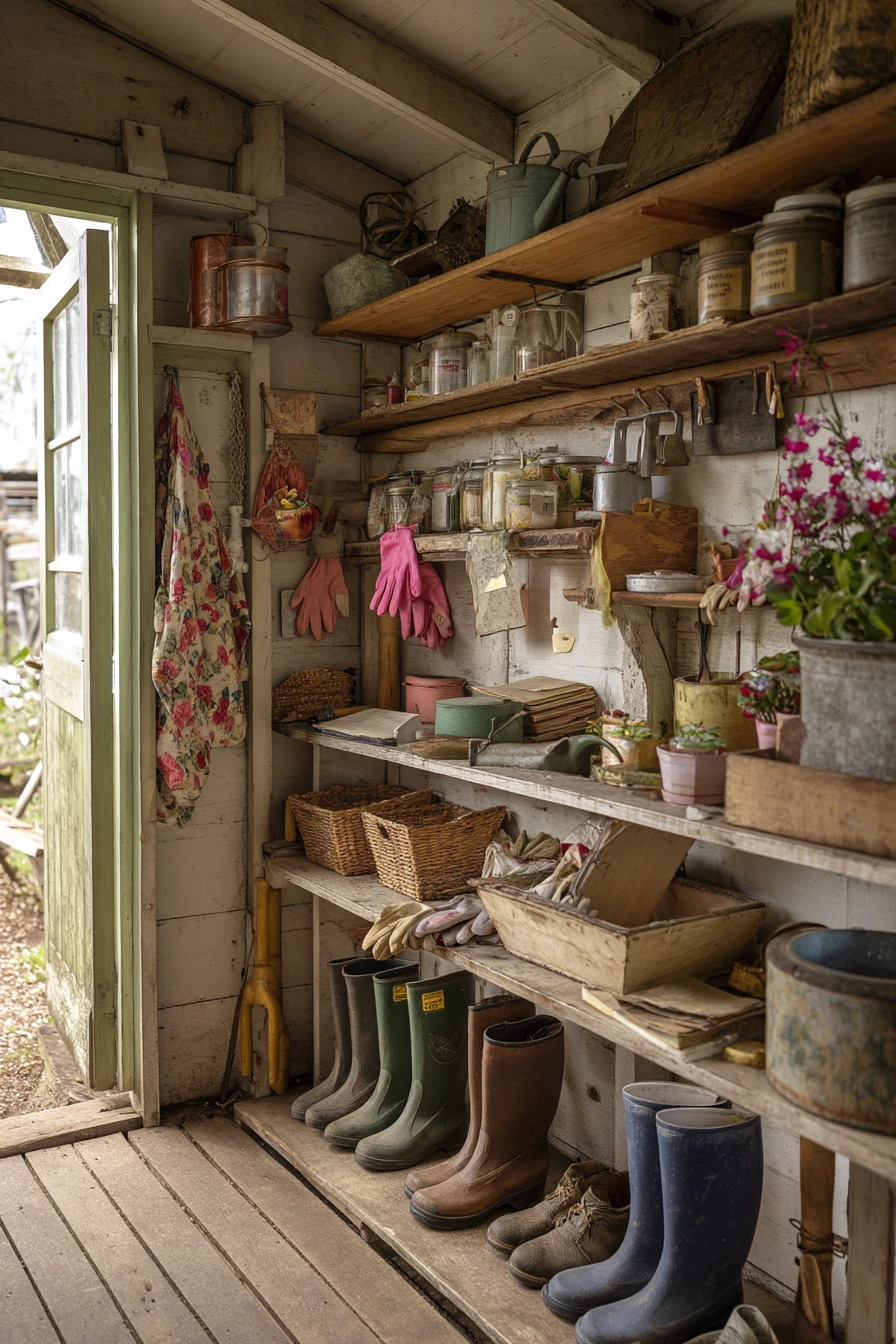
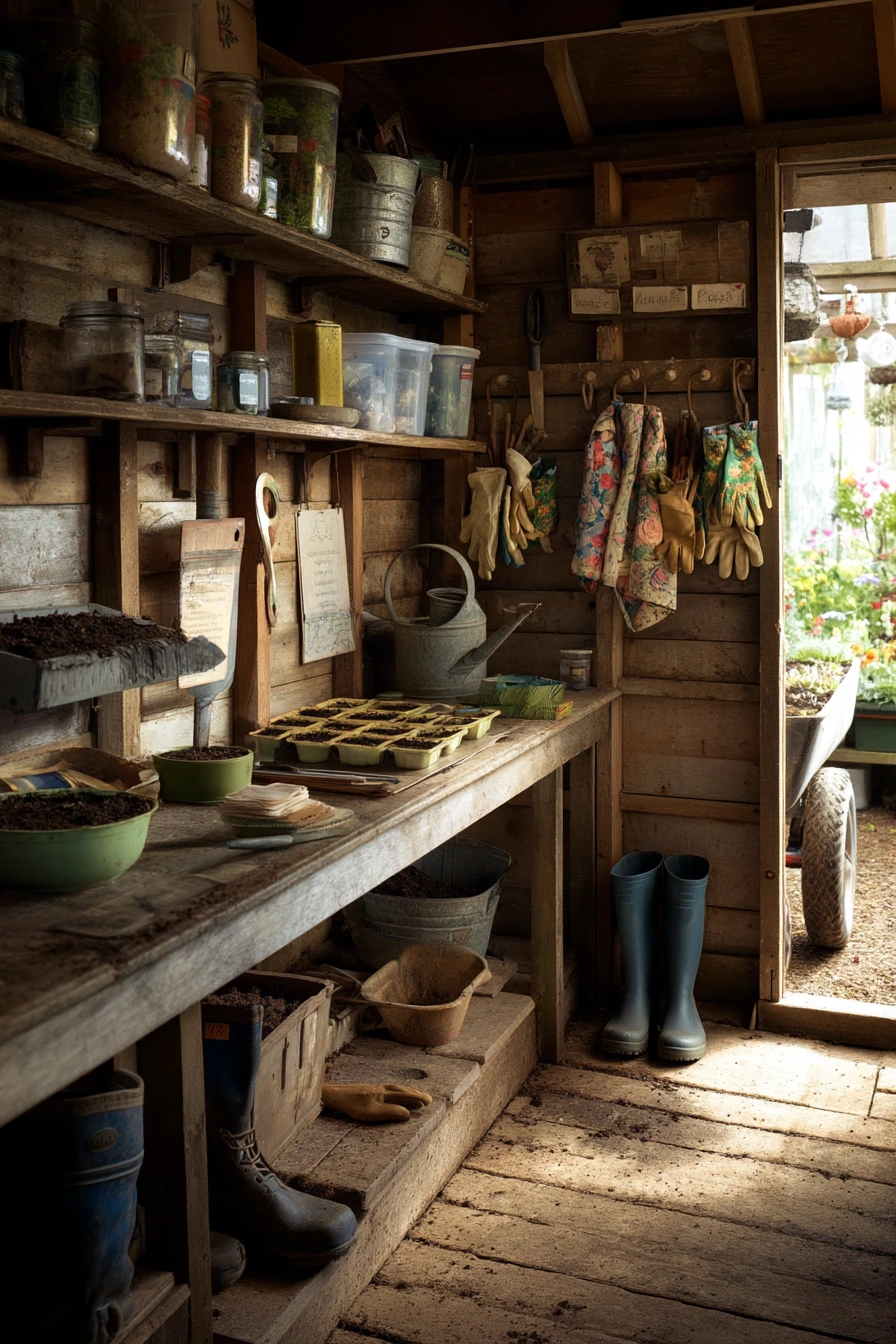
A backyard shed can become a vintage garden work zone with simple organization and a few timeworn pieces. Start with old wooden shelves for seed trays, jars, and small tools. Add antique-style watering cans, even if they are just for display.
Make the shed feel active, not like a museum. Label jars of bulbs, keep a half-open toolbox on the bench, and let muddy boots live by the door. A notebook with a receipt tucked inside shows real planning, like what you bought and when to plant it.
Set a wheelbarrow outside as a landing spot for soil bags and pots. Hang faded floral gloves on hooks so you can find them fast. With a tidy layout, the shed becomes a calm place to start garden tasks.
- Add hooks for gloves, twine, and hand tools to clear shelf space.
- Use jars or tins for bulbs and label them by color or season.
- Keep seed trays on one shelf and potting supplies on another.
- Place a small broom inside the door for quick cleanup.
- Store heavier items low to make the shed safer and easier to use.
Pro Design Tip: Choose one “display shelf” with your prettiest cans and jars, then keep the rest of the shed focused on function.
Budget Considerations: If you do not have a shed, use a weatherproof deck box with bins inside; it can mimic the same organized look for less.
7 Herb Patch by the Kitchen Door
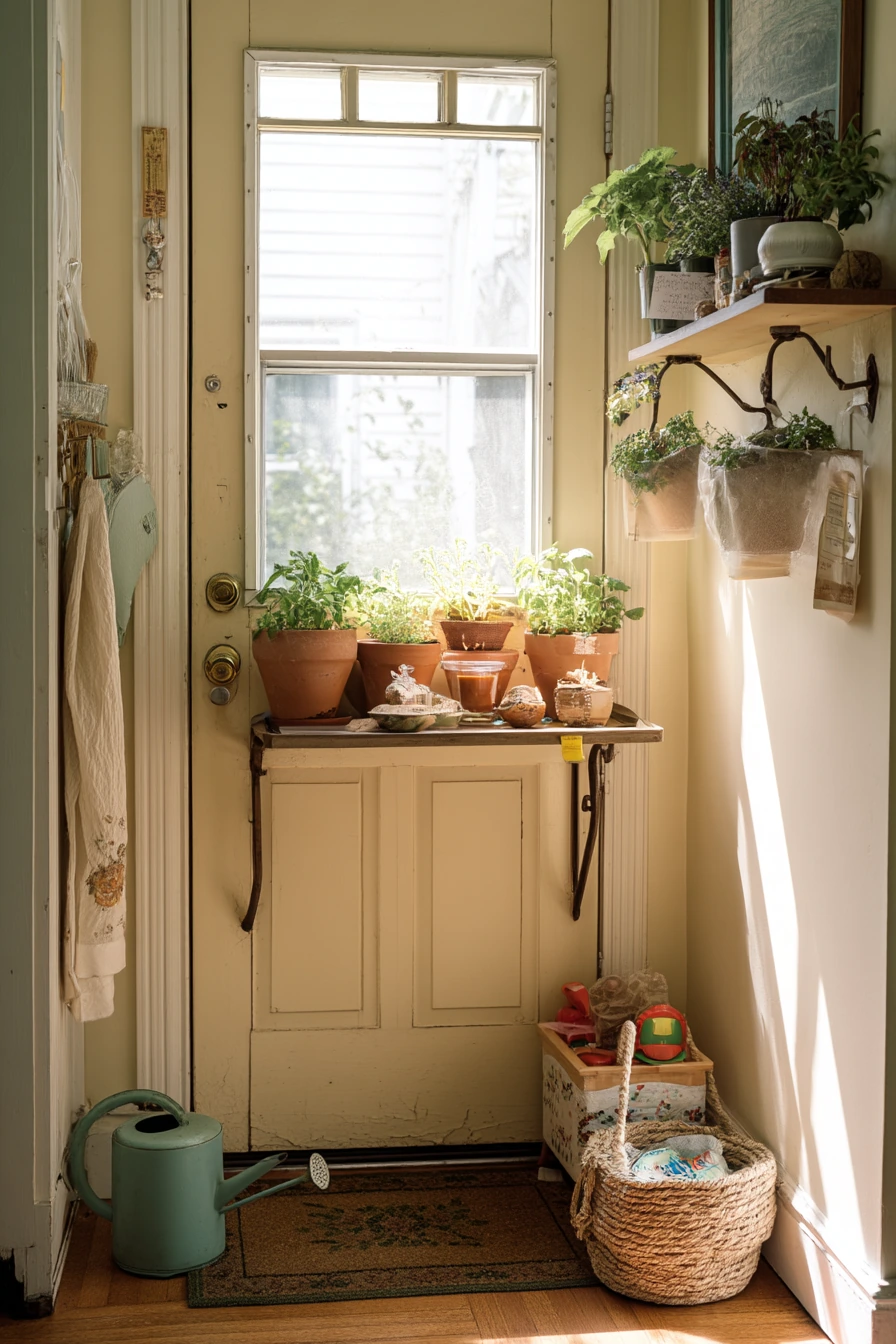
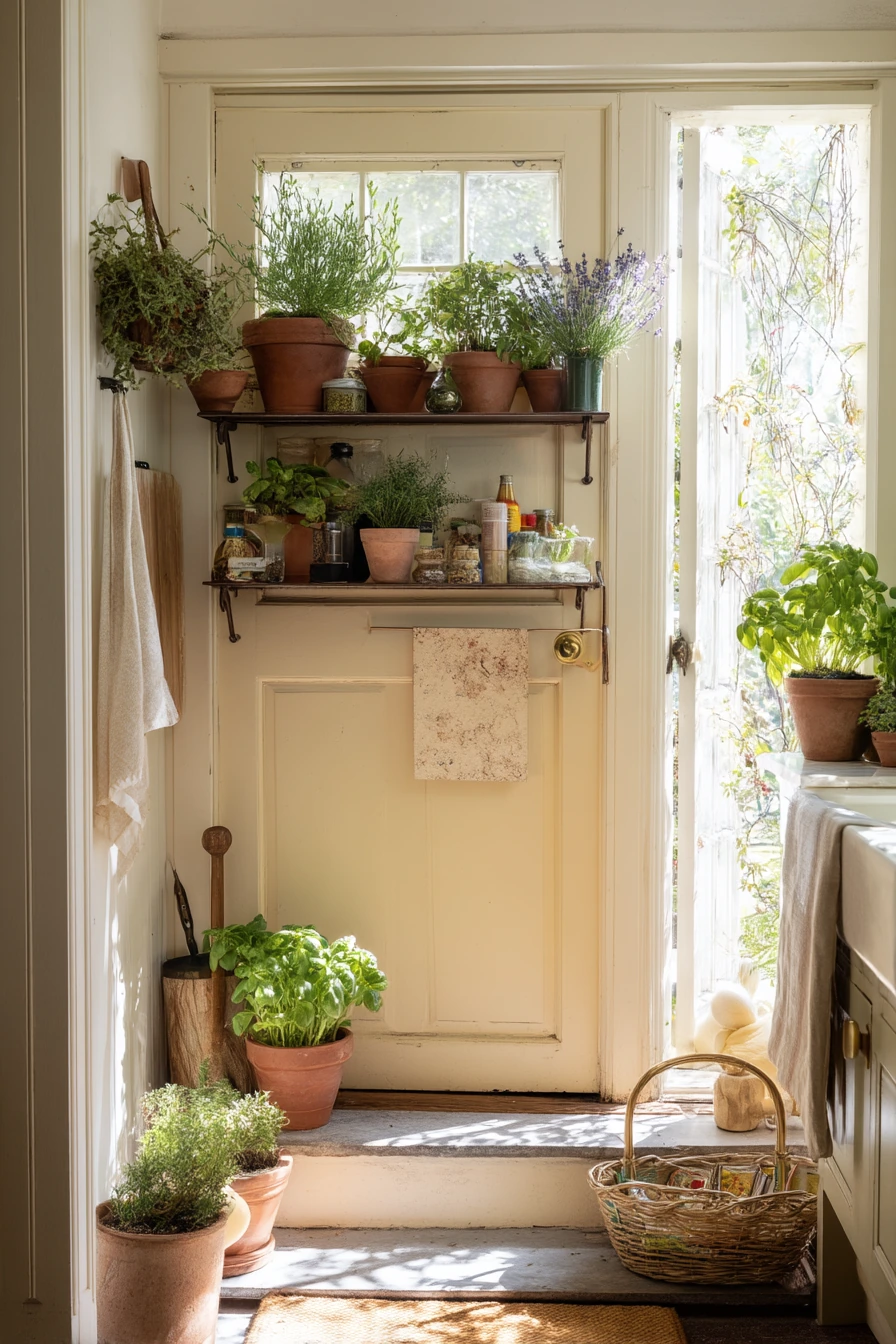
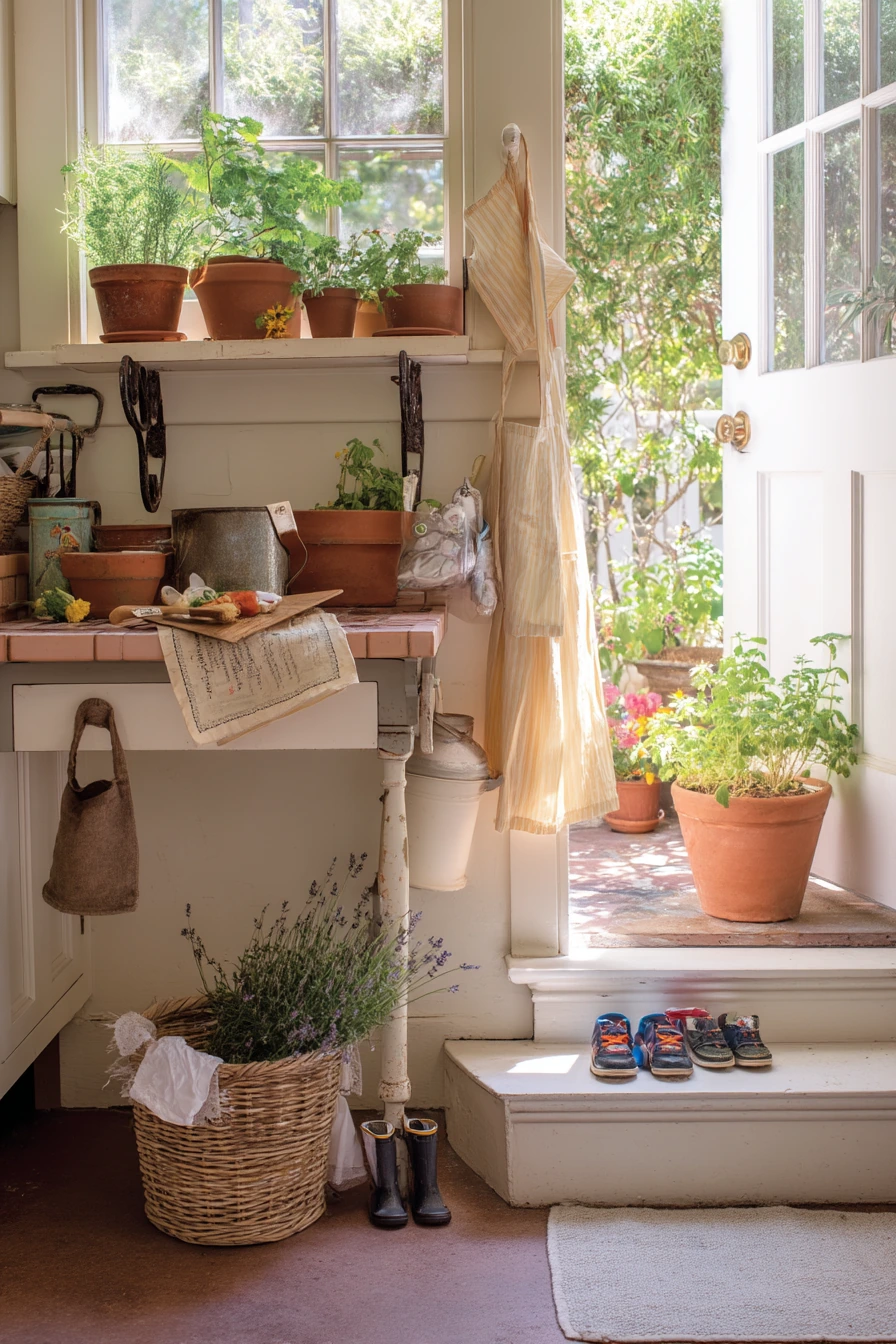
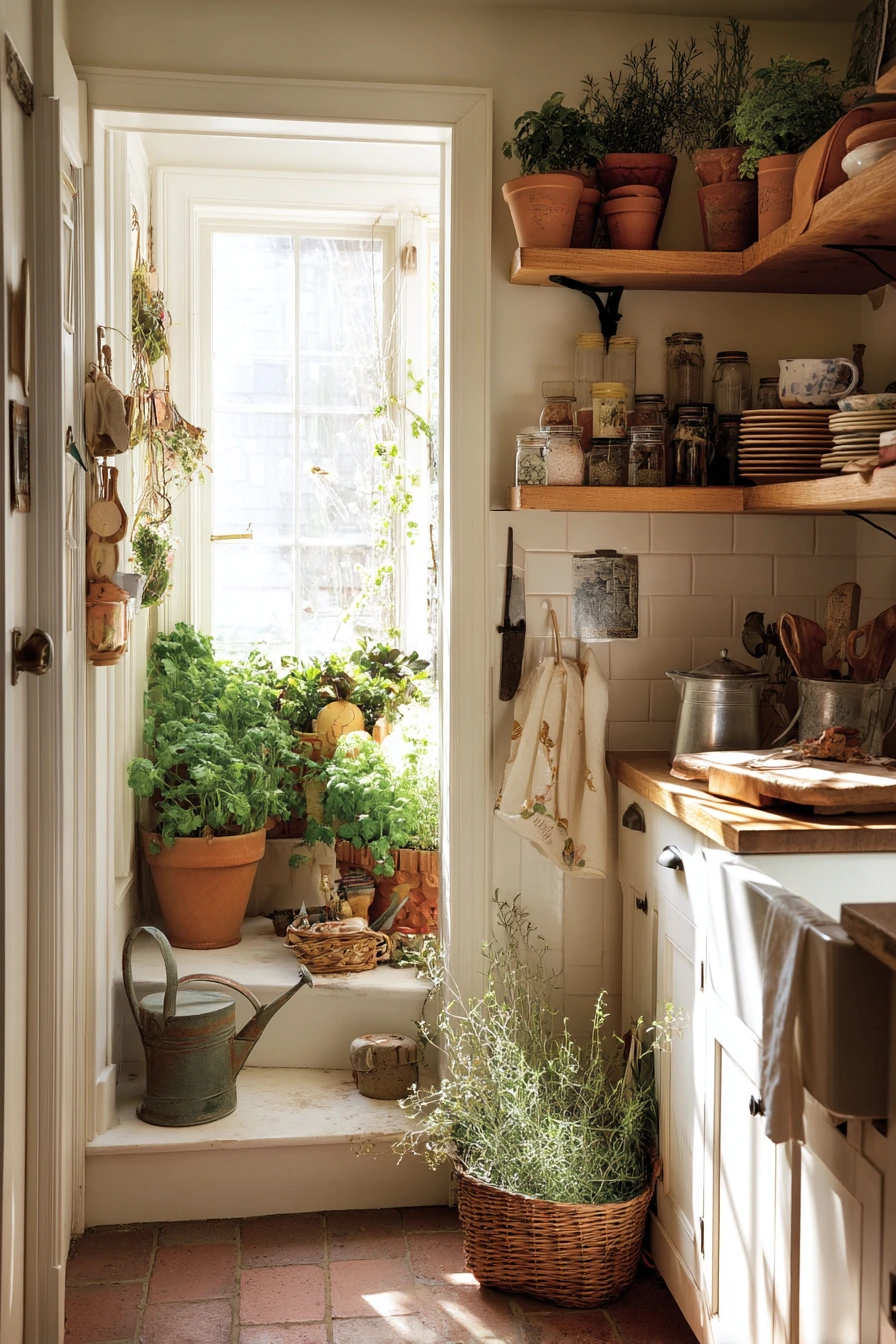
A kitchen-door herb patch is one of the easiest vintage garden ideas because it is small and useful. Use terracotta pots near a painted step and add a small iron shelf to hold extra herbs. Old plant markers make it feel like a long-loved garden spot.
Plant lavender to spill over the edge and soften the hard lines of the doorway. Then add parsley, basil, and chives for cooking. This setup works well for busy days, like snipping herbs before dinner while kids play nearby.
Keep it part of your home rhythm. Hang an apron on a hook, tuck a recipe card close by, and keep a watering can right at the door. If a toddler’s toy basket sits inside, that is fine. The mix of garden and life is what makes the style feel sweet and real.
- Group herbs by water needs so you do not overwater one pot.
- Use a small iron shelf to add height without taking up floor space.
- Choose simple markers: wood stakes, old spoons, or metal tags.
- Trim herbs often to keep them full and prevent flowering too early.
- Set a shallow tray under pots to catch drips near the doorway.
Pro Design Tip: Put your most-used herbs closest to the door so you can grab them with one hand while cooking.
Budget Considerations: Herb starts are cheaper than mature plants; buy small seedlings and let them fill out, or grow from seed in reused yogurt cups first.
8 Front Steps with Antique Planters
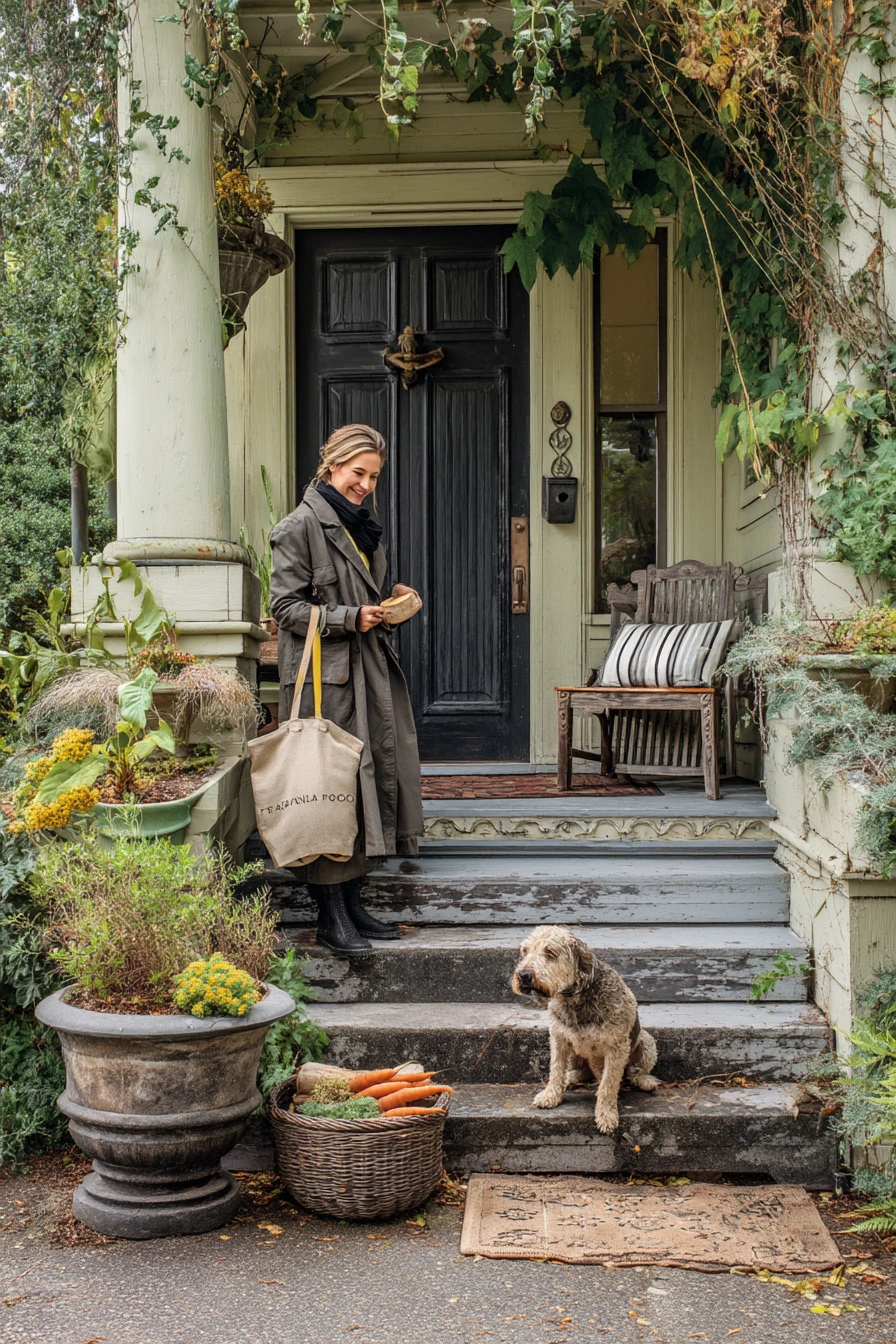
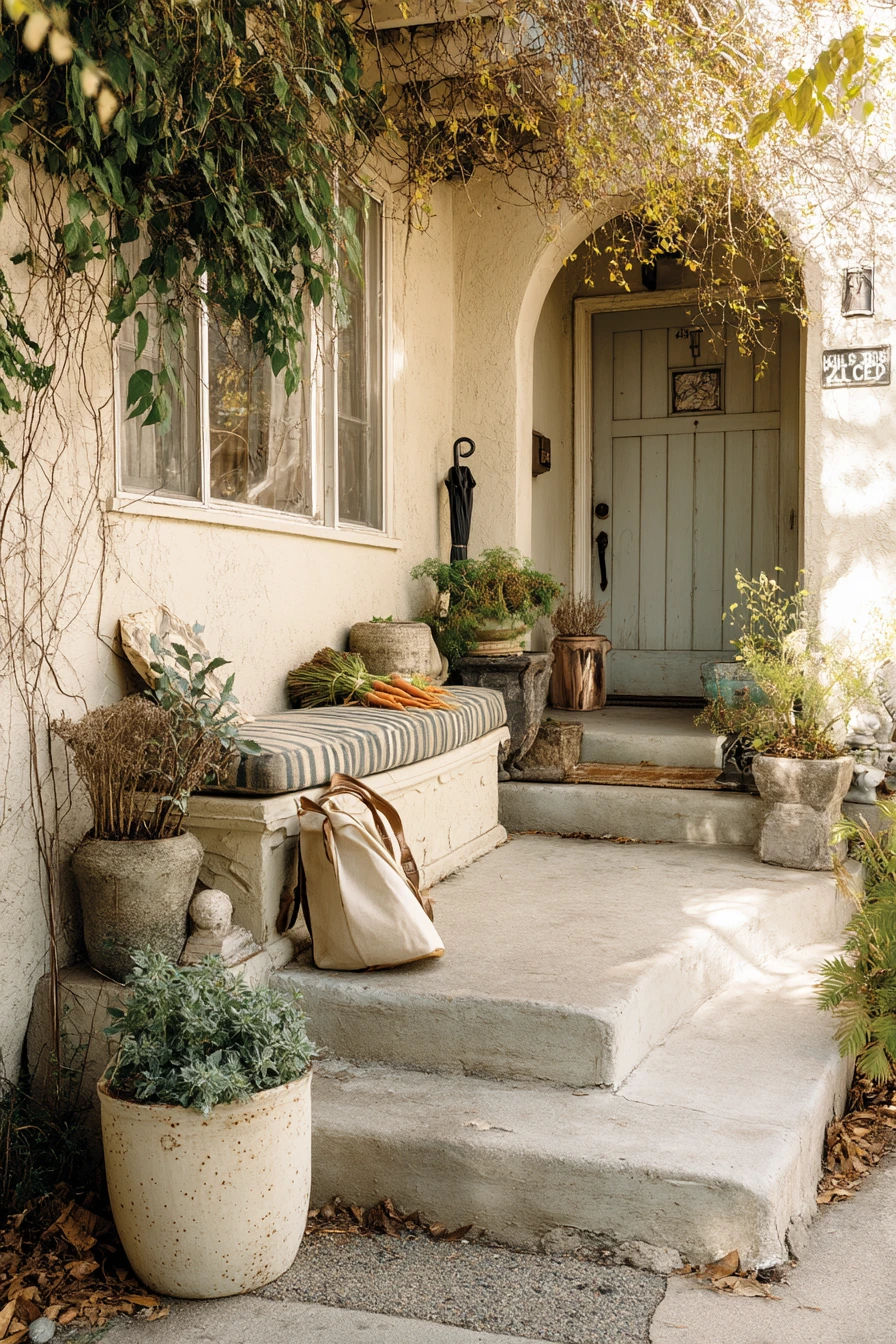
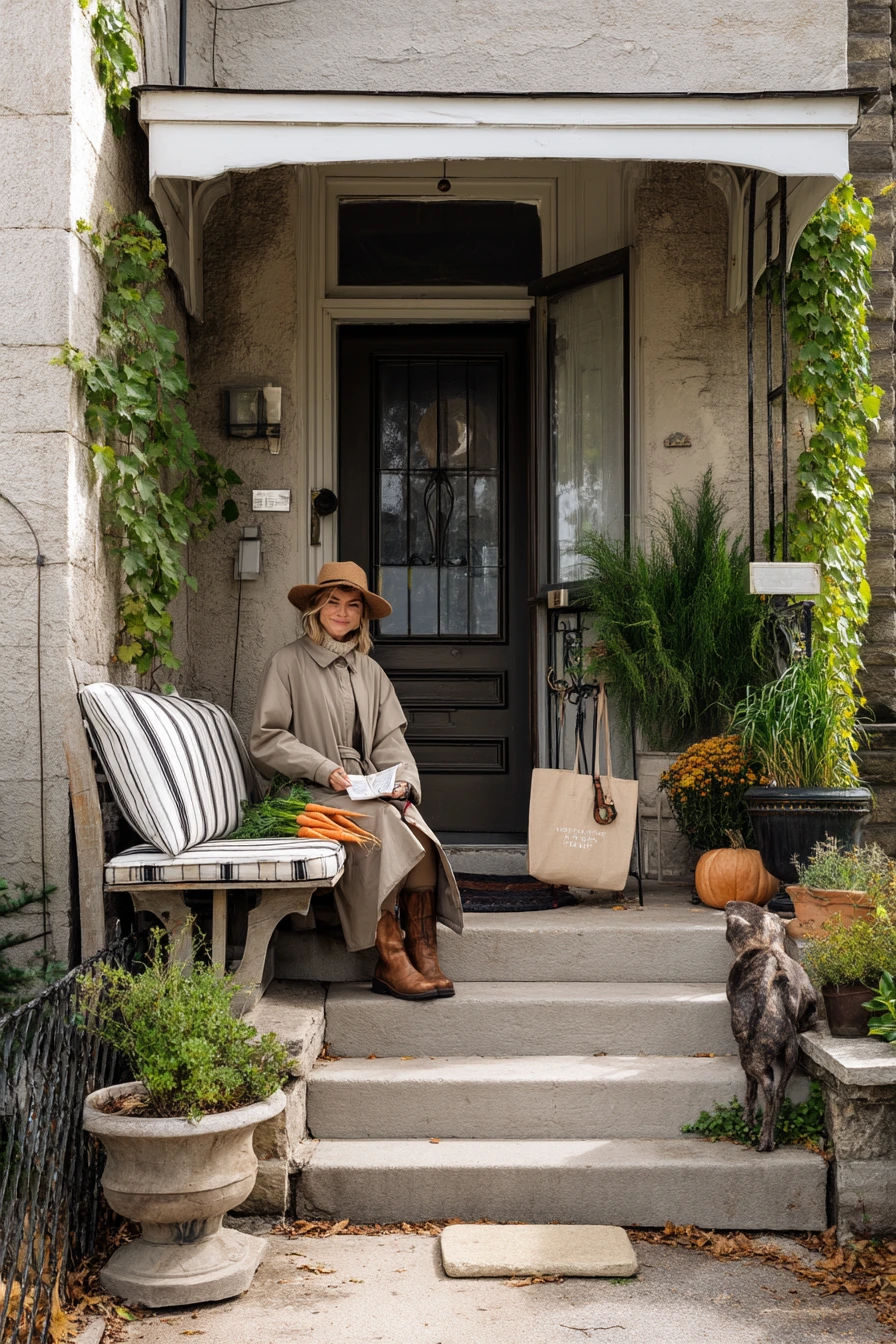
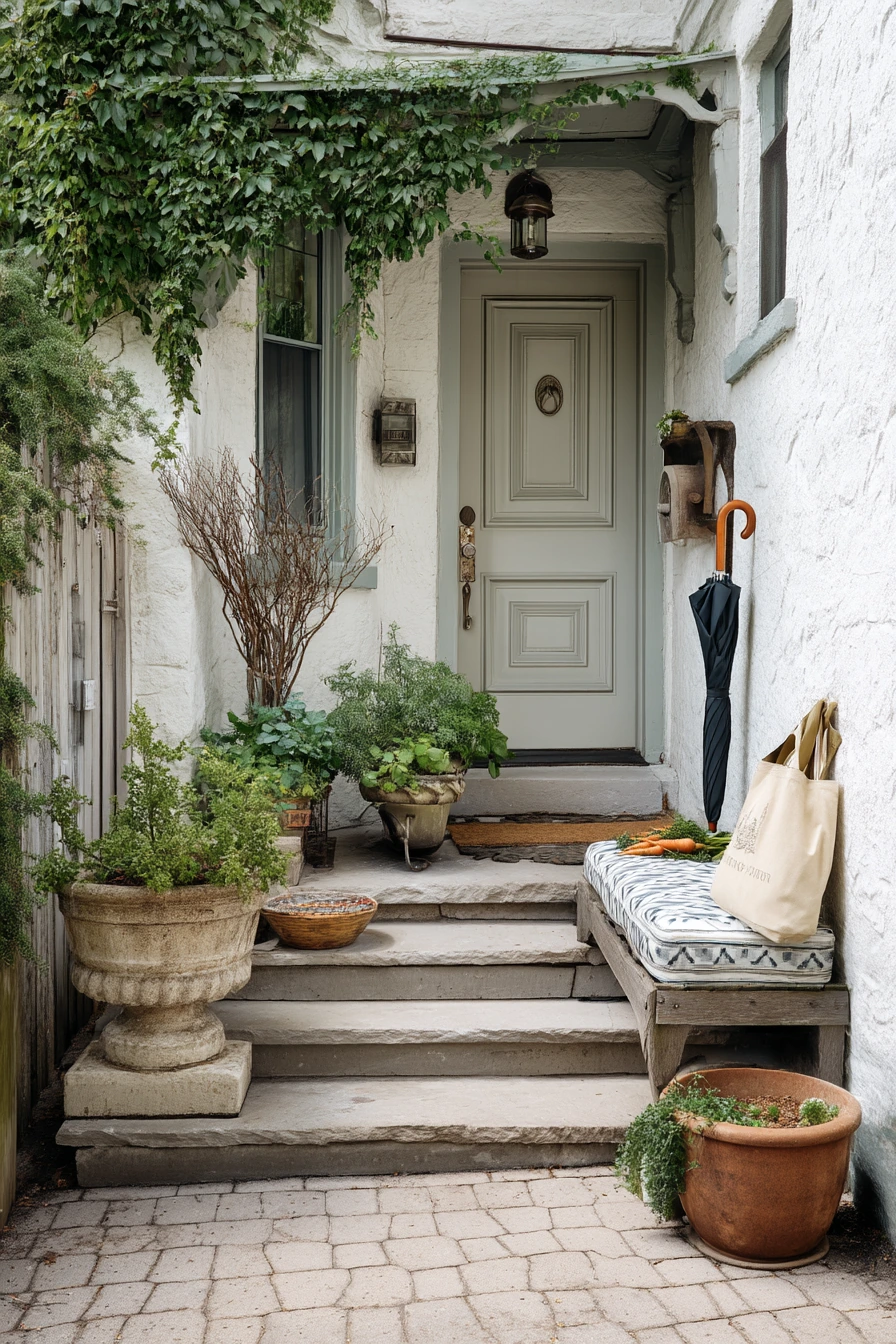
Front steps are a high-impact spot for vintage garden ideas because everyone sees them. Use salvaged stone planters for weight and texture. Add trailing ivy to soften edges and make the entry feel established, even if you just planted it.
Style with one or two old pieces that look useful, like a cast-iron umbrella stand holding dried stems. A faded bench with a striped cushion makes the entrance feel like a place to pause. This setup pairs well with real-life moments, like coming home with mail and carrots from the market.
Keep it welcoming, not fussy. A scuffed doormat and a dog leash by the door are normal. Use a simple bowl or tray for keys just inside. The goal is a layered, lived-in entry that still feels tidy.
- Place the largest planter closest to the door to anchor the scene.
- Mix textures: stone, iron, and wood to get a collected look.
- Add one bench cushion in a classic stripe for soft color.
- Use dried stems for height when fresh flowers are not available.
- Keep a small basket for gloves and pruners near the entry for quick touch-ups.
Pro Design Tip: Make a triangle with heights: tall dried stems, medium bench back, and low trailing ivy, so the entrance looks balanced.
Budget Considerations: Stone planters can be heavy and costly; use lightweight resin planters with a stone finish, or wrap basic pots with faux-stone panels.
9 Greenhouse Reading Nook
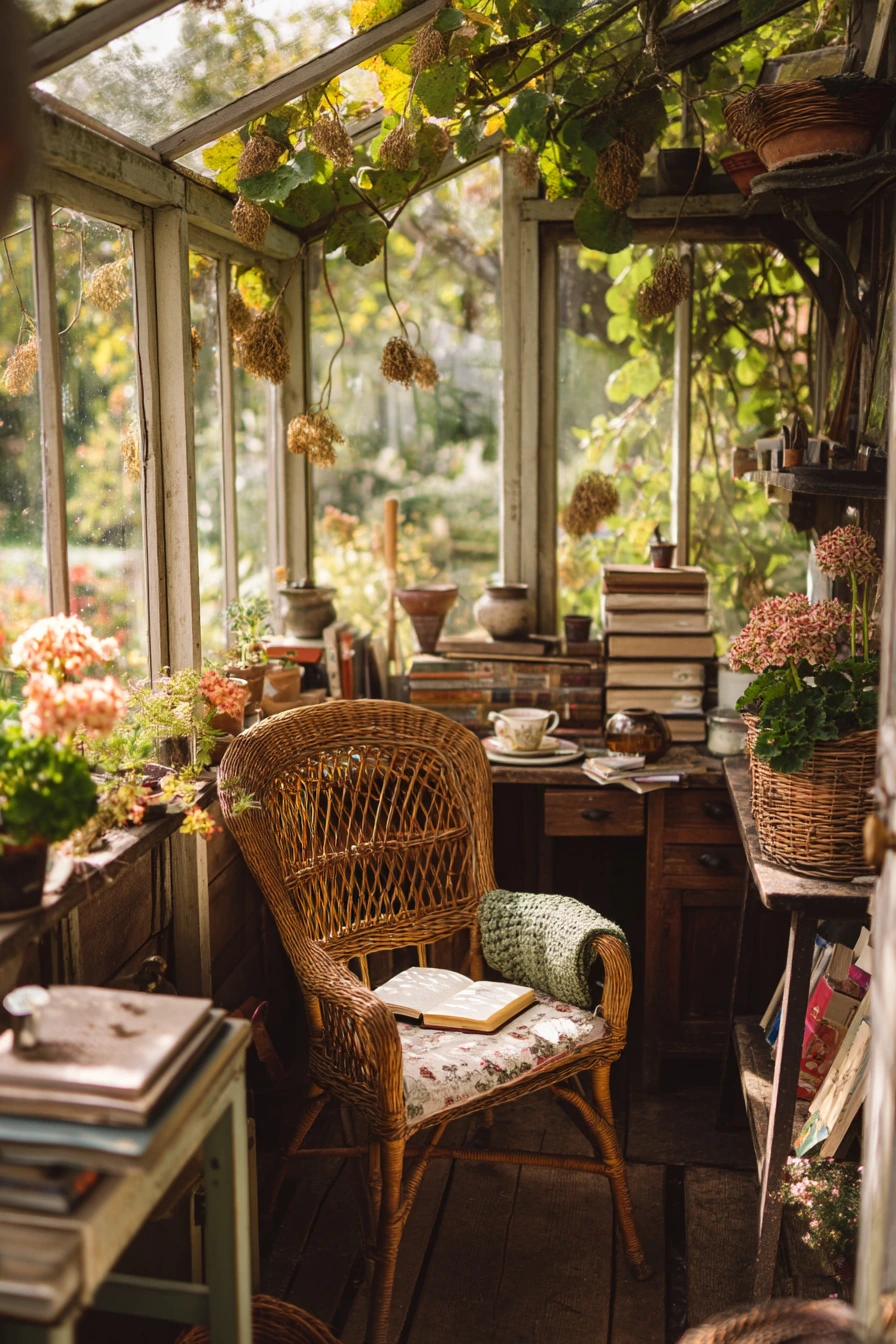
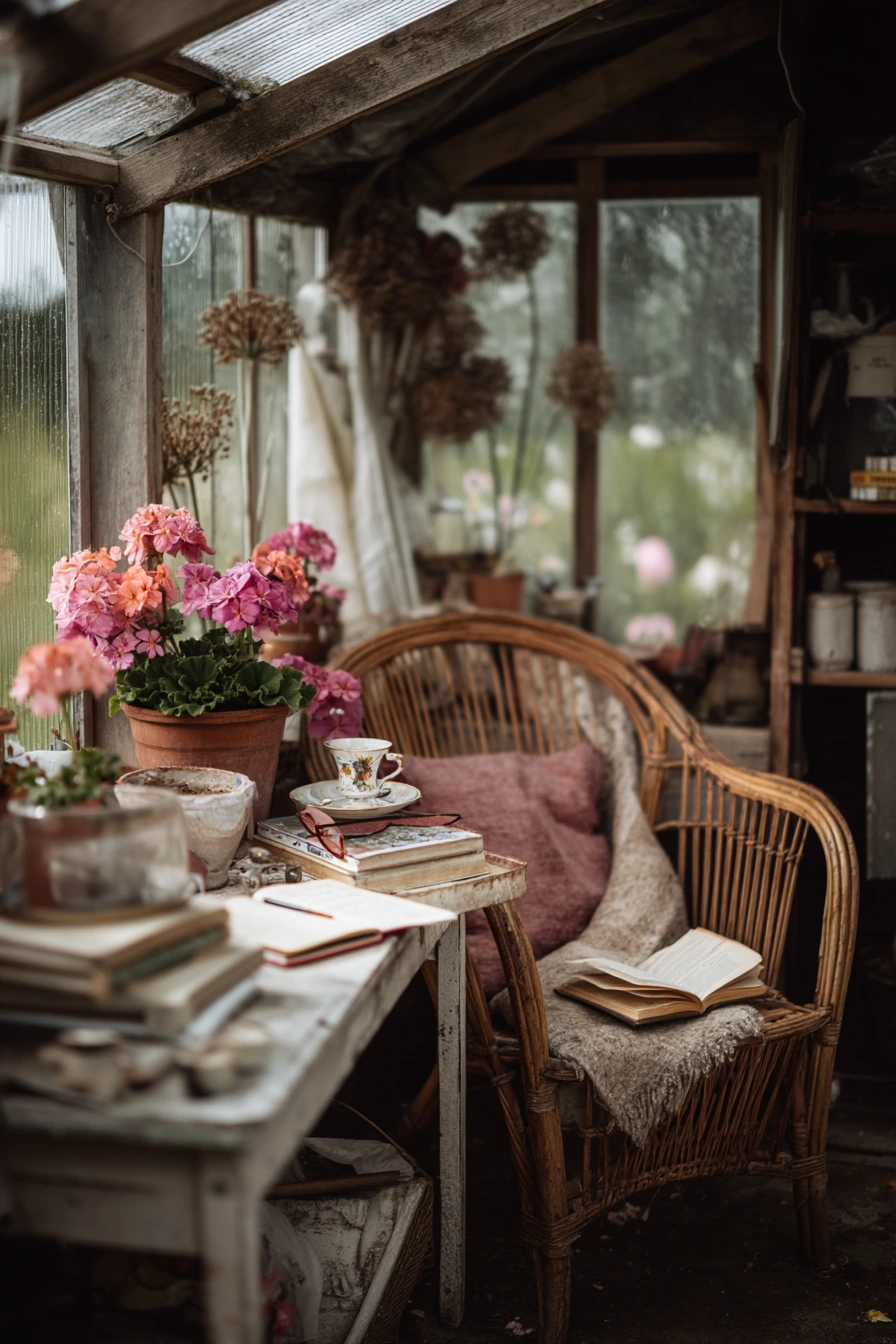
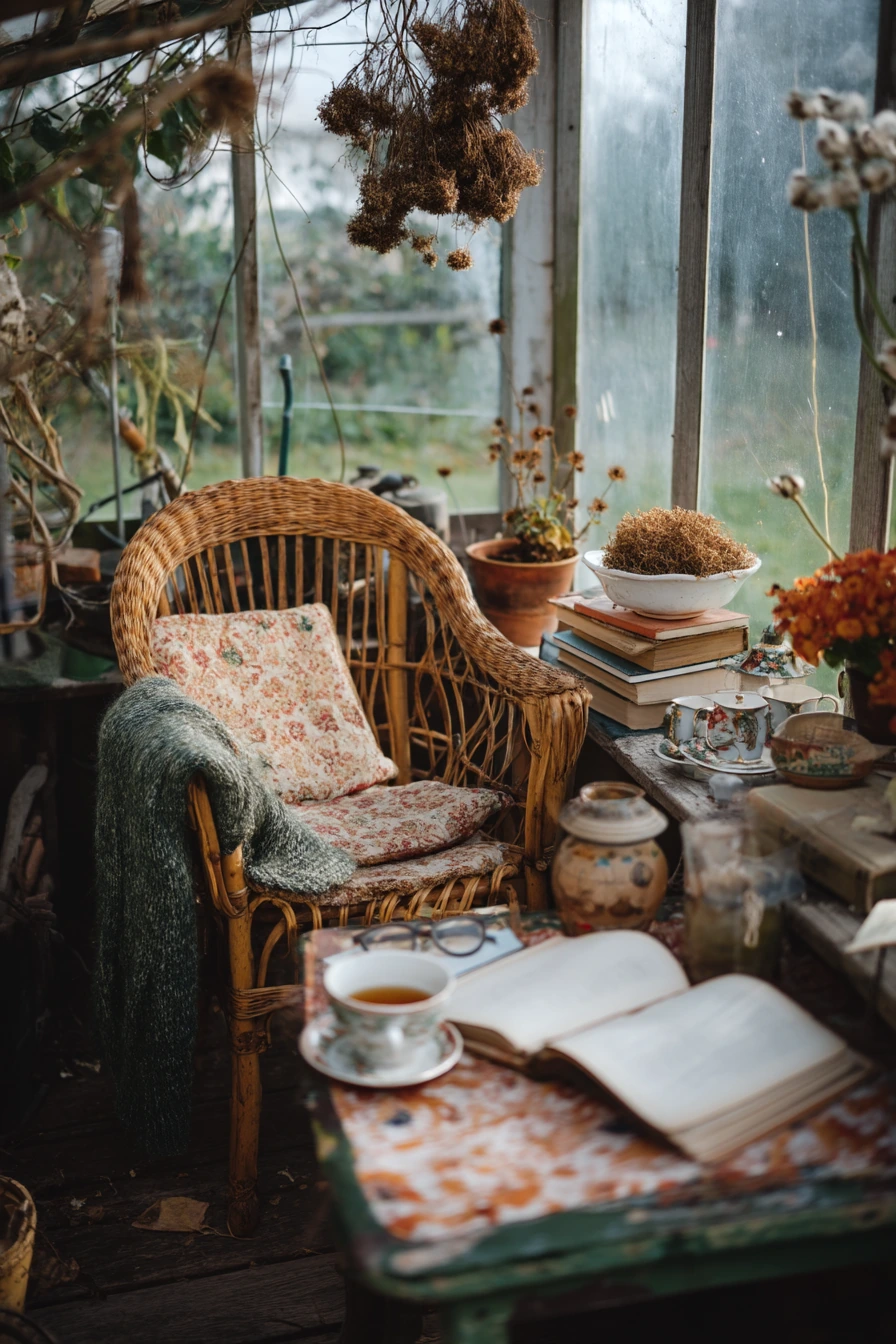
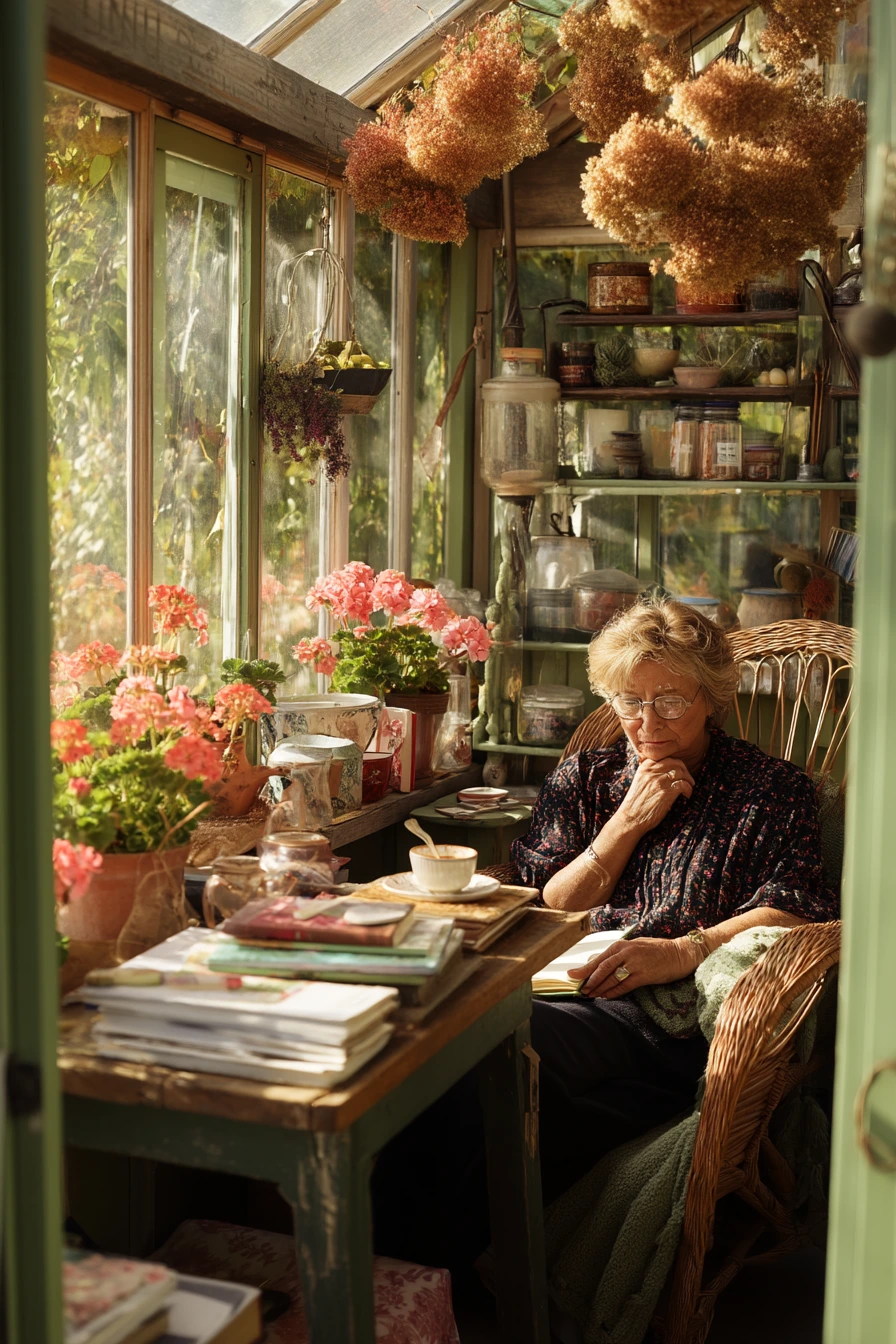
A tiny greenhouse can be more than a plant room. Turn it into a vintage garden reading nook with one comfortable chair and a small side table. An old cane chair fits the look and feels light, which matters in a tight space.
Add potted geraniums and set them on mismatched saucers. That small detail gives the space a collected, gentle clutter. Let seed heads dry above the chair so the greenhouse works as both a resting spot and a garden tool.
Style it like you really use it. Keep gardening books nearby, leave reading glasses on the table, and add a wool blanket for cool mornings. A notebook open on the table turns the nook into a quiet planning space for the next planting.
- Choose one chair that fits without blocking the greenhouse door.
- Use saucers under every pot to protect floors and keep it neat.
- Stack a few books and add one small tray for tea or tools.
- Hang seed heads or herbs to dry where air can move around them.
- Keep a small bin for gloves so the chair area stays clean.
Pro Design Tip: Add one soft item, like a blanket or cushion, to balance all the glass and metal so the nook feels inviting.
Budget Considerations: If a greenhouse is out of reach, mimic the look with a sunny window corner and a small plant shelf, using the same chair-and-books setup.
10 Weekend Market Flowers at Home
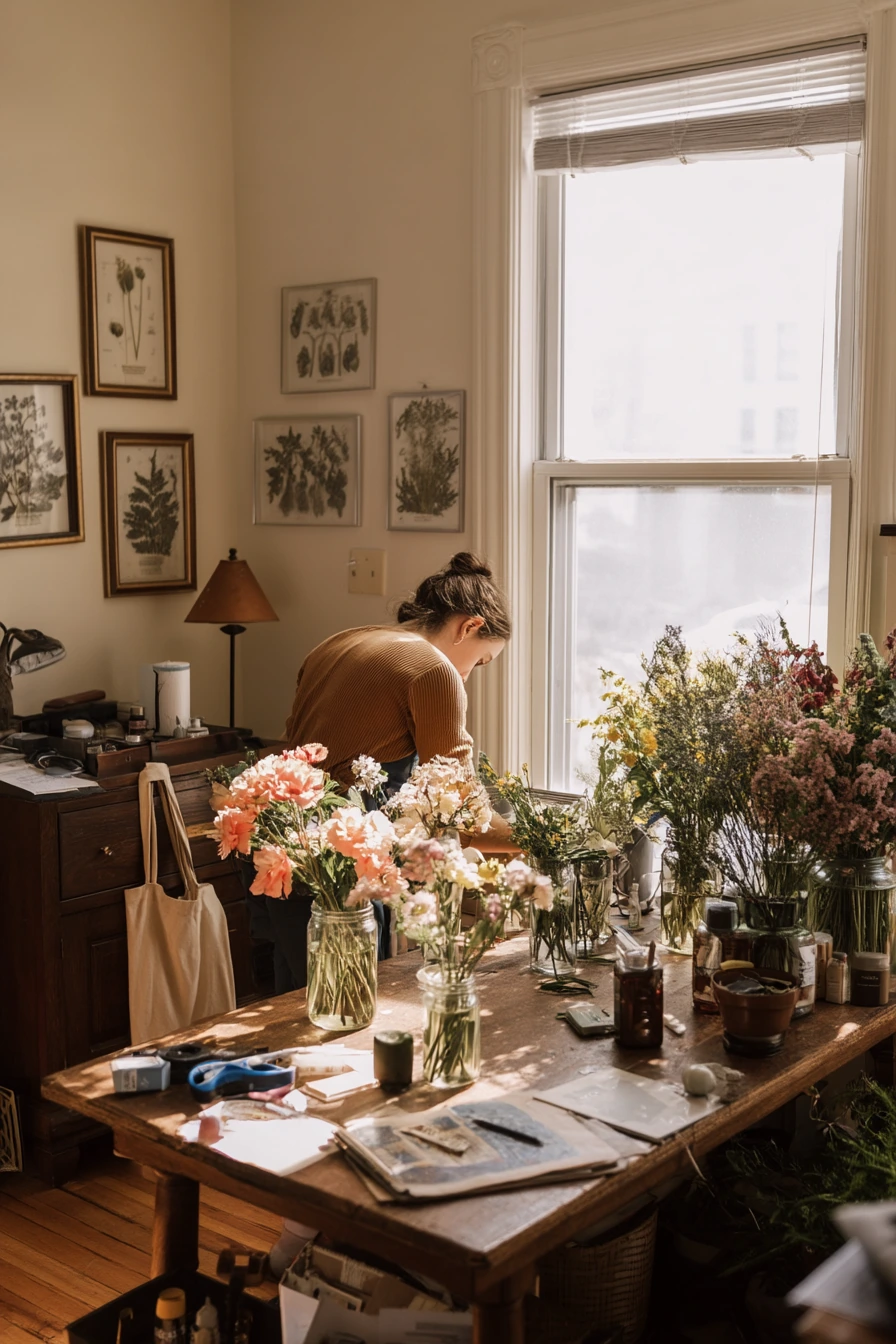
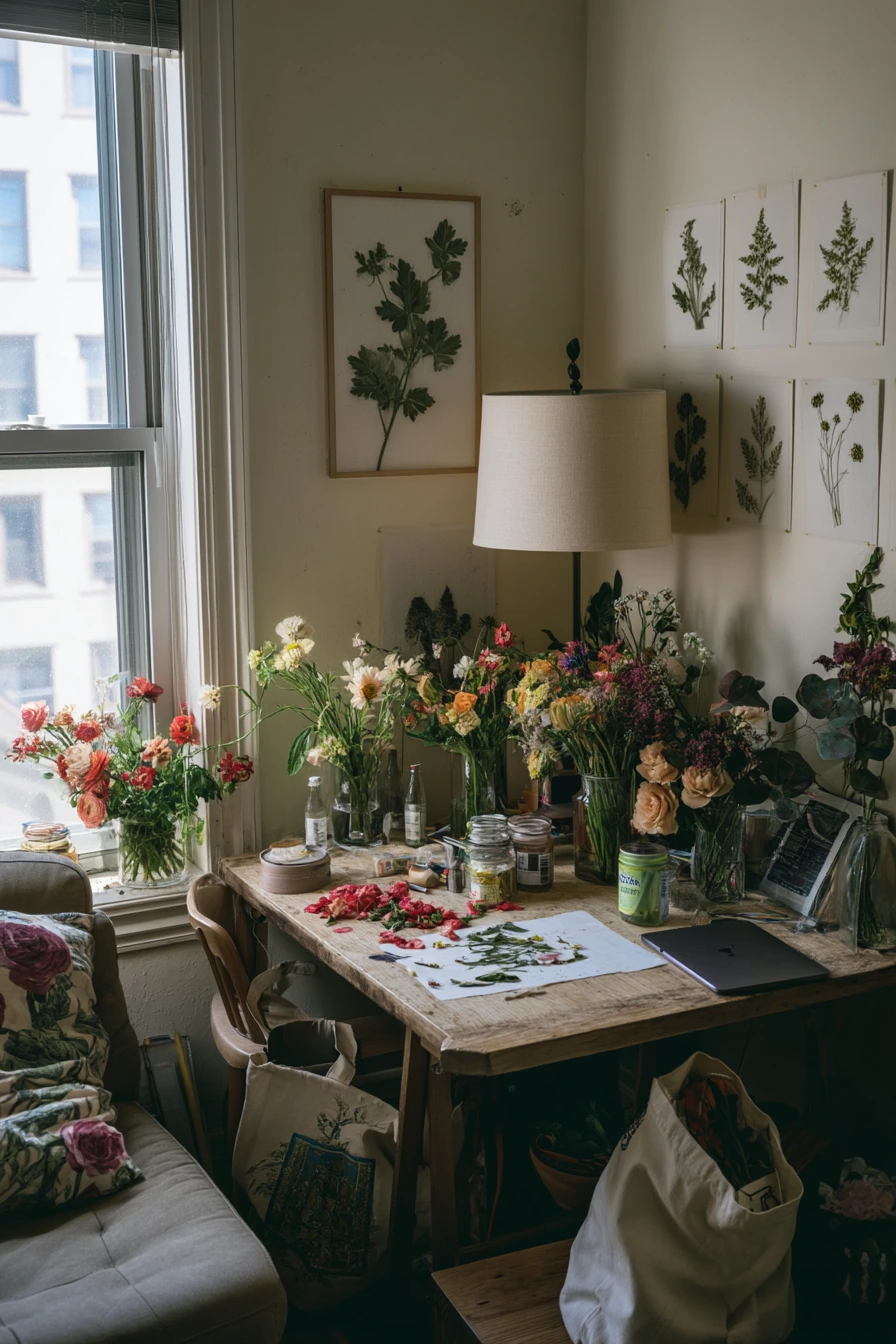
You can bring vintage garden ideas indoors with a living room flower corner. Use market flowers and sort them into old bottles on a farmhouse table. This creates a simple routine you can repeat after a weekend market trip.
Add pressed botanical prints near the table to tie the room to garden themes. A brass lamp by the window gives warm light in the evening, while daylight keeps the flowers looking fresh during the day. This mix of light makes the corner feel calm and useful.
Keep it realistic for daily life, especially in a shared home. Tote bags and a change jar can stay nearby. A half-read magazine is fine. Tuck a laptop charger into a basket so the space feels collected, not cluttered.
- Save glass bottles in different heights for easy bud vases.
- Trim stems at an angle and change water every two days.
- Hang botanical prints in simple wood frames for a vintage feel.
- Use a small caddy for scissors, twine, and flower food packets.
- Limit the tabletop to one “active” project at a time to keep it tidy.
Pro Design Tip: Group bottles by height, tall in back and short in front, so the arrangement looks full without needing many flowers.
Budget Considerations: Fresh flowers can be a weekly cost; mix in garden clippings or buy one bunch of greens and split it across several bottles.
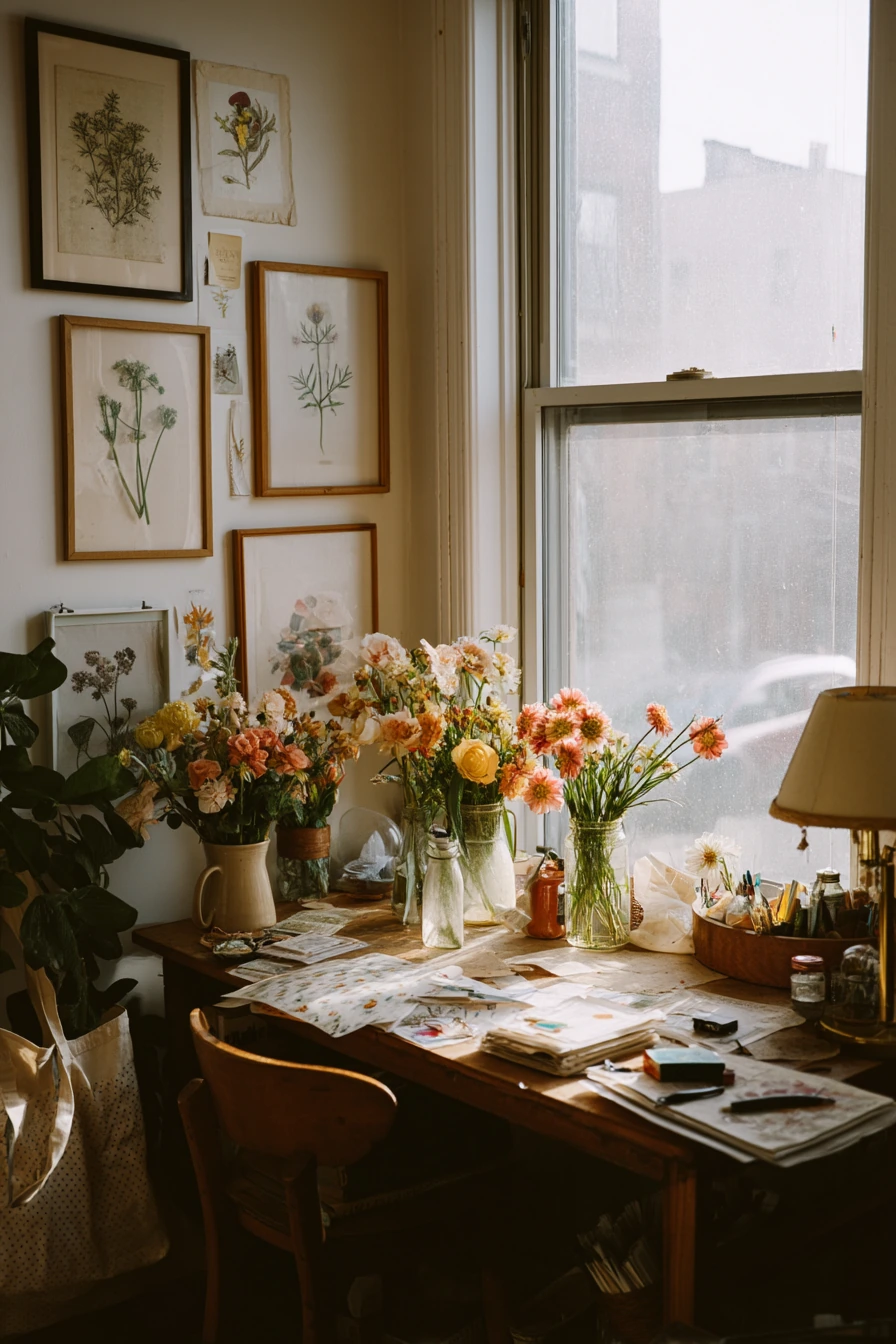
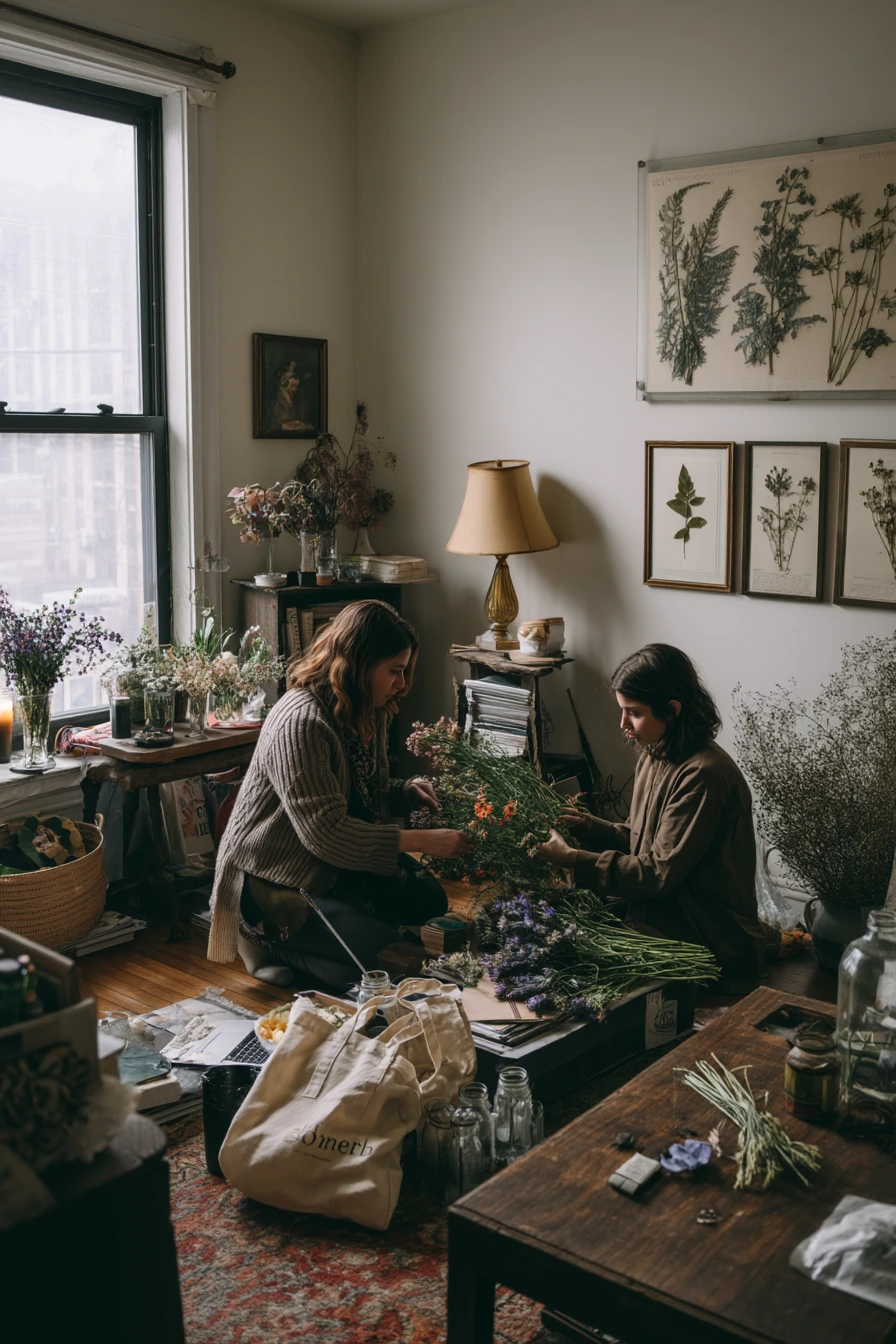
Vintage garden ideas work best when they mix beauty with daily habits. A watering can by the step, a crate herb shelf, or glass bottles on a table all feel right because they are useful.
Start with one small area, copy the layout from the photo you like, and add pieces slowly as you find them. Over time, your garden will look more collected and less “new.”
FAQ
1. What makes a garden look vintage? Use timeworn materials like terracotta, enamel, iron, and weathered wood, then layer plants and practical tools so it feels lived-in.
2. How do I get a vintage look without making it messy? Keep one clear focal point, like a bench or bistro set, and store small items in baskets or tins so surfaces stay usable.
3. What plants fit a vintage garden style? Climbing roses, lavender, geraniums, and herbs work well. Choose plants with soft shapes and repeat them in groups.
4. Can renters do vintage garden ideas on a balcony? Yes. Use folding furniture, removable hooks for lights, and vertical shelves like crates to add greenery without permanent changes.
5. Where can I find affordable vintage garden decor? Thrift shops, flea markets, online marketplaces, and salvage yards are good sources. Look for single pieces, not full matching sets.
6. How do I style a patio table for a vintage garden dinner? Add a lace or linen cloth, use bottles as bud vases, and hang warm string lights. Keep it simple so it is easy to repeat on weeknights.
7. What is the easiest vintage garden upgrade for beginners? Group terracotta pots by your door and add an old watering can or plant markers. It changes the feel fast with little effort.